 Free shipping on orders over £29,85
  Shipping Tracking!


 Google
 Facebook
← Back to How to get soft resin to mold?
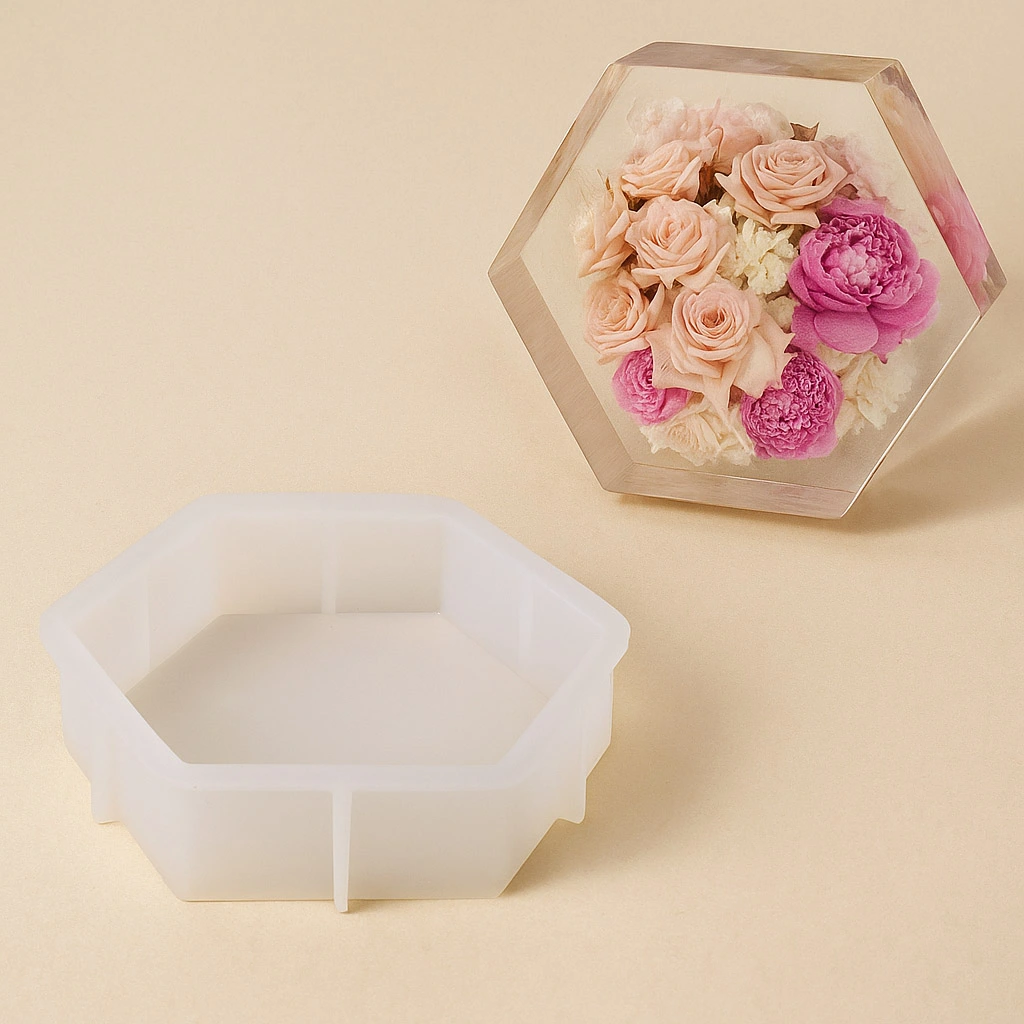
Keeping your silicone moulds in excellent condition is key for crafting smooth, detailed resin pieces. A gentle cleaning routine helps avoid damage and ensures every cast is a success.
Why Avoid Harsh Solvents?
Silicone moulds are durable but can be sensitive to aggressive chemical cleaners. Harsh solvents may break down the silicone or leave residues that affect the mould’s flexibility and compromise the quality of your future resin casts. Over time, using unsuitable cleaners can reduce the mould’s lifespan or cause unwanted surface defects in your finished pieces.
Recommended Cleaning Methods
It’s best to clean silicone moulds with mild washing-up liquid and warm water after each use. A soft sponge or microfibre cloth can remove any remaining resin or debris without damaging the silicone surface. For stubborn residues, soaking the mould in soapy water for a short time usually loosens the material for easy removal.
- Avoid abrasive pads or sharp tools
- Rinse thoroughly to remove all soap traces
- Allow to air dry completely before storing
For example, the Silicone Hexagons Mould is both flexible and reusable, making gentle cleaning a must to ensure its longevity with every project.
When This Matters Most
Preserving the surface and integrity of your silicone mould is especially important if you use it frequently with epoxy resin or detailed castings. Proper cleaning helps prevent residue build-up, which could otherwise impact the clarity and finish of your next resin piece.
Related products
Related guides
Using the right cleaning methods keeps your silicone moulds ready for flawless resin work. For more tips on working with soft resin and moulds, explore our full guide on how to get soft resin to mold.