 Free shipping on orders over £29,85
  Shipping Tracking!


 Google
 Facebook
How do you apply resin to the wall?
A stepwise guide to achieve decorative resin wall coatings
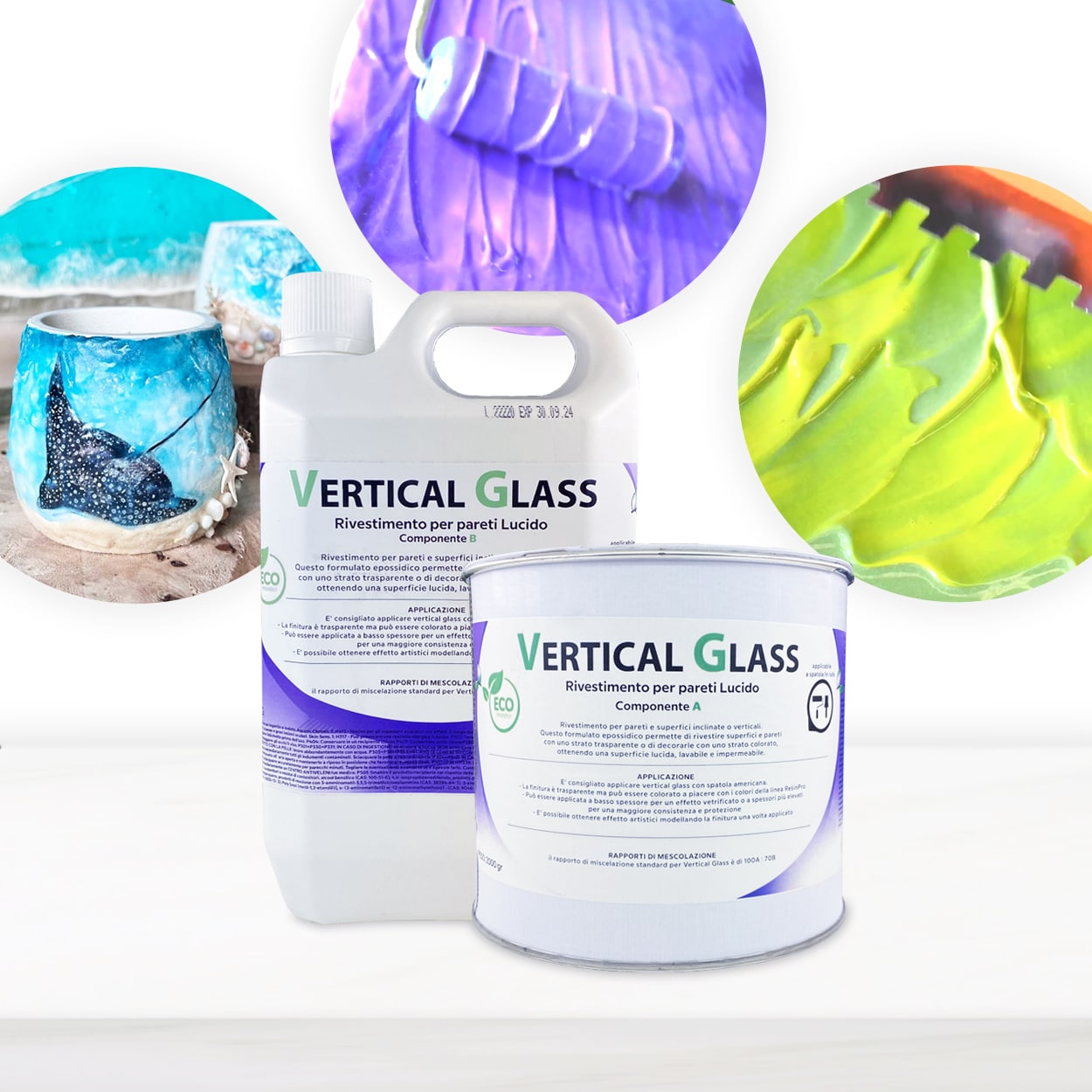

If you’re looking to transform your space with a sleek, modern wall finish, applying resin to the wall is an excellent way to achieve a durable, creative effect. Whether you wish to create artistic panels in your home or install easy-to-clean, waterproof surfaces in commercial settings, this step-by-step guide walks you through the process for professional results.
What You’ll Need
- “Vertical Glass” – Thick Resin Decorative Wall Coating: For creative waterproof protection on vertical surfaces.
- Resin & Paint Application Rollers – Short-Pile, Large, and Sponge Types: To achieve even, controlled application.
- “Art Pro” – Clear Epoxy Resin for Artists and Surface Coating: For clear, decorative protective coats with high clarity.
- “Art Pro Deluxe” – Ultra-High Viscosity Epoxy Resin for Artists: When you need precision for detailed or vertical artwork.
- Spatula and mixing containers
- Protective gloves and safety goggles
- Masking tape and dust sheets
- Sanding paper (for surface prep and optional finish)
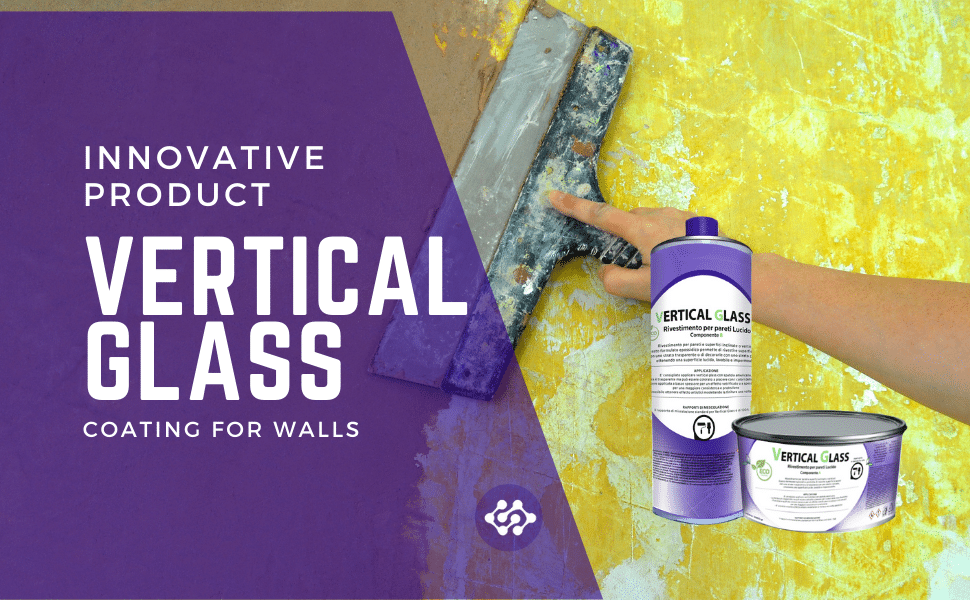
Visual Inspiration for Resin Wall Projects
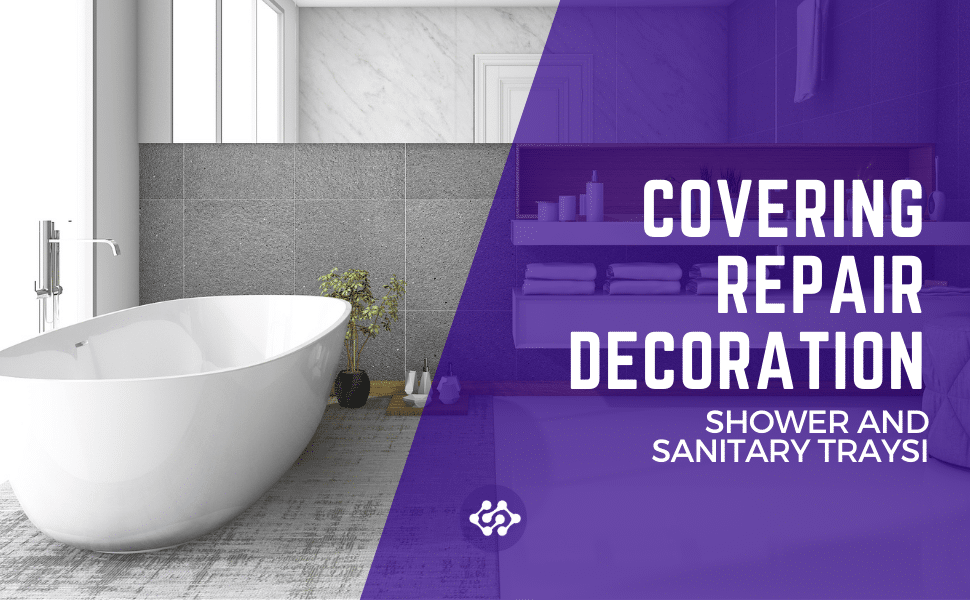
See how resin coatings can elevate any vertical space, from artistic accent panels to seamless, stain-resistant bathroom finishes. The right technique makes dramatic transformations possible.
Step 1: Prepare the Wall Surface
Cleanliness is crucial: Begin by cleaning the wall thoroughly to remove dust, grease, or any existing flaking paint. Any residue left behind can affect adhesion and final appearance. Use mild detergent and let the surface dry completely.
Repair cracks, holes, or uneven spots with suitable filler. For highly porous surfaces such as bare cement or brick, apply a sealer or primer to prevent uneven resin absorption.
Lightly sand the wall to aid mechanical grip, then remove all sanding dust. Protect adjacent surfaces with masking tape and use dust sheets as needed to keep your workspace clean.
Step 2: Mix the Resin Properly
Once the surface is ready, carefully read the resin manufacturer’s instructions for mixing ratios and safety. Epoxy resins typically require precise proportions for the resin and hardener.
Pour the components into a clean mixing container, then stir slowly and thoroughly for several minutes, scraping the sides and bottom to ensure even blending. For vertical wall applications, a thick consistency is best to prevent sagging and drips. “Art Pro Deluxe” – Ultra-High Viscosity Epoxy Resin for Artists is ideal when you need increased control for artistic effects or to create lines that stay sharp without spreading.
Allow bubbles to rise and dissipate for a minute before applying. Do not mix more resin than can be applied within the working time recommended in the product instructions.
Step 3: Apply the Resin to the Wall
Choose your application method based on the effect and surface area. For creative finishes, use a spatula in combination with “Vertical Glass” – Thick Resin Decorative Wall Coating; for smoother, broader coverage, use rollers. Resin & Paint Application Rollers – Short-Pile, Large, and Sponge Types are suitable for both detailed and large-chain coverage, depending on the roller size.
Start at the top of the wall and work downward in manageable sections. Spread the resin evenly, maintaining a consistent thickness. For decorative effects, apply in layers, incorporating pigments or metallics if desired. Take care not to overload the roller or spatula to avoid runs.
If a translucent, glossy finish is desired, “Art Pro” – Clear Epoxy Resin for Artists and Surface Coating can be applied in medium layers.
Step 4: Allow to Cure and Finish the Surface
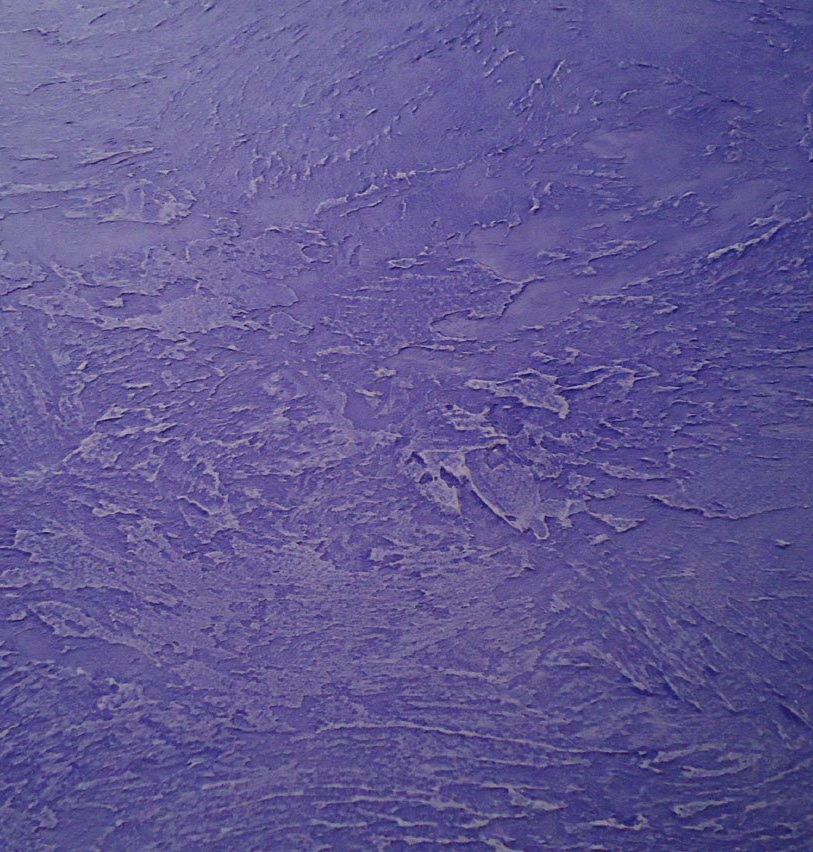
Let the resin cure undisturbed in a dust-free space, following the timing recommended on your selected product. Most wall resins will be touch-dry within 10–24 hours, but complete curing for washability and full mechanical strength may take several days.
Avoid touching or exposing the surface to water during this phase. Once fully cured, optionally sand the surface for a satin or matte effect. Wipe with a damp, lint-free cloth to remove residue before using the area.

Tips, Common Mistakes, and Troubleshooting
Always work in a well-ventilated area and wear appropriate protective equipment. Ensure surfaces are thoroughly dry before application; moisture under resin can cause bubbling or improper curing.
For creative finishes with crisp lines and minimal bleed, opt for ultra-high viscosity resins and control your application tools carefully. Avoid using water-based dyes with epoxy resins, as incompatibility may cause clouding or curing issues.
If you spot drips or runs during curing, wait until the resin has partially set and carefully trim them with a sharp blade or sand once fully cured. Always perform a small test patch if working over unfamiliar substrates.
Perfecting Your Wall Resin Application
Want a sophisticated artistic result? Try combining masking techniques with metallic pigments and precision spatula work. Take your time and let each layer cure thoroughly before continuing.
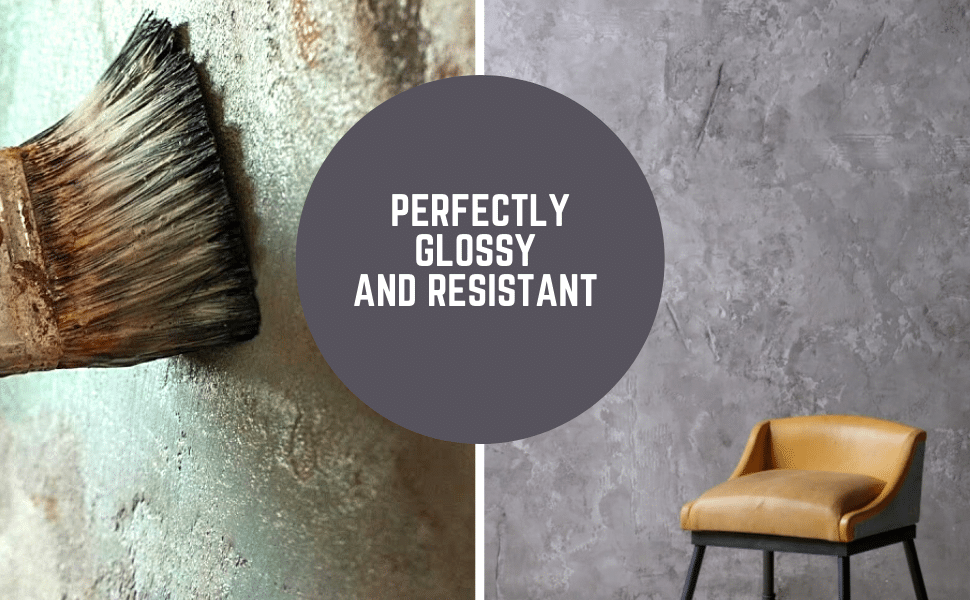
- "Vertical Glass" – Thick Resin Decorative Wall CoatingPrice range: £128.85 through £179.85Vertical Glass is an epoxy resin wall coating for durable, customisable, waterproof finishes on vertical and sloping surfaces.
- Resin & Paint Application Rollers – Short-Pile, Large, and Sponge TypesPrice range: £3.45 through £4.85Rollers suitable for precise and uniform application of epoxy resin on surfaces, useful for detailed or larger areas.
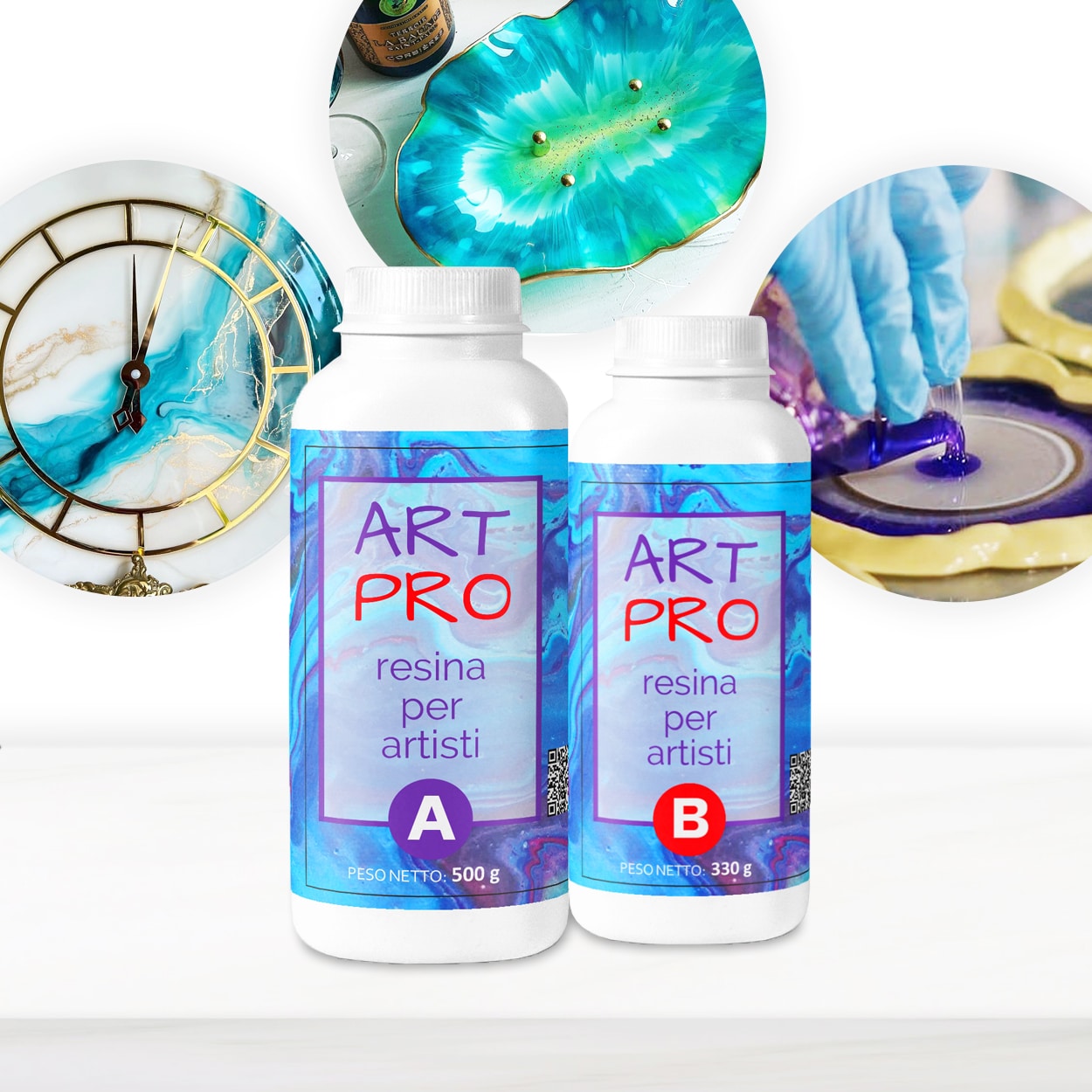 "Art Pro" – Clear Epoxy Resin for Artists and Surface CoatingPrice range: £31.15 through £388.85"Art Pro" clear epoxy resin is suitable for artists and DIY users seeking a transparent, durable coating with UV protection.
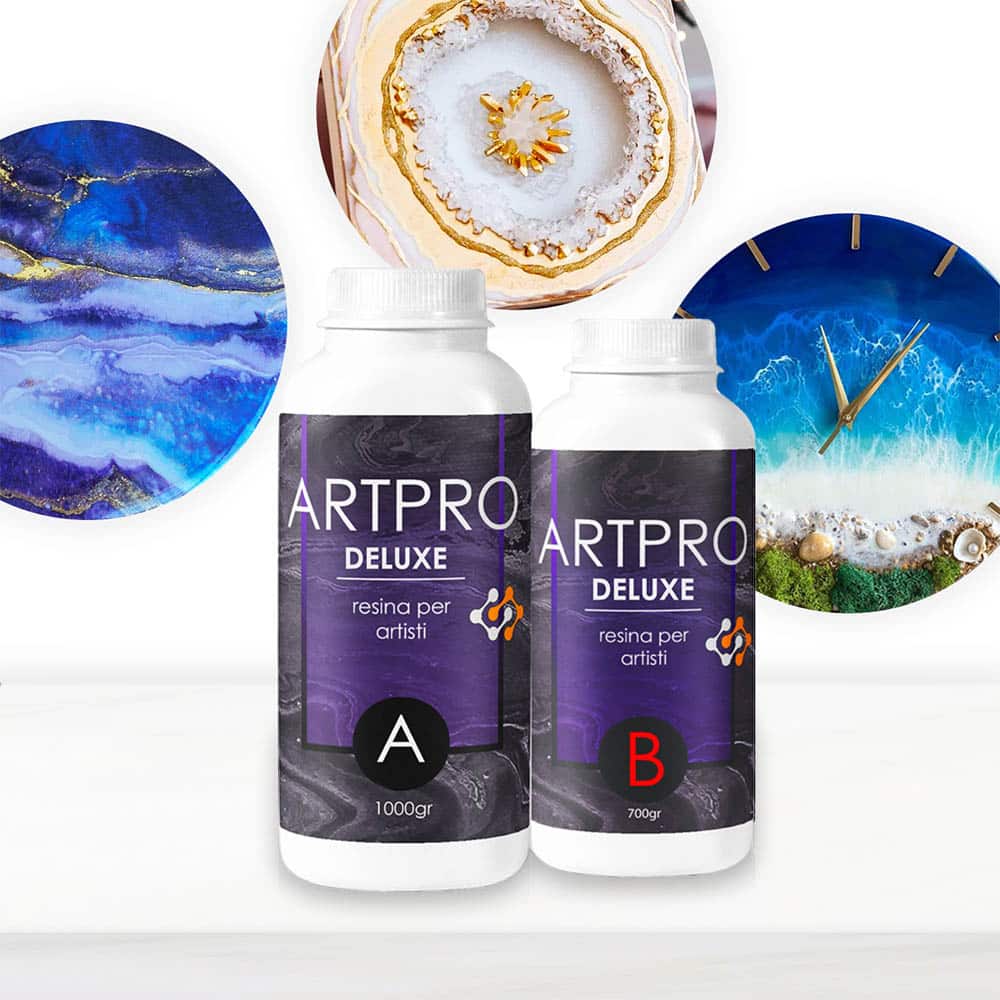 "Art Pro Deluxe" – Ultra-High Viscosity Epoxy Resin for ArtistsPrice range: £33.85 through £287.85Art Pro Deluxe is an ultra-high viscosity epoxy resin suited for controlled resin art and finish layers with a crystal-clear, self-levelling surface.
Frequently Asked Questions
Can resin be applied to tiled walls?
Yes, as long as the surface is clean, grease-free and lightly sanded for better adhesion. Primer may also be beneficial.
How long does resin wall coating take to cure?
Touch dry time ranges from 10–24 hours, but allow several days for a full cure and until the coating is washable and robust.
What type of resin should I use for vertical walls?
Choose a thick, high-viscosity resin or one formulated specifically for wall application, such as Vertical Glass or Art Pro Deluxe.
Can I colour the resin when applying it to the wall?
Yes, use compatible resin pigments or metallic powders for decorative effects. Avoid water-based or acrylic paints.
Does resin coating on walls provide moisture protection?
Epoxy resin provides a highly water-resistant barrier, ideal for kitchens, bathrooms and high humidity areas.
Do I need to sand between resin coats on a wall?
Light sanding enhances adhesion between coats, especially if more than 24 hours have passed since the previous application.
What safety precautions should I take with resin wall coatings?
Wear gloves, goggles, work in a ventilated area and avoid skin contact. Follow the safety sheet included with your resin product.