 Free shipping on orders over £29,85
  Shipping Tracking!


 Google
 Facebook
← Back to What is used as a release agent for epoxy resin?
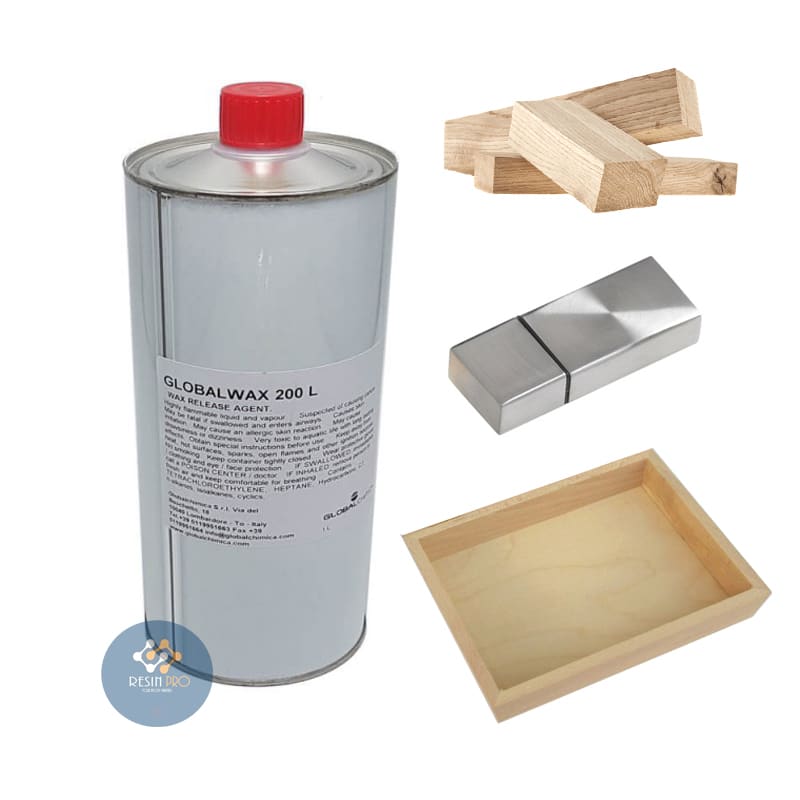
If you’re working with epoxy resin, you may wonder whether using a release agent could negatively affect the curing process. Understanding their interaction is key to smooth and successful demoulding.
How Release Agents Work with Epoxy Resin
Release agents form a thin barrier between your mould and the epoxy resin. Products like “Global A2” Release Wax create a protective layer, making it easier to remove finished pieces. When used as directed, these coatings sit on the mould’s surface and do not chemically react with the curing resin itself.
Best Practices for Safe Use
To ensure your release agent does not interfere with curing, always follow the manufacturer’s guidelines. Apply an even, thin layer — whether it’s liquid wax, a glossy release film such as “Shiny Shield”, or a silicone oil for flexible moulds. Allow adhesives or films time to dry or set up, and avoid over-application. Proper use ensures the resin cures as intended, maintaining surface quality and structural integrity.
When This Matters Most
Release agents are especially important when working with intricate or non-flexible moulds. Inadequate or improper application can result in sticking or imperfections, but rest assured, correct use won’t impact your resin’s ability to cure.
Related products
Related guides
For peace of mind and professional results, knowing how release agents interact with epoxy resin is essential. For more insights, see our main guide on what is used as a release agent for epoxy resin.