 Free shipping on orders over £29,85
  Shipping Tracking!


 Google
 Facebook
← Back to What are epoxy adhesives?
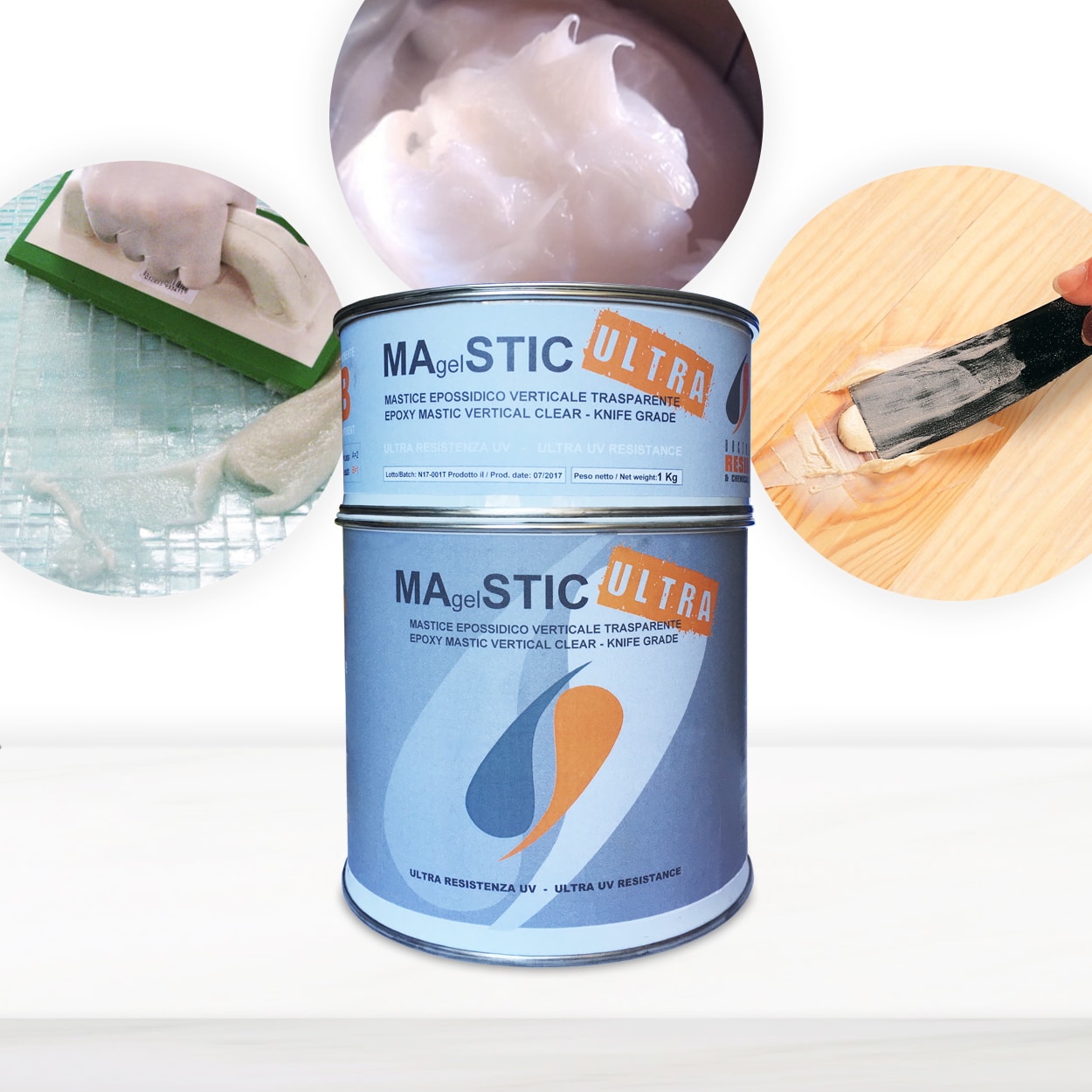
Epoxy mastic is a specialist two-component adhesive formulated for robust bonding and repairs, particularly on tough materials like stone, metal, or cement. This mini-guide explores how it works, its key applications, and essential tips for successful use.
What Is Epoxy Mastic?
Epoxy mastic combines a resin and hardener to create a durable, thixotropic putty. Unlike standard liquid adhesives, its unique texture makes it ideal for filling gaps, levelling surfaces, and working on vertical areas without sagging. Products like Magelstick Epoxy Mastic are designed for professional applications—especially restoration and construction projects that require weather resistance, strength, and longevity.
How to Use Epoxy Mastic Effectively
- Surface Preparation: Ensure all surfaces are clean and dry before applying. Remove dust, grease, or previously loose material for best adhesion.
- Mixing: Follow the recommended ratio carefully (for Magelstick, typically 100:50 by weight), mixing small batches as needed. Blend thoroughly until a consistent colour and texture is achieved.
- Application: Use a spatula or gloved hand to press the mastic into place. Its thixotropic nature prevents runs, making it excellent for walls and overhead fixes. A minimum application temperature of 10°C is generally advised.
- Curing: Allow the mastic to set as directed on the product label before exposing it to further loads or harsh environments.
When Epoxy Mastic Matters Most
Epoxy mastic comes into its own for masonry repairs, bonding stone or tile in exterior conditions, and reattaching or grouting metal or cement structures. Its weather-resistant, strong formulation makes it a preferred choice for both professional contractors and advanced DIYers tackling demanding projects.
Related products
Related guides
If you’re dealing with repairs or installations involving stone, metal, or cement, epoxy mastic offers a durable and versatile solution. For deeper insights into other adhesive options and their properties, explore our main guide on epoxy adhesives.