 Free shipping on orders over £29,85
  Shipping Tracking!


 Google
 Facebook
How to make a resin roll bar on YouTube?
Comprehensive resin roll bar creation guide for video makers

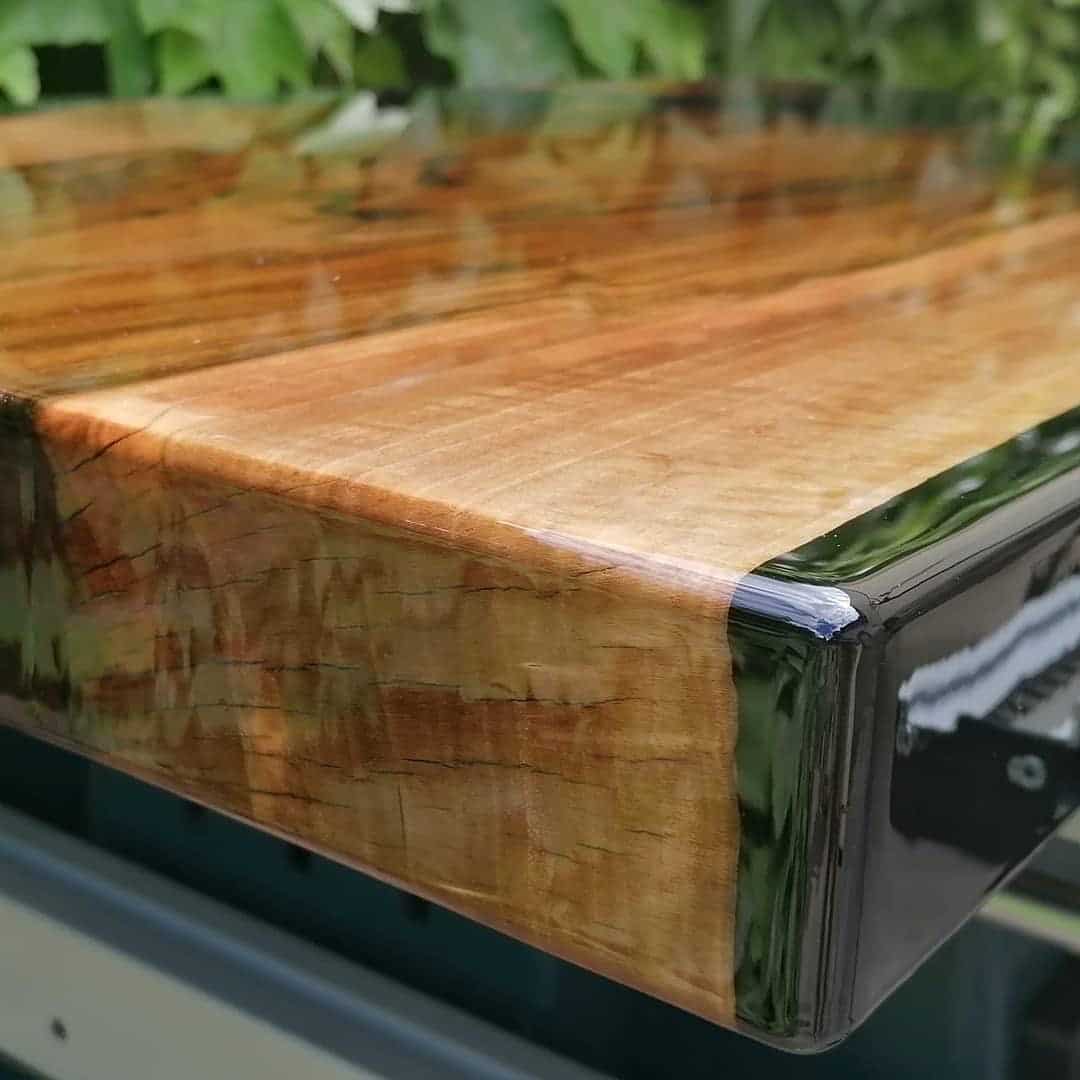
Creating a resin roll bar can add a striking, professional touch to your YouTube projects—whether it’s for creative table builds, model cars, or set pieces. This guide covers essential steps for planning, moulding, pouring, and curing, ensuring your roll bar looks spectacular on camera and is built to last. Master the process with safety in mind and avoid the most common resin mistakes along the way.
What You’ll Need
- “Epoxytable 10-Ten” – Deep Pour Epoxy Resin for Tables, Up to 10cm Casting – Ideal for resin roll bars needing thick, crystal-clear pours.
- “EpoxyTable 5-Five” – Deep Pour Epoxy Resin for Tables and Large Projects – Up to 5cm – Suitable for roll bars with moderate thickness.
- Silicone or rigid mould in the shape of your roll bar
- Measuring cups and mixing sticks
- Protective gloves and a mask
- Sandpaper (multiple grits)
- A flat, dust-free surface

Inspiration for Creative Resin Roll Bar Projects
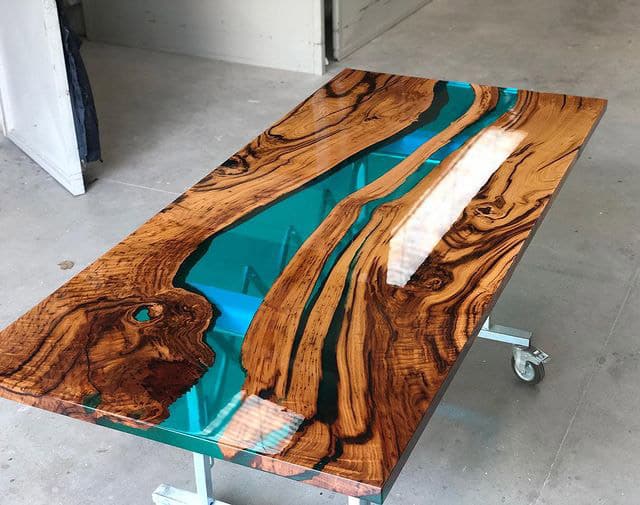
Explore online video tutorials and project galleries to see how resin roll bars can enhance a variety of creative builds. Studying time-lapse pours or completed resin furniture clips can help you visualise your own project and inspire you to share your process on your YouTube channel.
Step 1: Plan and Prepare Your Workspace
Start by deciding the size and shape of your resin roll bar. Whether you are crafting a component for a table feature or a video prop, sketch your dimensions and ensure you have a matching mould ready. Work in a well-ventilated area, and cover surfaces with protective film or plastic sheeting to catch any drips. Always prioritise safety by wearing gloves and a mask when working with epoxy resins.
Step 2: Prepare and Secure the Mould
Ensure your mould is free of dust and fully dry. For handmade or flexible silicone moulds, check that there are no tears or voids where resin could leak. Ensure your mould is level and stable on your work surface to get even results. Secure it with tape or mould clamps if needed. Applying a suitable release agent can make demoulding much easier, especially with deep pours.
Step 3: Mix and Pour Your Resin
Carefully measure your resin and hardener according to product instructions to ensure a proper cure. For thick roll bars or large castings, a deep-pour epoxy is essential for clarity and to avoid excess heat. For roll bars with a depth up to 10cm, “Epoxytable 10-Ten” – Deep Pour Epoxy Resin for Tables, Up to 10cm Casting provides safe, bubble-free casting in one go. For shallower moulds up to 5cm, “EpoxyTable 5-Five” – Deep Pour Epoxy Resin for Tables and Large Projects – Up to 5cm is recommended.
Mix slowly and thoroughly for 3-5 minutes, scraping sides and base of your cup to avoid unmixed parts. Pour the resin in the centre, allowing it to flow naturally and minimising air bubbles. Pour in thin layers for projects over 5cm thick to control heat build-up, waiting until each layer is gelled before adding the next.
Step 4: Cure and Demould Safely
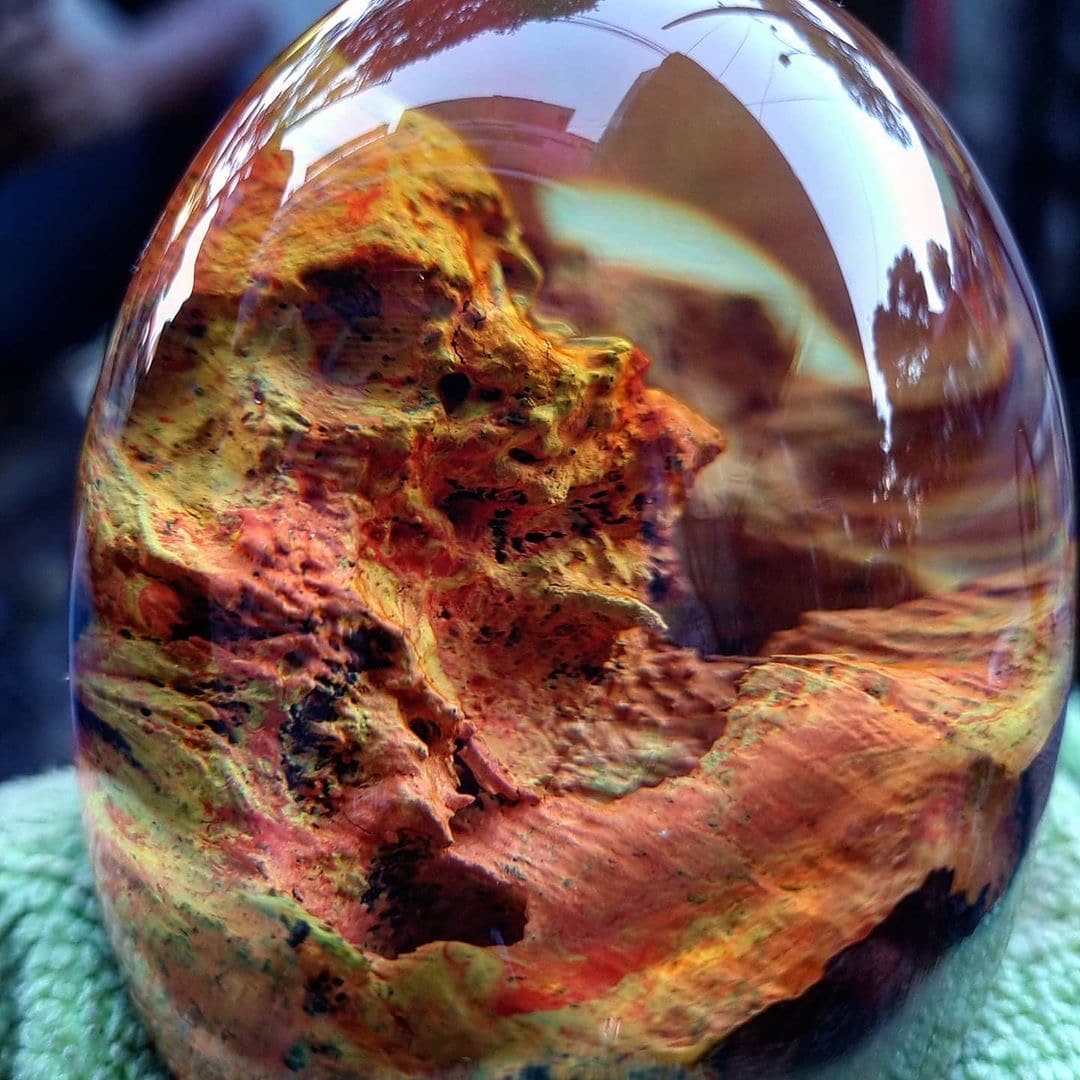
Keep the mould covered and undisturbed in a dust-free area. Most deep pour resins will require 24–72 hours to fully cure depending on thickness and ambient temperature. Allow each layer to cure fully before proceeding if you poured in multiple stages. Once cured, gently remove the roll bar from the mould to prevent cracking or distortion.
Step 5: Finish and Polish for Camera-Ready Results
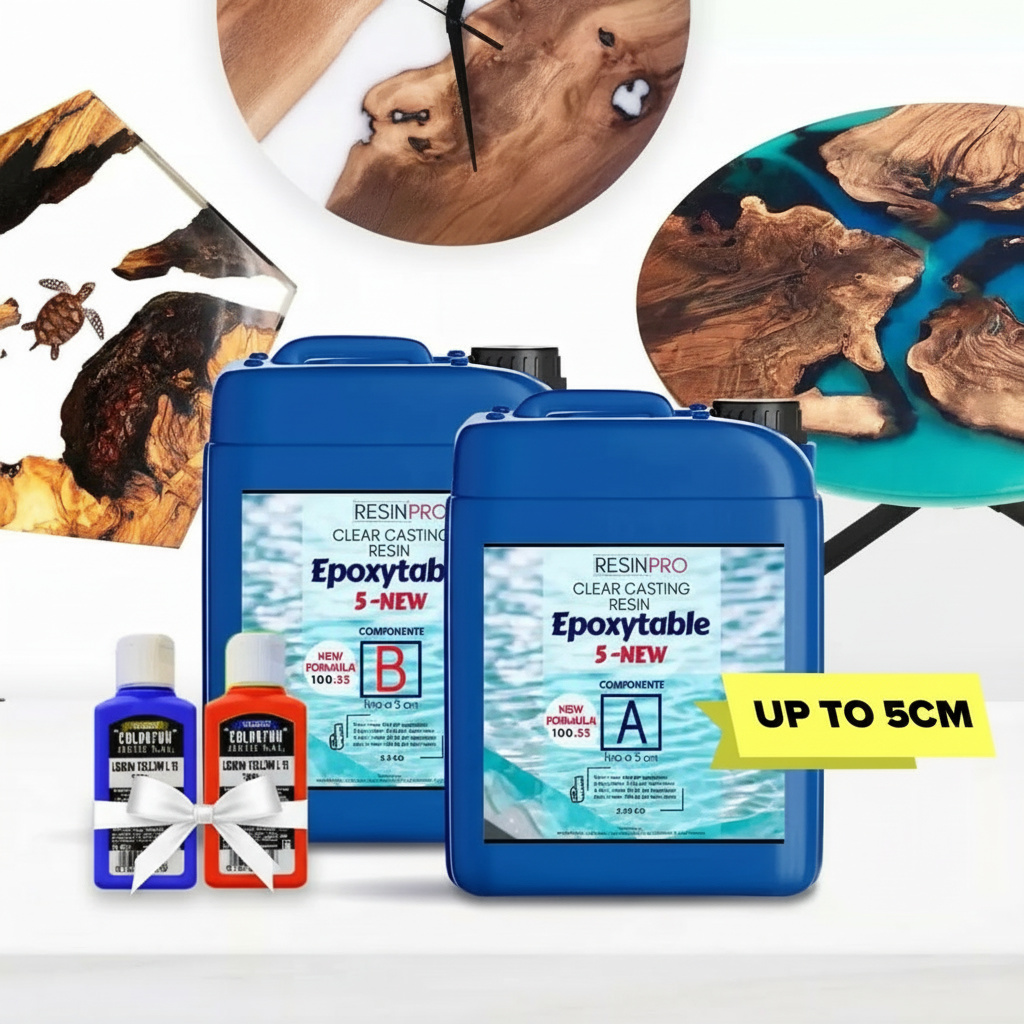
Trim any excess edges and sand the surface starting with coarse grit, moving gradually to finer grits for a smooth finish. Use water while sanding to prevent resin dust. For a glossy result, hand-polish with a fine polishing compound. Protect your surface with a dust cover until you’re ready to film or install your roll bar.
Tips and Troubleshooting for Flawless Results
Work slowly and avoid rushing each step to ensure a bubble-free, crystal-clear finish. Always measure resin and hardener accurately, and pour in suitable stages for thick projects. If you find bubbles forming, gently pass a heat gun over the resin surface to encourage them to rise and pop. For video content, film your process in good lighting and keep your workspace tidy to enhance the professional appeal of your YouTube tutorial.
Guide to Getting a Perfect Resin Finish
Clean tools thoroughly after each use and avoid using wooden stirrers that may introduce air or impurities. Keep your resin and workspace at stable room temperature for optimal curing, and always check label instructions for specific product timing.

- “Epoxytable 10-Ten” – Deep Pour Epoxy Resin for Tables, Up to 10cm CastingPrice range: £35.95 through £351.95“Epoxytable 10-Ten” is designed for deep casting projects up to 10cm, providing clarity and long working time suitable for tables and artistic uses.
- "EpoxyTable 5-Five" – Deep Pour Epoxy Resin for Tables and Large Projects – Up to 5cmPrice range: £17.95 through £1,154.95"EpoxyTable 5-Five" is a deep pour epoxy resin suitable for tables and large projects, designed for pour depths up to 5cm.
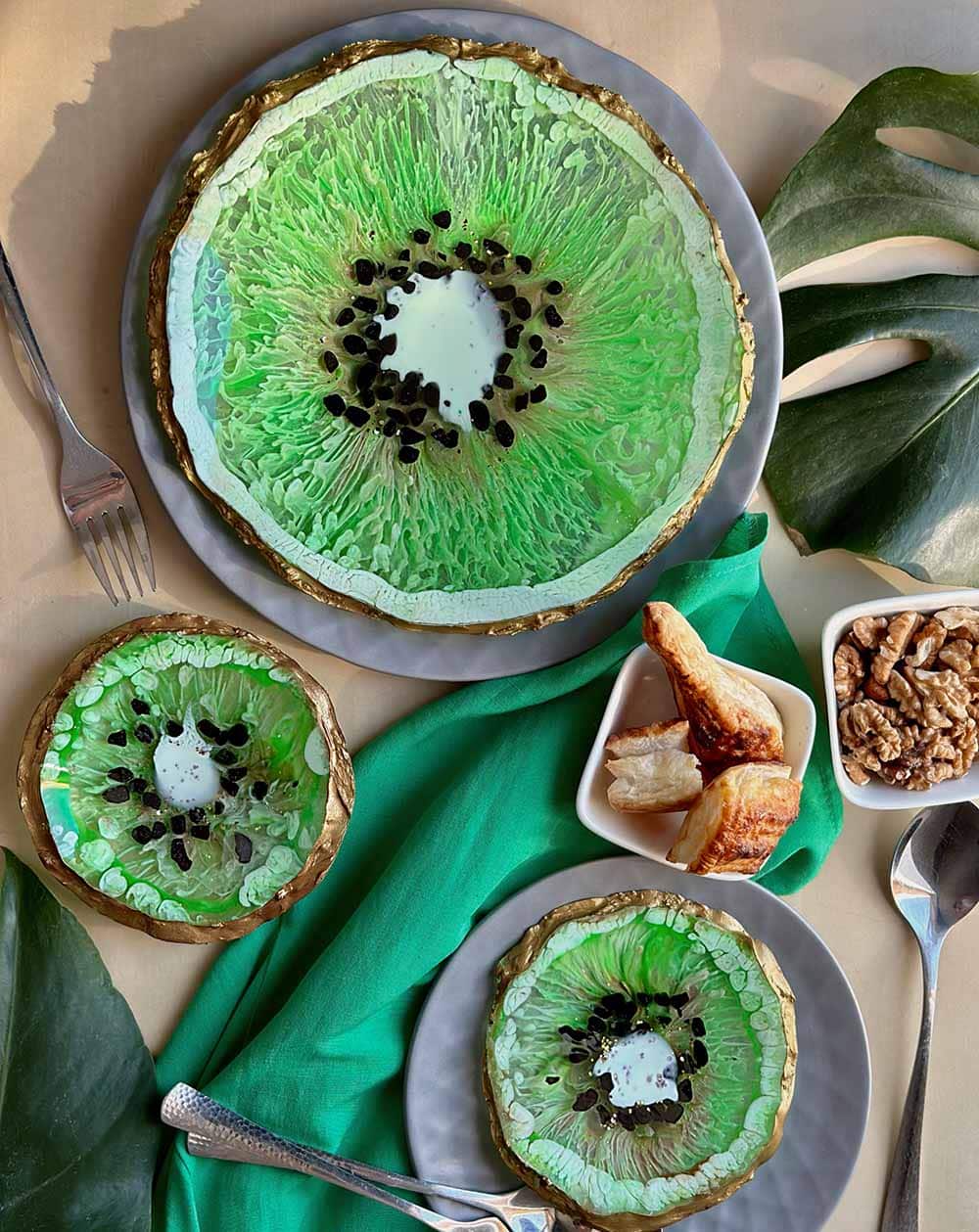 Free Step-by-Step Lesson "Kiwi Coasters" by Natalia NatirumOriginal price was: £99.00.£0.00Current price is: £0.00.Step-by-step tutorial for making resin trays and coasters resembling kiwis, suitable for creators exploring detailed resin crafts.
 Free Step-by-Step Lesson – "Pomegranate Trays" by Natalia NatirumOriginal price was: £99.00.£0.00Current price is: £0.00.Free video tutorial on creating resin pomegranate trays, suitable for the theme on making resin roll bars on YouTube.
Frequently Asked Questions
What is the best resin for thick roll bar projects filmed for YouTube?
A deep pour epoxy like “Epoxytable 10-Ten” is designed for thick castings up to 10cm, ideal for clear roll bars.
What is the maximum safe pouring depth for a resin roll bar cast?
For most deep pour epoxies, up to 10cm per layer is advised; thicker than this should be cast in multiple layers.
How do I avoid bubbles in a resin roll bar?
Use slow mixing, pour in thin layers, and pass a heat gun over the resin surface to reduce bubbles.
Can I do a single pour for large roll bar projects?
If within the resin’s maximum advised depth, yes. Otherwise, pour in multiple stages for thick projects.
How long does it take for a resin roll bar to cure?
Deep pour resins typically cure in 24–72 hours depending on ambient temperature and casting thickness.
What’s the best way to polish a resin roll bar for YouTube videos?
Start sanding with coarse grit, move to finer grits, and finish with a polishing compound for a glossy finish.