 Free shipping on orders over £29,85
  Shipping Tracking!


 Google
 Facebook
How to resin carbon fiber?
Achieve strength, protection and a brilliant finish on carbon fibre


Resining carbon fibre is essential for creating durable, high-strength composites with a professional appearance. Whether you are working on automotive parts, sports gear or advanced DIY projects, mastering this process ensures your carbon fibre remains protected, achieves its structural potential, and stands out with a flawless, glossy surface. This guide will walk you through every stage of the process for lasting and visually impressive results.
What You’ll Need
- “Carbon Resin” – Epoxy Resin for Carbon Fiber & Fiberglass Coating: Perfect for structural integrity and easy application on technical fabrics.
- “Trasparente” – Multipurpose Clear Epoxy Resin for Casting – Up to 2cm: Suitable for clear coatings up to 2cm, ensuring a glossy, protective layer.
- “Icrystal” – Clear Epoxy Resin – Odourless Formula – Up to 1.5cm: Crystal clear, odourless option for artistic and protective coatings.
- “Trasparente” Epoxy Resin Kit 800g + Mica Powder 10g – 10 Colour Variations: For those wanting decorative effects along with resin coating.
- Quality carbon fibre fabric
- Protective gloves, mixing containers, and a brush or roller
- Plastic spreaders or squeegees
- Dust mask and eye protection
- Clean, dust-free workspace

Visual Inspiration: Resin-Coated Carbon Fibre Projects
See how resin transforms carbon fibre: Browse stunning examples of automotive parts, sporting equipment, and finished panels with a high-gloss protective layer. The deep, reflective finish makes the weave and texture of the fabric stand out, while offering longevity and mechanical performance.

Step 1: Prepare the Carbon Fibre Surface
Begin by ensuring your carbon fibre fabric is cut accurately and laid flat on a clean, dry, dust-free surface. If working with shaped forms, ensure that the mould or structure is clean and that the fabric sits smoothly without wrinkles or folds. Any surface contamination can negatively affect the bond between fibre and resin, so double-check for oils or debris before proceeding.
It’s advisable to wear gloves and a dust mask while handling carbon fibre, as the dry fibres can irritate skin and lungs. For best adhesion, avoid high humidity environments during preparation.
Step 2: Mix the Epoxy Resin Thoroughly
Accurately weigh the resin and hardener according to the manufacturer’s instructions. Mix the components in a clean container using a slow, controlled motion, scraping the sides and bottom to ensure a uniform blend. Mix in small batches to avoid premature curing and waste.
If you require a resin optimised for carbon fibre, “Carbon Resin” – Epoxy Resin for Carbon Fiber & Fiberglass Coating is formulated to minimise bubbles and ensure even saturation across technical fabrics.
Step 3: Apply the Resin for Full Surface Impregnation
Pour a small amount of mixed resin onto the centre of the carbon fibre and spread it carefully using a brush, roller, or plastic spreader, ensuring complete and even coverage. Full surface impregnation is crucial—work the resin gently through the weave so every fibre is thoroughly saturated but not excessively flooded, which can cause pooling or incomplete cure.
A resin like “Icrystal” – Clear Epoxy Resin – Odourless Formula – Up to 1.5cm is suitable for artistic layers or coatings, especially if clear finishes and indoor comfort are desired.

Step 4: Allow to Cure and Finish the Surface
After thorough application, leave the resin to cure undisturbed at the recommended room temperature. Avoid moving or touching the item to prevent marks until the surface is fully set and tack-free—this may take several hours to overnight depending on the resin chosen and the environmental conditions.
For a glossy, professional finish, optionally sand any imperfections lightly once cured and apply a final, thin resin coat. If a decorative tint is required, a kit such as “Trasparente” Epoxy Resin Kit 800g + Mica Powder 10g – 10 Colour Variations can add subtle colour effects without sacrificing transparency.

Tips, Troubleshooting, and Common Mistakes
Ensure your workspace is free from dust and moisture as these can cause cloudiness or poor adhesion. Use careful mixing to avoid introducing air bubbles. Allow the resin to level; avoid re-brushing cured or semi-cured resin, which can mar the finish. If trapped bubbles appear, gently sweep with a heat gun or torch briefly—but do not overheat, especially on thin carbon fibre laminates.
If you notice incomplete saturation or patchy finishes, it may be due to applying too little resin or not working it fully into the fabric. Adjust your technique or select a resin with better impregnation abilities, such as those specifically formulated for carbon fibre.
Expert Demonstration: Resin Application Techniques
Watch practical walkthroughs and demonstrations highlighting step-by-step application of epoxy resin to carbon fibre surfaces. Notice the attention to uniform spreading, bubble control, and the remarkable clarity achieved with a precise coating process.

- "Carbon Resin" – Epoxy Resin for Carbon Fiber & Fiberglass CoatingPrice range: £19.95 through £37.95Epoxy resin designed for composites and technical fabrics ensures durable, bubble-free impregnation with a glossy finish.
- "Trasparente" – Multipurpose Clear Epoxy Resin for Casting – Up to 2cmPrice range: £8.95 through £397.95Clear epoxy resin suitable for up to 2 cm layers, supporting detailed casting and woodworking with a self-levelling glossy finish.
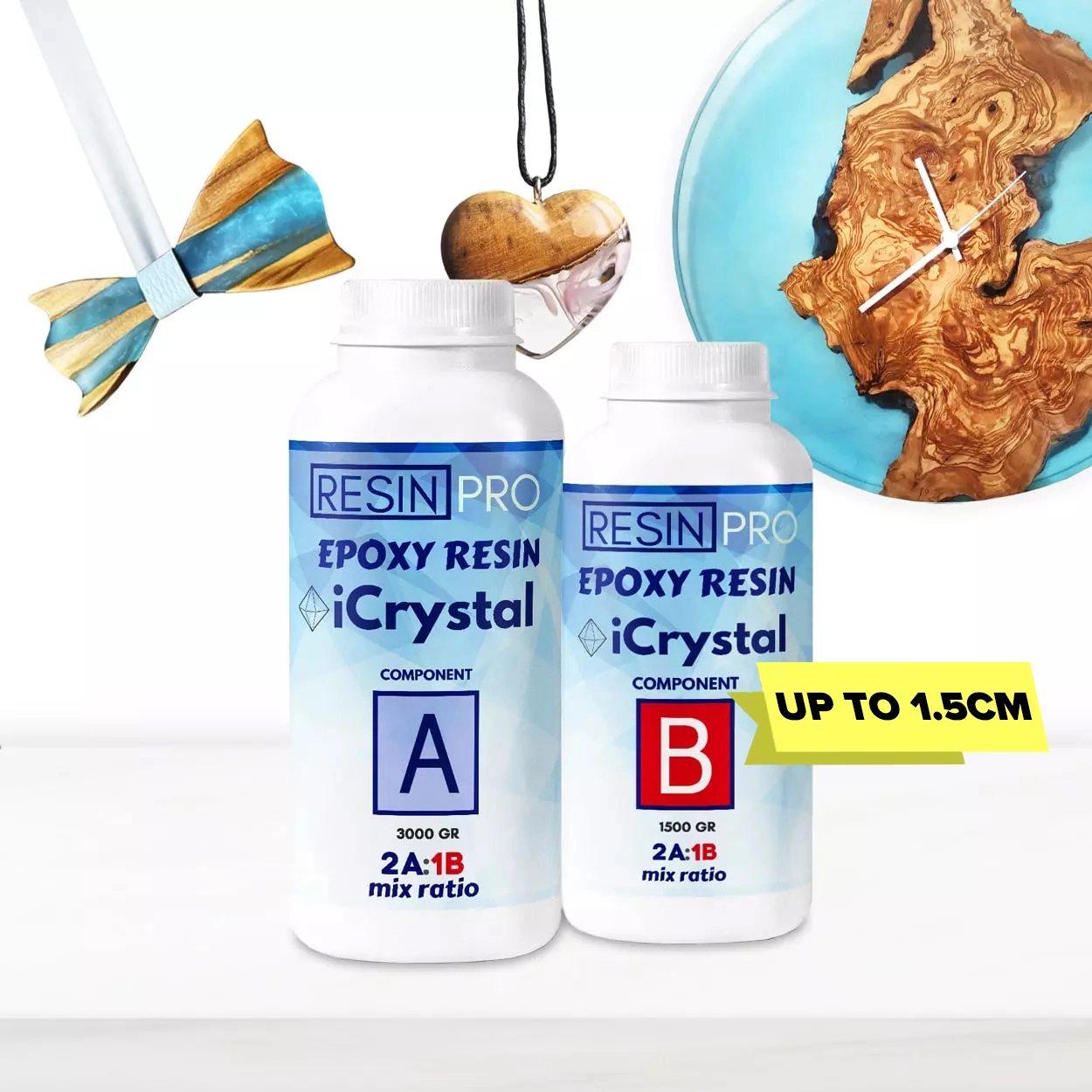 "Icrystal" – Clear Epoxy Resin – Odourless Formula – Up to 1.5cmPrice range: £12.45 through £341.45"Icrystal" epoxy resin is odourless and clear, designed for transparent, scratch-resistant coatings suitable for detailed creative projects.
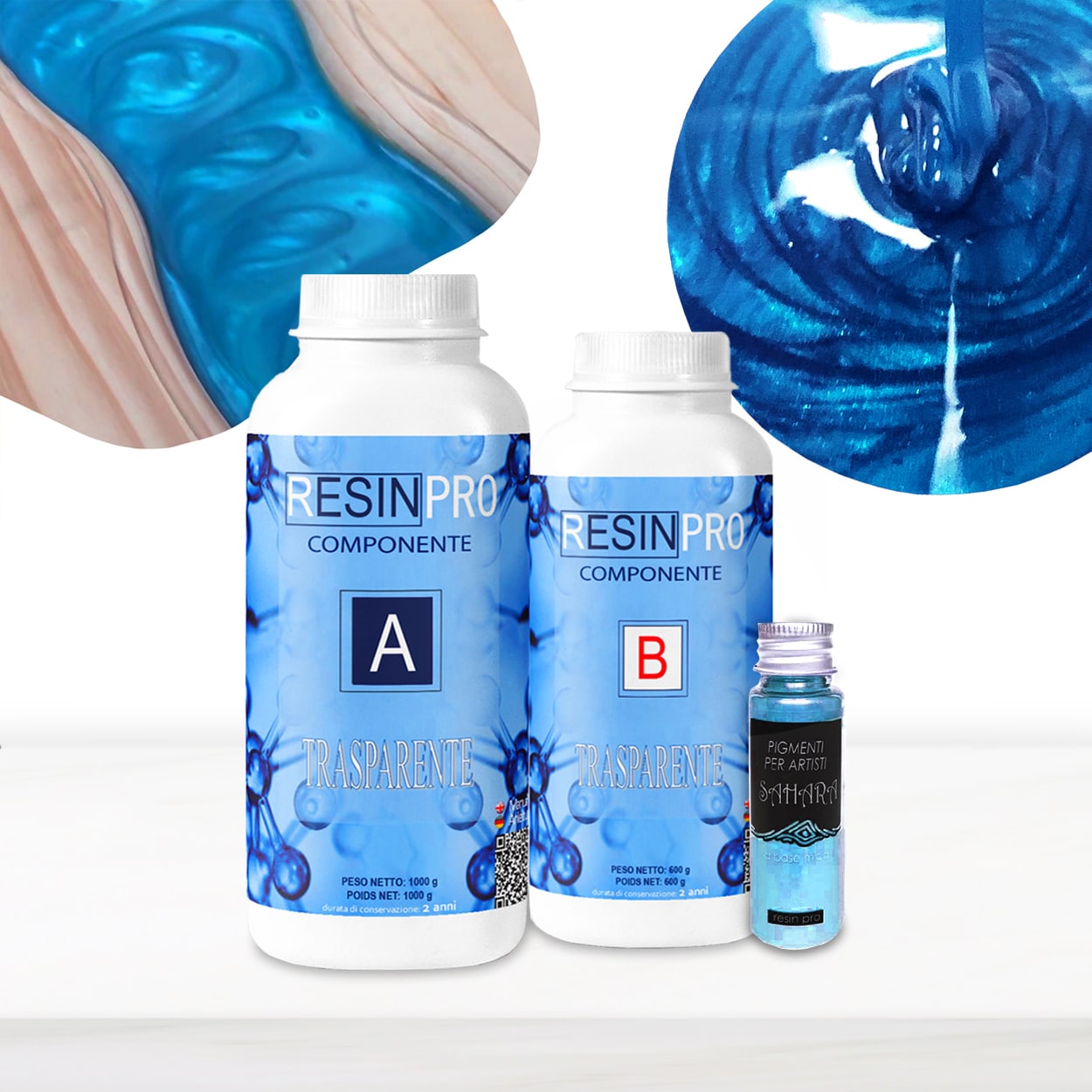 "Trasparente" Epoxy Resin Kit 800g + Mica Powder 10g – 10 Colour Variations£20.95"Trasparente" Epoxy Resin Kit offers a clear, multipurpose resin suitable for castings and table making, designed for practical DIY and artistic…
Frequently Asked Questions
Can I use regular epoxy resin on carbon fibre?
Specialist resins for carbon fibre ensure better impregnation, fewer bubbles, and stronger bonds than general-purpose epoxies.
How many resin layers for carbon fibre?
Usually one thorough impregnation layer is sufficient, but an additional thin finishing coat may enhance gloss and protection.
Why do bubbles appear in carbon fibre resin?
Bubbles form from over-mixing, trapped air, or insufficient wetting of fibres. Slow, careful application and correct resin choice help prevent this.
How long does epoxy resin take to cure on carbon fibre?
Full curing typically takes 12–24 hours at room temperature, but always refer to product instructions for exact times.
Can I add colour to my carbon fibre resin coating?
Add pigments or mica powders during mixing for unique finishes, but always ensure even dispersion and compatible materials.
What makes a resin suitable for carbon fibre?
Resins with high wetting properties, bubble resistance, and strong mechanical bonds are ideal for carbon fibre impregnation.
Should I use a heat gun on carbon fibre resin?
A heat gun can remove surface bubbles if used carefully, but overheating may damage the resin or fabric—use short, gentle bursts.