 Free shipping on orders over £29,85
  Shipping Tracking!


 Google
 Facebook
What removes resin?
Solutions for removing epoxy resin, paint and adhesives safely


If you work with epoxy resin, chances are you will need to clean up spills, remove cured resin, or tidy up tools and surfaces. This guide is for anyone searching for reliable and effective ways to remove all types of resin—whether you are a DIY enthusiast, professional tradesperson, or artist. Here you will find a comparison of top products dedicated to resin removal and cleaning, so you can tackle every clean-up challenge with confidence.
Comparing Resin Removers: Methods and Key Differences
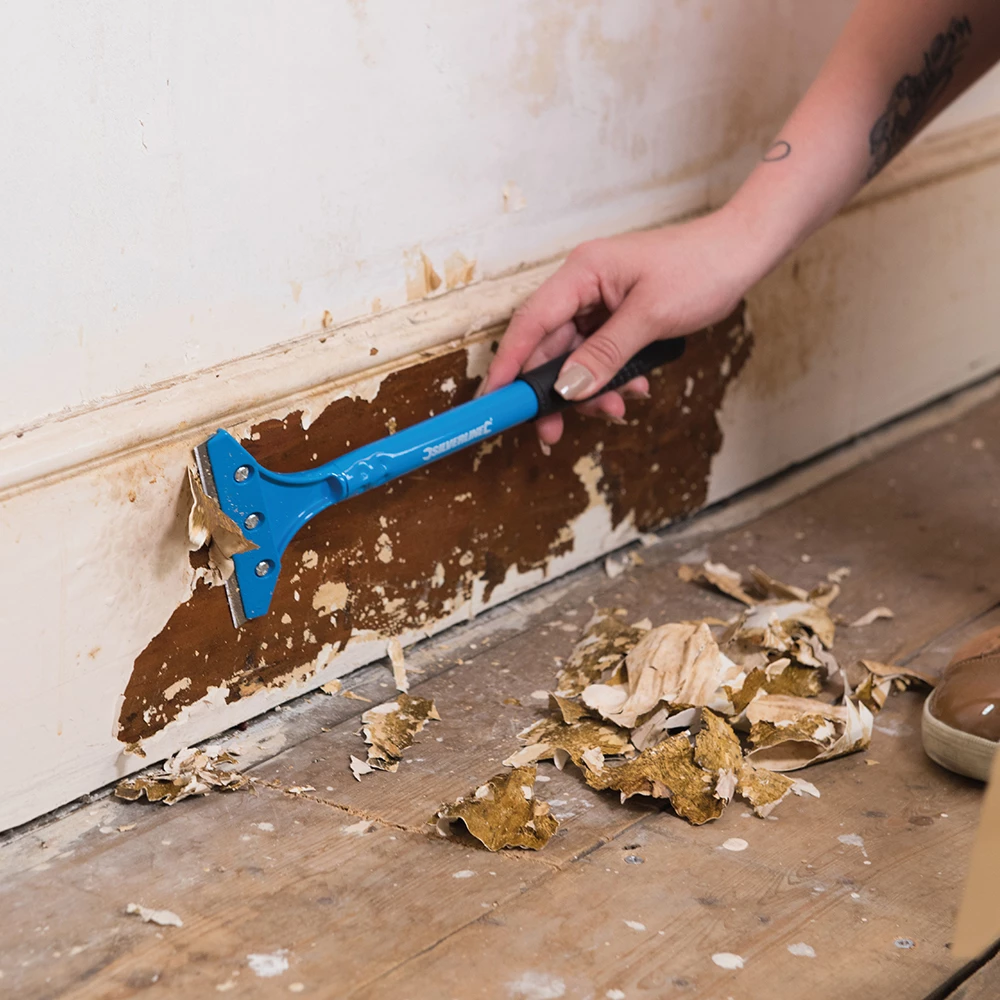
Resin can be a stubborn material to remove, especially once it has cured. The optimal removal method depends on the resin type (uncured or hardened), the surface involved, and whether you need a physical or chemical approach. Chemical removers like Pure Isopropyl Alcohol 99.9% – 1000ml Bottle for Epoxy Resin Projects & DIY and Strong Technical Degreaser for Resin Projects – 100% Natural Formula effectively dissolve and lift liquid or slightly tacky resins. For hardened resin, mechanical options such as the Heavy Duty Scraper for Paint and Epoxy Resin Removal or Scraper for Paint & Dry Resin Removal – 10 Double-Sided Blades are the most practical solutions.
Choosing the right product ensures efficient clean up without damaging your surfaces. Consider safety, the surface type (delicate or robust), and whether you need a chemical or physical remover to get the best results.
Visual Guide to Resin Removal Methods
See resin removal in action: chemical cleaning and mechanical scraping each offer distinct advantages for different surfaces. Watch how these products tackle everything from fresh spills to stubborn cured resin, helping you find the perfect approach for your resin project clean-up.
Pure Isopropyl Alcohol 99.9% – For Efficient Resin and Tool Cleaning
Pure Isopropyl Alcohol 99.9% – 1000ml Bottle for Epoxy Resin Projects & DIY is a staple in every resin workspace. High Purity: 99.9% pure, leaving no residues. This makes it perfect for cleaning up uncured resin spills, wiping excess from tools and surfaces, and even eliminating air bubbles on curing resin projects. Bubble Removal: It evaporates rapidly and leaves surfaces clean for subsequent pours or finishes. Additionally, it’s versatile enough for electronics cleaning and preparing silicone moulds, making it an essential for both artists and makers.
Strong Technical Degreaser – Natural, Gentle, and Versatile
If you want a plant-based and hypoallergenic cleaner that’s effective against tough residues, Strong Technical Degreaser for Resin Projects – 100% Natural Formula is an excellent choice. 100% Natural and Safe & Gentle: Its solvent-free plant extracts are dermatologically tested—safe even for sensitive skin and frequent use. It excels in removing cured resin, silicones, grease, adhesive residues, and more from stainless steel, ceramics, and laminated surfaces, making it a go-to cleaner for multi-surface projects.
Heavy Duty Scraper – Mechanical Removal of Cured Resin
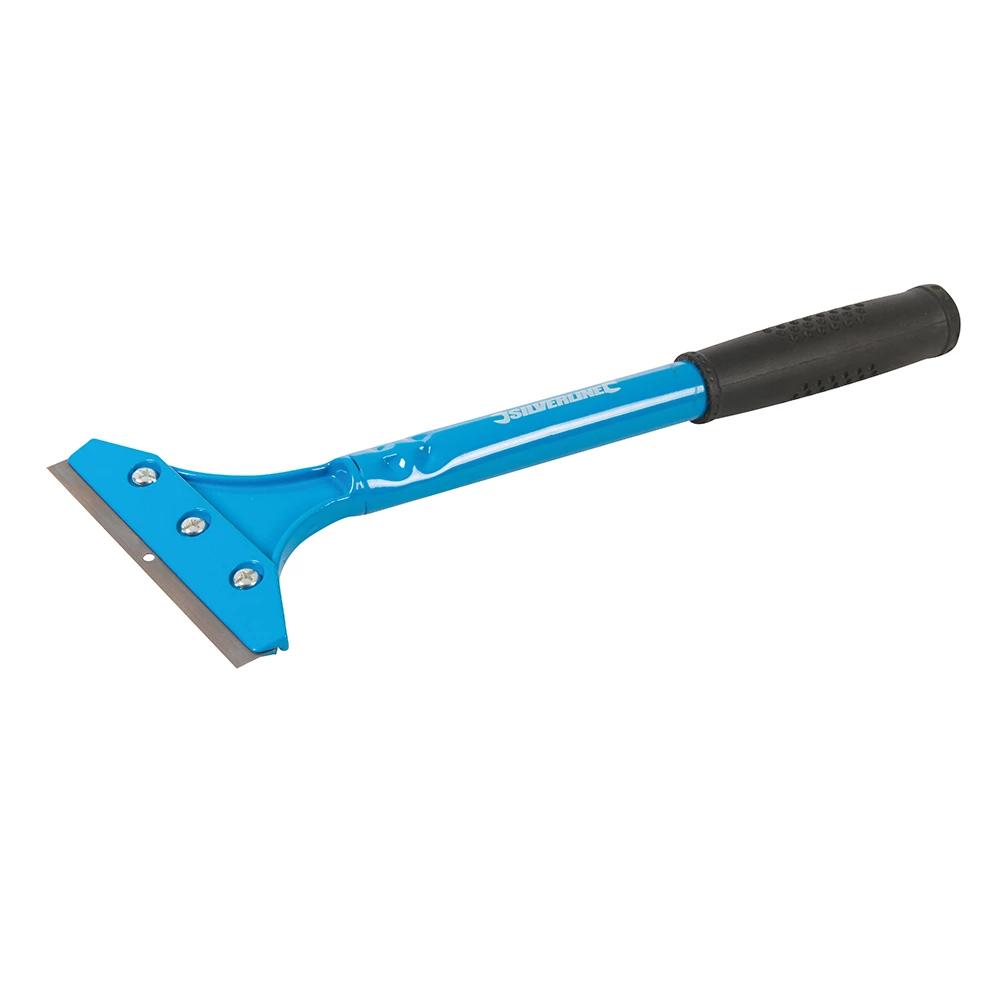
The Heavy Duty Scraper for Paint and Epoxy Resin Removal is engineered for those stubborn spots of hardened resin or paint. Lightweight Design and Razor-sharp Blade features ensure accurate, safe, and comfortable scraping—even over large areas. Suitable for walls, tiles, or flooring clean-ups, it is trusted by tradespeople and seasoned DIYers alike. Its steel shaft and ergonomic design offer full control through every swipe.
Scraper for Paint & Dry Resin Removal – Smooth Surface Precision
Scraper for Paint & Dry Resin Removal – 10 Double-Sided Blades is tailored for removing dry resin or paint from smooth, delicate surfaces such as glass or tiles. Tool-Free Blade Change enables quick swaps, while the secure safety handle and included double-sided blades ensure you can tackle lengthy or repetitive jobs efficiently. This tool is well-suited to both professionals and home improvement enthusiasts looking for neat results without chemical contact.
Choosing the Right Resin Removal Method for Your Project
When planning your resin project clean-up, start by identifying whether the resin is fresh or has cured. For spills or residues that are still tacky, chemical options like Pure Isopropyl Alcohol 99.9% or Strong Technical Degreaser provide safe and effective results. For hard, set resin or when working on robust surfaces, rely on scrapers for precise mechanical removal. Always test on a small hidden area first—especially with delicate materials—and remember to follow safety instructions for both chemical and mechanical solutions.
Tips for Safer, More Effective Resin Clean-up
Always wear protective gloves and ensure proper ventilation when working with chemical removers. Use scrapers gently to avoid damaging sensitive surfaces. Select a product based on whether your resin is uncured or hardened for the best results every time.
- Pure Isopropyl Alcohol 99.9% – 1000ml Bottle for Epoxy Resin Projects & DIYPrice range: £10.45 through £20.95Pure Isopropyl Alcohol 99.9% removes bubbles and supports resin surface cleaning for epoxy resin projects and DIY.
- Strong Technical Degreaser for Resin Projects – 100% Natural FormulaOriginal price was: £10.95.£9.45Current price is: £9.45.A natural degreaser suitable for cleaning epoxy resin projects and multiple surfaces, gentle on skin.
- Heavy Duty Scraper for Paint and Epoxy Resin Removal£8.95The Heavy Duty Scraper is designed for effective removal of paint and resin, offering a lightweight and precise tool for various renovation tasks.
 Scraper for Paint & Dry Resin Removal – 10 Double-Sided Blades£4.95The Scraper is designed for effective paint and dry resin removal from smooth surfaces, suitable for professionals and DIY users.
Frequently Asked Questions
What is the difference between chemical and mechanical resin removal?
Chemical removal uses solvents like isopropyl alcohol or degreasers to dissolve resin, while mechanical removal relies on scrapers for physically lifting cured resin.
How can I safely remove resin from delicate surfaces?
Use gentle products, test on a discreet area, and opt for non-abrasive methods such as plant-based degreasers or soft-edged scrapers.
Is isopropyl alcohol safe to use on all surfaces for resin removal?
It is suitable for most hard, non-porous surfaces but should not be used near heat or open flame due to flammability.
When should I use a scraper instead of a chemical remover?
Scrapers are best for removing fully cured or hardened resin, especially when chemicals cannot dissolve the material.
Are there safety precautions to follow when removing resin?
Wear gloves, ventilate the area, and follow product instructions to prevent skin irritation, inhalation, or damage to surfaces.
How do I dispose of resin and clean-up waste?
Collect resin residues and contaminated materials separately and follow local hazardous waste disposal guidelines.