 Free shipping on orders over £29,85
  Shipping Tracking!


 Google
 Facebook
How to restore a damaged resin boat?
Step-by-step guide to successful resin boat repairs

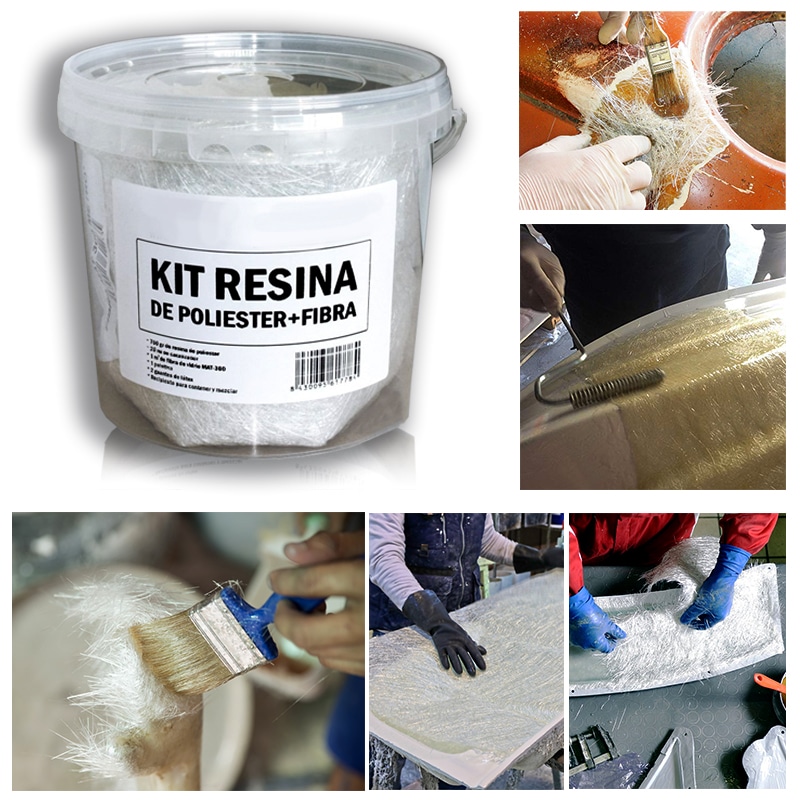
Restoring a resin boat is a practical way to extend its lifespan, enhance safety on the water, and maintain its sleek appearance. Whether you’ve encountered cracks, holes, or surface wear, this guide walks you through the essential steps of repair, preparation, and finishing, giving your boat the attention it deserves.
What You’ll Need
- Resin Fibreglass Repair Kit – Complete Polyester Resin and Hardener Set: A comprehensive kit ideal for structural and waterproof repairs.
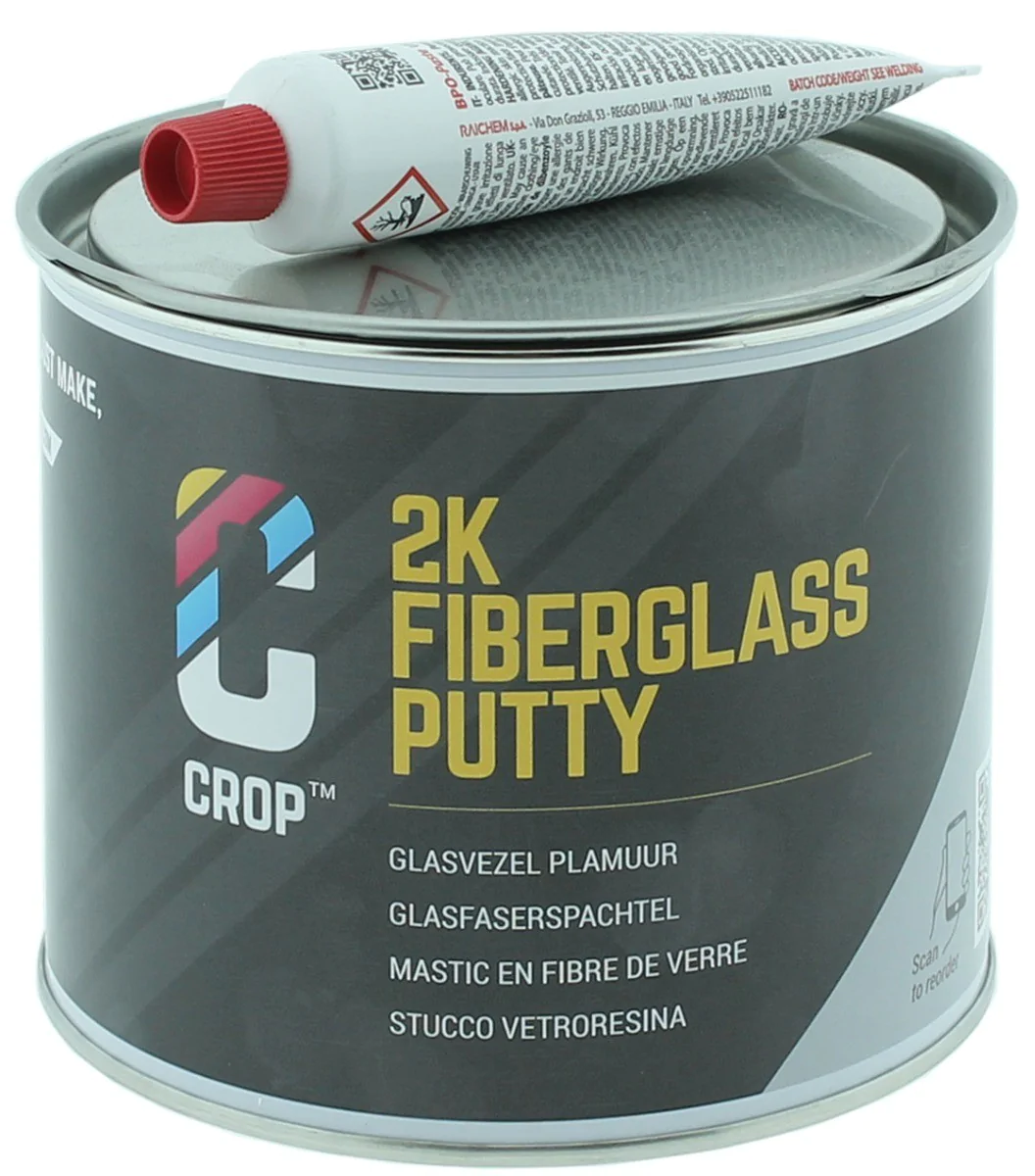
- CROP 2K Fiberglass Putty – 750 ml + Hardener: Perfect for filling deep cracks, dents, or restoring cavity damage.
- “Carbon Resin” – Epoxy Resin for Carbon Fiber & Fiberglass Coating: Ensures structural integrity and a gloss finish for fibreglass reinforcement.
- “Trasparente” – Multipurpose Clear Epoxy Resin for Casting – Up to 2cm: Ideal for creating ultra-clear, protective finishing layers.
- Protective gloves, sanding paper (various grits), cleaning cloths, acetone, mixing containers, and brushes
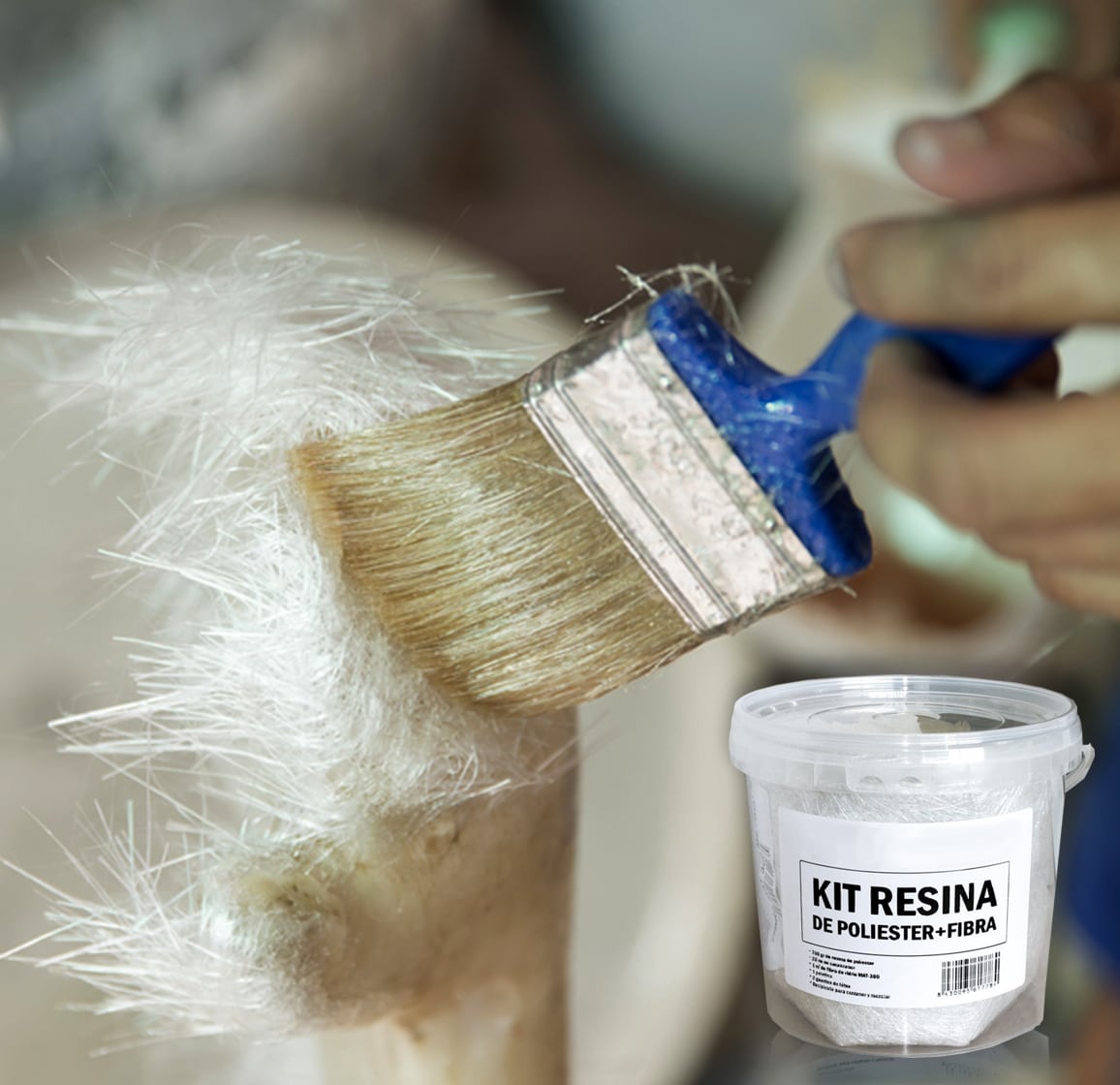
Resin Boat Repair in Action
See the transformation: Skilled hands restore and reinforce a fibreglass hull, with clean surface prep, careful patching, and a gleaming final coat. The right materials and patient work result in a durable, water-ready boat finish.
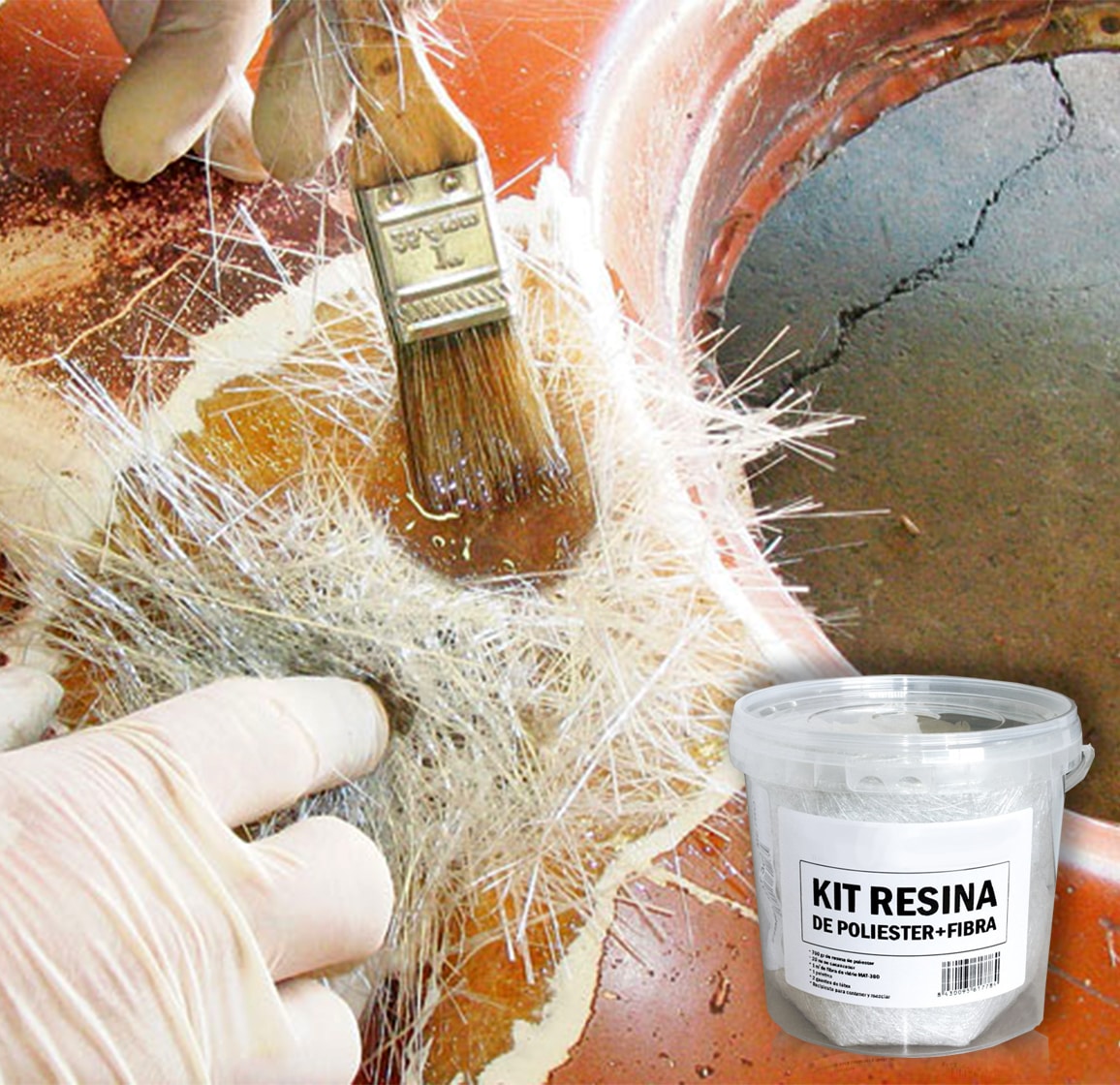
Step 1: Assess and Prepare the Damaged Area
Start by thoroughly inspecting the entire boat to locate all areas requiring attention. Look for cracks, delamination, holes, or surface abrasions. Mark the affected zones to ensure no spot is overlooked during repair. Use clean water to remove dirt and loose debris, then allow the surface to dry completely.
Once clean, sand the damaged areas using medium-grit sandpaper to roughen the surface—this will help new resin bond properly. Remove sanding dust with a cloth dampened in acetone and allow it to evaporate before moving on.
Step 2: Fill Cracks and Deeper Damage
For cracks, dents, or cavities, apply a suitable putty or filler. Deep or structural damage should be handled before any surface layers are rebuilt. Mix and apply CROP 2K Fiberglass Putty – 750 ml + Hardener as directed, pressing it firmly into cracks and shaping it to recreate the original contours. Allow the putty to cure as per the manufacturer’s instructions.
Once cured, sand smooth so that it’s flush with the surrounding surface, ready for reinforcing layers.
Step 3: Reinforce with Fibreglass and Resin
To restore strength, especially where structural integrity is compromised, apply a fibreglass patch with resin. Cut the fibreglass mat included in the Resin Fibreglass Repair Kit – Complete Polyester Resin and Hardener Set to cover the damaged area generously. Mix the supplied resin and hardener according to the instructions, ensuring thorough blending.
Layer the fibreglass mat onto the prepped area and saturate thoroughly with the resin, using a brush to remove any trapped air bubbles. Repeat with additional layers for extra strength in high-stress zones. Allow to cure as recommended, keeping the area dust-free during this time.
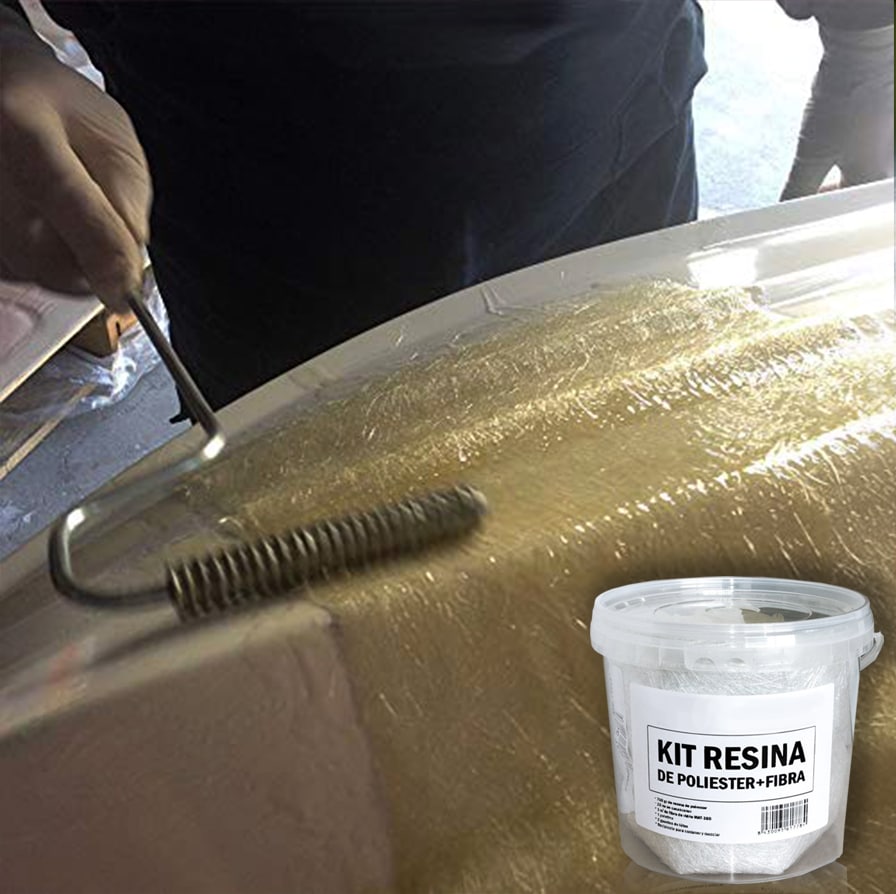
Step 4: Sand Smooth and Prepare for Finishing
After full curing, sand the repaired area again—start with medium grit, finishing with fine sandpaper for a sleek, even surface. Ensure all edges are feathered to blend seamlessly with the existing hull.
Wipe away dust and residues with a clean, damp cloth, letting it dry before progressing to the finishing step.
Step 5: Apply Protective and Cosmetic Resin Coats
To seal and beautify the repair, brush or pour a clear coat of resin over the area. For fibreglass and carbon fibre finishes, “Carbon Resin” – Epoxy Resin for Carbon Fiber & Fiberglass Coating delivers high impact resistance and a glossy finish, ideal for visible or load-bearing surfaces.
If you require a highly transparent, self-levelling layer for shallow areas or decorative elements, use “Trasparente” – Multipurpose Clear Epoxy Resin for Casting – Up to 2cm. Allow each coat to cure properly, avoiding moisture, dust, or disturbance during this time. Assess the finish, and if needed, sand lightly and recoat for the perfect result.
Tips and Common Mistakes to Avoid
Always work in a well-ventilated area for safety. Wear gloves and protective eyewear when handling resins and solvents. Don’t rush the curing process—patience leads to the best finish. If a layer is sticky or soft, allow more time to harden before proceeding.
Ensure each layer is fully sanded before applying the next. Skipping this step can cause poor adhesion, leading to delamination later. Choose the right resin product for your repair type. Using the wrong formula can compromise strength or clarity.
Finishing Touches and Inspection
Final inspection: Examine the boat in daylight to spot imperfections. A smooth, even surface may need a final gentle polish. Your boat will look professionally repaired and ready for water adventures.
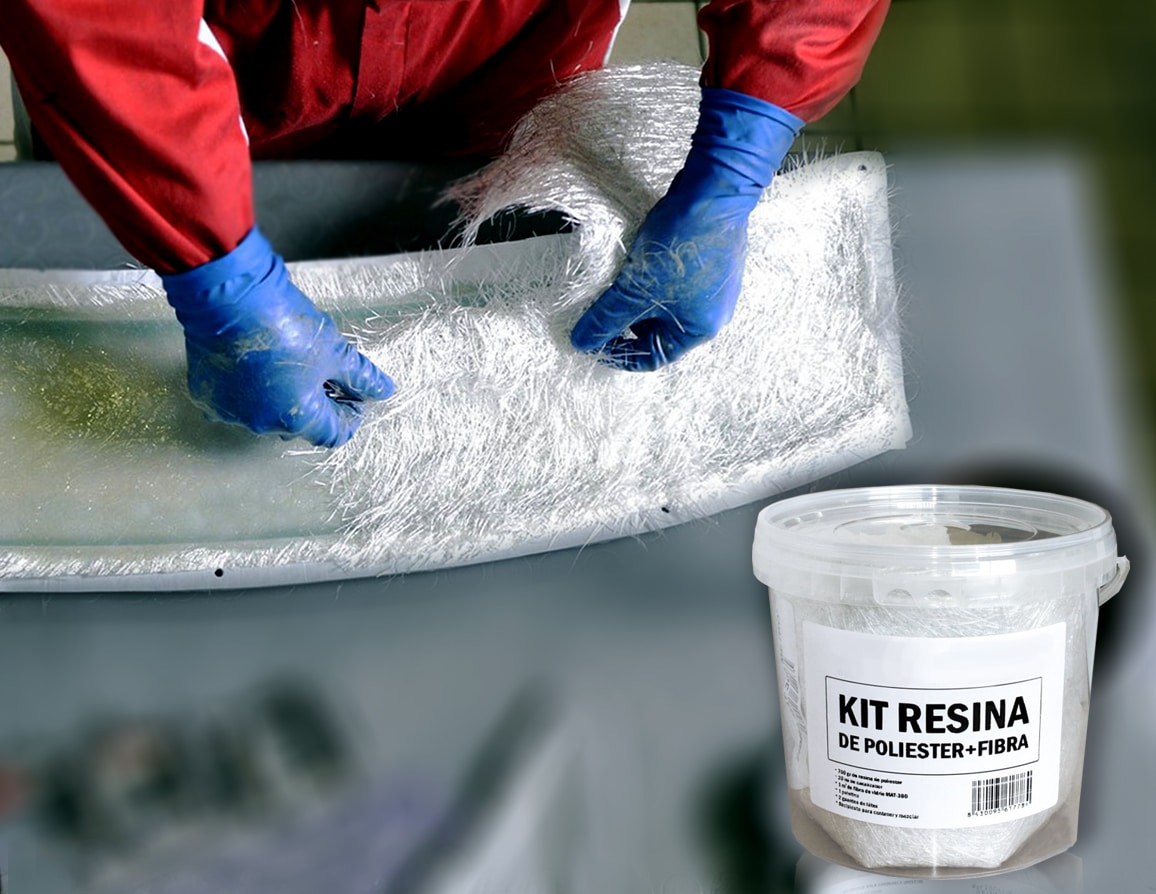
- Resin Fibreglass Repair Kit – Complete Polyester Resin and Hardener SetThe Resin Fibreglass Repair Kit is designed for structural repairs and waterproof bonding, suitable for boats and rigid materials.
- CROP 2K Fiberglass Putty – 750 ml + Hardener£15.85CROP 2K Fiberglass Putty is designed for effective repair of cracks, dents and deep cavities, suitable for restoring damaged resin boats.
 "Carbon Resin" – Epoxy Resin for Carbon Fiber & Fiberglass CoatingPrice range: £19.95 through £37.95"Carbon Resin" is an epoxy resin designed for carbon fibre and fibreglass with a focus on impregnation quality and durability, suitable for…
 "Trasparente" – Multipurpose Clear Epoxy Resin for Casting – Up to 2cmPrice range: £8.95 through £397.95Clear epoxy resin for detailed casting and restoration projects with a self-levelling, glossy finish up to 2cm thick.
Frequently Asked Questions
Should I use polyester or epoxy resin for a damaged boat?
Epoxy is preferred for structural strength and waterproofing, while polyester is common for repairs with fibreglass mats.
How long does resin take to cure during boat restoration?
Full cure times vary; most repair resins need at least 24–48 hours. Check the product instructions for optimal results.
Is DIY boat hull repair possible at home?
Yes, with the right products and careful step-by-step work, most owners can restore resin boat hulls successfully.
Is it necessary to prime or paint after repairing a resin boat?
Priming and painting are recommended for cosmetic finish and added UV protection, especially above the waterline.
What safety precautions should I follow when repairing resin boats?
Wear gloves, safety glasses, and work in a well-ventilated space to avoid inhaling fumes or contact with skin.
Can fibreglass and resin be repaired at the same time?
Yes, repairs often use both to rebuild structure and create a watertight, long-lasting repair on marine vessels.