 Free shipping on orders over £29,85
  Shipping Tracking!


 Google
 Facebook
← Back to How do you make resin at home?
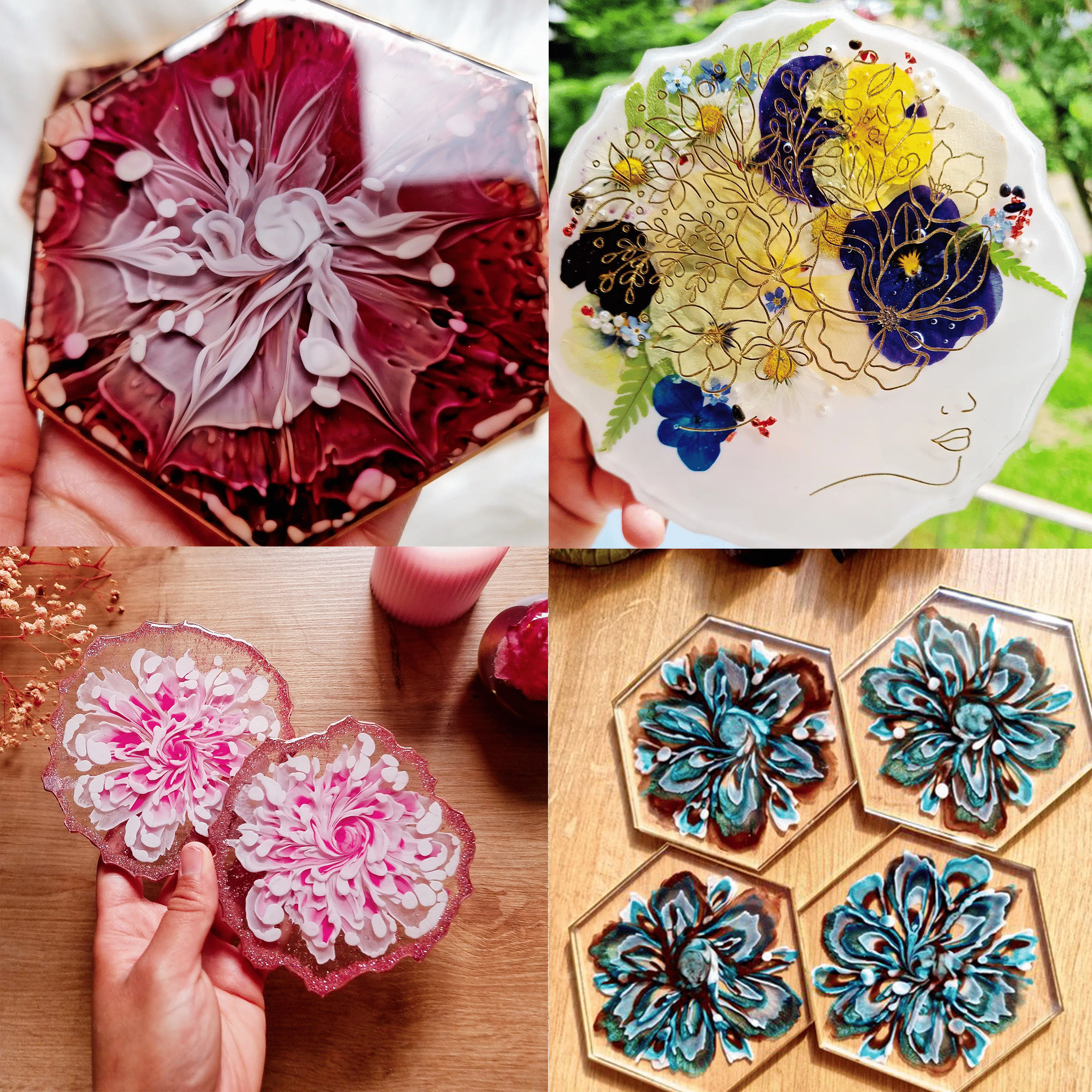
Getting started in resin art or home crafting begins with understanding the types of resin available, the range of compatible colours, and the basic materials you’ll need. This guide introduces the theory behind your main choices, ensuring a confident and creative start to your resin journey.
Types of Resin for Creative Projects
The most common type used for crafting at home is epoxy resin. It is easy to measure, mix, and pour, making it beginner-friendly for projects like coasters, jewellery, and decorative items. Epoxy resin generally cures to a glossy, hard finish and works well with moulds and embedded decorations. Always select a resin specifically designed for your chosen project, as some industrial or casting resins may have different requirements or finishes.
- Epoxy resin: Great for art projects, coasters, and casting small items.
- Alcohol ink-compatible resin: Perfect for abstract effects or petri art using alcohol-based colourants.
Choosing Colours and Additives
Resin art is all about self-expression, achieved through colourants and additives. You can use a variety of pigments including liquid resin colourants, powder pigments, or alcohol inks, depending on your desired effect. Some kits offer a diverse palette for marbling, ocean colours, or metallic details. For unique visual effects, experiment with layering colours, adding glitter, or including tiny decorative elements. Always check compatibility—some colourants are designed specifically for resin use and will blend more evenly.
Essential Materials & Workspace Setup
To begin, you’ll need suitable resin, accurate measuring cups, mixing tools, gloves, and protective masks. Using silicone moulds ensures easy release once your project has cured. Some creative kits, such as the Resin Geode Coaster Starter Kit, provide everything required including colourants, tools, and step-by-step instructions. Prepare a level, dust-free area for pouring and curing your pieces for best results.
When This Matters
If you’re new to resin, understanding the theory behind materials and colours ensures a smoother first experience and more satisfying outcomes. A sound foundation helps you safely create beautiful, unique pieces at home while avoiding common mistakes.
Related products
Related guides
By learning the basics of resin types, colour options, and materials, you set yourself up for enjoyable and rewarding resin art. For further guidance or to explore starter kits and classes, visit our main page on how to make resin at home.