 Free shipping on orders over £29,85
  Shipping Tracking!


 Google
 Facebook
← Back to How to remove epoxy putty?
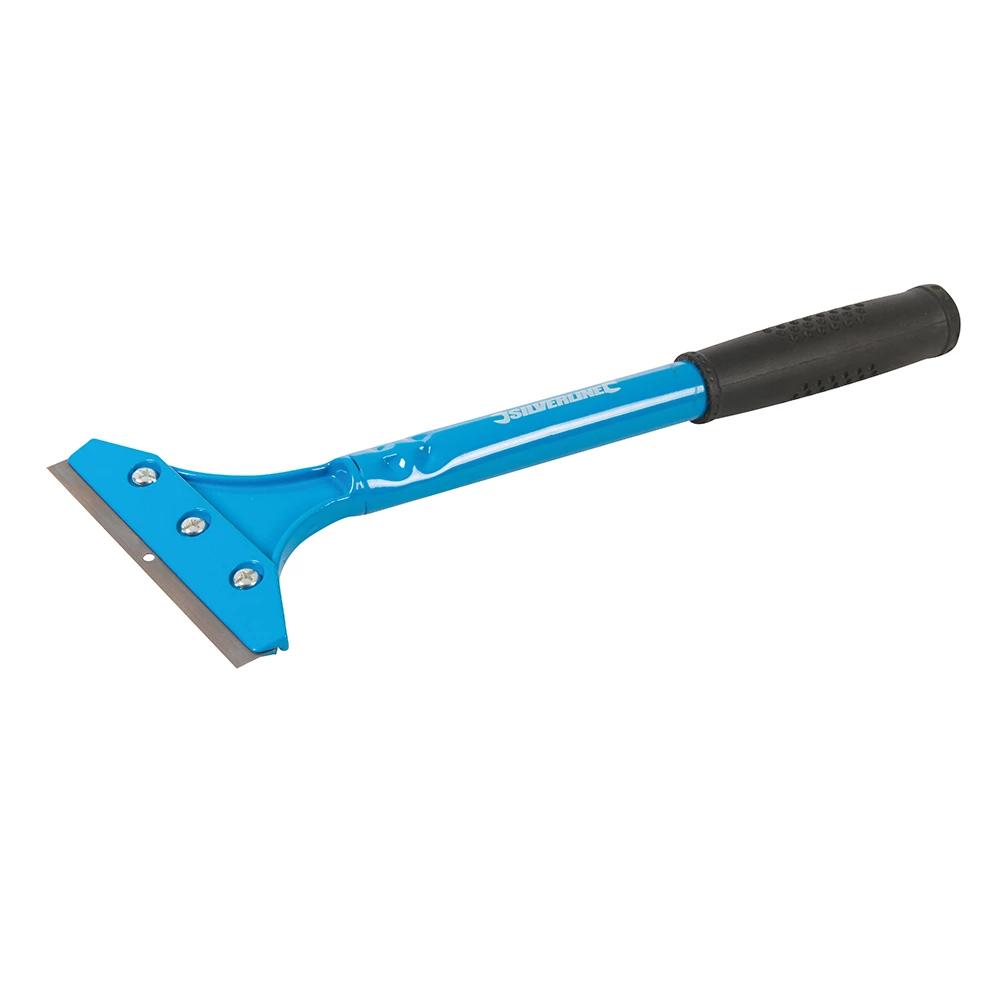
Attempting to remove epoxy putty from sensitive surfaces requires gentle techniques to avoid permanent damage. This short guide outlines practical, low-risk ways to handle cured epoxy from delicate materials.
Approach with Care: Initial Steps
Epoxy putty is tough to remove once cured, especially from delicate surfaces like glass, coated metals, or polished stone. Start by assessing the material—always check manufacturer guidelines for advice before applying any cleaning agent or tool. A simple method involves gentle scraping to gradually loosen the putty, using a plastic blade or a purpose-made scraper. On glass or smooth, robust surfaces, a tool like the Heavy Duty Scraper for Paint and Epoxy Resin Removal can help, but use extreme caution to avoid scratches.
Using Solvents Safely
If traces remain, you may consider a minimal application of solvent. A little isopropyl alcohol dabbed onto a cloth can soften surface residues, but always patch test on an inconspicuous area first. For surfaces sensitive to chemicals or colour changes, avoid aggressive commercial removers. The aim is to reduce epoxy residue without harming the original finish. Patience and repeating the process slowly often yields the safest results.
When This Matters Most
Gentle removal is crucial for antiques, coated glass, painted surfaces, or any finish prone to abrasion. In these cases, avoid metal blades or harsh chemicals entirely. If in doubt, consult the surface or epoxy manufacturer or seek professional restoration services to prevent irreversible damage.
Related products
Related guides
Removing epoxy putty from sensitive surfaces is possible with cautious, stepwise methods. For broader advice and step-by-step instructions, visit our main guide on how to remove epoxy putty.