 Free shipping on orders over £29,85
  Shipping Tracking!


 Google
 Facebook
← Back to How to remove epoxy putty?
Preparing to remove epoxy putty from any surface can get messy fast. By planning ahead and protecting your workspace, you can avoid stains, unwanted marks, and unnecessary cleanup.
Essential Steps to Shield Your Workspace
Start by covering any surfaces near your project with a plastic dust sheet or heavy-duty drop cloth to catch debris and prevent solvent splashes. For edges, sockets, or delicate fixtures, apply painter’s tape or masking tape as a barrier. This precaution minimises the risk of damaging paintwork or leaving residue behind.
Practical Tools for Effective Protection
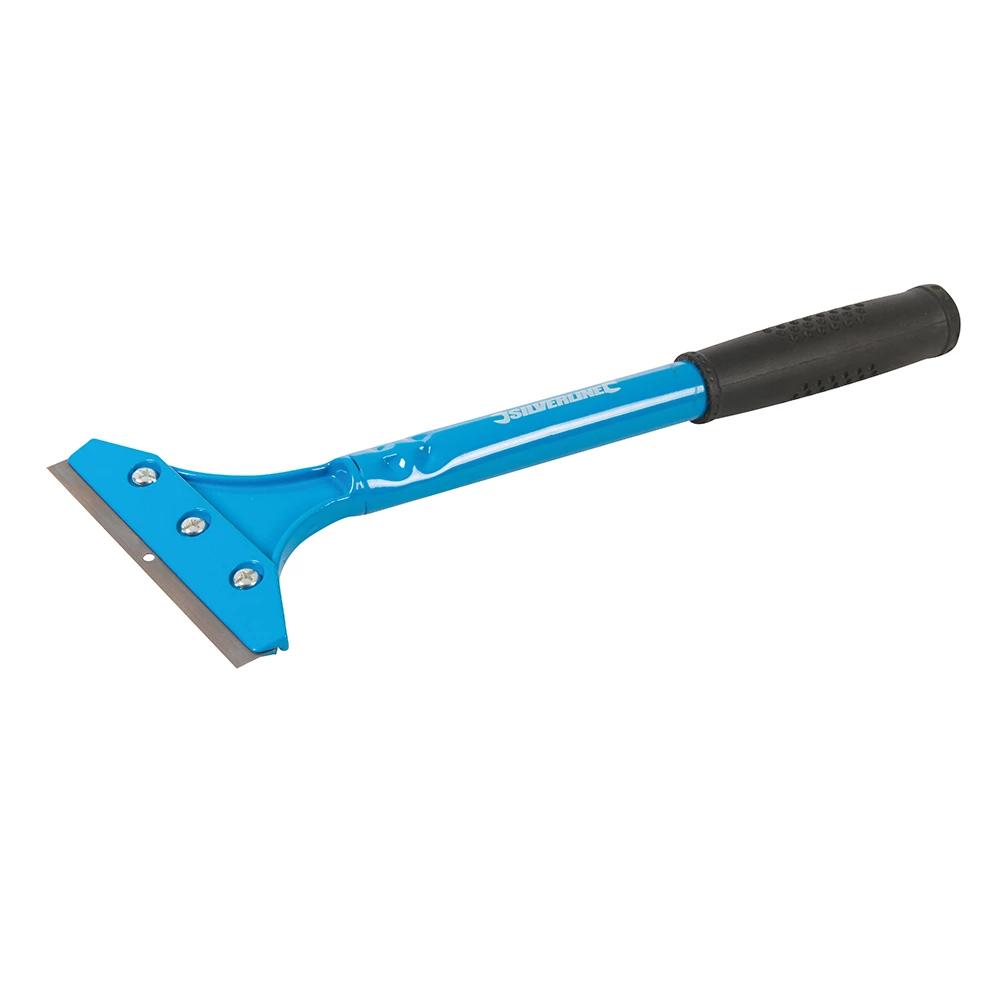
Choose your removal tools with care to further avoid damage. A manual scraper, like the Heavy Duty Scraper for Paint and Epoxy Resin Removal, offers controlled removal while reducing the spread of dust and chips. Keep isopropyl alcohol or a gentle degreaser handy to clean up spills on robust surfaces, but always avoid harsh chemicals near unprotected areas.
When Protection Matters Most
If you’re working in kitchens, bathrooms, or rooms with sensitive materials, workspace protection is especially important. Epoxy putty and its solvents can leave lasting marks, so thorough coverage gives peace of mind throughout the process.
Related products
Related guides
Taking a few minutes to protect your workspace will save time and ensure a smooth clean-up after epoxy putty removal. For further guidance and removal techniques, see our full guide on removing epoxy putty.