 Free shipping on orders over £29,85
  Shipping Tracking!


 Google
 Facebook
How to Protect Cement Tiles from the Sun with Liquid Resins?
Shield cement tiles from UV rays and weathering damage effectively
Preserving the beauty and integrity of cement tiles in outdoor environments requires reliable protection from the harsh effects of sunlight and weather. Using liquid resins is a proven method to guard against colour fading, surface erosion, and structural wear caused by prolonged UV exposure. This guide explains the essential steps to achieve effective, long-lasting protection for cement tiles using specialist liquid resins.
What You’ll Need
- Strong Technical Degreaser for Resin Projects – 100% Natural Formula – For cleaning cement tile surfaces before coating
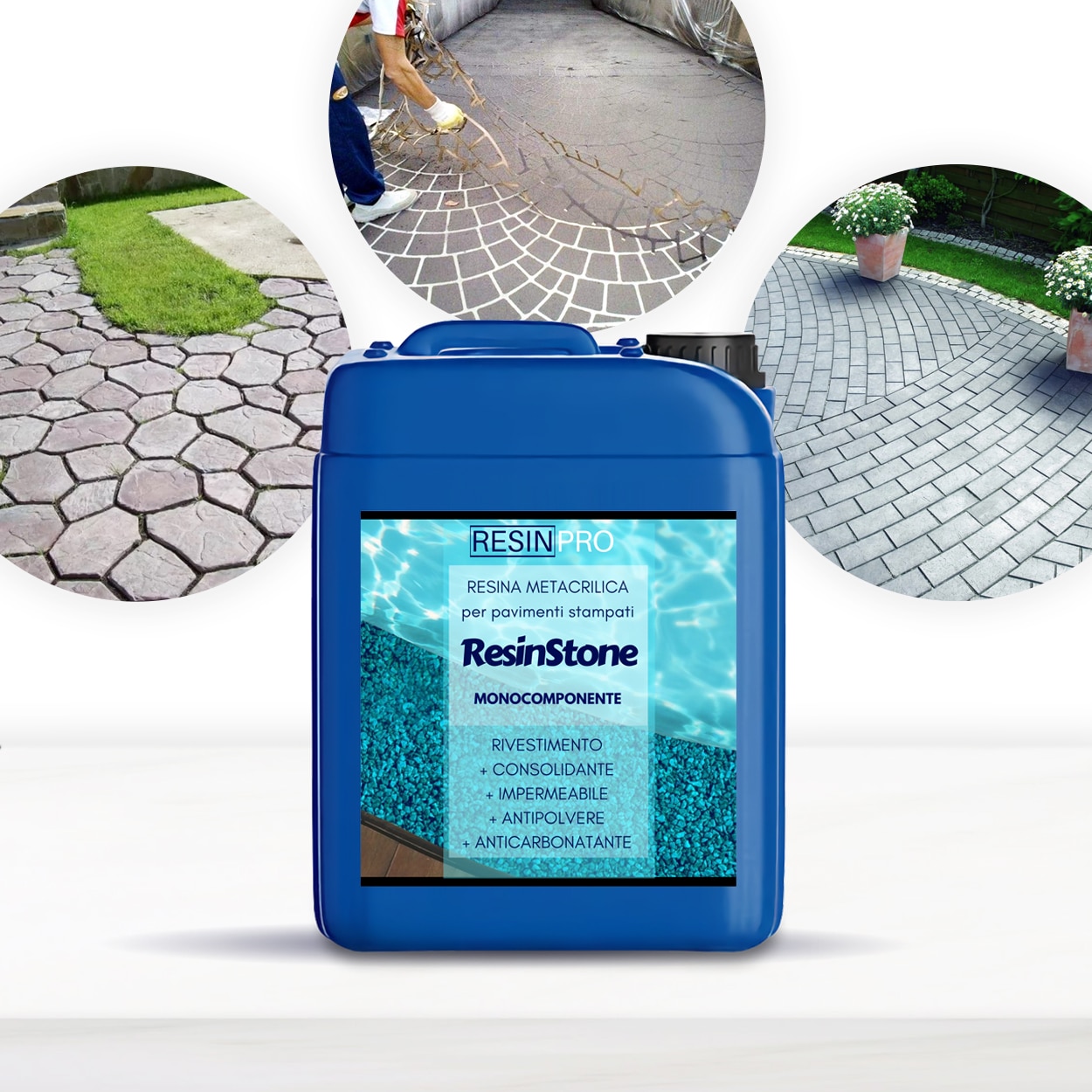
- “Resinstone” – One-Component Methacrylic Resin for Concrete Floors and Driveways – Ideal for stamping floors, driveways, and patios requiring waterproof yet breathable protection
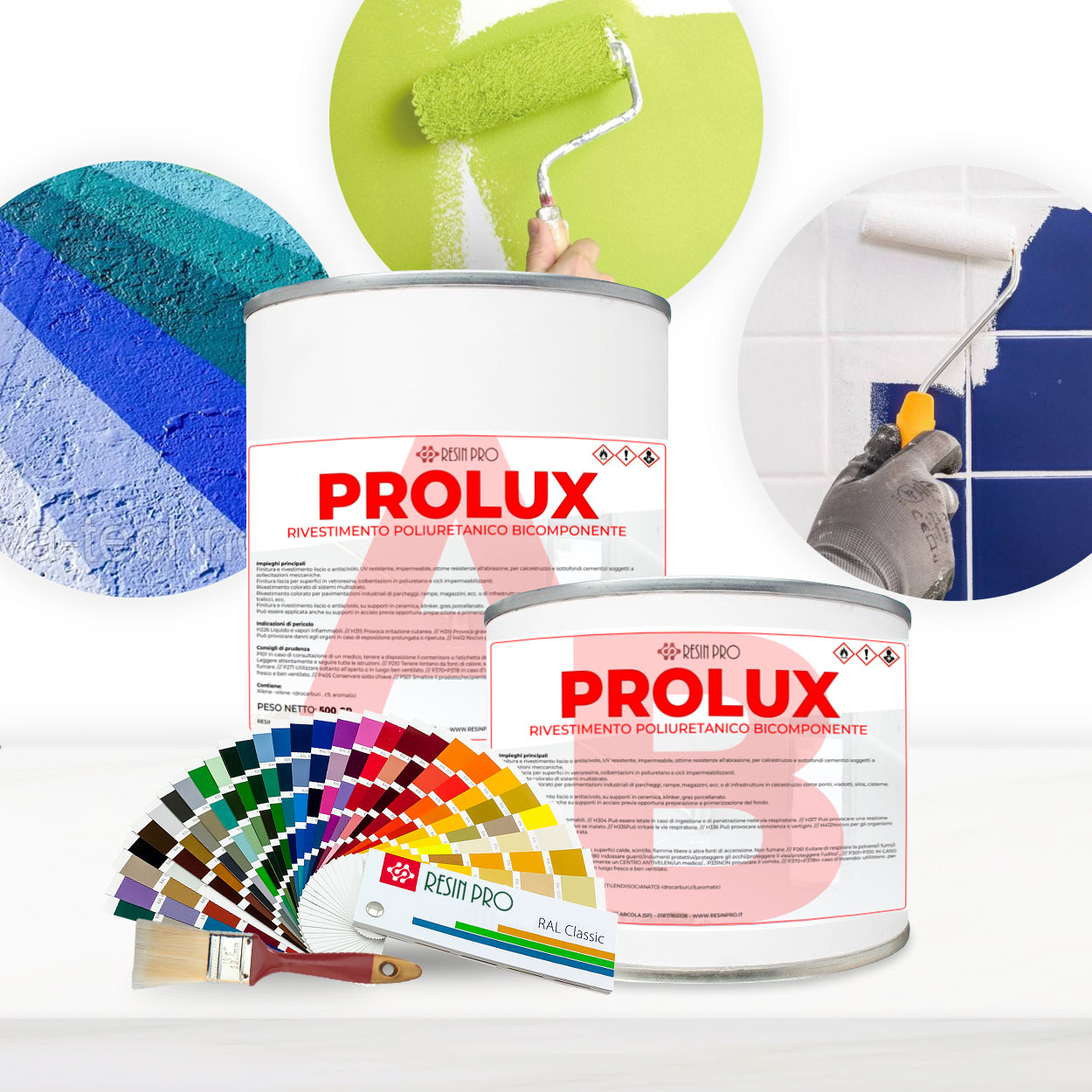
- “Prolux” – PU coating for tiles, concrete, plastic and metal – suitable for driveable surfaces – Perfect for UV and mechanical resistance on high-traffic or driveable cement tiles
- “Trasparente” – Epoxy Binder for Coloured Pebbles and Grits – For decorative finishes or permeable tile areas using coloured grits

Essential Tools for Starting Your Project
Gathering the right materials from the outset ensures a smoother and more professional finish. Cleaners, quality resins and application tools all work together to deliver dependable tile protection in outdoor settings.
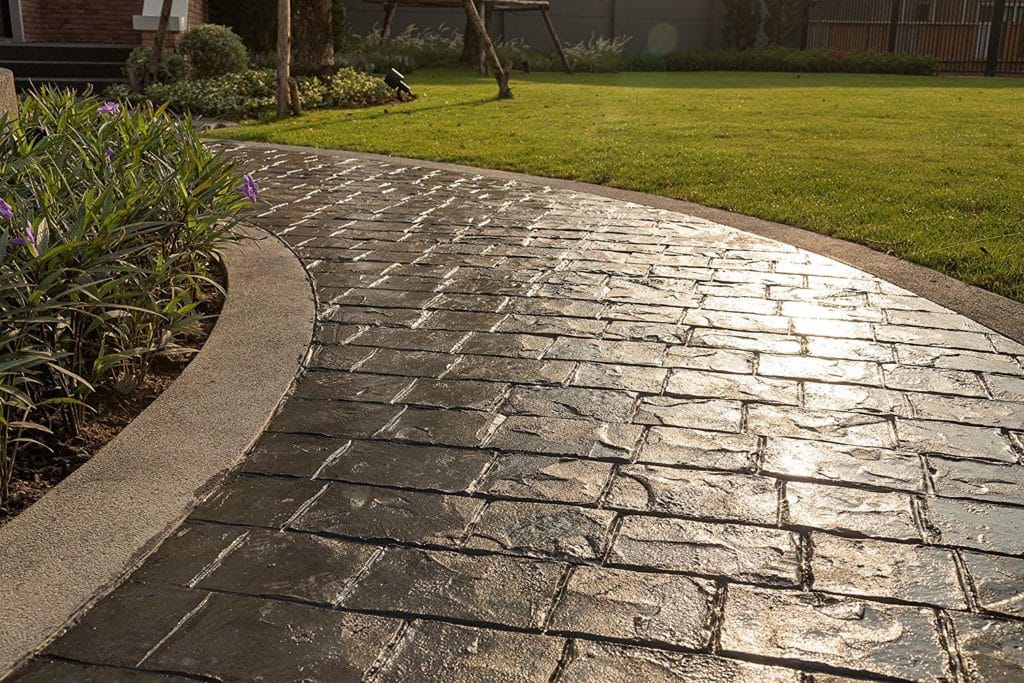
Step 1: Clean Thoroughly Before Resin Application
Start by removing all dirt, dust, and residue from your cement tiles. A clean surface is crucial to ensure that the resin forms a strong bond and delivers even protection. Focus on eliminating any traces of oil, grease, or previous surface treatments.
Using a dedicated degreaser minimises the risk of surface contamination. Strong Technical Degreaser for Resin Projects – 100% Natural Formula is a gentle yet effective choice, capable of tackling grease, silicone, and adhesive residues without damaging the tile or emitting harsh fumes. Allow the surface to dry completely before moving to the next step.
Step 2: Choose the Appropriate Resin for Your Conditions
Select the resin system most suited to your outdoor tile environment and expected levels of exposure. For patios, stamped tiles, or concrete driveways where breathability and deep adhesion matter, a one-component methacrylic resin is ideal. If your area is subject to intense sunlight, high impact, or vehicle traffic, opt for a robust polyurethane (PU) coating that resists UV-induced fading and mechanical wear.
Plan for the required finish—glossy, satin, or decorative—and ensure compatibility with your tile type. Consult the manufacturer’s product details for outdoor suitability and application methods before proceeding.
Step 3: Apply Resin Evenly for Consistent Protection
Mix your chosen resin thoroughly if required, following all instructions for ratios and mixing times. Apply the resin using a roller, brush, or sprayer in thin, uniform coats. Work methodically, section by section, to prevent lap marks and ensure full coverage across every tile. Take care not to overload joints or edges to avoid puddling and uneven texture.
For high-traffic or driveable areas, such as those protected with “Prolux” polyurethane coating, consider a second coat for added thickness. If you desire decorative or permeable effects, “Trasparente” epoxy binder can be blended with coloured grits and applied in a manner that preserves both beauty and UV resistance.
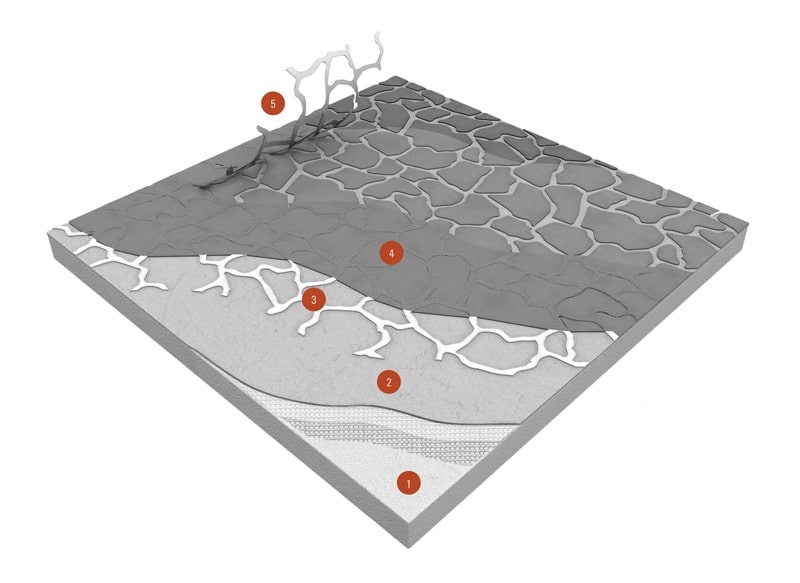
Step 4: Allow for Full Curing Before Use
After applying your final coat, let the resin cure fully as specified by the manufacturer. Avoid walking or placing objects on the tiles during this time, as premature use can cause dents or smudges, compromising both appearance and protection. Temperature and humidity affect drying times, so monitor conditions for best results. Only return surfaces to use once they are fully hardened and the protection is complete.
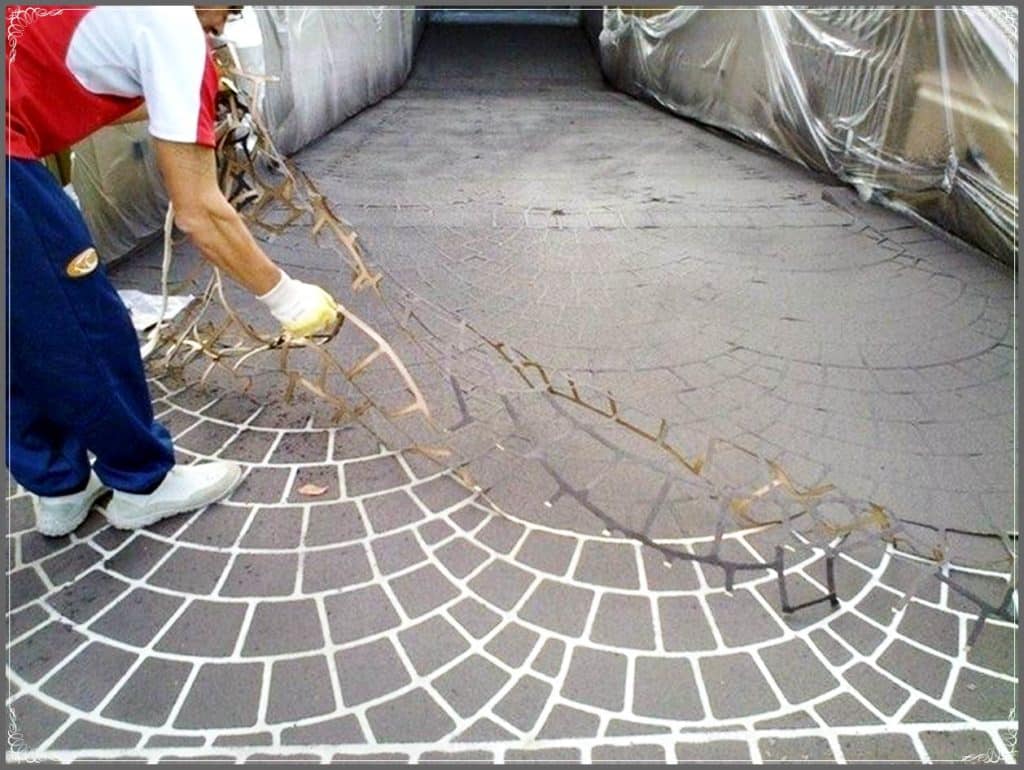
Tips, Common Mistakes, and Troubleshooting
- Clean thoroughly before resin application – Skipping this step weakens adhesion and can lead to peeling.
- Choose the appropriate resin for your conditions – Not all resins are designed for UV or weather resistance. Match your product to your environment.
- Apply resin evenly for consistent protection – Uneven coats may result in patchy weathering or trapped dirt.
- Allow for full curing before use – Early traffic damages the finish and can introduce moisture under the coat.
Common issues include poor surface prep, inadequate product mixing, and rushing the curing process. If bubbles, streaks, or dull patches appear, sand lightly and add an additional thin layer once fully cured. Always wear gloves and eye protection during application, and ventilate the working area if possible.
Achieving Lasting UV Resistance
Prioritise resins specifically formulated for UV stability and outdoor use. These advanced formulations help retain vibrant tile colour and prevent degradation, ensuring your project withstands sun and rain for years to come.
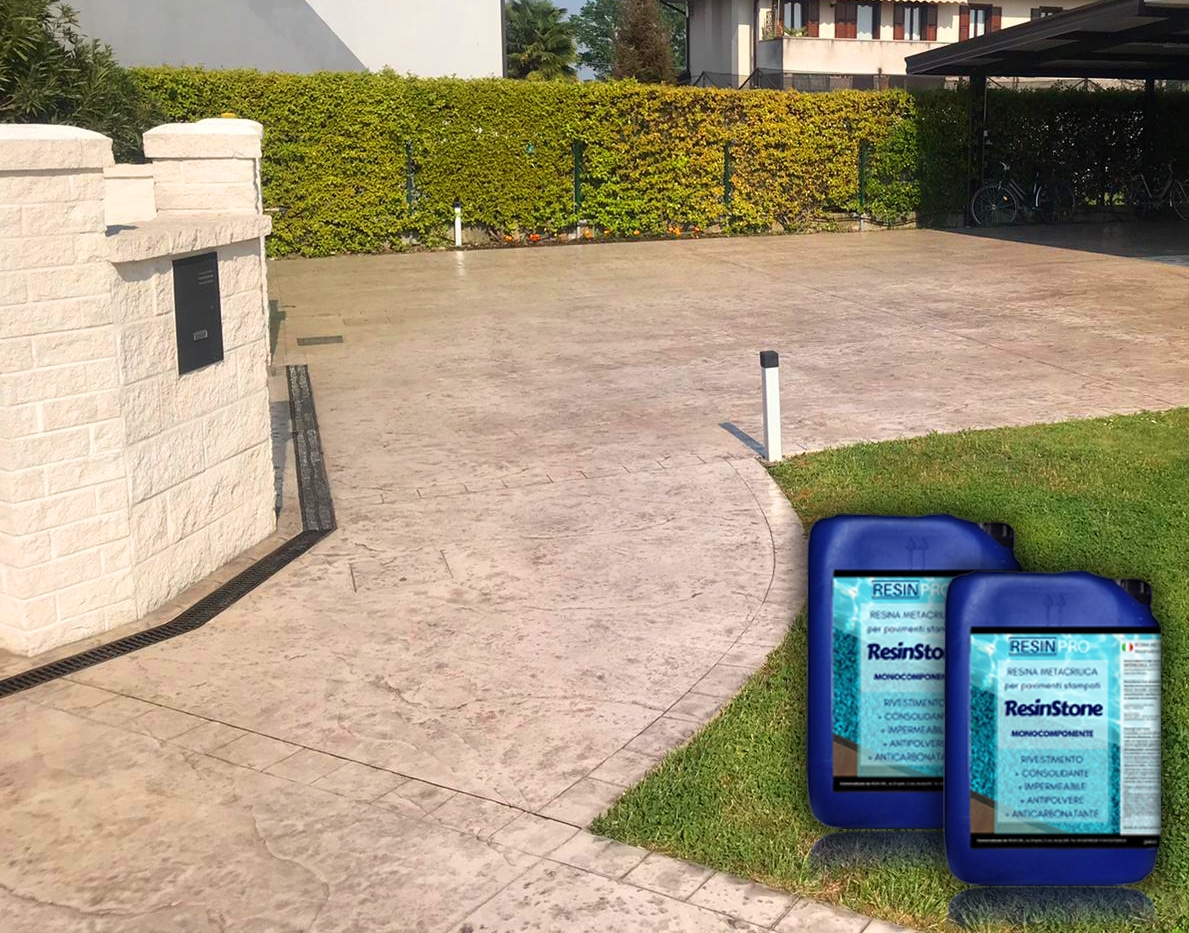
- "Resinstone" – One-Component Methacrylic Resin for Concrete Floors and DrivewaysPrice range: £36.71 through £336.48Resinstone is a one-component methacrylic resin designed for sealing and protecting concrete floors and driveways with durable, breathable protection.
- "Prolux" – PU coating for tiles, concrete, plastic and metal – suitable for driveable surfacesPrice range: £44.85 through £494.85"Prolux" is a polyurethane coating designed for tiles and concrete surfaces, providing durable protection suitable for driveable areas.
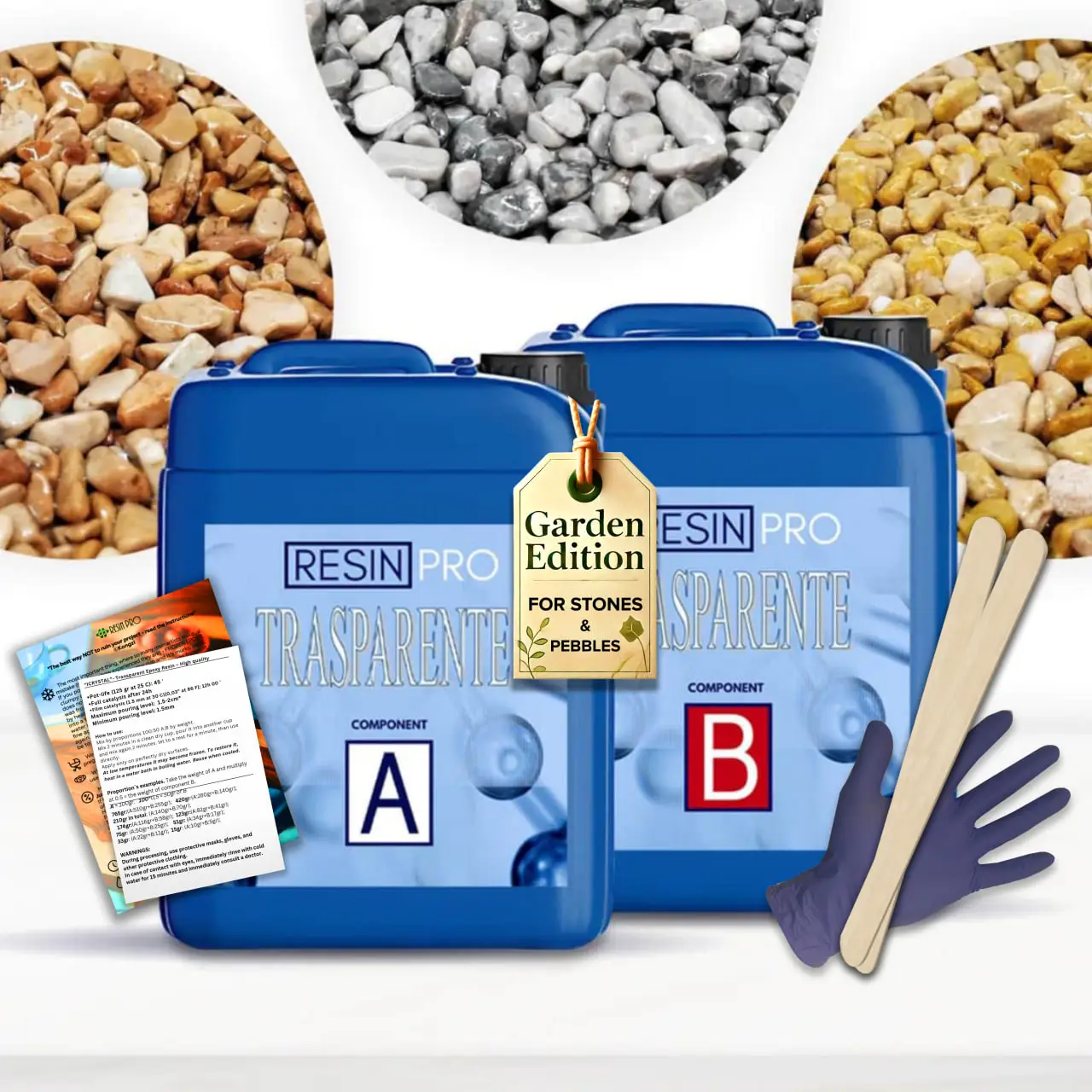 "Trasparente" – Epoxy Binder for Coloured Pebbles and GritsPrice range: £33.45 through £397.95Epoxy binder offering a clear, bubble-free finish with UV stability. Suitable for coloured pebbles in outdoor flooring projects.
 Strong Technical Degreaser for Resin Projects – 100% Natural FormulaOriginal price was: £10.95.£9.45Current price is: £9.45.Strong Technical Degreaser is designed for effective and gentle cleaning in resin projects and multi-surface applications within the theme of…
Frequently Asked Questions
Can I use liquid resin on old cement tiles outdoors?
Yes, provided the tiles are clean, dry, and intact. Proper surface preparation ensures the resin will adhere and protect effectively.
Will resin make my cement tiles slippery in the rain?
Certain resin finishes can be slippery. Opt for matt or anti-slip additives if slip resistance is important for your project.
How often should I reapply resin protection to cement tiles?
Reapplication typically ranges from every 2 to 5 years, depending on UV exposure, traffic and weathering conditions.
Does resin protect against both UV rays and moisture?
Yes, purpose-formulated resins shield against both UV and water, helping prevent colour fading and surface degradation on cement tiles.
What's the best way to clean resin-protected tiles?
Use non-abrasive cleaners and soft tools to avoid scratching. Avoid harsh chemicals that could damage the protective resin coating.
Can any resin be used on outdoor cement tiles?
No, only resins explicitly rated for exterior and UV-resistant use should be selected for long-lasting results outdoors.