 Free shipping on orders over £29,85
  Shipping Tracking!


 Google
 Facebook
← Back to How to remove epoxy carbon fiber?
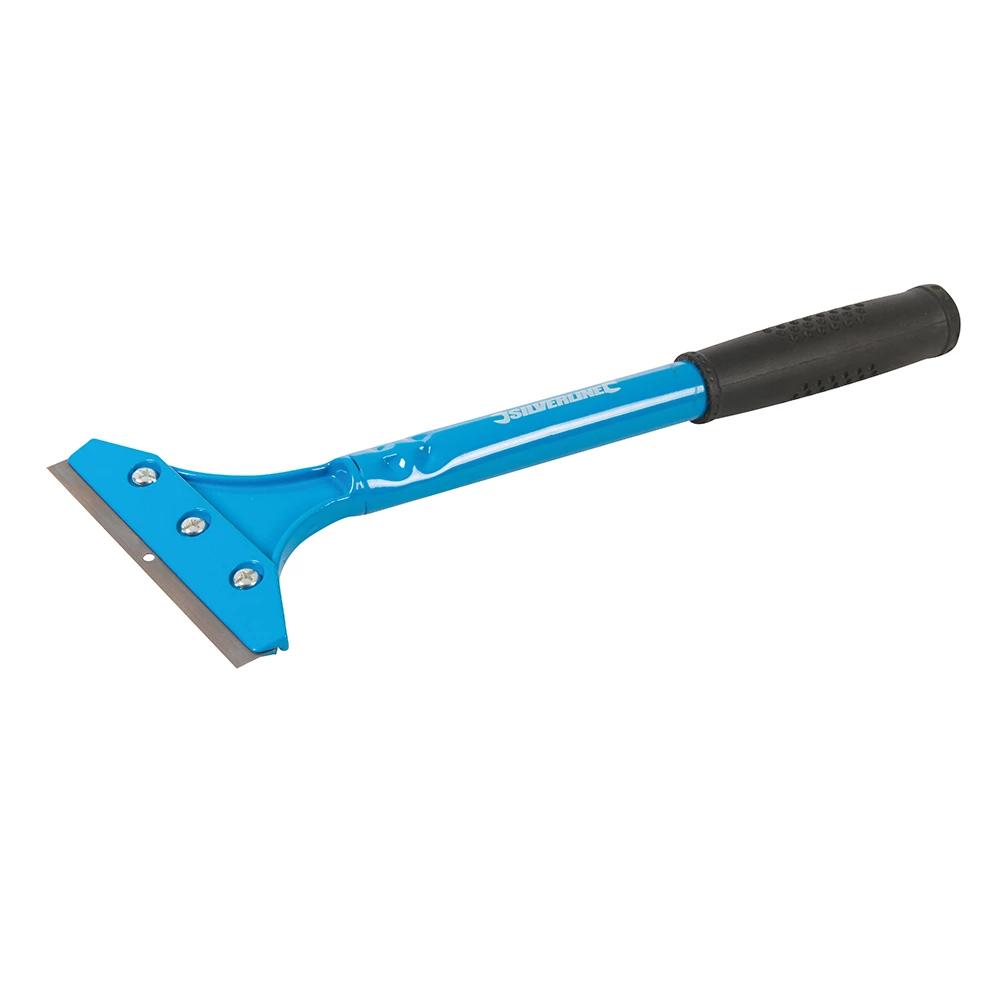
Removing cured epoxy from carbon fibre surfaces can be tricky, as you want to clear the resin without harming the underlying fibres. Is using a scraper a sensible option? Here’s what to know before you begin.
How Scrapers Can Be Used Safely
A sharp scraper, such as the Heavy Duty Scraper for Paint and Epoxy Resin Removal, is suitable for removing cured epoxy from carbon fibre if handled with particular care. Always use a blade that is sharp and free from nicks to minimise the risk of gouging the carbon fibre. Apply gentle, even pressure rather than forceful scraping, and keep your blade at a shallow angle to the surface. This method can be effective for lifting hardened resin, especially at edges or raised areas, but requires patience and attention.
Tips for a Gentle Finish
Where epoxy residue persists after scraping, finishing the area with fine sanding pads—such as the Ebonite Abralon Sanding Pads—helps achieve a smooth result. Begin with the lightest grit necessary to reduce the risk of damaging the carbon weave. After all physical removal, clean the area with a mild degreaser to eliminate dust or residue, ensuring your project is free of grease before any refinishing steps.
When Scraper Choice Matters
Choosing the right tool matters most on visible or structural carbon fibre parts. Use purpose-designed scrapers and take slower, more measured passes. Avoid overly aggressive tools or blunted blades, as these can easily scratch or nick the carbon fibre, risking both aesthetic and structural integrity.
Related products
Related guides
Using a scraper on epoxy carbon fibre is possible with the right technique and tools. For more tips and in-depth removal advice, see our full guide on how to remove epoxy carbon fibre.