 Free shipping on orders over £29,85
  Shipping Tracking!


 Google
 Facebook
← Back to How to remove epoxy carbon fiber?
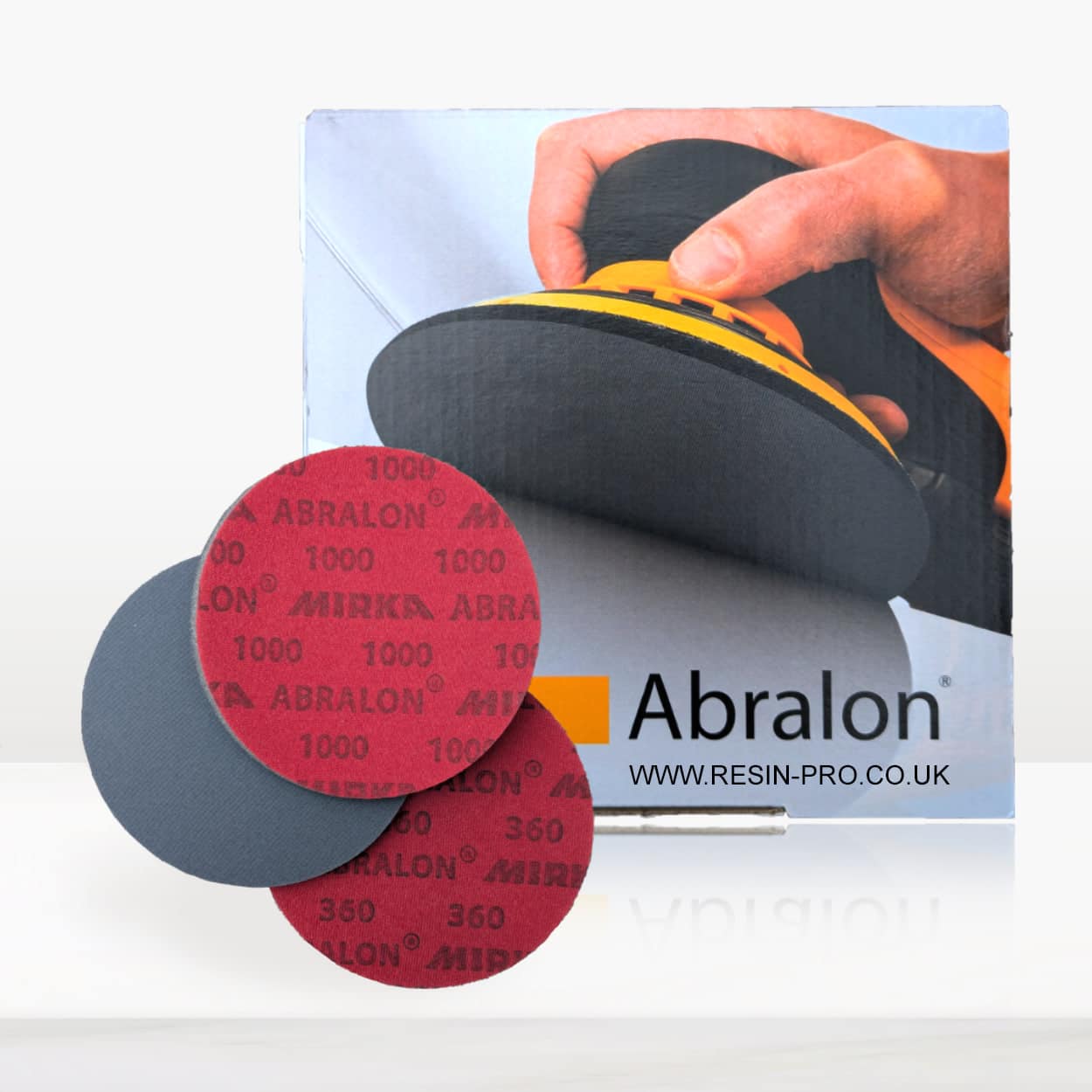
Sanding epoxy from carbon fibre surfaces requires careful pad selection to achieve a flawless finish without damaging fibres underneath. Choosing the best sanding method makes all the difference for both appearance and durability.
Choosing the Right Sanding Pad
For finishing after epoxy removal, opt for a fine grit sanding pad designed specifically for resin-based surfaces. Pads like Ebonite Abralon sanding pads offer a controlled and even abrasion, minimising the risk of scratching or unintentional wear-through on carbon fibre. Available in grades from 360 up to 4000 grit, they enable you to refine the surface in stages, moving from coarser to finer as your finish improves. The foam backing on these pads ensures uniform pressure, which helps preserve the underlying carbon weave structure.
Effective Sanding Technique
To avoid swirl marks and uneven areas, sand lightly and in a circular motion. Begin with a lower grit (around 1000–1500) after epoxy removal, gradually progressing to a finer grit (up to 4000) for a smooth, glossy result. Using water during sanding helps keep the surface cool and removes sanding dust, especially if you’re aiming for a high-gloss polish. Always inspect progress frequently to prevent accidental over-sanding into the carbon fibre layer.
When Fine Sanding Matters
Fine sanding is crucial when preparing carbon fibre panels for display, repairing surface defects, or achieving a professional sheen on structural parts. Detailed finishing keeps the carbon weave crisp and the surface visually sharp, which is essential for automotive, marine, or craft applications.
Related products
Related guides
Choosing the right sanding pad and technique ensures your epoxy carbon fibre projects retain their quality and integrity. For a complete guide to removing epoxy from carbon fibre, explore all the expert tips on our main removal advice page.