 Free shipping on orders over £29,85
  Shipping Tracking!


 Google
 Facebook
How to remove epoxy carbon fiber?
Step-by-step method to strip epoxy from carbon fibre parts
Removing epoxy from carbon fibre components is a delicate process that requires both caution and the right technique. Whether repairing composite parts, restoring a surface, or correcting mistakes in a manufacturing project, it is vital to use a controlled approach to preserve the underlying carbon fibre. This guide will walk you through each step to achieve safe, efficient removal without compromising your material.
What You’ll Need
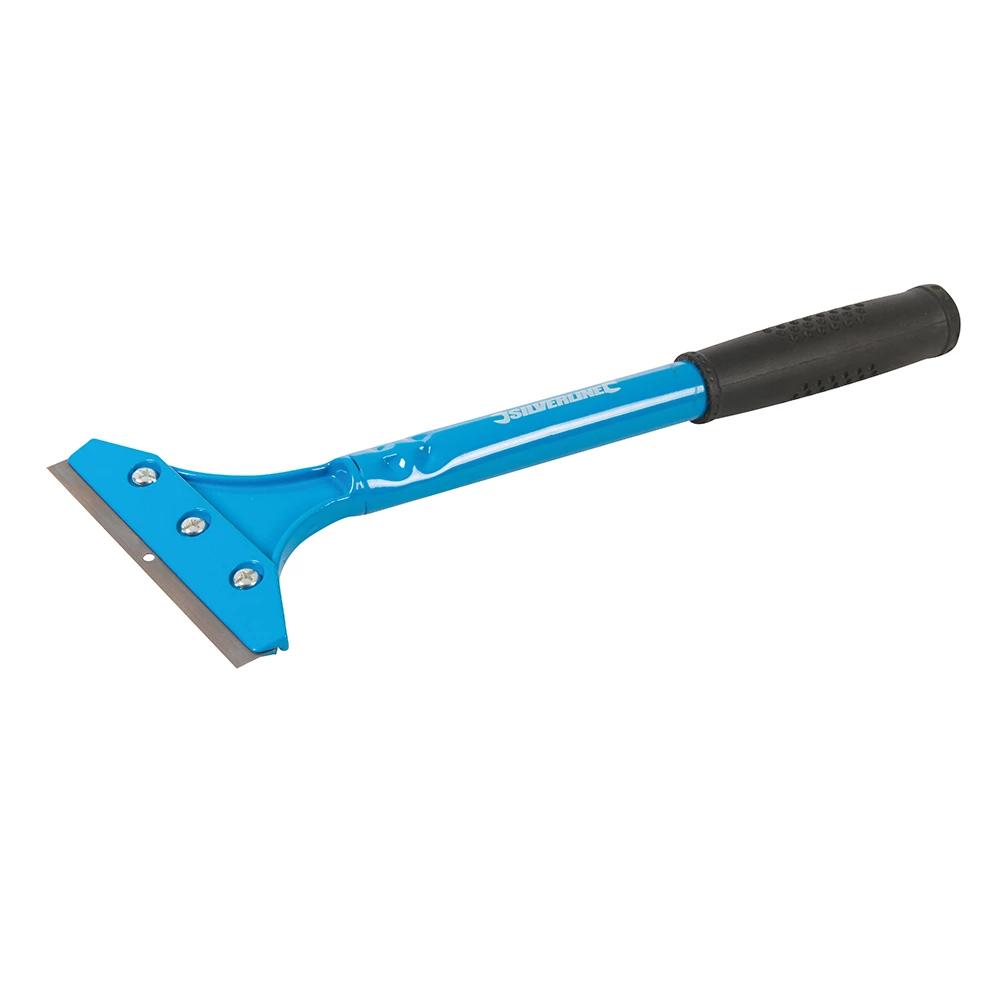
- Heavy Duty Scraper for Paint and Epoxy Resin Removal – For precise manual removal of cured epoxy surface layers.
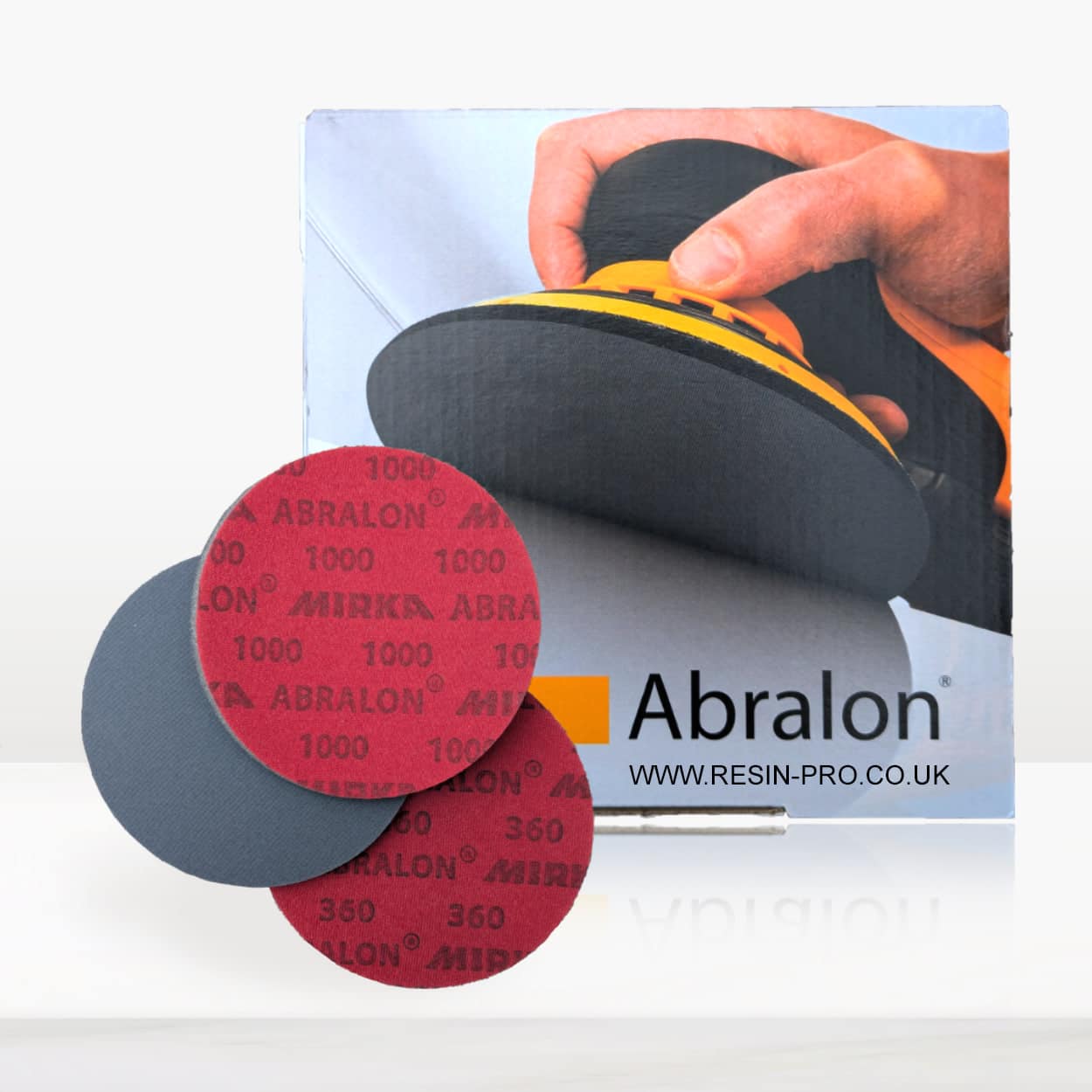
- “Ebonite Abralon” – Sanding Pads 360-4000 Grit for Resin and Wood – For gradual sanding and polishing to achieve a smooth finish.
- Strong Technical Degreaser for Resin Projects – 100% Natural Formula – For cleaning residues and degreasing after epoxy removal.
- Protective gloves, eye protection, dust mask
- Clean microfibre cloths
- Bowl of clean water (if wet sanding)
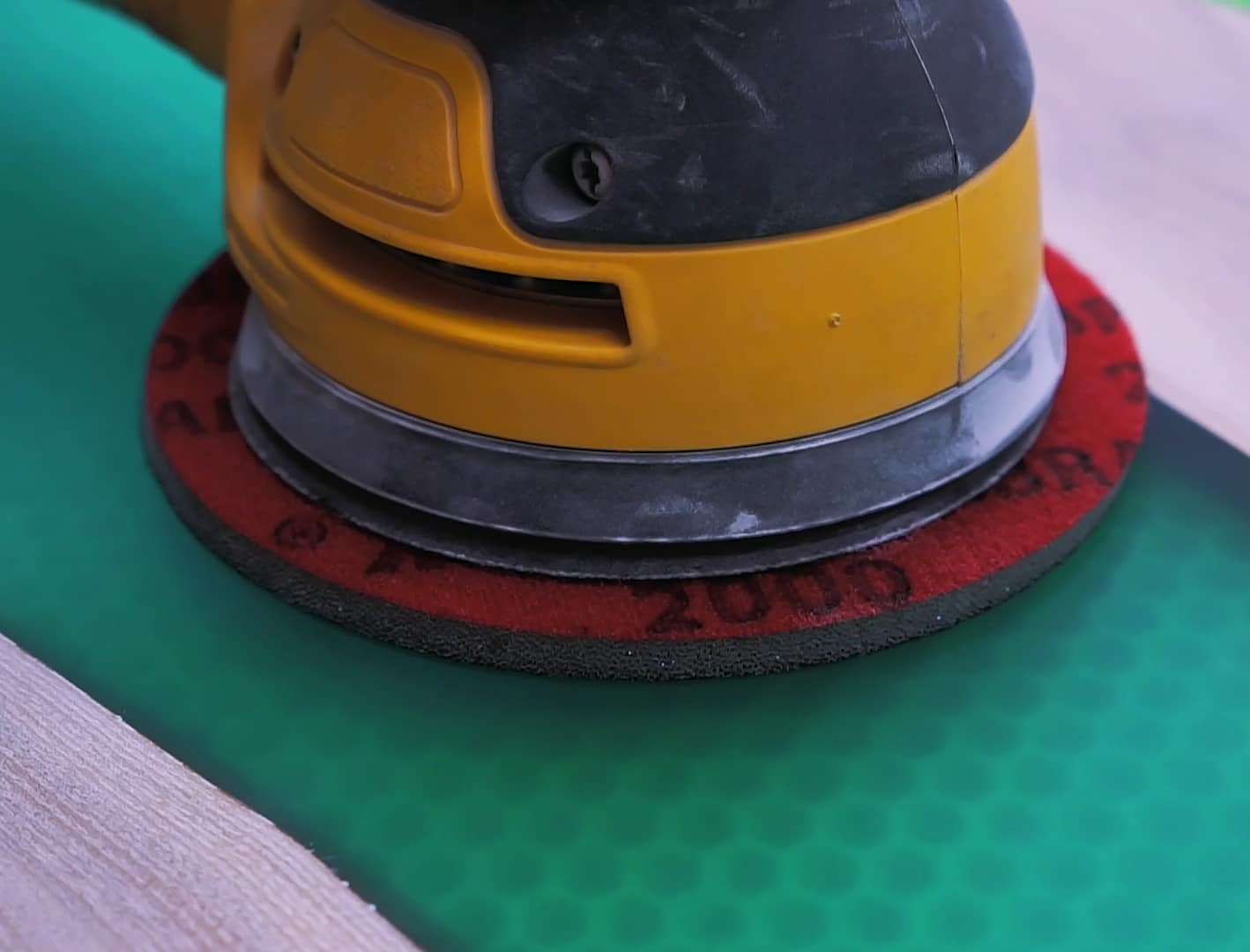
Essential Tools for Safe Epoxy Removal
Choosing the right tools is crucial for successful epoxy removal. Use a precision scraper to remove thick epoxy layers and finishing pads designed for resin and composite materials like carbon fibre. It is wise to prepare protective gear beforehand to ensure your safety.
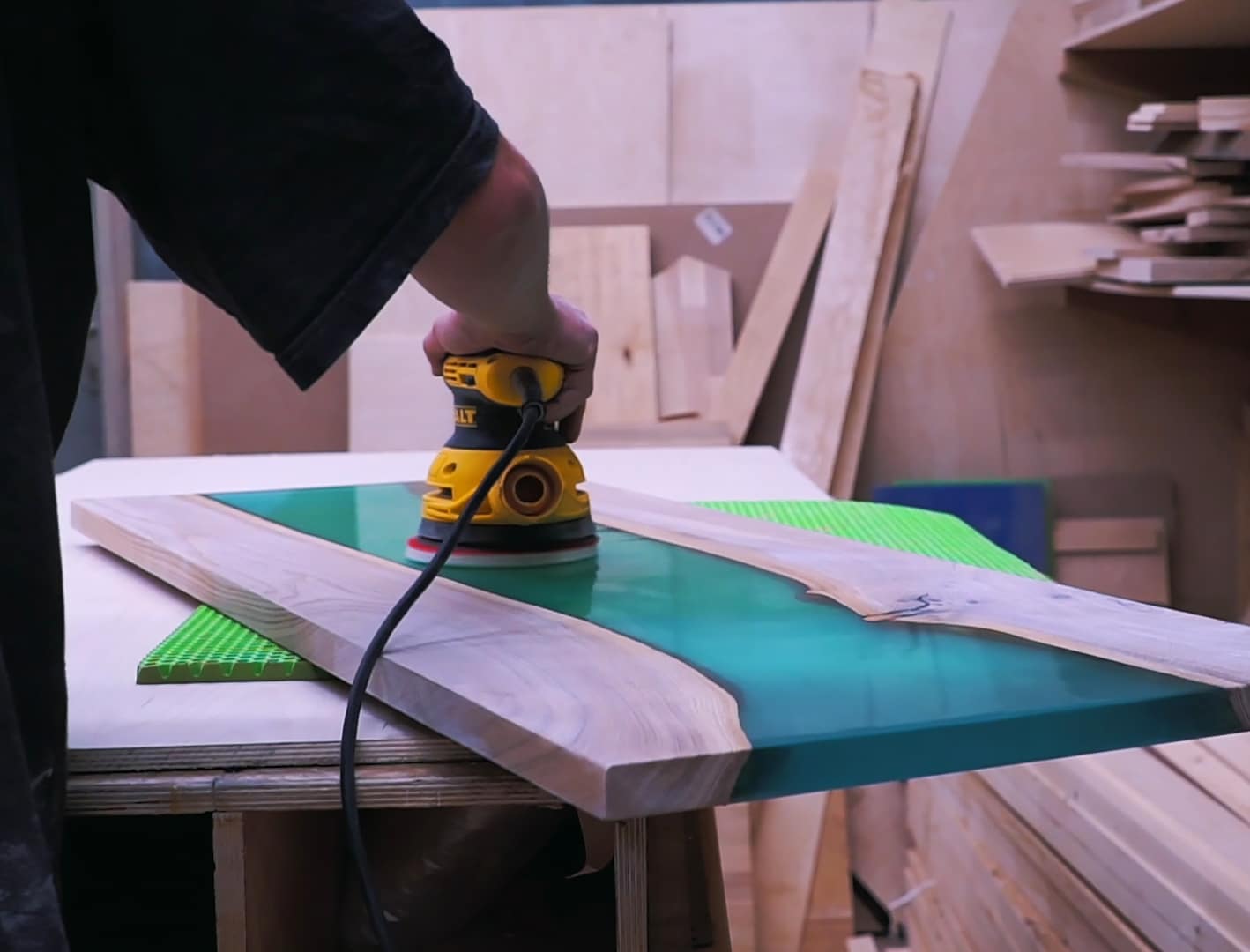
Step 1: Prepare the Work Area and Component
Begin by ensuring your workspace is clean, stable, and well-lit. Always wear personal protective equipment (PPE) including gloves, safety goggles, and a dust mask to protect against airborne particles or harmful dust. Lay down a protective covering to catch removed materials and make cleaning up easier. Examine your carbon fibre piece to identify areas where epoxy needs to be targeted and check for any delicate or thin regions that require extra care.
Preparation is the key to preventing accidental damage. Mark out sections if necessary and secure the component so it will not move during the removal process.
Step 2: Mechanically Remove Bulk Epoxy with a Scraper
Carefully start the removal process using a suitable hand tool such as the Heavy Duty Scraper for Paint and Epoxy Resin Removal. Hold the scraper at a shallow angle to the surface, gently peeling away the thick layers of cured epoxy. Take your time to avoid gouging or scratching the carbon fibre below.
Work steadily, applying even pressure, and focus on removing as much material as possible without excessive force. If resistance increases or the scraper catches on the surface, stop and check your progress to avoid damaging the underlying fibres.
Step 3: Sand the Surface for Residual Epoxy Removal
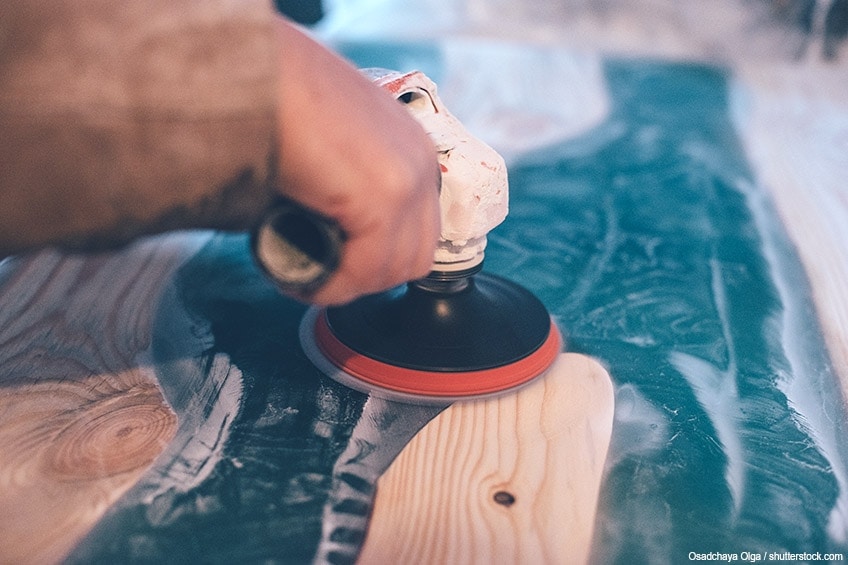
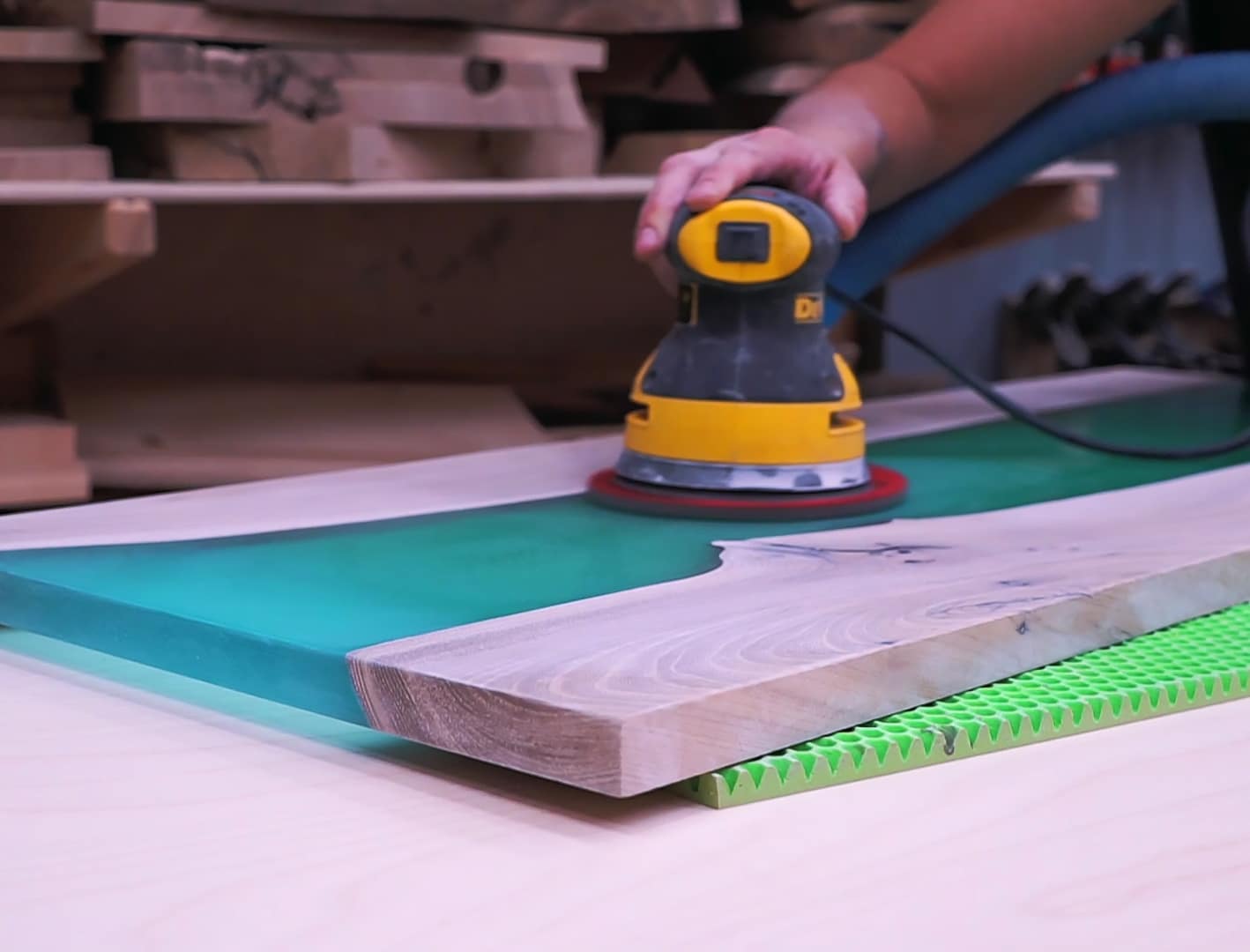
Once the majority of the resin has been removed, smooth the area and eliminate stubborn traces using abrasive pads. The “Ebonite Abralon” – Sanding Pads 360-4000 Grit for Resin and Wood are perfect for this, letting you work through progressively finer grits to achieve detailed finishing. Start with a coarser grit, using light, circular motions, and gradually step up to finer pads.
Wet the sanding pad for even smoother results and reduced dust production. Regularly wipe away debris and periodically check you are not cutting too deeply into the carbon fibre matrix. Patience in this step delivers the best results.
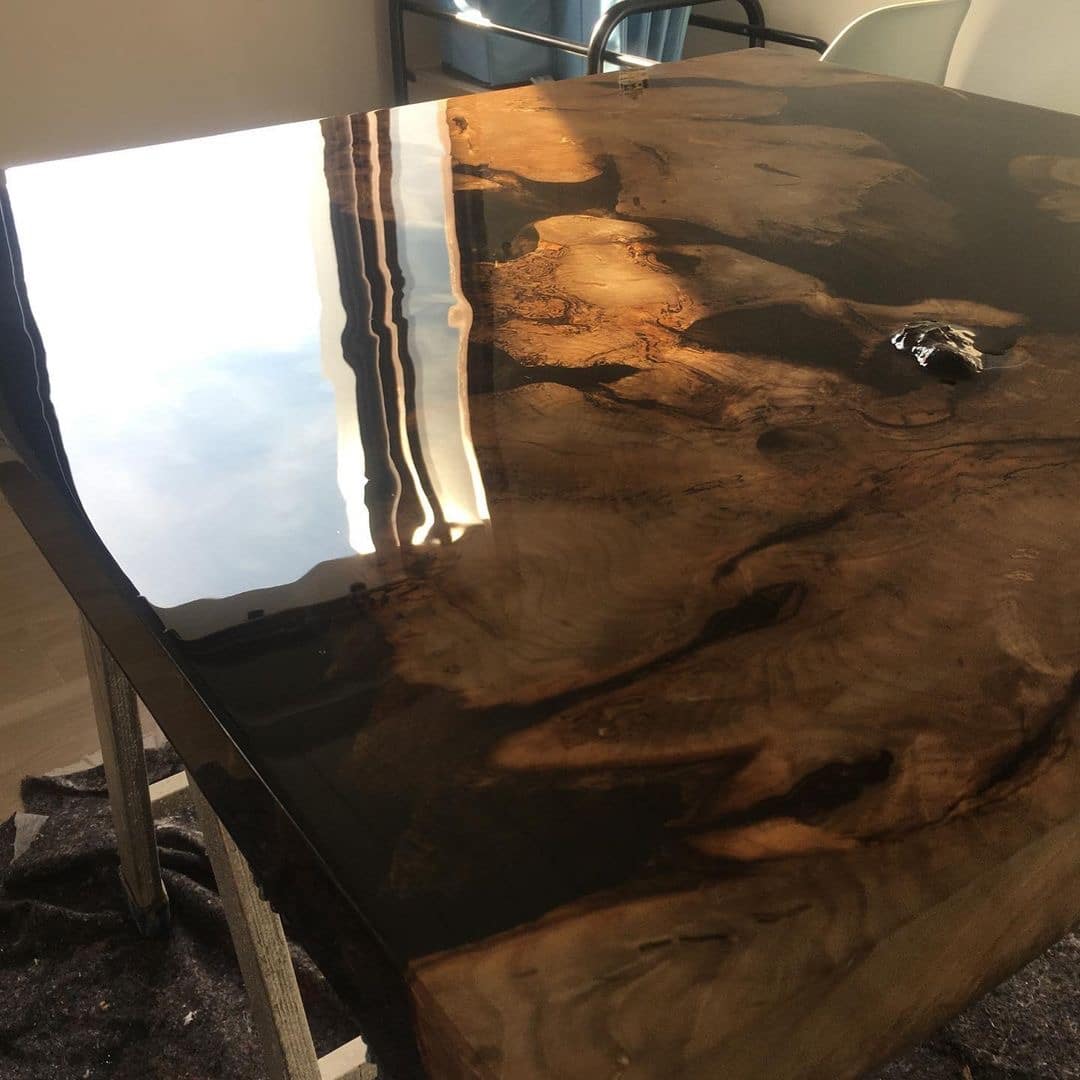
Step 4: Clean and Degrease the Surface
After sanding, there may be residue or fine particles remaining. Use a microfibre cloth to dust off the area, then gently apply a natural cleaner like the Strong Technical Degreaser for Resin Projects – 100% Natural Formula to remove any grease or remaining contaminants.
This ensures a pristine finish and prepares the surface for subsequent repair, re-coating, or safe handling. Avoid soaking the carbon fibre, and always allow the piece to dry thoroughly before further work.
Tips and Common Mistakes to Avoid
- Work in a well-ventilated area to minimise dust and exposure to fine particles.
- Do not rush the process – aggressive scraping or sanding can result in permanent damage to the carbon fibre’s structural integrity.
- Avoid harsh chemicals on carbon fibre; they can weaken resin bonds or discolour reinforcing fibres.
- Test your approach on a small area first to confirm compatibility and results before committing to the full job.
- Change abrasive pads frequently to maintain an even finish and prevent clogging.
Protect Your Carbon Fibre Throughout
Preserving the integrity of the carbon fibre is paramount during epoxy removal. Take care to avoid deep scratches, delamination, or unnecessary exposure to liquids. Rely on gentle, incremental steps and use products formulated for resin work to keep your workpiece safe.
- "Ebonite Abralon" – Sanding Pads 360-4000 Grit for Resin and Wood£4.15Ebonite Abralon Sanding Pads provide controlled polishing for epoxy resin and wood surfaces in the context of epoxy carbon fibre removal.
- Heavy Duty Scraper for Paint and Epoxy Resin Removal£8.95The Heavy Duty Scraper is designed for comfortable, precise removal of paint and coatings, suitable for various renovation tasks.
 Strong Technical Degreaser for Resin Projects – 100% Natural FormulaOriginal price was: £10.95.£9.45Current price is: £9.45.The Strong Technical Degreaser is a natural, gentle cleaner suitable for epoxy resin projects and various surfaces.
Frequently Asked Questions
Can a scraper be used to remove epoxy from carbon fibre?
Yes, a sharp scraper can remove cured epoxy, but care must be taken to avoid damaging the carbon fibre surface.
What type of sanding pad should be used for finishing after epoxy removal?
Fine grit sanding pads designed for resin surfaces, such as Ebonite Abralon, are ideal for controlled and gentle sanding.
How do you clean the surface after epoxy is removed from carbon fibre?
Use a soft microfibre cloth and a natural degreaser to remove any dust, grease, or residue left on the surface.
Is it possible to remove epoxy without damaging the carbon fibre below?
Yes, if you use manual methods carefully and avoid harsh chemicals or abrasive power tools.
Are special tools or products required to remove epoxy from carbon fibre?
Dedicated scrapers, fine resin sanding pads, and a safe degreaser help ensure effective and safe removal.