 Free shipping on orders over £29,85
  Shipping Tracking!


 Google
 Facebook
How to use catalyst for polyester resin?
Step-by-step guide for safe and reliable polyester resin curing

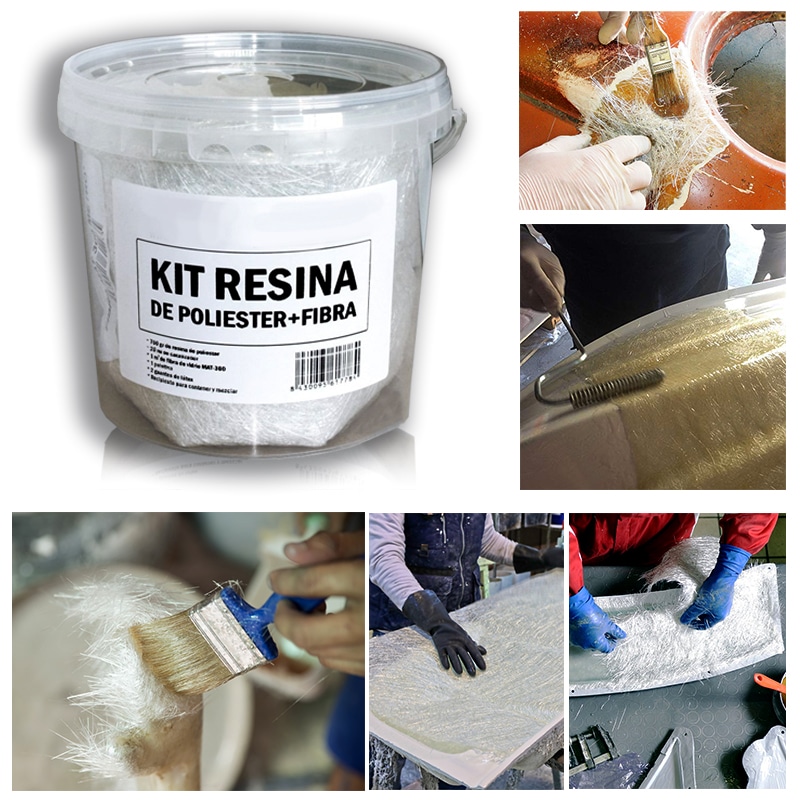
Successfully using a catalyst with polyester resin is essential for strong, reliable, and waterproof repairs. This guide explains each step in safely combining and curing polyester resin with catalyst, helping DIY enthusiasts, boat owners, and repair professionals achieve durable results on a range of rigid surfaces. Follow these instructions to avoid common pitfalls and ensure easy, effective repairs.
What You’ll Need
- Resin Fibreglass Repair Kit – Complete Polyester Resin and Hardener Set – provides resin, catalyst (hardener), fibreglass mat, gloves, and other essential items
- “Abek Climax” – Mask Filters for 755/756/732-A1 – Epoxy Resin Use, Set of 2 – recommended mask filters for protection against vapours if using compatible masks
- Mixing container and stirrer (often included in complete kits)
- Protective clothing and workspace covering
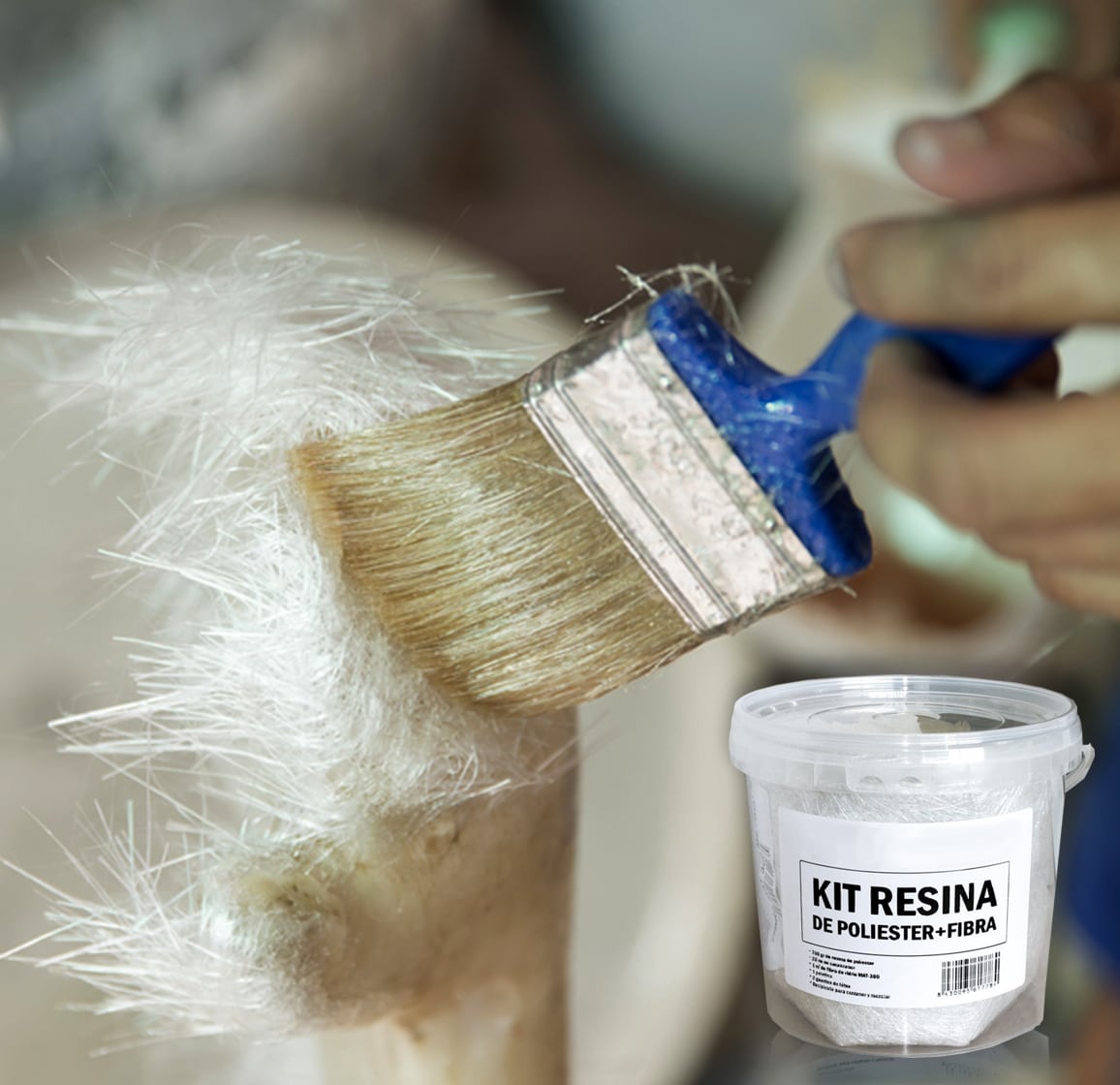
Visual Look at Key Safety and Preparation Tools
Always set up your workspace with gloves, protective clothing, and the right mask filters. Proper preparation prevents accidents and ensures your repair runs smoothly. Using reliable kits and approved safety equipment helps guarantee user safety and professional results.
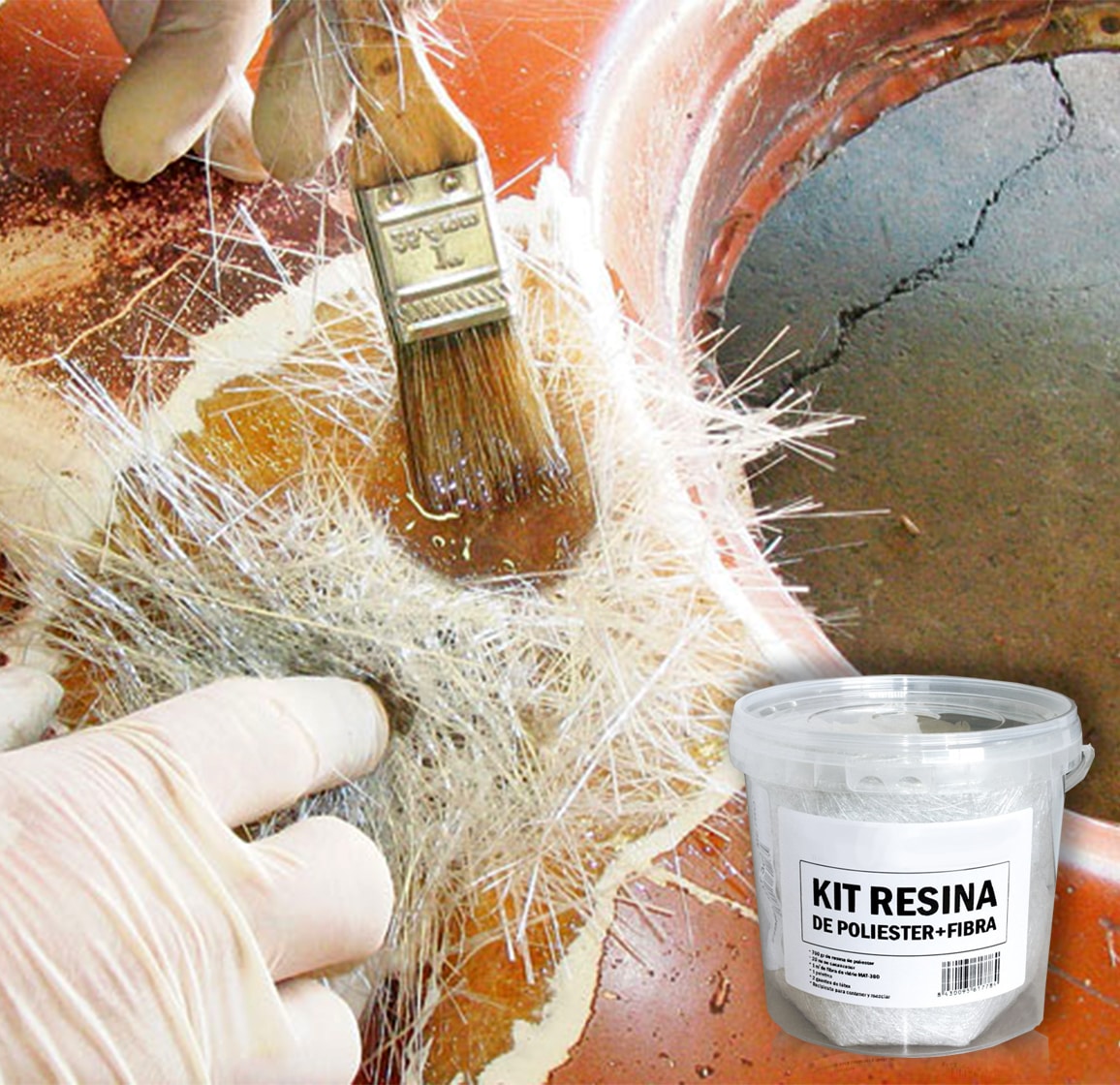
Step 1: Prepare Your Work Area and Safety Precautions
Before starting, choose a well-ventilated space away from open flames, as polyester resin and catalyst are flammable and emit fumes. Wear old clothing or protective garments, and cover your workspace to protect against spills. Always use gloves and safety equipment when handling polyester resin catalyst. If you have a suitable mask (such as models 755, 756, or 732-A1), fit them with mask filters like the Abek Climax set for added protection from vapours.
Step 2: Measure and Mix the Resin with Catalyst
Accurate measurement is crucial for the correct curing and strength of your repair. Refer to the kit or manufacturer’s guidelines for the proper ratio (often around 2-3% hardener by weight relative to resin). Measure resin and catalyst accurately to ensure proper curing and strength. Use the included measuring container and gloves to handle all components safely. Add the hardener to the resin and begin mixing.
Stir thoroughly but gently to achieve a consistent mixture and avoid air bubbles. Scrape the sides and bottom of the container to ensure even catalyst distribution. Insufficient mixing may lead to poor curing or soft spots in the final repair.
Step 3: Apply the Mixture Before Curing Starts
Once mixed, the polyester resin will begin to cure (harden) quickly. Working time varies but is typically 10–20 minutes depending on temperature and catalyst amount. Mix only what you can apply in suggested working time to avoid premature curing. Use a brush or roller to apply the resin-catalyst mixture to your repair area. If reinforcing with a fibreglass mat, place it over the surface and saturate thoroughly with the mixed resin, removing air bubbles with a roller or brush.
Work steadily and avoid delays, as the mixture may become thick and unworkable if left too long after mixing.
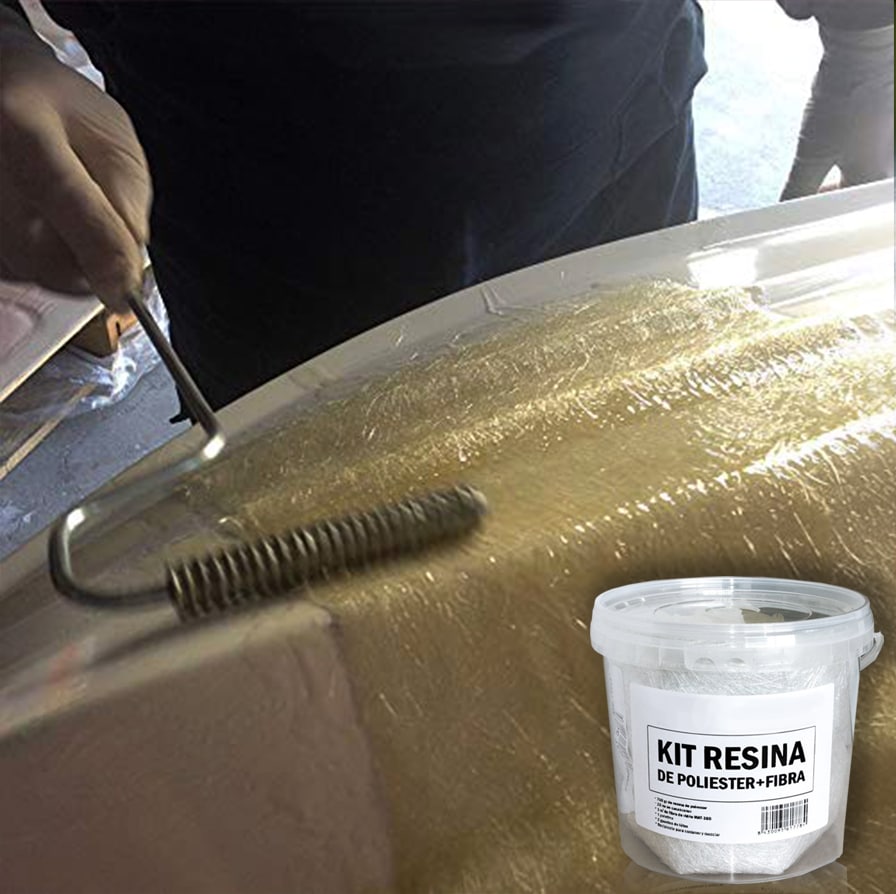
Step 4: Allow to Cure and Inspect the Result
After application, let the repair cure undisturbed for the time specified by your kit or resin product (often several hours). Avoid moving, heating, or disturbing the repair during this period. Once fully cured, the resin should be hard and free from tackiness. Inspect for any soft spots, bubbles, or uncured areas, which can indicate incorrect mixing or insufficient catalyst.

Tips and Common Mistakes When Using Catalyst with Polyester Resin
Keep all chemicals tightly sealed until use and store away from children and heat sources. Mix smaller batches if you are new to the process; this reduces the risk of the resin setting before you are finished applying it. Do not exceed the recommended catalyst ratio, as too much can cause overheating or brittleness, while too little leads to incomplete curing. Clean tools and spills promptly with suitable solvents before the resin hardens.
Measure, mix, and apply with care to ensure a smooth, strong, and reliable repair every time.
Techniques for a Consistent Cure
Even mixing and precise application are vital when working with polyester resin and catalyst. Watch for changes in texture and act quickly—these visual clues help you avoid premature curing and deliver superior, long-lasting finishes.
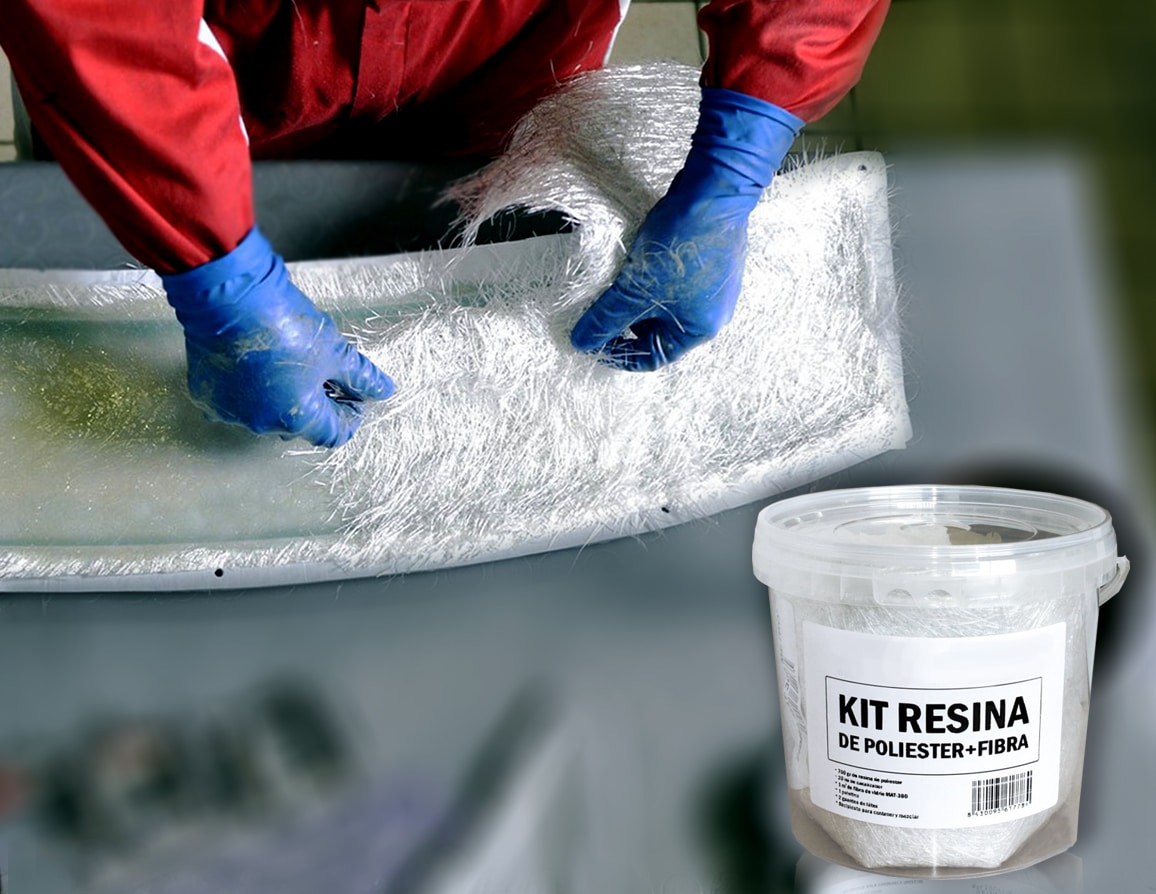
- Resin Fibreglass Repair Kit – Complete Polyester Resin and Hardener SetThe Resin Fibreglass Repair Kit offers a complete polyester resin and hardener set for structural repairs in line with the theme 'How to use catalyst…
- "Abek Climax" – Mask Filters for 755/756/732-A1 – Epoxy Resin Use, Set of 2£16.45The Abek Climax mask filters are designed for use with epoxy resins and provide filtration compatible with specific mask models.
Frequently Asked Questions
How do I safely measure catalyst for polyester resin?
Use gloves and accurate measuring tools. Follow the kit or product guidance, usually 2–3% catalyst by weight of resin.
What is the best way to mix the resin and catalyst?
Add the catalyst to the resin and stir thoroughly for at least one to two minutes, scraping sides and bottom of the container.
How do I stop the resin from curing too quickly?
Work in cool conditions, mix only small batches, and avoid exceeding the recommended catalyst percentage.
Can I use polyester resin with fibreglass mat?
Yes, polyester resin works well with fibreglass mat for strong repairs. Ensure thorough saturation and bubble removal.
Does the catalyst ratio affect strength?
Yes, incorrect ratios can cause softness or brittleness. Always measure accurately for optimal curing and durability.
How long can I work with mixed polyester resin?
Most polyester resins offer a 10–20 minute working time after mixing. Apply promptly to avoid waste.