 Free shipping on orders over £29,85
  Shipping Tracking!


 Google
 Facebook
← Back to How do you make a resin staircase?
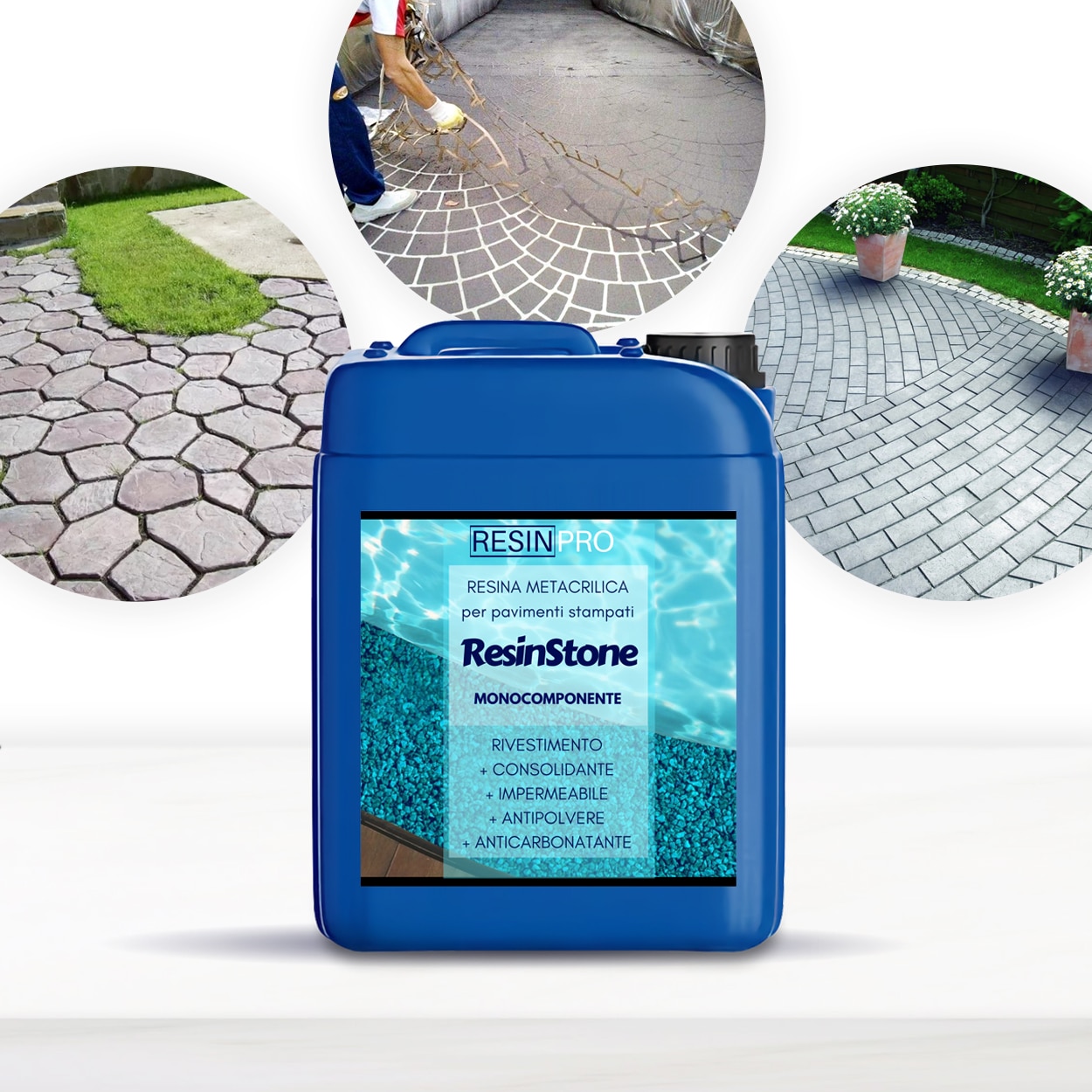
Achieving a long-lasting and resilient resin staircase depends greatly on using the right sealer for your surface. Whether you’re sealing new concrete steps or a resin-coated structure, selecting sealers specifically formulated for these materials is key to maintaining appearance and durability.
Why Specialised Sealers Matter
Concrete and resin surfaces have unique characteristics that benefit from products designed to penetrate and protect them. A suitable sealer, such as a methacrylic resin like Resinstone, forms a protective barrier against moisture, chemicals, abrasion, and weathering. This prevents premature wear and helps your staircase withstand heavy foot traffic, while maintaining a fresh appearance.
How to Select and Apply a Sealer
When choosing a sealer, ensure it’s compatible with the surface you’ve built on—most resin staircase projects sit atop concrete bases. One-component methacrylic resins are popular due to their ease of application, deep penetration, and balance between waterproofing and breathability.
- Clean and thoroughly dry the staircase before applying the sealer.
- Follow the manufacturer’s guidance on application thickness and drying time.
- Allow the surface to cure as recommended before heavy use for best results.
When This Matters Most
Proper sealing is especially important for external stairs exposed to rain, frost or UV, as well as indoor staircase finishes likely to encounter spills or regular cleaning. Taking care at this stage extends the life of your project and simplifies future maintenance.
Related products
Related guides
Using a sealer suitable for concrete or resin forms the foundation of a lasting resin staircase. For more detailed guidance on building a resin staircase from start to finish, visit our main how-to guide.