 Free shipping on orders over £29,85
  Shipping Tracking!


 Google
 Facebook
How do you make a resin staircase?
Step-by-step guide to a modern, durable resin staircase finish
Designing or renovating a staircase with resin can dramatically modernise the appearance of your home or commercial space. This guide details each step to help you create a high-quality resin staircase, from preparation through to the final finish, ensuring both durability and style whether you are a DIY enthusiast or a professional installer.
What You’ll Need
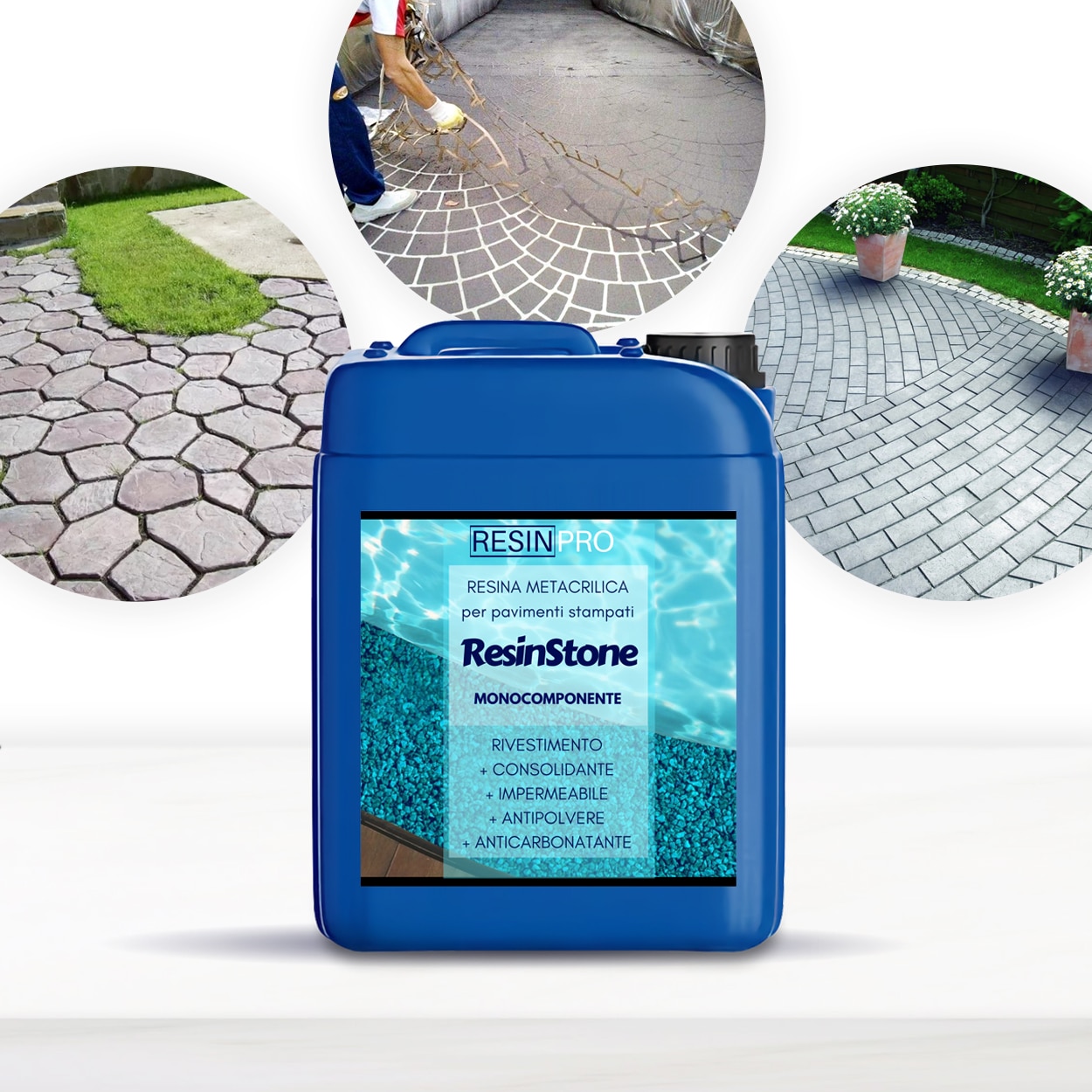
- “Resinstone” – One-Component Methacrylic Resin for Concrete Floors and Driveways – for sealing and protecting concrete stair substrates
- “EpoxyTable 5-Five” – Deep Pour Epoxy Resin for Tables and Large Projects – Up to 5cm – suitable for robust, thick resin steps
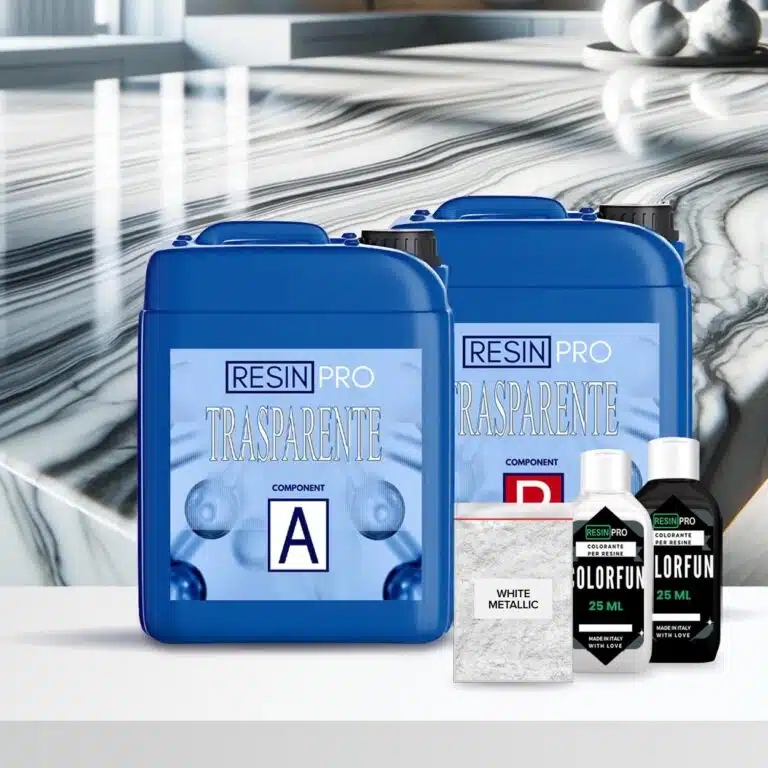
- “Trasparente” – Multipurpose Clear Epoxy Resin for Casting – Up to 2cm – ideal for clear or decorative stair surfaces
- Formwork materials (timber, melamine boards)
- Mixing tools and protective gloves
- Sanding paper and cleaning materials

Visual inspiration for resin staircases
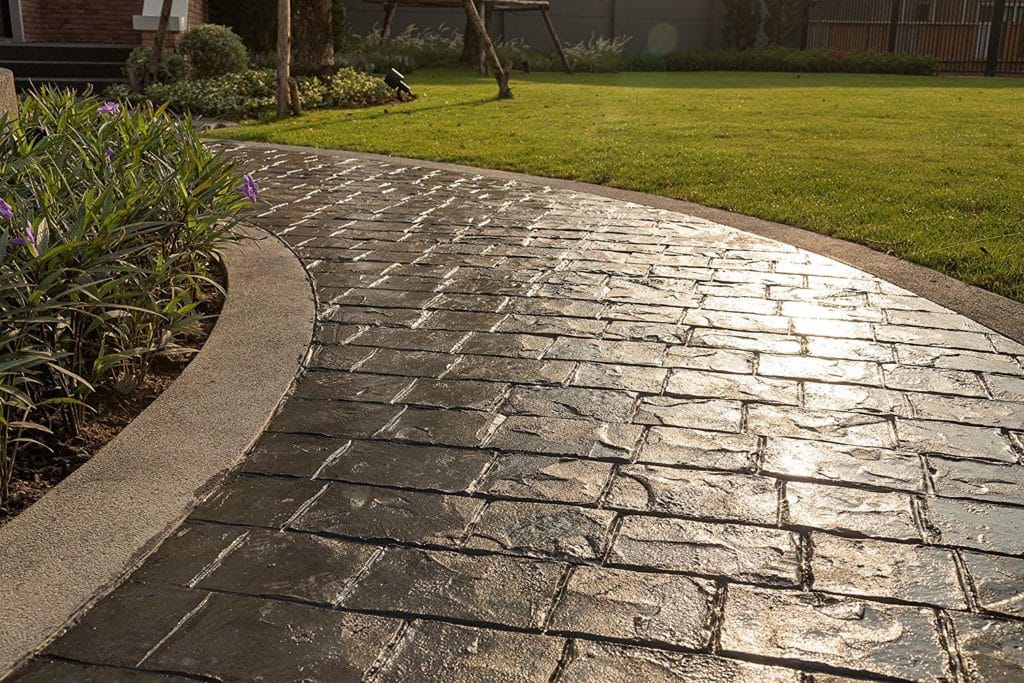
Explore a gallery of stunning resin staircase projects that highlight the possibilities with clear, marble, or stone-effect finishes. Real installations demonstrate the impact of careful pour techniques, colour combinations, and professional sealing. Gain creative ideas for your own resin staircase transformation.
Step 1: Prepare the Substrate
Clean and prepare the substrate thoroughly before any resin work begins. Remove dust, old paint, oil, and any loose debris from your concrete or plywood stair base. Use a hoover and damp cloth for the best results, ensuring the surface is fully dry and free of moisture to prevent adhesion problems.
For concrete bases, consider sealing them with “Resinstone” – One-Component Methacrylic Resin for Concrete Floors and Driveways to achieve deeper penetration, moisture protection, and improved mechanical resistance. This step is crucial for a flawless, long-lasting resin bond.
Step 2: Install Formwork and Contain the Resin
Each step must be boxed in to hold the resin securely. Formwork is typically made from timber or melamine boards because resin does not stick readily to their surfaces. Ensure that your formwork is sealed tightly against leaks using tape or silicone, paying special attention to corners and edges. Level the staircase framework to avoid uneven resin pooling during pouring.
Set up strong, sealed formwork and consider anti-leak sealants for the most professional results.
Step 3: Mix and Pour the Resin
It’s vital to measure and mix the epoxy carefully according to the manufacturer’s instructions. Use digital scales for accuracy and stir the resin and hardener gently to avoid bubbles. Pour in layers appropriate to the resin’s capabilities: for steps needing up to 5cm in depth, “EpoxyTable 5-Five” – Deep Pour Epoxy Resin for Tables and Large Projects – Up to 5cm provides excellent clarity and resistance to yellowing.
Thinner decorative surfaces can use “Trasparente” – Multipurpose Clear Epoxy Resin for Casting – Up to 2cm for up to 2cm layers. Work slowly to fill each mould, popping surface bubbles with a heat gun as needed. Allow the resin to self-level and cure according to specifications.
Mix the resin slowly and pour steadily for even layering.
Step 4: Demould and Finish
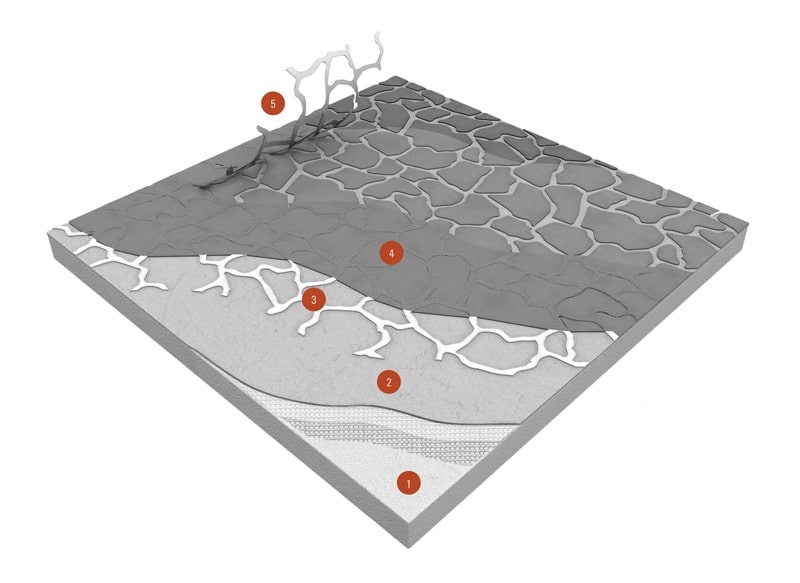
After full curing, carefully remove the formwork. Lightly sand the edges to ensure safe, smooth transitions between treads and risers. If you wish to add a marble, stone, or other artistic effect to your steps, decorative kits like the “Stone Effect Collection” are suitable for overlaying cured resin with realistic effects in additional layers.
Clear away all dust before further surface treatments or traffic on the stairs. Take special care if your edges are sharp—light rounding can help with both safety and durability.
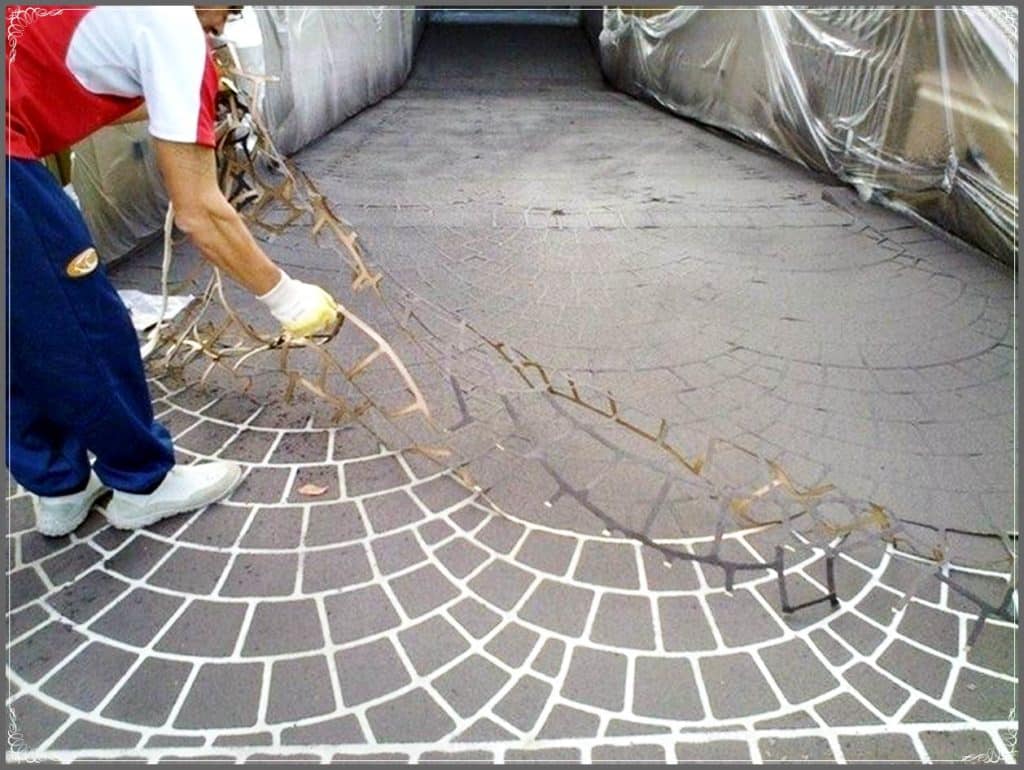
Step 5: Seal and Protect the Surface
For staircases subject to high traffic or outdoor exposure, it’s advisable to apply a suitable topcoat or sealer. Use a product compatible with both resin and concrete bases. Use sealers suitable for concrete or resin surfaces for lasting protection. Resealing periodically will maximise the lifespan and visual impact of your staircase.
Tips and Common Mistakes
- Read curing times—do not demould early, as the resin may deform under load.
- Avoid mixing large batches of resin at once; pour in stages for thick layers to prevent overheating.
- Prevent dust contamination during curing by covering the steps or working in a clean area.
- Test pigment colours on offcuts before committing to the whole staircase for custom effects.
- Always wear gloves and work in a well-ventilated setting.
Finishing touches and final results
See examples of completed resin staircases after sanding, sealing, and topcoat application. Note how well-sealed, polished treads maintain clarity and durability over time. Keep your new resin staircase looking its best by following application and maintenance guidance.
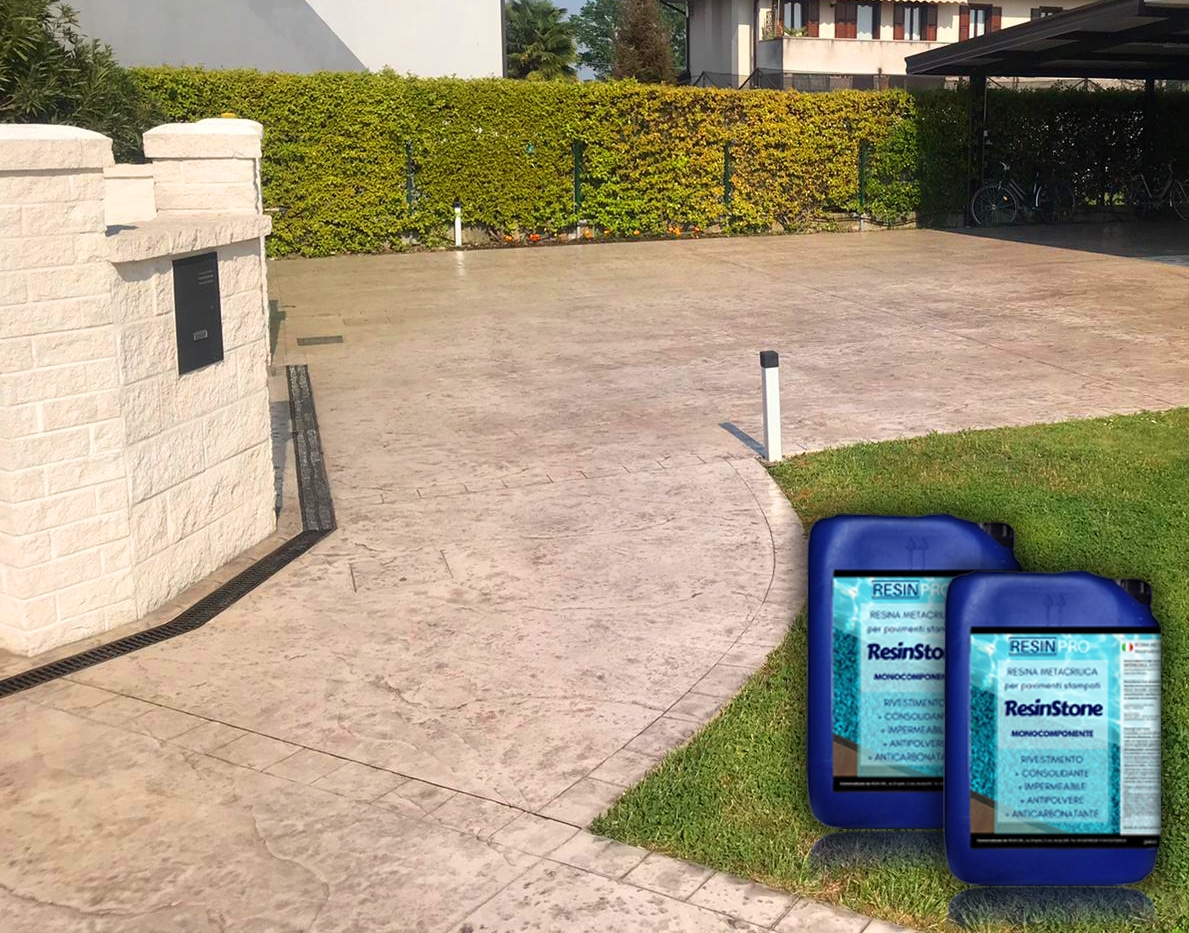
- "Resinstone" – One-Component Methacrylic Resin for Concrete Floors and DrivewaysPrice range: £36.71 through £336.48"Resinstone" is a one-component methacrylic resin designed for sealing concrete floors, offering durable protection with a versatile application.
- "Stone Effect Collection" – Marble Epoxy Resin Countertop KitPrice range: £57.95 through £272.95"Stone Effect Collection" offers a designer epoxy resin kit for durable, professional marble and stone effects on worktops and surfaces.
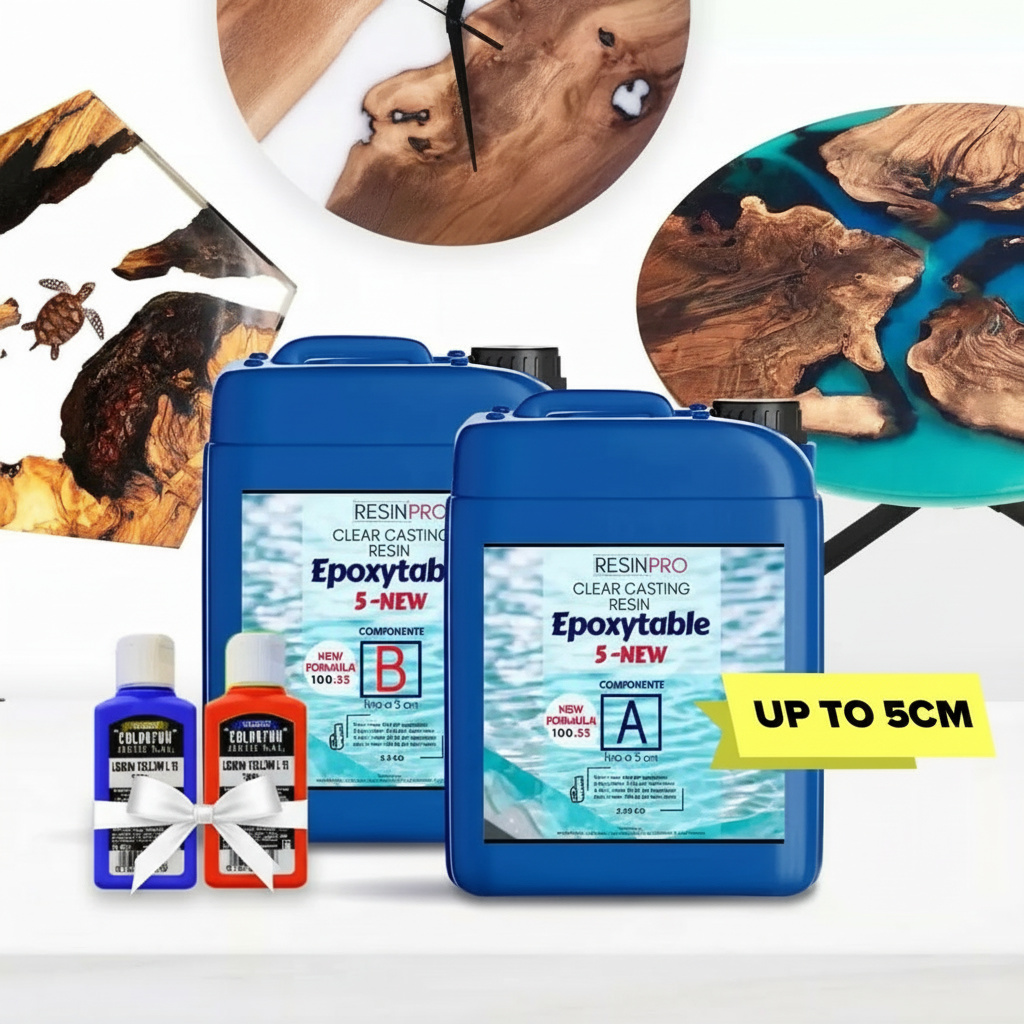 "EpoxyTable 5-Five" – Deep Pour Epoxy Resin for Tables and Large Projects – Up to 5cmPrice range: £17.95 through £1,154.95EpoxyTable 5-Five is designed for deep pours up to 5cm, suitable for tables and large projects with features like UV resistance and scratchproof…
 "Trasparente" – Multipurpose Clear Epoxy Resin for Casting – Up to 2cmPrice range: £8.95 through £397.95"Trasparente" is a clear, multipurpose epoxy resin suitable for detailed castings and surfaces up to 2cm thick, fitting this resin staircase theme.
Frequently Asked Questions
Which resin type is best for a staircase surface?
Deep pour epoxy resins like EpoxyTable 5-Five suit thick stair steps, while Trasparente is ideal for surfaces up to 2cm thick.
Can I apply resin on existing concrete stairs?
Yes. Seal the concrete with a resin like Resinstone before pouring epoxy layers for reliable adhesion and protection.
How do I prevent bubbles when pouring resin on stairs?
Mix slowly, pour steadily, and use a heat gun or torch to eliminate surface bubbles during curing.
Do I need to build formwork around every stair step?
Yes. Formwork prevents leaks and defines sharp edges when casting resin on stairs.
How should I clean and maintain a resin staircase?
Use mild cleaners and soft cloths. Reseal every few years to preserve gloss and surface protection.
How thick can resin be poured onto each stair step?
Consult product guidelines; EpoxyTable 5-Five allows up to 5cm per layer, while Trasparente is up to 2cm.
Can I create marble or decorative effects on my resin stairs?
Yes, use suitable kits like the Stone Effect Collection to add marble or artistic details onto cured resin steps.