 Free shipping on orders over £29,85
  Shipping Tracking!


 Google
 Facebook
How to repair resin boat?
Step-by-step guidance for effective resin boat repairs

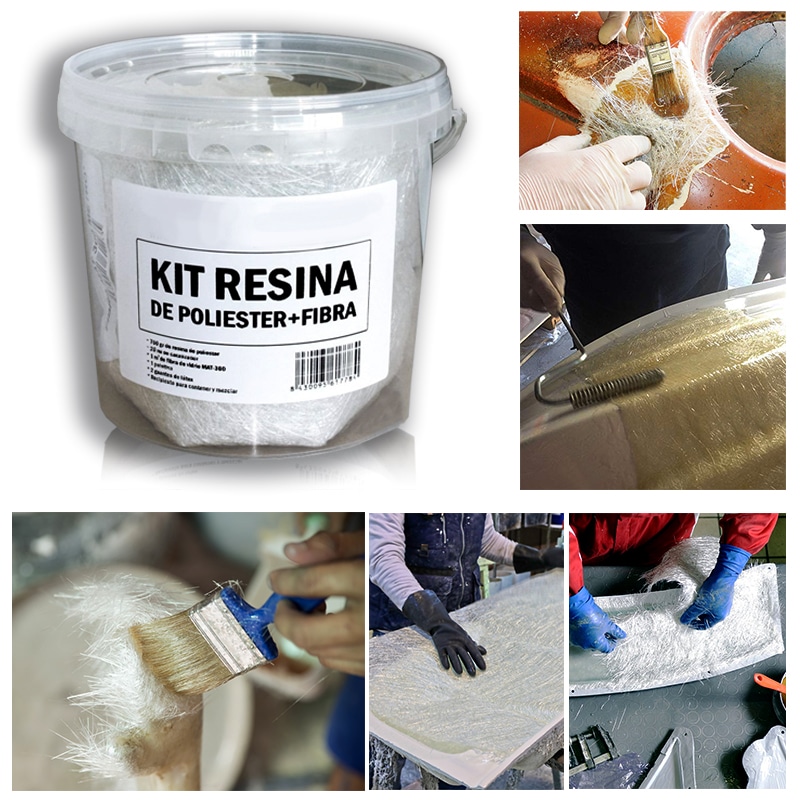
Restoring a resin boat to its former strength and appearance is essential for ensuring safety on the water and prolonging your craft’s lifespan. This guide takes you through each critical step when repairing cracks, holes, or surface damage on resin-based boats, offering tips for achieving professional results, whether you’re an experienced DIY enthusiast or tackling your first marine repair project.
What You’ll Need
- Resin Fibreglass Repair Kit – Complete Polyester Resin and Hardener Set – for robust structural repairs with fibreglass mat
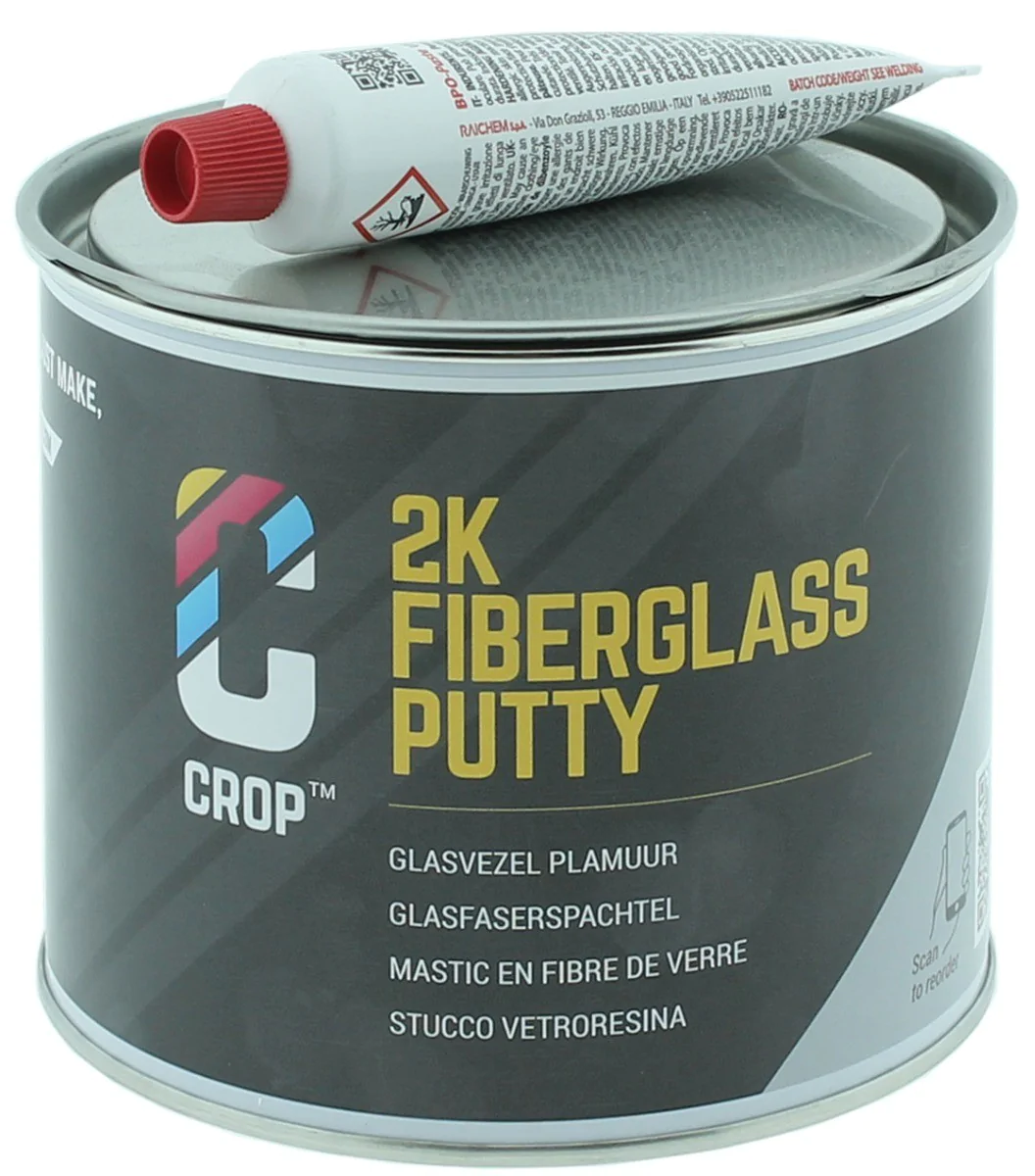
- CROP 2K Fiberglass Putty – 750 ml + Hardener – for filling dents, cracks, and localised damage
- “Carbon Resin” – Epoxy Resin for Carbon Fiber & Fiberglass Coating – for coatings or reinforcing technical fibreglass repairs
- “EpoxyWood” – Wood Restoration Epoxy Resin for Deep Penetration and Waterproofing – ideal where repairs meet or reinforce wood components
- Cleaning materials (acetone, rags, sandpaper)
- Protective gloves and mask
- Mixing containers and application brushes
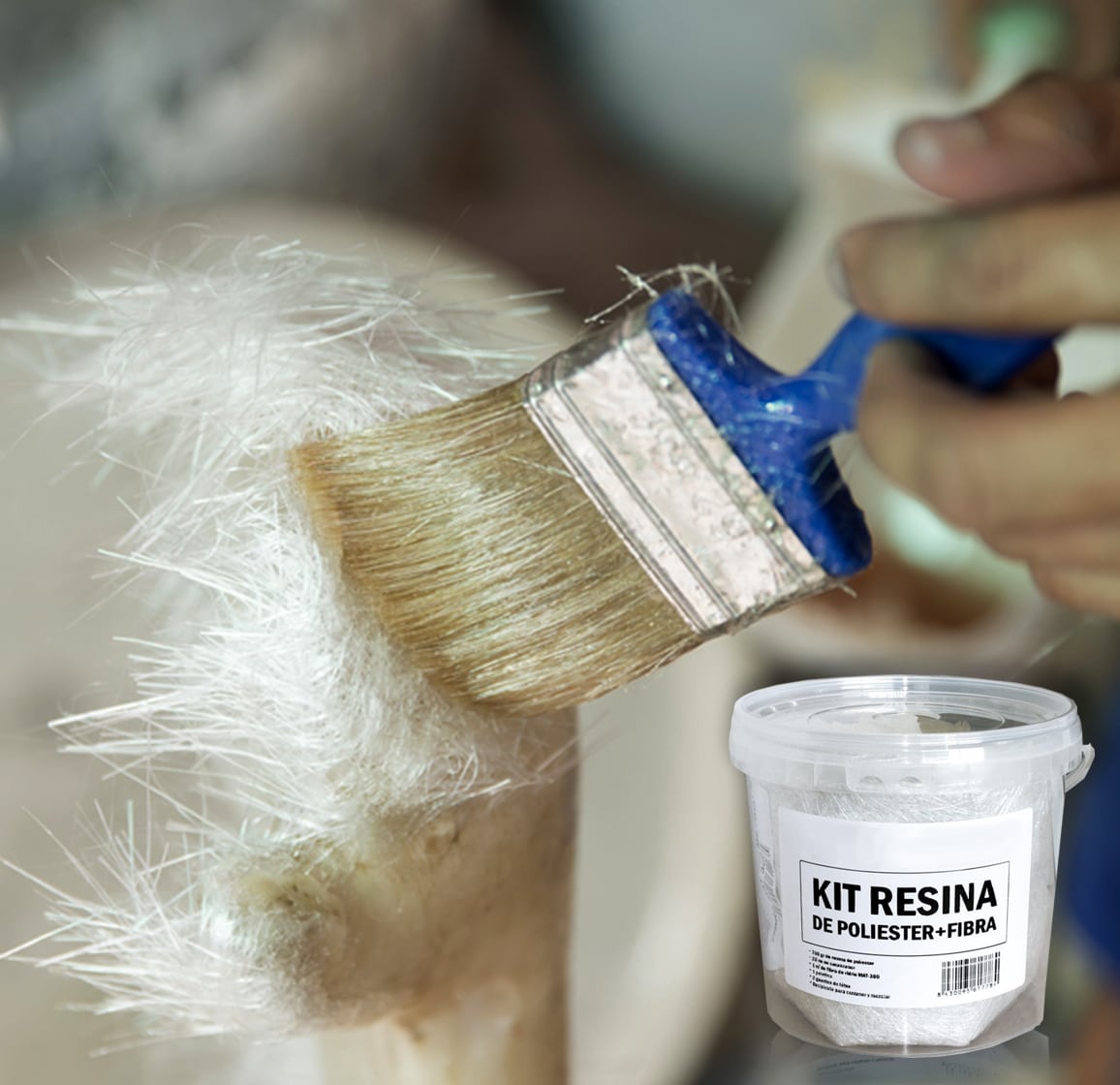
Typical Tools and Repair Materials for Resin Boats
To complete a resin boat repair successfully, you will typically need cleaning solvents, abrasive tools, resin kits, and fibreglass matting. Use Resin Fibreglass Repair Kit for comprehensive restoration, with additional putty or specialist resins for enhanced reinforcement and waterproofing.
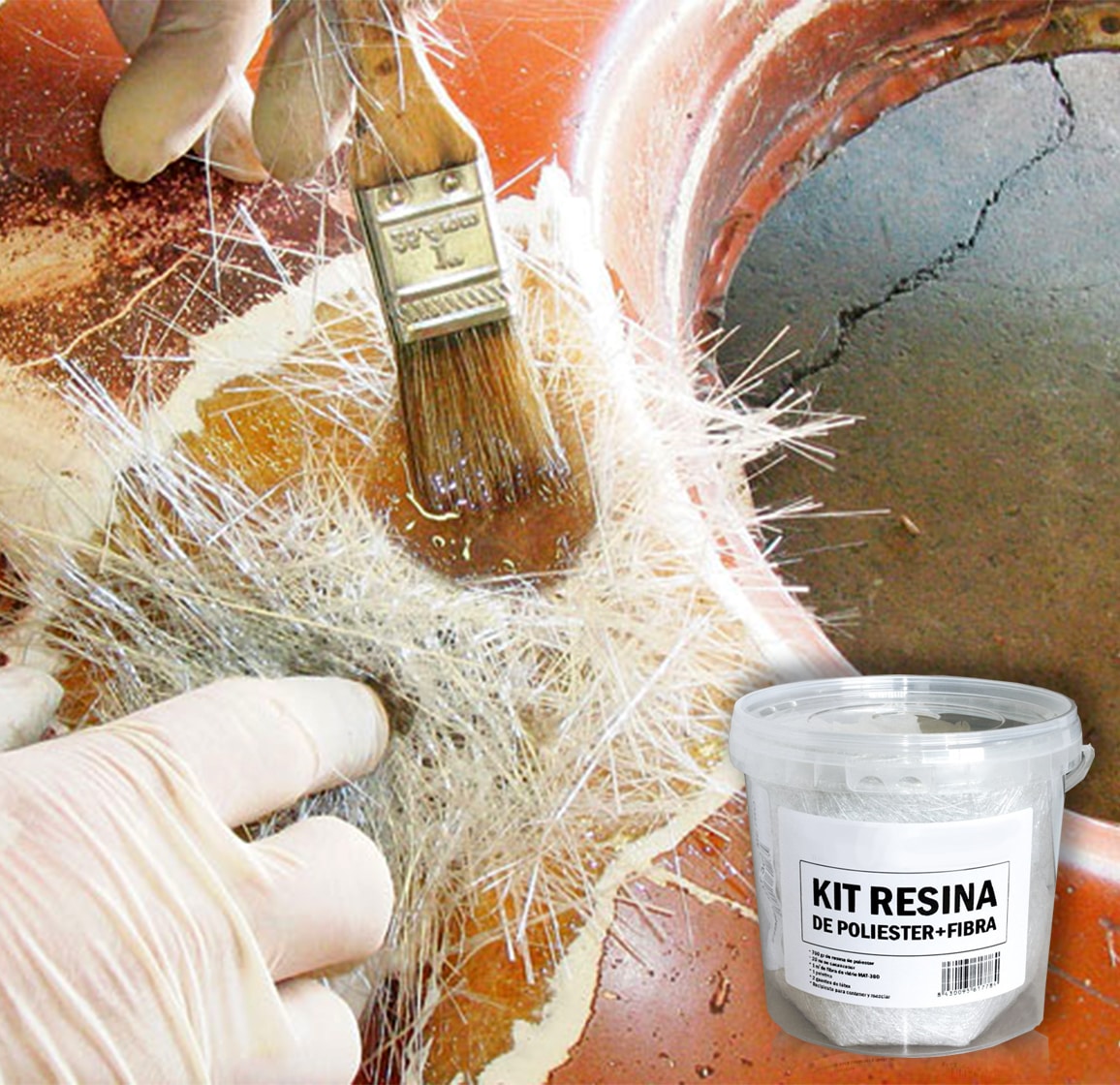
Step 1: Assess and Prepare the Damaged Area
Begin by thoroughly inspecting your resin boat to identify all cracks, holes, or delaminated sections. Use masking tape to highlight the repair zones. Remove any loose fragments, peeling resin, or old fibreglass using a scraper and coarse sandpaper. A meticulous approach ensures that repairs bond effectively and prevents issues recurring beneath the new material.
Ensure all surfaces are clean and dry before starting. Wipe the area with acetone to eliminate grease or residue. Preparation is crucial for ensuring any resin or putty will adhere long-term.
Step 2: Fill Cracks, Holes, and Imperfections
If your repair involves filling deep dents, cavities, or persistent cracks, select a suitable filler before applying new fibreglass layers. Mix your chosen filler as instructed and work it into the damaged area with a spatula, filling from the base outward.
For areas where enhanced strength or gap-filling is required, CROP 2K Fiberglass Putty – 750 ml + Hardener offers a fibreglass-reinforced fill that is durable and moisture resistant. Allow the putty to cure as per packaging guidelines, then sand smooth, blending the area into surrounding surfaces.
Step 3: Laminate with Resin and Fibreglass
For structural repairs or rebuilding sections, layer fresh fibreglass mat with compatible resin. Measure and cut your fibreglass patches, allowing each piece to extend slightly past the damaged zone for full coverage.
Mix your resin and hardener according to instructions. Using a brush or roller, apply an initial layer of resin to the sanded area, then lay the fibreglass mat onto the wet surface. Work additional resin over the patch, thoroughly impregnating the fibres and removing any bubbles.
For most general repairs, the Resin Fibreglass Repair Kit – Complete Polyester Resin and Hardener Set provides all key components in one pack, making the process straightforward for both beginners and advanced users.
Allow the repair to cure fully. Sand the area again after hardening to achieve a consistent, smooth surface ready for final sealing or painting.
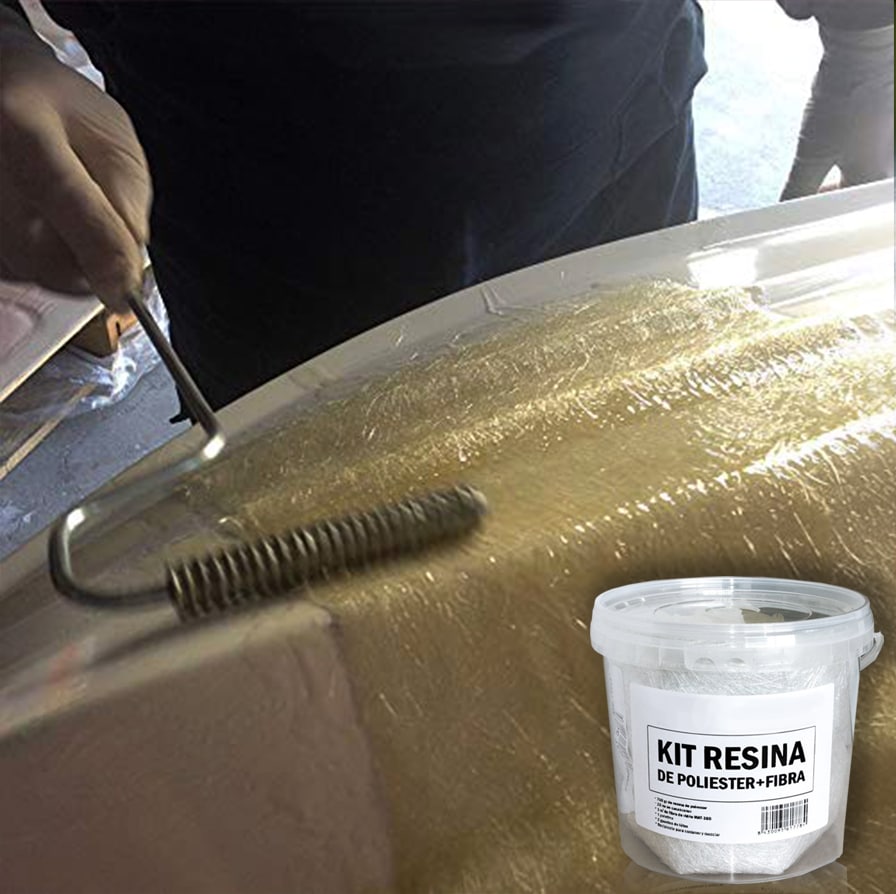
Step 4: Final Coating and Waterproofing
After structural repairs, seal the repair and surrounding area to ensure full waterproofing and a neat finish. Mix and apply an appropriate epoxy coating following the recommended mixing ratio, using a brush or roller for even application. This layer protects against recurring moisture ingress and mechanical stress.
Choose “Carbon Resin” – Epoxy Resin for Carbon Fiber & Fiberglass Coating for a strong, impact-resistant protective layer, especially if working over technical fabrics. For sections involving wood, use “EpoxyWood” – Wood Restoration Epoxy Resin for Deep Penetration and Waterproofing to reinforce and waterproof wooden components adjoining the resin repair.
Follow mixing ratios precisely and apply resin evenly for a strong, waterproof bond.
Tips and Common Mistakes to Avoid
Use protective equipment such as gloves and masks to prevent skin or respiratory irritation from sanding dust and chemical components. Always work in a well-ventilated space.
Take care to let each layer cure fully before proceeding. Rushing can lead to weak bonds and uneven finishes. Allow adequate curing time, as per the product instructions, especially in cooler ambient temperatures.
Finally, avoid attempting repairs when surfaces are damp or contaminated. Moisture or grease can compromise adhesion, leading to repeat problems down the line.
Best Practices for Reliable Marine Resin Repairs
Work with patience and precision for every boat repair. Cleanliness, proper mixing, and allowing sufficient cure time all contribute to long-lasting results. Select products suitable for both the substrate and environmental exposure for true marine reliability.
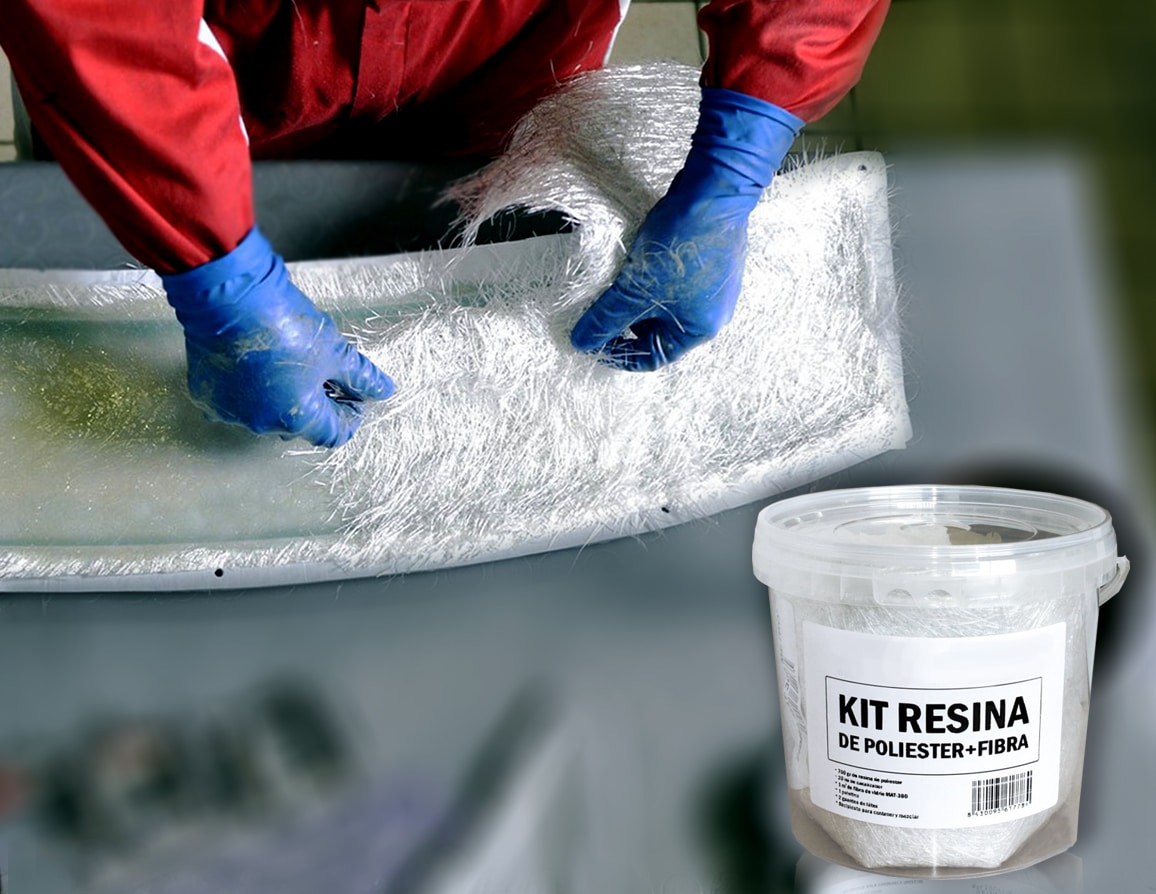
- Resin Fibreglass Repair Kit – Complete Polyester Resin and Hardener SetThe Resin Fibreglass Repair Kit provides structural reinforcement with waterproof bonds, suitable for repairs on boats and rigid materials.
- CROP 2K Fiberglass Putty – 750 ml + Hardener£15.85CROP 2K Fiberglass Putty is suitable for repairs requiring strength and durability, ideal for bodywork and filling deep damage.
 "Carbon Resin" – Epoxy Resin for Carbon Fiber & Fiberglass CoatingPrice range: £19.95 through £37.95"Carbon Resin" is designed for composites and technical fabric projects with smooth impregnation and a glossy finish.
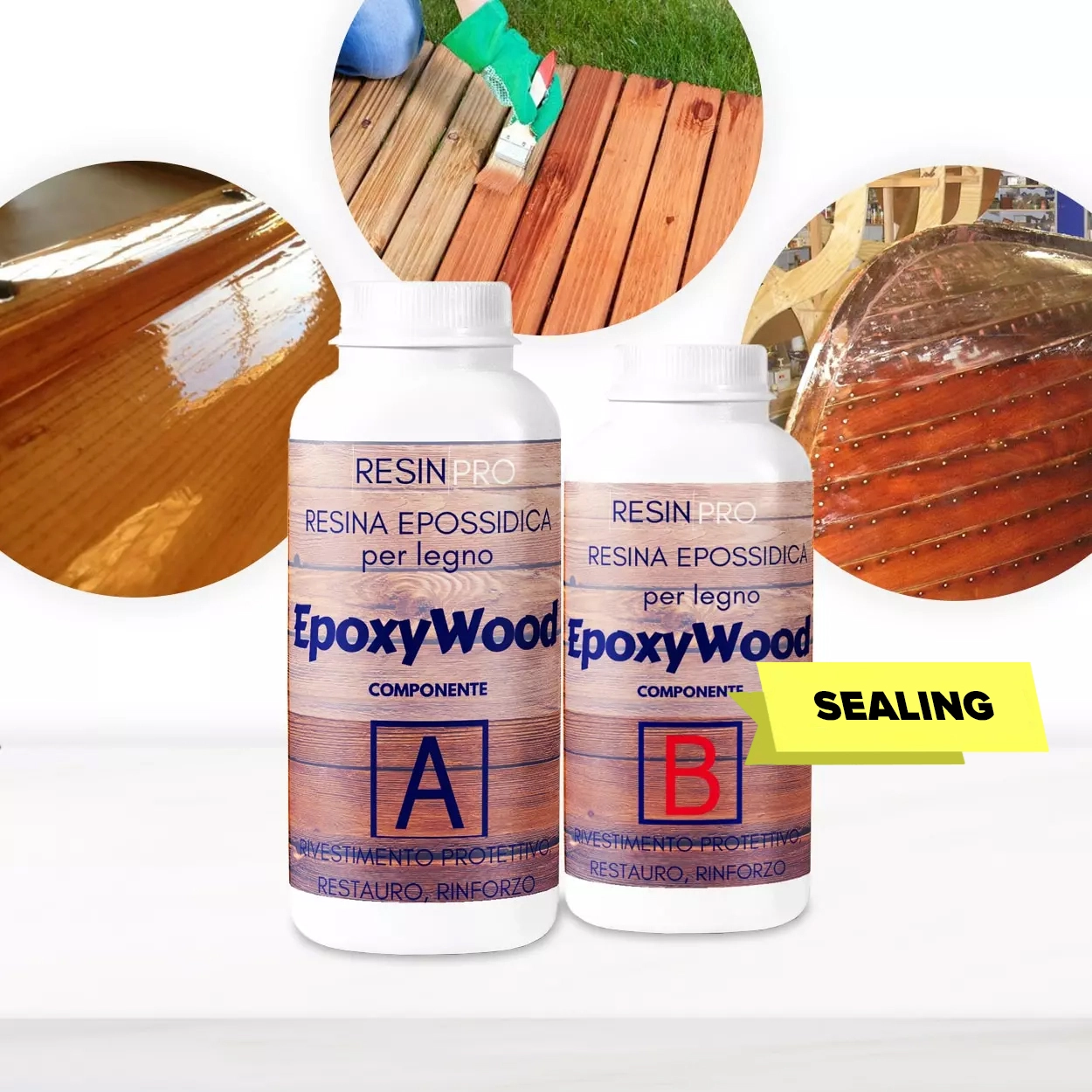 "EpoxyWood" – Wood Restoration Epoxy Resin for Deep Penetration and WaterproofingPrice range: £27.95 through £41.95EpoxyWood is designed to restore and waterproof wooden surfaces, suitable for wood and boat hulls with a natural finish.
Frequently Asked Questions
Which product do I use for different types of damage on a resin boat?
Resin Fibreglass Repair Kit is well-suited for structural repairs, while CROP 2K Fiberglass Putty fills cracks and dents. Choose based on the extent of the damage and required reinforcement.
How long does a resin boat repair take to cure?
Curing times vary depending on ambient temperature and product type. Expect full cure within several hours to overnight; always follow the manufacturer's instructions for best results.
Can a beginner repair a resin boat?
Yes, with clear instructions and proper safety precautions, beginners can achieve strong and lasting repairs using complete kits and following step-by-step guidance.
What is the difference between polyester and epoxy resin for repairs?
Epoxy resin provides superior strength and bonding, while polyester is more cost-effective for structural repairs. Select based on compatibility and required durability.
Can I coat wooden parts on my resin boat?
Yes, products like EpoxyWood are specially formulated to restore and waterproof wooden components often found in resin boats.
Do I need to sand between resin layers?
Sanding between layers helps ensure mechanical adhesion and a smooth finish. Remove dust before applying the next layer for best results.