 Free shipping on orders over £29,85
  Shipping Tracking!


 Google
 Facebook
How do you remove tiny bubbles inside epoxy resin?
Simple methods to achieve flawless, clear resin finishes every time

Want clear, glass-smooth results with your epoxy resin projects? Tiny bubbles trapped in resin can dull your work and compromise its final look. This guide covers tried-and-tested methods for eliminating small bubbles from epoxy resin, so you can achieve professional clarity whether you’re creating art, jewellery, or coatings. No experience required—just careful technique and the right tools.
What You’ll Need
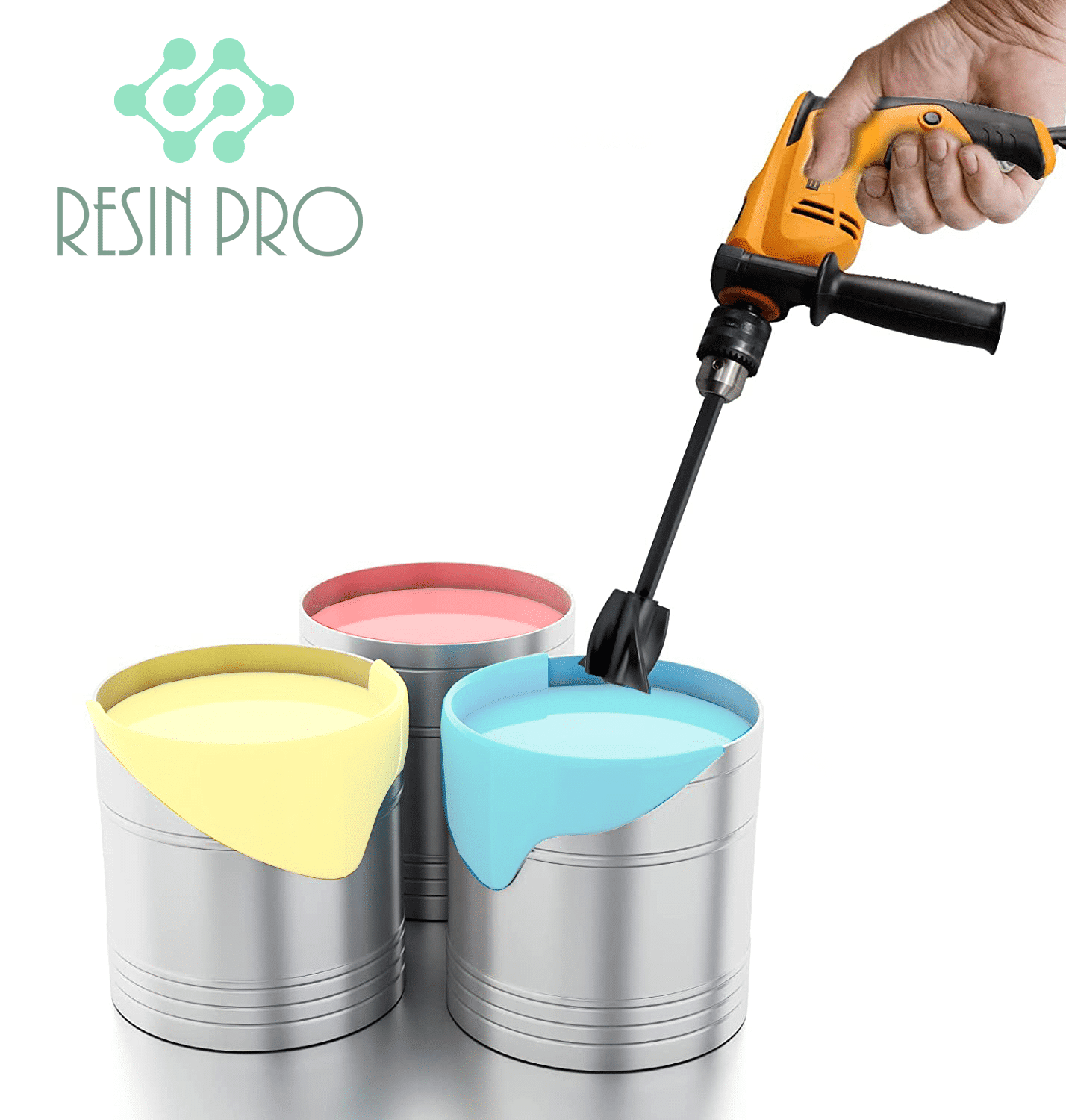
- Anti Bubble Mixer for Epoxy Resin – Reusable Mixing Tool: Supports smooth mixing and reduces bubble formation.
- Mixing Buckets Kit for Epoxy Resin Art – Easy Clean Flexible Design: Flexible buckets for easy, even resin preparation.
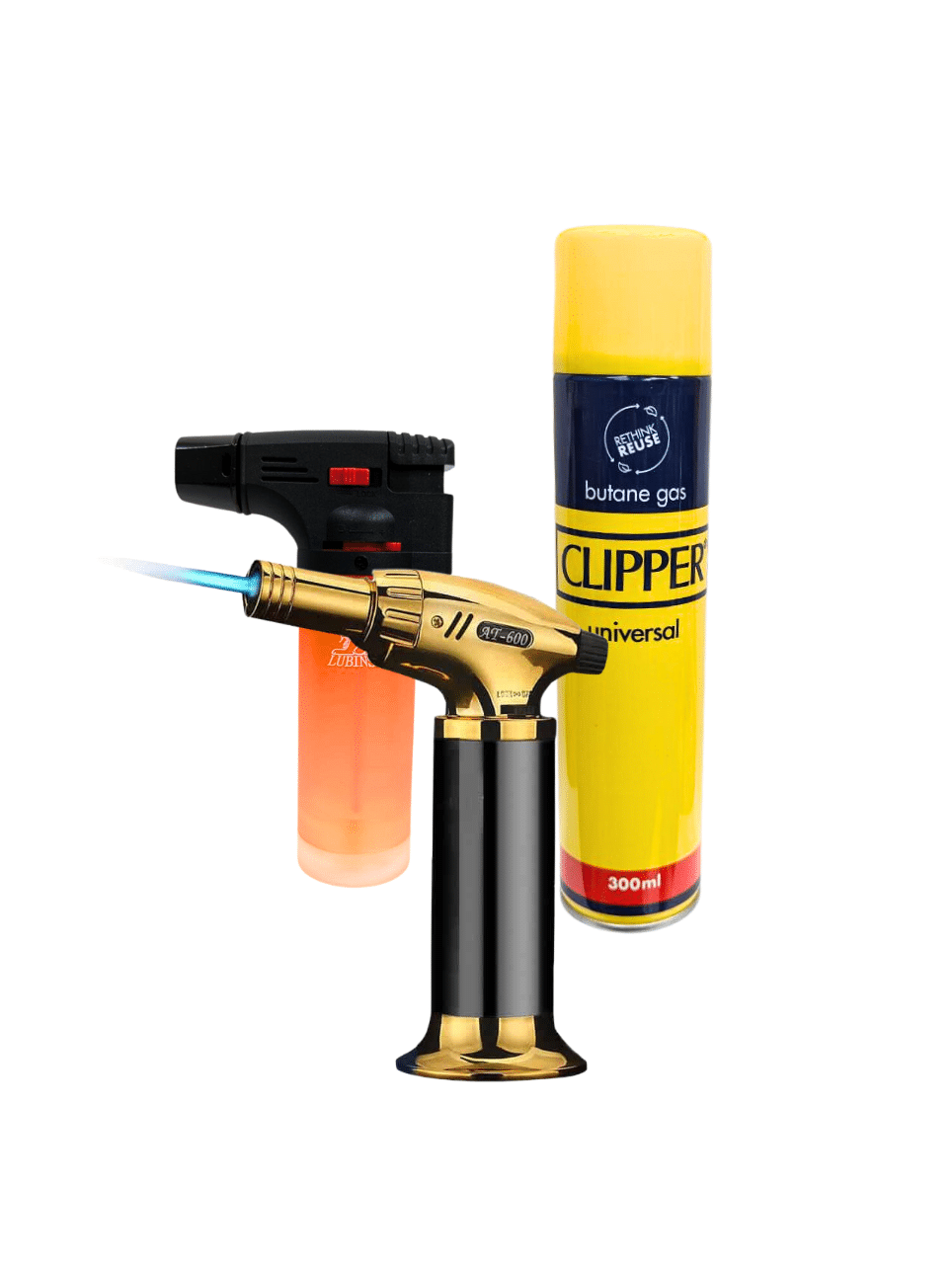
- Gas Heat Gun for Epoxy Resin – Precision Tool for Bubble Removal and Finishing: Provides controlled heat to lift and pop surface bubbles.
- Pure Isopropyl Alcohol 99.9% – 1000ml Bottle for Epoxy Resin Projects & DIY: For surface bubble elimination and cleaning.
- Nitrile gloves and protective surface cover
Essential Tools for Bubble-Free Results
Using purpose-designed tools ensures your epoxy resin remains clear and flawless. Choose a reusable mixing tool to minimise air introduction, soft-sided buckets for gentle blending, and a quality heat gun to finish your surface. Pure isopropyl alcohol is perfect for final detail work, especially with delicate effects or microbubbles. Start with the right equipment—your finished projects will show the difference.
Step 1: Mix Epoxy Resin Carefully to Minimise Bubbles
How you blend resin and hardener greatly affects bubble formation. Thorough mixing helps prevent bubbles, but overly aggressive stirring can introduce excess air. Always follow the manufacturer’s resin-to-hardener ratio and mix slowly using a smooth, steady motion. Scrape the sides and bottom of your mixing container to ensure even blending without creating extra turbulence.
Using dedicated equipment matters. The Anti Bubble Mixer for Epoxy Resin – Reusable Mixing Tool is designed for gentle, consistent mixing. Combined with a Mixing Buckets Kit for Epoxy Resin Art – Easy Clean Flexible Design, you can avoid corners or edges that trap unmixed resin and cause unwanted air pockets.
Step 2: Allow Resin to Rest Before Pouring
Once mixed, let your resin sit in the container for 1–3 minutes. This settling period allows naturally formed bubbles to rise and pop at the surface before transfer. Only mix as vigorously as necessary for component incorporation, then give the resin time to clarify.
Gently tap the side of your mixing bucket to loosen clinging bubbles. Pour the resin slowly into your mould or onto your project, as forceful or high pouring can reintroduce unwanted air.
Step 3: Remove Surface Bubbles with Heat
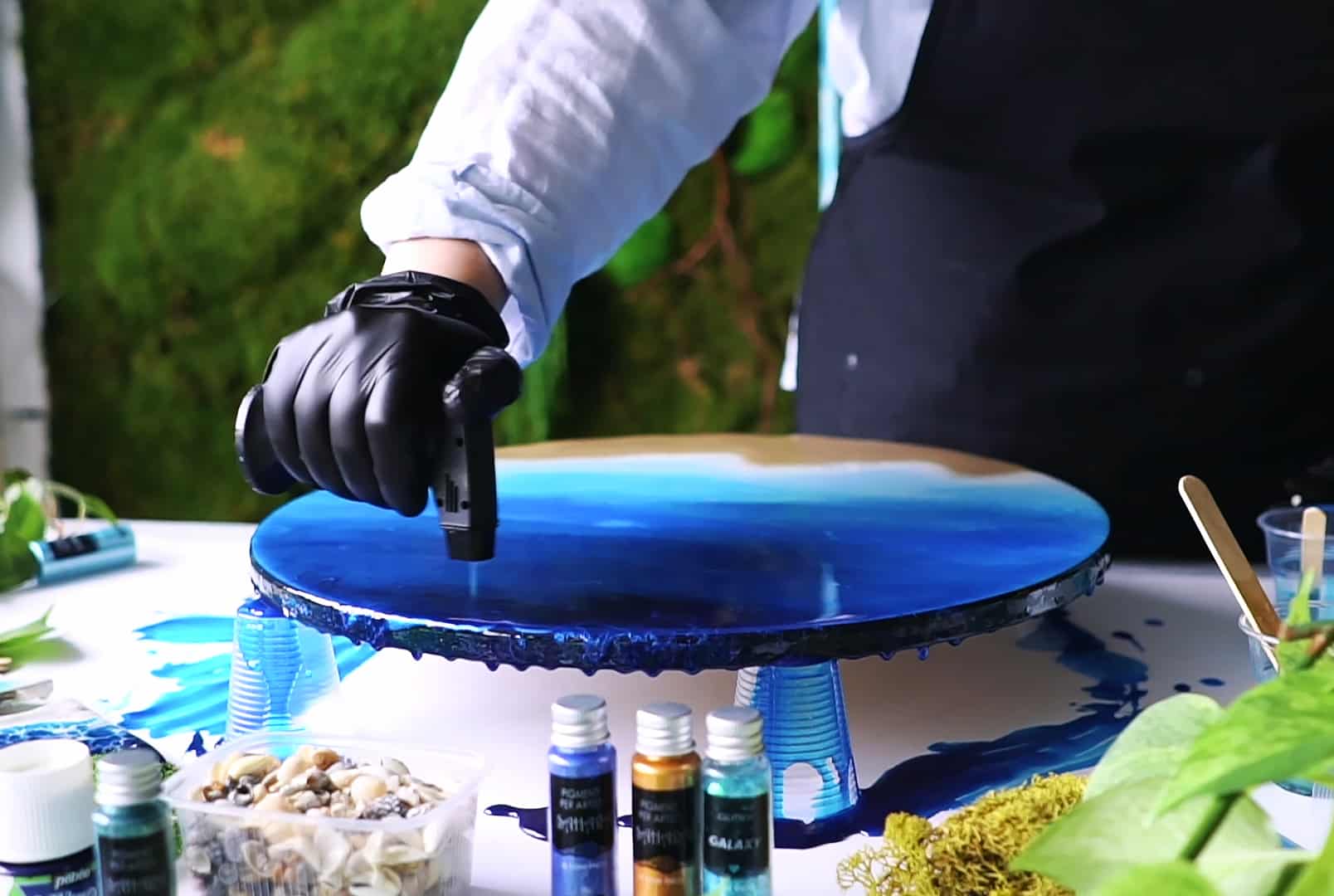
After pouring, a thin layer of lingering bubbles may appear on the surface. Wave a heat gun or torch lightly a few centimetres above the resin; the warmth will coax tiny bubbles to rise and burst. The Gas Heat Gun for Epoxy Resin – Precision Tool for Bubble Removal and Finishing offers precise and portable control, helping you perfect the finish across your entire piece without scorching or overheating.
Keep the heat source moving to prevent hot spots or damage. Two or three brief passes are usually enough for a crystal-clear result. Work in a dust- and draft-free area for best clarity.

Step 4: Use Isopropyl Alcohol for Trapped Surface Bubbles
If stubborn microbubbles remain, lightly spritz or drop a small amount of isopropyl alcohol (99.9% pure) across the resin surface. This reduces surface tension, causing bubbles to break and dissipate. Pure Isopropyl Alcohol 99.9% – 1000ml Bottle for Epoxy Resin Projects & DIY is highly effective for this step, and leaves no residue when used in moderation.
Always allow alcohol to evaporate completely before applying heat to avoid fume ignition or surface hazing. Wait 5–10 minutes before using your heat gun again if needed.
Tips, Common Mistakes, and Troubleshooting
For the best results, pour and cure your resin at room temperature—avoid high humidity or cold spaces, which can interfere with bubble release. Never overheat your resin surface, as this can cause craters, yellowing or surface defects. Likewise, do not combine heat and alcohol simultaneously—always separate these steps for safety and clarity.
Remember, patience pays off: allowing time for resting, thorough tool cleaning, and staged bubble removal yields consistently clearer outcomes. Should bubbles persist, consider refining your mixing action or adjusting your workspace temperature.
Extra Advice for Clarity and Safety
Avoid open flames or excessive heat—precision is key to bubble removal. When working with isopropyl alcohol, ventilate your workspace and allow ample drying time. Keep mixing sticks and surfaces clean between uses to prevent cross-contamination. For persistent bubble issues, consider room temperature adjustments or test a small batch before pouring a final piece.
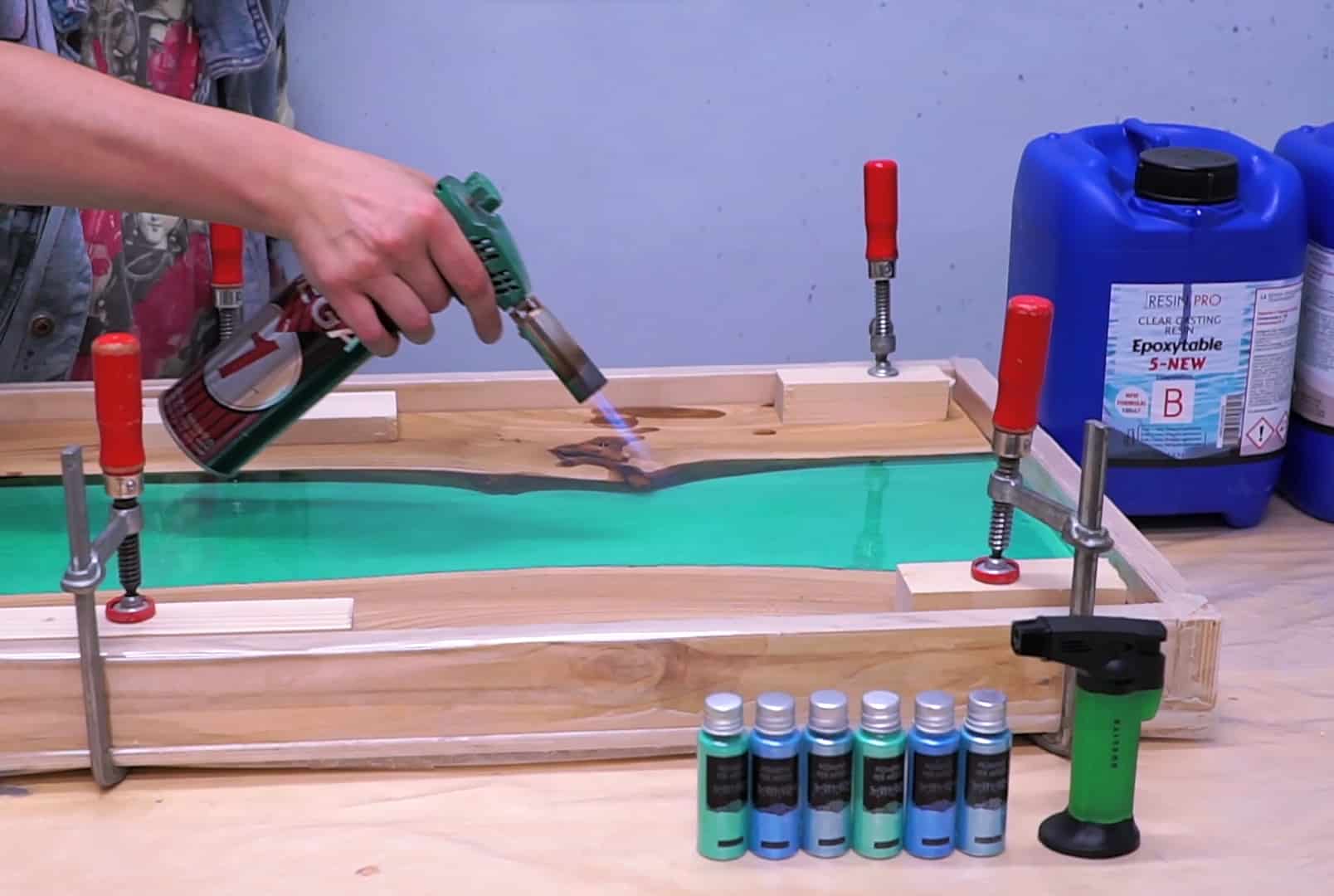
- Gas Heat Gun for Epoxy Resin – Precision Tool for Bubble Removal and FinishingPrice range: £4.45 through £14.95The Gas Heat Gun provides precision heating to reduce bubbles for a smoother epoxy resin finish.
- Pure Isopropyl Alcohol 99.9% – 1000ml Bottle for Epoxy Resin Projects & DIYPrice range: £10.45 through £20.95Pure Isopropyl Alcohol 99.9% helps remove bubbles and create effects in epoxy resin projects.
- Anti Bubble Mixer for Epoxy Resin – Reusable Mixing ToolPrice range: £4.95 through £12.45Reusable mixing tool designed for epoxy resin projects to support bubble-free mixing and ease of use.
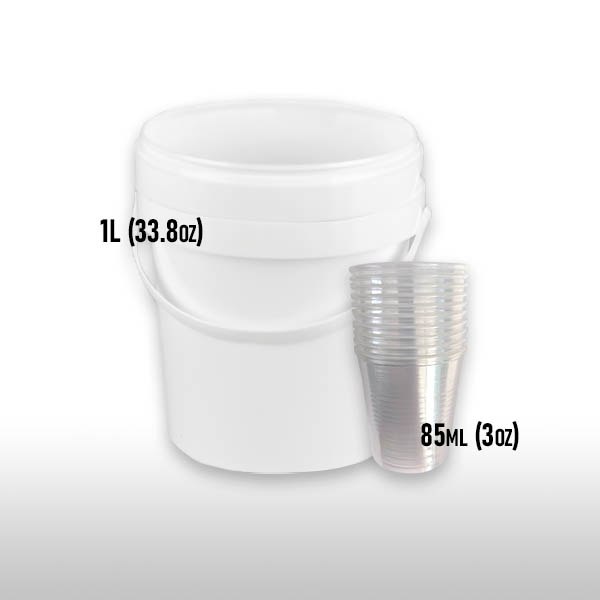 Mixing Buckets Kit for Epoxy Resin Art – Easy Clean Flexible DesignPrice range: £2.05 through £8.95Mixing Buckets Kit designed for resin artists to mix epoxy resin with ease and clean up simply in craft projects.
Frequently Asked Questions
What is the most effective way to remove bubbles from epoxy resin?
The most reliable method is careful mixing, resting your resin, followed by heating the surface with a heat gun to pop bubbles.
Can I use isopropyl alcohol to remove bubbles in epoxy resin?
Yes. Lightly applying 99.9% isopropyl alcohol on the surface helps pop surface bubbles but allow it to evaporate before reheating.
Is it safe to use a heat gun to remove bubbles?
A heat gun is safe when used a few centimetres above the resin in a gentle, continuous motion to avoid surface damage.
How can I avoid microbubbles when mixing epoxy resin?
Mix slowly with a dedicated anti-bubble mixing tool and avoid vigorous stirring to minimise air trapping.
Can bubbles be fixed once my resin is cured?
Usually not; prevention during mixing, pouring, and curing is key. Sanding and recoating might hide small imperfections.
Do I need special equipment to remove bubbles in epoxy resin?
While not strictly required, mixing buckets, anti-bubble mixers, and heat guns make bubble removal easier and more effective.
Is it safe to use a heat gun right after alcohol application?
No. Always allow isopropyl alcohol to evaporate completely before using heat to reduce the risk of fire or fumes.