 Free shipping on orders over £29,85
  Shipping Tracking!


 Google
 Facebook
← Back to How do you resin a boat?
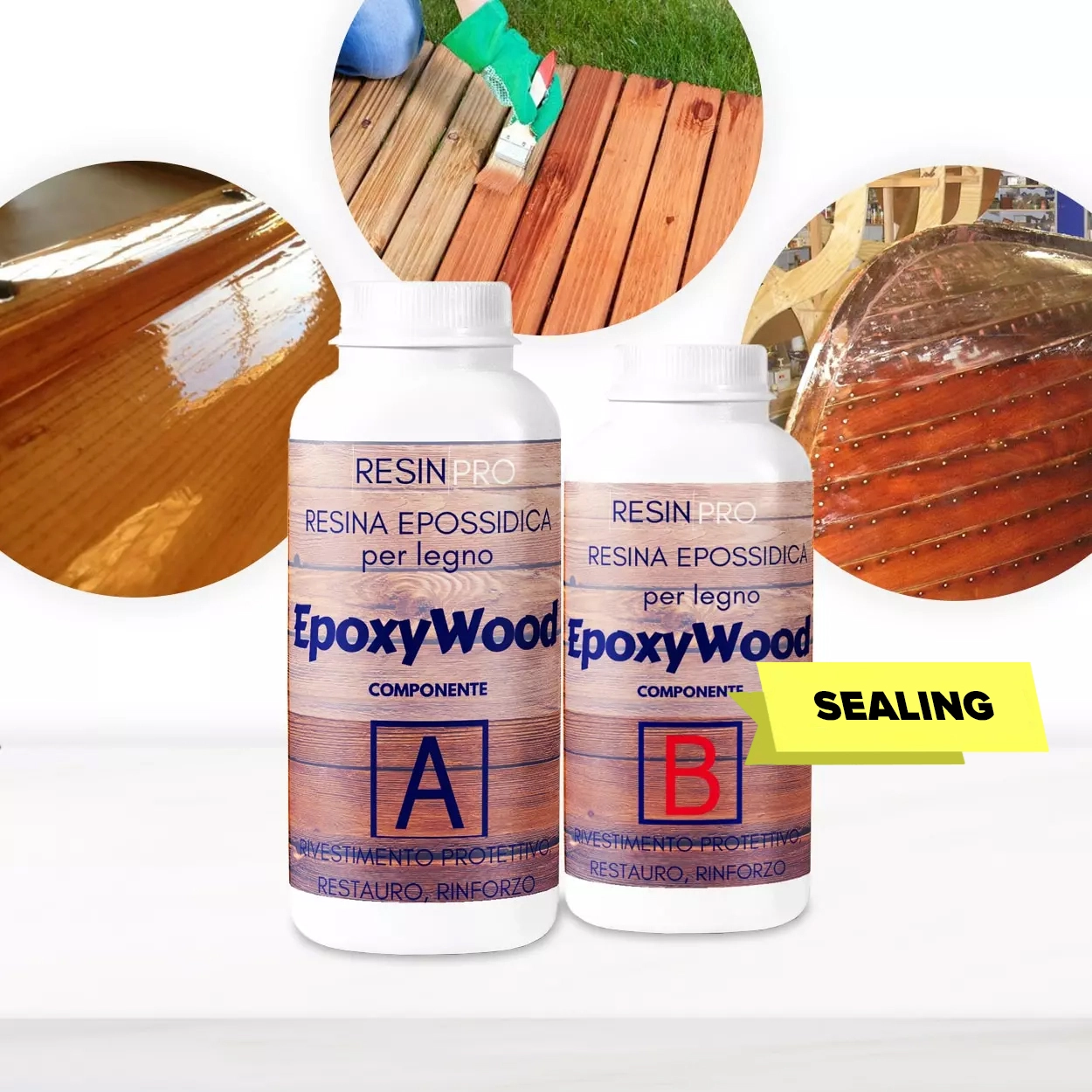
Applying the right number of resin coats to your boat hull is essential for creating a robust, waterproof barrier that stands up to the rigours of marine use. Here’s how many coats to use and why careful application matters.
Recommended Number of Resin Coats
For most boat hulls, it’s advised to apply 2 to 3 coats of resin. This level ensures a solid, continuous seal that protects against water ingress and the effects of abrasion. Each layer enhances both the durability and the finish, and proper drying time between coats is necessary to achieve the best performance.
Tips for Application and Curing
Begin with a clean, fully dry hull. Apply the first coat of resin with a roller or brush, working thoroughly into the surface. Allow it to cure fully before lightly sanding and applying the next layer—this step improves adhesion and helps avoid imperfections. Using specialised marine resins such as EpoxyWood or a dedicated fibreglass epoxy ensures optimal bonding and lasting waterproofing. Always check the manufacturer’s instructions for precise curing times.
When Coat Count Matters Most
- For old or weathered hulls: Three coats may be advantageous for sufficient penetration and reinforcement.
- High wear zones: The keel and waterline areas see heavy use—an extra coat can provide extra peace of mind.
Related products
Related guides
Choosing the right number of resin coats is vital for hull longevity and performance. For more guidance on boat resin techniques and tailored product recommendations, revisit our main guide on how to resin a boat.