 Free shipping on orders over £29,85
  Shipping Tracking!


 Google
 Facebook
How do you resin a boat?
Step-by-step guide for sealing, strengthening, and protecting boats


Resining a boat ensures essential waterproofing, structural reinforcement, and a renewed finish – vital whether you’re restoring a classic wooden hull, repairing fibreglass, or simply seeking to prolong the life of your marine craft. This practical guide covers all core steps, from preparing the surface to achieving a flawless, durable resin coat, with safety tips and troubleshooting for a confident result.
What You’ll Need
- “EpoxyWood” – Wood Restoration Epoxy Resin for Deep Penetration and Waterproofing – for deep wood sealing and waterproofing
- “Carbon Resin” – Epoxy Resin for Carbon Fiber & Fiberglass Coating – for composites, carbon fibre or fibreglass sections
- Resin Fibreglass Repair Kit – Complete Polyester Resin and Hardener Set – all-in-one solution for structural repairs
- Protective gloves and mask
- Clean cloths, mixing containers, and application brushes or rollers
- Fine grit sandpaper
- Acetone or suitable surface cleaner
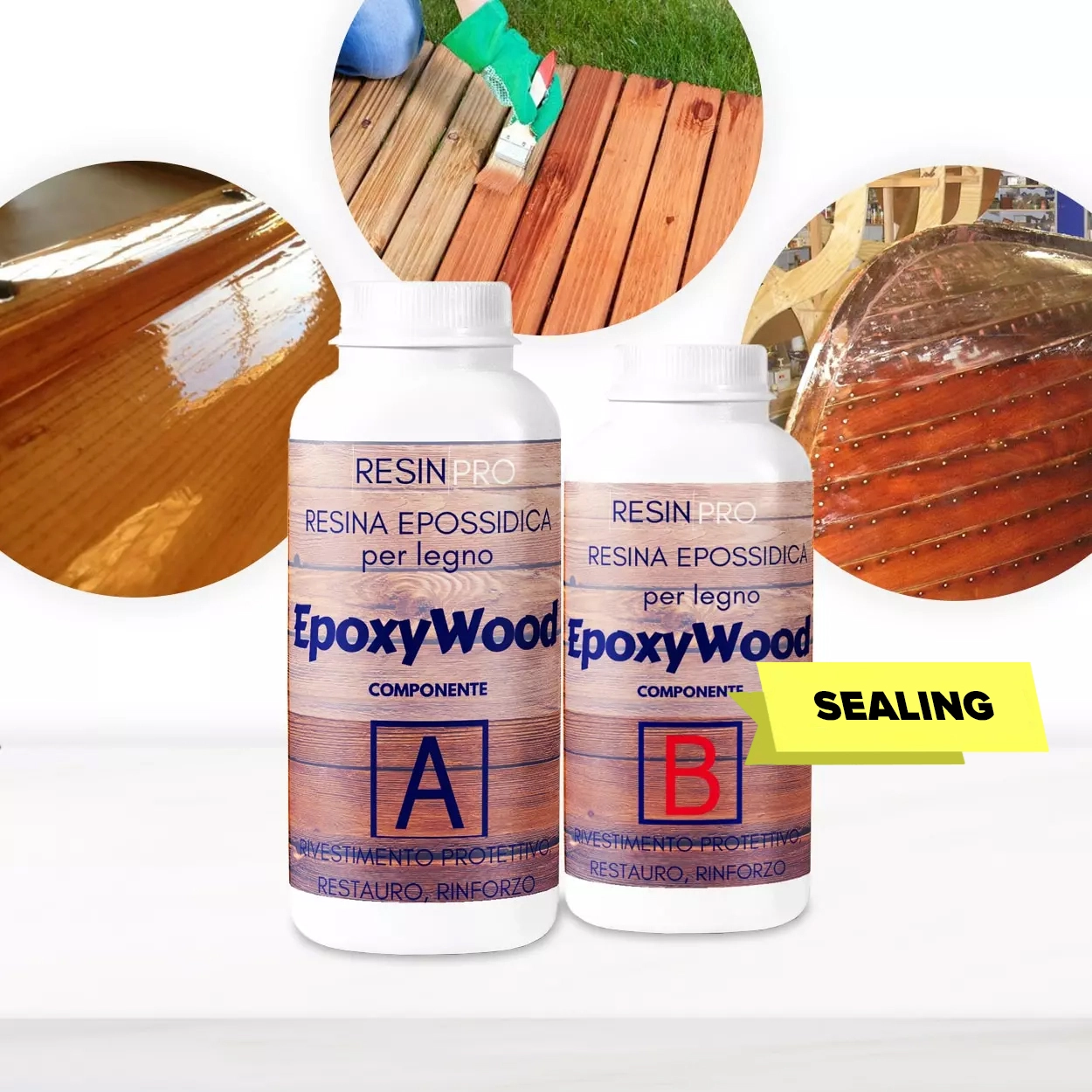
Essential Safety Gear and Preparation Advice
Safety comes first. Always ensure you’re working with gloves, a mask, and suitable ventilation. Keep resin products and tools away from open flames, and read all application guidelines before use. The better the preparation, the more resilient your boat’s new finish will be.

Step 1: Prepare the Boat’s Surface Thoroughly
The foundation of a successful resin application is meticulous surface prep. Begin by removing any loose paint, old coatings, or debris using fine grit sandpaper. Sand down to a sound substrate, focusing on areas with visible wear, cracks, or rot. Clean the entire surface with acetone or a marine-grade cleaner to eliminate dust, oils, or contaminants. Let the surface dry fully before continuing – trapped moisture can lead to adhesion failure and bubbles in the resin.
Inspection of the hull is vital: look out for water damage, soft spots, or delamination on fibreglass. Address these with appropriate resin or filler before proceeding with coating.
Always wear appropriate protective gear, including gloves and a mask.
Step 2: Repair and Reinforce Damaged Areas
Tackle structural issues such as cracks, holes, or weakened hull sections before overall coating. For repairing damaged fibreglass or reinforcing high-stress areas, a complete kit like the Resin Fibreglass Repair Kit – Complete Polyester Resin and Hardener Set provides resin, hardener, fibreglass mat, and tools, making it easier to create a strong, waterproof patch.
When restoring and sealing wood, use “EpoxyWood” – Wood Restoration Epoxy Resin for Deep Penetration and Waterproofing to soak deeply into the fibres, hardening weakened areas and offering lasting waterproofing. Apply according to instructions, ensuring full saturation for a robust restoration.
Let all repairs cure completely before sanding smooth and removing any dust. A uniform surface will ensure the final resin layer adheres perfectly.
Step 3: Apply Your Chosen Resin for Sealing and Coating
Once the hull is smooth, clean, and dry, mix your selected resin following the manufacturer’s ratio. For wooden boats or decks, coat with “EpoxyWood” – Wood Restoration Epoxy Resin for Deep Penetration and Waterproofing for deep penetration and a reliable waterproof barrier. If working over fibreglass or composite structures, “Carbon Resin” – Epoxy Resin for Carbon Fiber & Fiberglass Coating is formulated to bond strongly with technical fabrics, minimising bubbles and maximising strength.
Apply resin using a high-quality brush or roller, working in smooth, even strokes. Avoid overloading the brush, as excess resin can pool and create drips. Depending on your resin, multiple thin coats may be preferable to one thick layer – always allow each coat to cure fully before recoating, and lightly sand to ensure optimal adhesion between layers.
Allow adequate curing time based on the resin type and temperature.

Step 4: Inspect, Finish, and Cure for a Lasting Result
After your final resin layer is dry, inspect closely for missed spots or imperfections. Lightly sand to a smooth finish if desired, and wipe clean before storing or re-launching the boat. The curing stage is crucial: avoid wetting, polishing, or placing weight on the surface until the resin is fully hardened, as per the product instructions.
Patience is key to a lasting, professional result. If the temperature is low, curing may take longer – ensure the boat is protected from dust, rain, and temperature extremes during this phase.

Top Tips and Common Mistakes to Avoid
Work in a well-ventilated, dust-free area to avoid surface imperfections. Warm, stable conditions promote even curing and reduce the risk of condensation or clouding beneath the resin.
If you spot bubbles, torch or roll gently to eliminate them while the resin is still wet. Never apply a new coat before the previous one is fully set – partial curing can result in poor adhesion and peeling.
Never rush the curing process, as this may weaken the protective seal. Double-check all safety guidance, and always choose a resin specifically suited to marine use and your boat’s construction material for the best, longest-lasting protection.
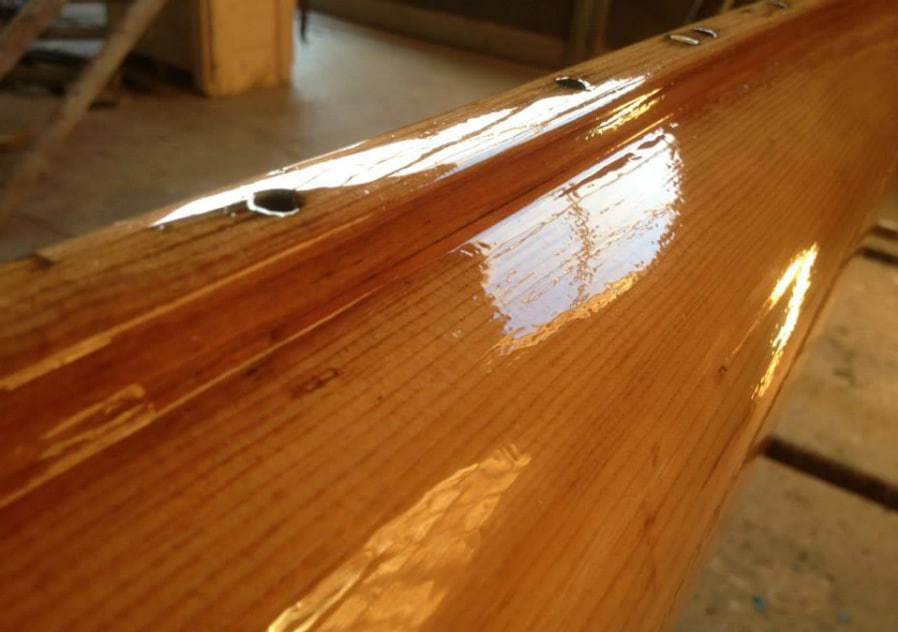
Visual Guide: Resin Application in Progress
See examples of successful marine resin techniques in action. Step-by-step photos showcase wood restoration, fibreglass repairs, and professional resin finishes, giving you a reference for every stage of the process.
- "EpoxyWood" – Wood Restoration Epoxy Resin for Deep Penetration and WaterproofingPrice range: £27.95 through £41.95"EpoxyWood" provides repair and protection for wooden surfaces including boats, with a focus on deep penetration and waterproofing.
- "Carbon Resin" – Epoxy Resin for Carbon Fiber & Fiberglass CoatingPrice range: £19.95 through £37.95Epoxy resin designed for carbon fibre and fibreglass applications, suitable for composites and technical fabric projects.
- Resin Fibreglass Repair Kit – Complete Polyester Resin and Hardener SetThe Resin Fibreglass Repair Kit offers a professional polyester resin system suitable for structural repairs on boats and rigid materials.
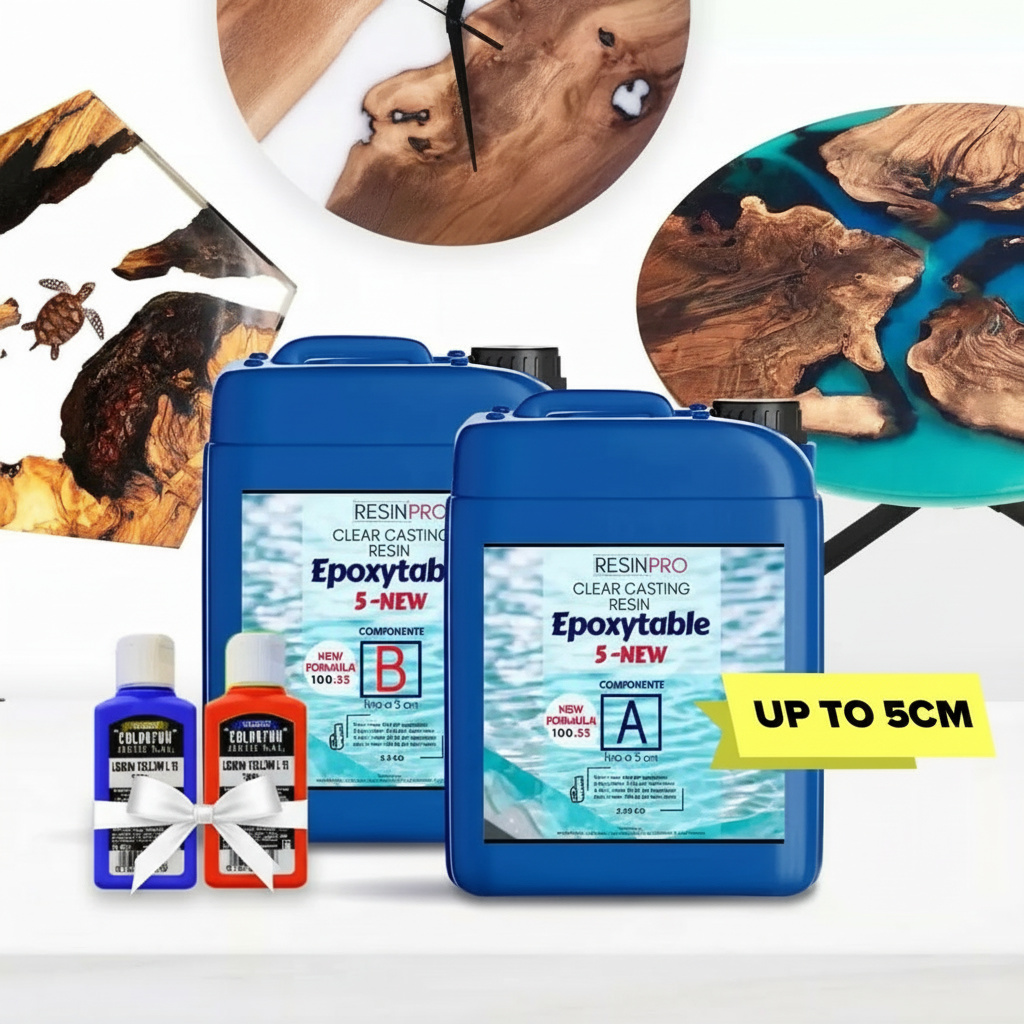 "EpoxyTable 5-Five" – Deep Pour Epoxy Resin for Tables and Large Projects – Up to 5cmPrice range: £17.95 through £1,154.95"EpoxyTable 5-Five" is designed for deep pour applications up to 5cm, suitable for durable and clear table projects.
Frequently Asked Questions
Can any resin be used on boats?
Not all resins are suitable – use resins designed for marine environments and follow manufacturer guidance for waterproofing and durability.
How many coats of resin are needed for a boat hull?
Generally, 2–3 coats are recommended for optimal protection, allowing full curing between each application.
How long should resin cure before putting the boat in water?
Cure time varies by resin type and temperature, but most systems require at least 48–72 hours before putting the boat in water.
Do you need to sand between resin coats on a boat?
Yes, sanding lightly between coats helps ensure good adhesion and a flawless final finish.
What thickness can I apply epoxy resin on a boat?
Typically, apply in thin layers as per product instructions; thick layers should be done in stages to prevent overheating and ensure even curing.
How do I prevent bubbles when resining a boat?
Mix slowly, apply with care, and use a heat gun or roller gently to remove bubbles while the resin is wet.