 Free shipping on orders over £29,85
  Shipping Tracking!


 Google
 Facebook
How do you restore an epoxy resin tabletop?
Step-by-step guide to revive glossy resin surfaces safely


Epoxy resin tabletops are stunning centrepieces, but over time, even the best surfaces can become scratched, dull, or marked by daily use. Whether your table is suffering from minor surface wear or deeper imperfections, restoring its original gloss and clarity is completely achievable. This comprehensive guide covers every step needed to repair, resurface, and polish your tabletop, bringing it back to a brilliant, long-lasting finish.
What You’ll Need
- “Epoxy Polish” – Epoxy Resin Polishing System: A reliable polishing system for removing fine scratches and restoring brilliant gloss to epoxy resin surfaces.
- “Art Pro” – Clear Epoxy Resin for Artists and Surface Coating: Provides a professional clear, durable topcoat for damaged or worn surfaces.
- “Trasparente” – Multipurpose Clear Epoxy Resin for Casting – Up to 2cm: For spot repairs or resurfacing thin areas with high clarity.
- Sanding pads or wet/dry abrasive papers (400–3000 grit)
- Microfibre cloths
- Polishing pads or rotary polisher (optional for speed and shine)
- PPE: gloves, dust mask, eye protection

See Surface Restoration in Action
Discover close-up visuals of epoxy resin tabletops before and after careful restoration. Notice how light, professional polishing removes scratches and brings out brilliant depth in every resin surface. Step-by-step transformations reveal the effectiveness of proper sanding, filling, and buffing.

Step 1: Assess and Prepare the Surface
Begin by thoroughly inspecting your tabletop under good lighting. Identify scratches, dull areas, gouges, or air bubbles that require attention. It’s important to clean the surface properly with a lint-free cloth and mild detergent to remove grease, dust, and residues before starting any restoration work. Proper preparation ensures any further steps will achieve optimal adhesion and finish.
Make sure you have all necessary equipment and protective items laid out before moving to the next stage. Clear and mask the surrounding area to protect from dust and spills.
Step 2: Sand Out Imperfections
For light surface scratches and dullness, start sanding with a fine, wet/dry abrasive pad (around 800 grit), using water to minimise heat and avoid clogging. Always sand in a circular motion with gentle, even pressure. For deeper marks or uneven areas, begin with a coarser grit (400 or 600) before progressing to finer grits up to 2000–3000. This gradual progression will smooth the surface and remove any cloudiness caused by repair work.
Remove dust and debris thoroughly between sanding grits to prevent new scratches during the process. Avoid over-sanding, especially if imperfections are shallow—the goal is simply to level and smooth without removing too much material.
Step 3: Fill and Resurface Where Needed
If your tabletop has chips, gouges, or deep scratches, these areas should be filled before proceeding to final finishing. Mix a small batch of clear epoxy resin to repair these spots: For minor touch-ups under 2 mm deep, “Trasparente” – Multipurpose Clear Epoxy Resin for Casting – Up to 2cm is ideal for its workability and clarity. For broader resurfacing, a product like “Art Pro” – Clear Epoxy Resin for Artists and Surface Coating can be used to achieve a thick, durable finish, especially on coloured or high-gloss tables.
Always apply resin in thin, even layers and avoid over-pouring. Allow adequate time for the new layer to self-level and set. Remove any air bubbles using a heat gun or torch, working carefully to prevent scorching or dust contamination.
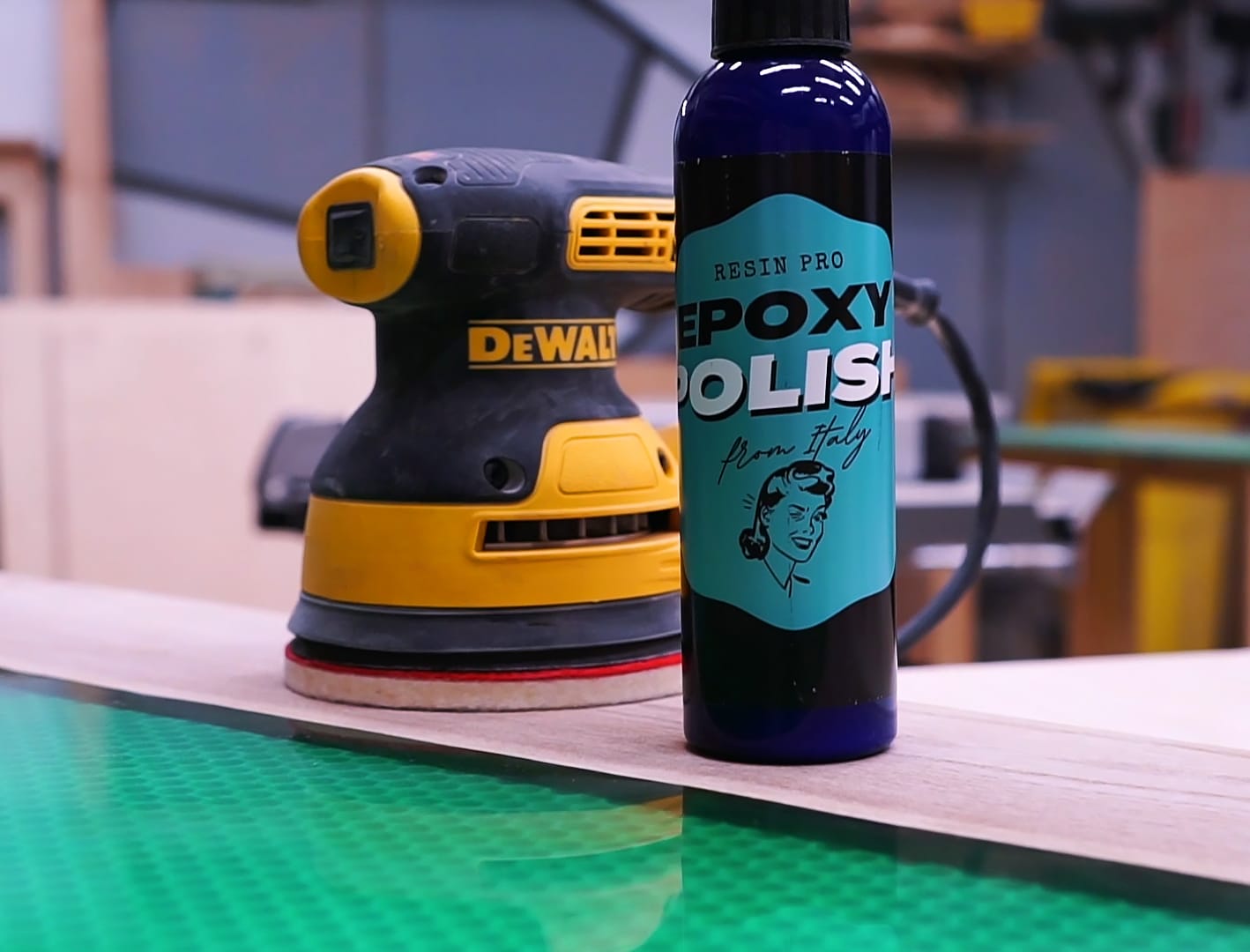
Step 4: Polish to a Mirror Shine
Once repairs are fully cured (follow the manufacturer’s curing time, typically 24–48 hours), use progressively finer sanding pads if necessary to blend edges and ensure uniform smoothness. Wipe clean thoroughly, then apply an appropriate polishing system. The “Epoxy Polish” – Epoxy Resin Polishing System delivers professional scratch removal and restores gloss on epoxy resin, plastics, and more.
With a soft pad or rotary polisher, work the cream into the surface in gentle, overlapping motions. Buff until the shine returns and all marks disappear. Finish by polishing with a clean microfibre cloth to remove residue and enhance lustre.

Care Tips and Common Mistakes to Avoid
Successful restoration means looking after your newly finished tabletop. Work in a well-ventilated area and wear appropriate PPE when sanding, mixing, or applying resin to stay safe. Allow full curing before polishing or placing any objects—rushing this process can compromise the finish or leave marks. Avoid excessive heat or heavy pressure during sanding and polishing to prevent warping or further abrasion.
Finishing Touches for a Lasting Result
Polishing and maintenance make a dramatic difference. Detailed images highlight how the right technique, together with a quality polish like Epoxy Polish, ensures a permanent, high-gloss finish. Maintain your restored epoxy table with gentle cleaning and periodic buffing to preserve its clarity and shine.

- "Epoxy Polish" – Epoxy Resin Polishing SystemPrice range: £18.95 through £47.45Epoxy Polish is a resin polishing system designed to restore a glossy finish to your projects with ease.
- "Art Pro" – Clear Epoxy Resin for Artists and Surface CoatingPrice range: £19.95 through £267.95Art Pro is a clear epoxy resin designed for artists and crafters to achieve durable, glass-like coatings with UV protection.
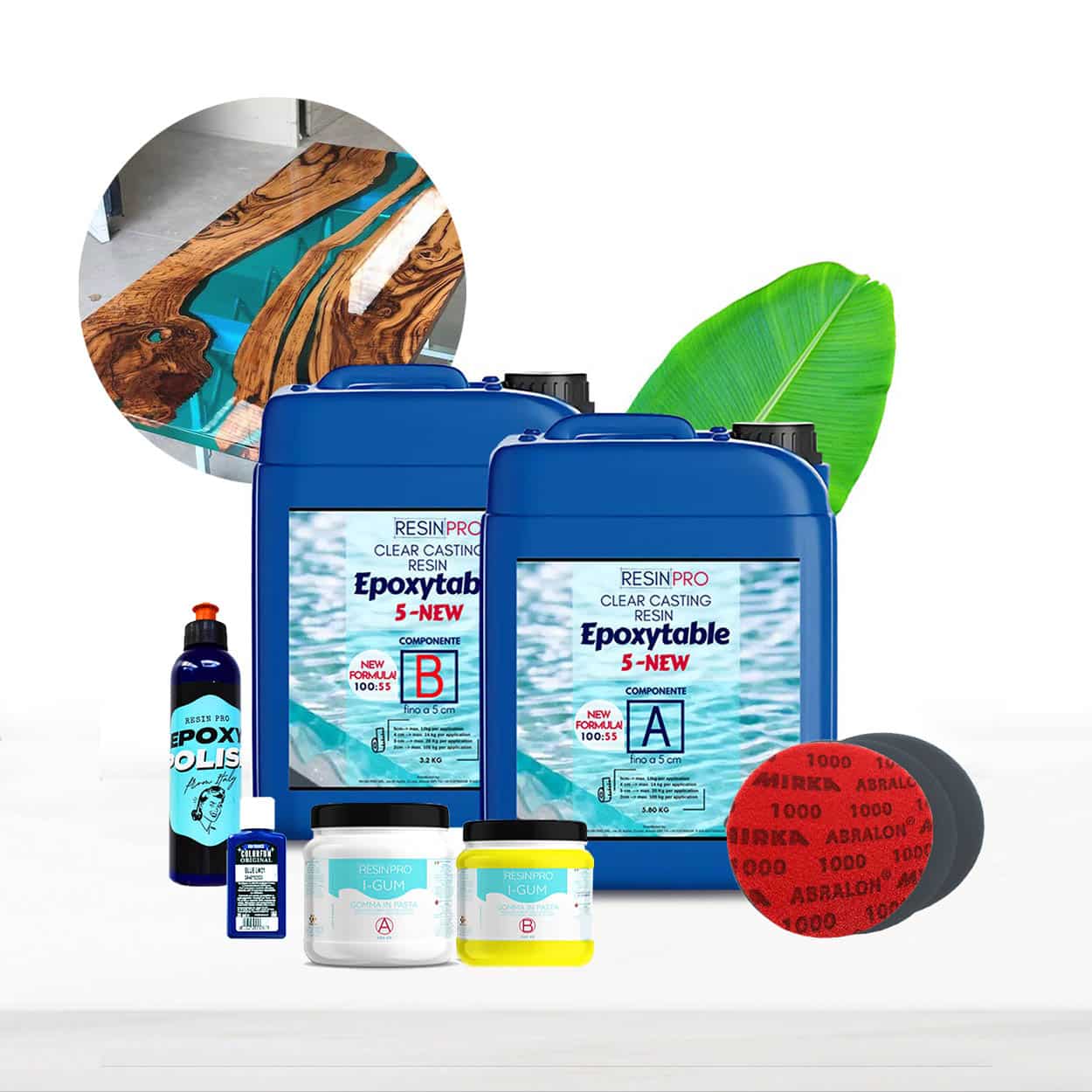 "River-Table" – Complete Kit for Creating Your First Epoxy Resin TablePrice range: £198.45 through £467.45"River-Table" kit contains materials and instructions for creating a wood and resin table, suited to those exploring epoxy tabletop projects.
 "Trasparente" – Multipurpose Clear Epoxy Resin for Casting – Up to 2cmPrice range: £8.95 through £397.95"Trasparente" clear epoxy resin is suitable for detailed castings and tables with up to 2cm layers, fitting restoration and general craft uses.
Frequently Asked Questions
What is the safest way to sand an epoxy resin tabletop during restoration?
Always use wet/dry abrasive papers, sanding gently and progressing through finer grits. Keep the surface moist and avoid excessive pressure.
Can I repair chips or gouges in my epoxy resin tabletop?
Yes, fill them with clear epoxy resin, allowing it to level and cure, then sand and polish to blend with the original surface.
When should I use polish versus pouring a new resin layer?
Polish for minor scratches or dulling. Apply a new resin layer if there are deep flaws or bare patches.
How long should I let a new layer of epoxy cure before polishing?
Typically allow 24–48 hours depending on product and thickness. Full strength and clarity may need up to 72 hours.
How can I get a glossy, glass-like finish after restoring my tabletop?
Finish with an epoxy-specific polishing system using fine pads and microfibre cloths for a deep, even shine.
Why might my resin surface appear cloudy after polishing?
Cloudiness often results from insufficient sanding or incomplete polishing. Repeat steps with finer abrasives if needed.