 Free shipping on orders over £29,85
  Shipping Tracking!


 Google
 Facebook
How to make an epoxy resin kitchen countertop?
Transform surfaces with a hard-wearing, marble-inspired finish
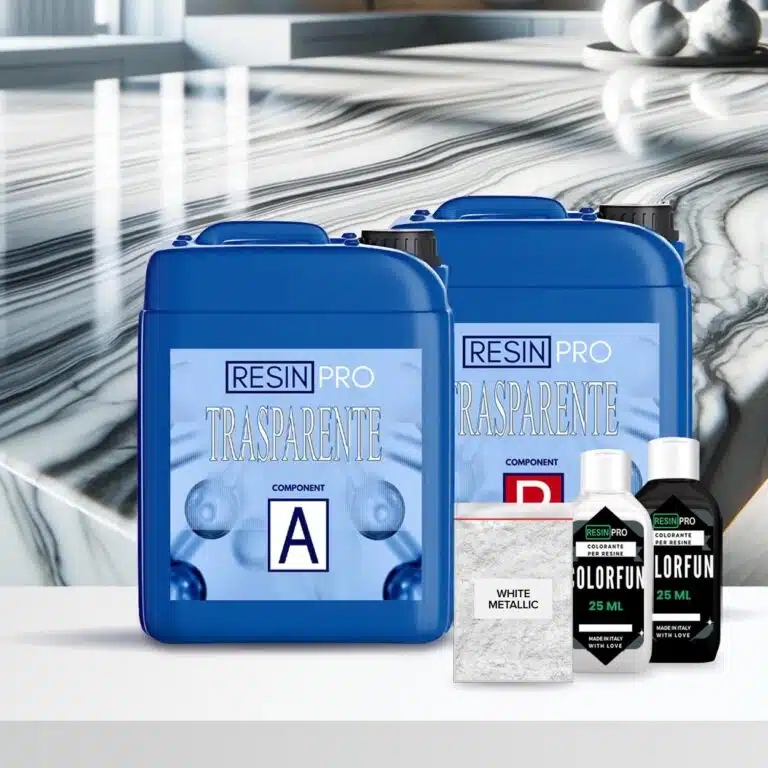
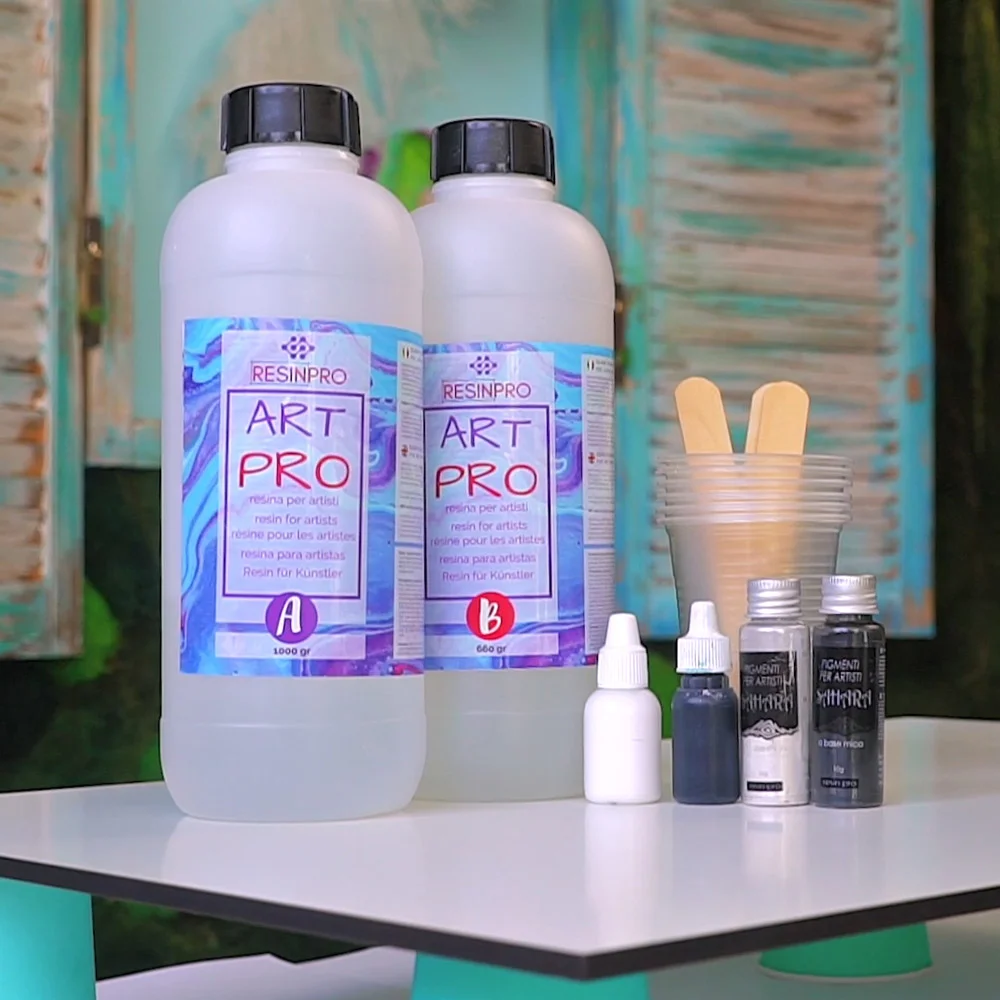
If you want to revitalise your kitchen with a show-stopping, glossy worktop, a resin countertop is a rewarding DIY project. Epoxy resin countertops are popular for their seamless look, scratch resistance, and custom design possibilities – from classic clear to stunning marble effects. This complete guide explains how to make an epoxy resin kitchen countertop, covering every step so you can achieve a professional, hard-wearing surface that stands up to everyday life.
What You’ll Need
- “Stone Effect Collection” – Marble Epoxy Resin Countertop Kit: Ideal for achieving marble or stone finishes on kitchen worktops.
- “EpoxyFood” – Certified Clear Food Contact Epoxy Resin for Coating: Choose a food-safe option if your counter will regularly contact food.
- “EpoxyTable 5-Five” – Deep Pour Epoxy Resin for Tables and Large Projects – Up to 5cm: Suitable for thick coatings or deep casting scenarios.
- Protective gloves, dust mask, and safety goggles
- Painter’s tape or masking barriers
- Sanding tools (orbital sander and various grit papers)
- Mixing buckets and spatulas
- Heat gun or blowtorch for bubbles
- Spirit level, measuring tape, cleaning supplies

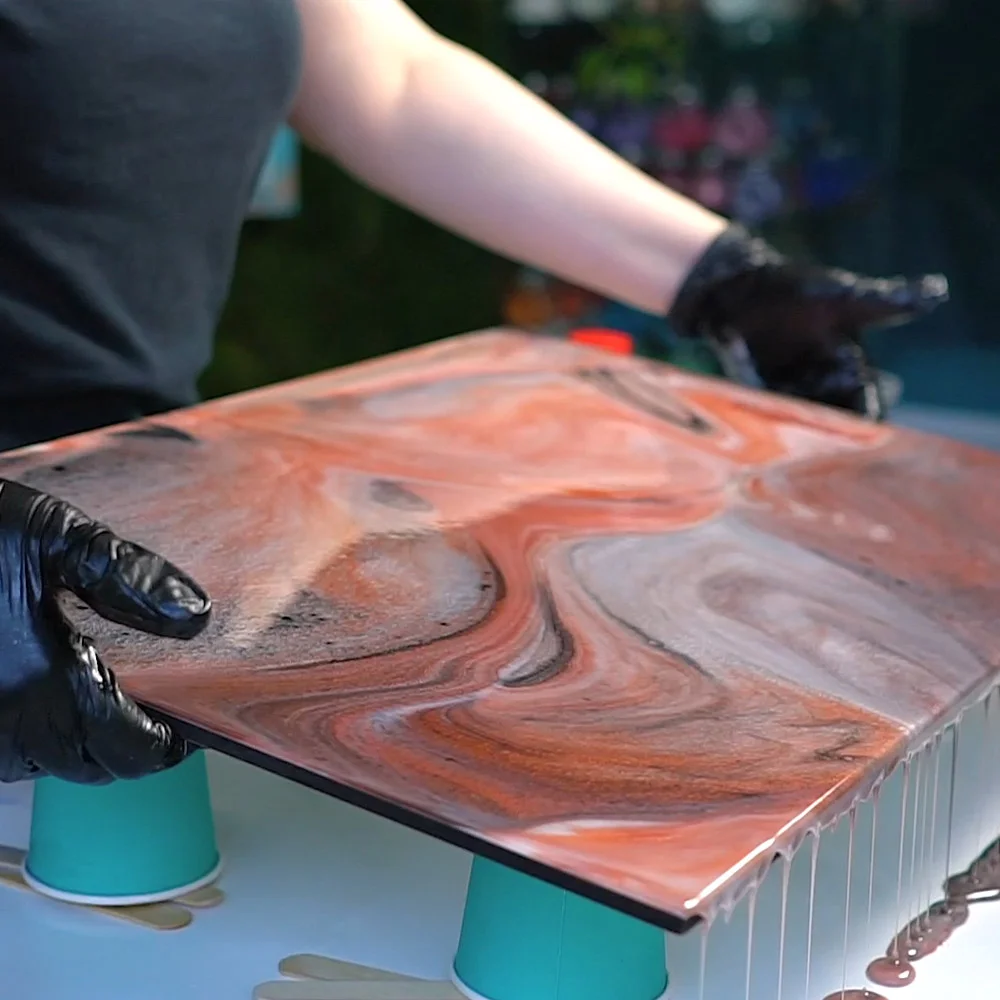
Visual Inspirations: Resin Countertop Styles
From sleek stone finishes to contemporary marble veins, browse real-life epoxy resin kitchen countertops for inspiration. Notice how custom pigment blends and the Stone Effect Collection enable unique designs, offering both subtle and dramatic looks to suit any décor.
Step 1: Prepare the Surface
Preparation is the foundation for a flawless finish. Surface must be clean, dry, and free of grease. Begin by removing any old sealants, oils, or loose coatings. If refurbishing an existing countertop, sand it thoroughly to create a lightly abraded, matte surface for best resin adhesion, and vacuum up dust.
Use filler to repair chips, cracks, or major imperfections. Permit all patches to dry and sand smooth. Wipe down the area with isopropyl alcohol or a recommended solvent, ensuring no residue.
Carefully mask all areas you do not wish to cover, including sinks, walls, and units. Tape off the bottom edges to catch drips. Lay protective sheets on the floor and ventilate the room as best as possible.
Step 2: Mix the Epoxy Resin
Accurate measuring and thorough mixing are critical for a successful result. Carefully follow the manufacturer’s mixing instructions for your chosen resin system, such as those included in the “Stone Effect Collection” – Marble Epoxy Resin Countertop Kit or the “EpoxyFood” – Certified Clear Food Contact Epoxy Resin for Coating for a food-safe surface.
Pour the resin and hardener into the mixing bucket according to the recommended ratio (commonly 100:55 by weight). Stir slowly with a spatula, scraping sides and base, for the full time suggested. If required, blend in any pigments or dyes for your desired colour and effects.
Step 3: Pour the Base Layer
Immediately after mixing, pour the resin across your countertop surface. Start at one end, letting the material self-level as you steady the flow. Spread the resin using a notched trowel or a plastic spreader, guiding the liquid towards edges for full coverage.
Take care not to puddle or create thin spots. If using a deep pour product like “EpoxyTable 5-Five”, maintain the recommended layer thickness and work in sections if needed. Gently pass a heat gun over the surface to pop air bubbles, but do not linger too long in one spot.
Allow this base coat to set according to the resin’s instructions—typically several hours to overnight—before applying decorative veins or a second clear coat.
Step 4: Add Decorative Effects and Second Layer
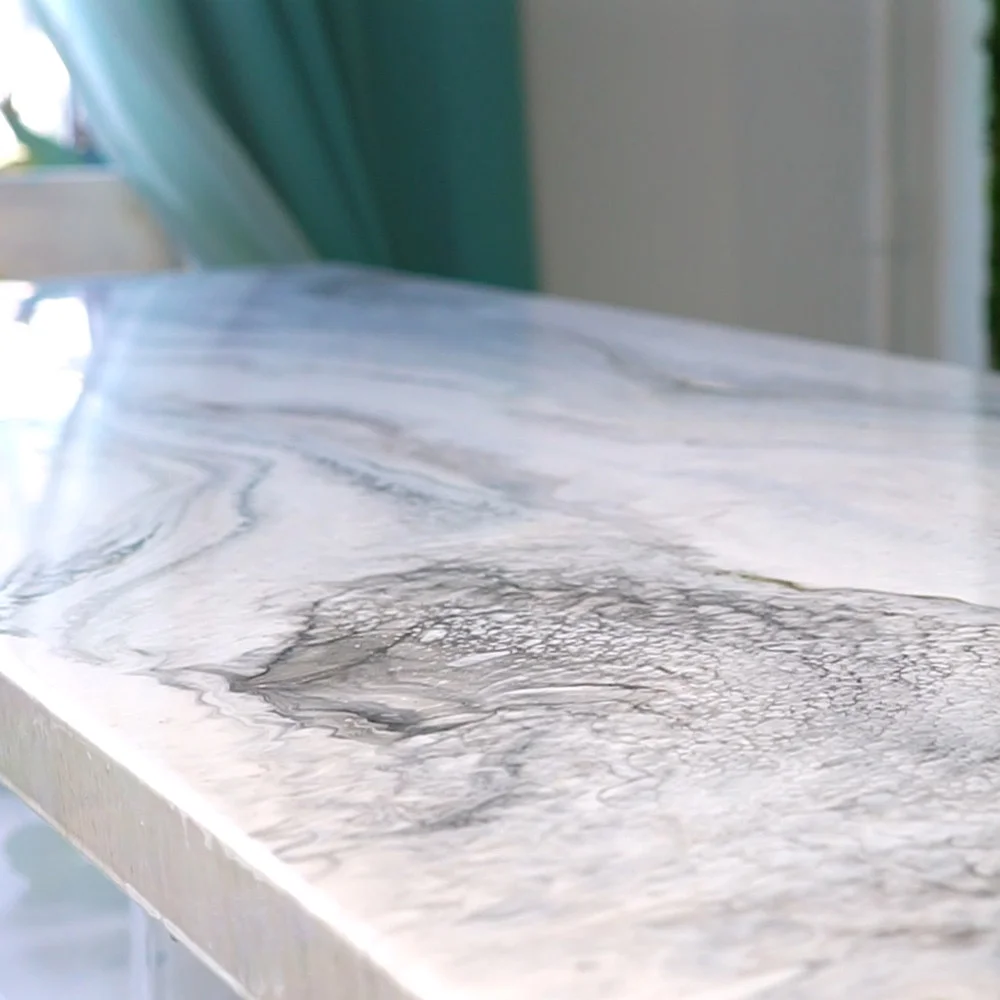
To create marble or stone effects, mix a second batch with coloured pigments, then drizzle or swipe veins across the cured or slightly set base. Use a feather, gloved finger, or alcohol spray (if included) to soften and blend the design.
Once satisfied with your patterning, pour a clear final layer over the entire surface. This encapsulates the design, increases depth and gloss, and improves durability. Allow each layer to cure fully before moving to the next to avoid clouding or uneven texture.
Stay vigilant in popping bubbles and maintaining a dust-free workspace during the curing process.

Step 5: Unmask, Sand, and Finish
Once the resin is fully cured—typically after 48–72 hours—carefully remove all tape and barriers. Inspect the surface: for a mirror-gloss result, imperfections can be sanded with fine-grit papers and then polished as directed. Wipe down thoroughly.
If you desire a matt or satin finish, sand with very fine paper or an abrasive pad. Your epoxy countertop is now ready for use—resistant to splashes, stains, and everyday wear.
Tips, Common Mistakes, and Troubleshooting
- Use painter’s tape or masking barriers to control drips and guarantee sharp edges.
- Avoid air bubbles by pouring steadily and using a heat gun gently. Overheating can damage the finish.
- Work at recommended room temperature for best self-levelling and curing.
- Be patient—full cure is essential before returning appliances or heavy items to the surface.
- If the finish looks cloudy, it may be due to excess moisture or under-mixing; sanding and re-coating can help restore clarity.
- Test pigments on a spare board to preview your marble effect before applying to the main surface.
Finishing Touches and Longevity
Maintain your new epoxy countertop by cleaning with gentle, non-abrasive products. Avoid exposing the surface to extreme heat or sharp objects for pristine results. Consider reapplying a clear food-safe coat like EpoxyFood every few years for added hygiene and lustre.
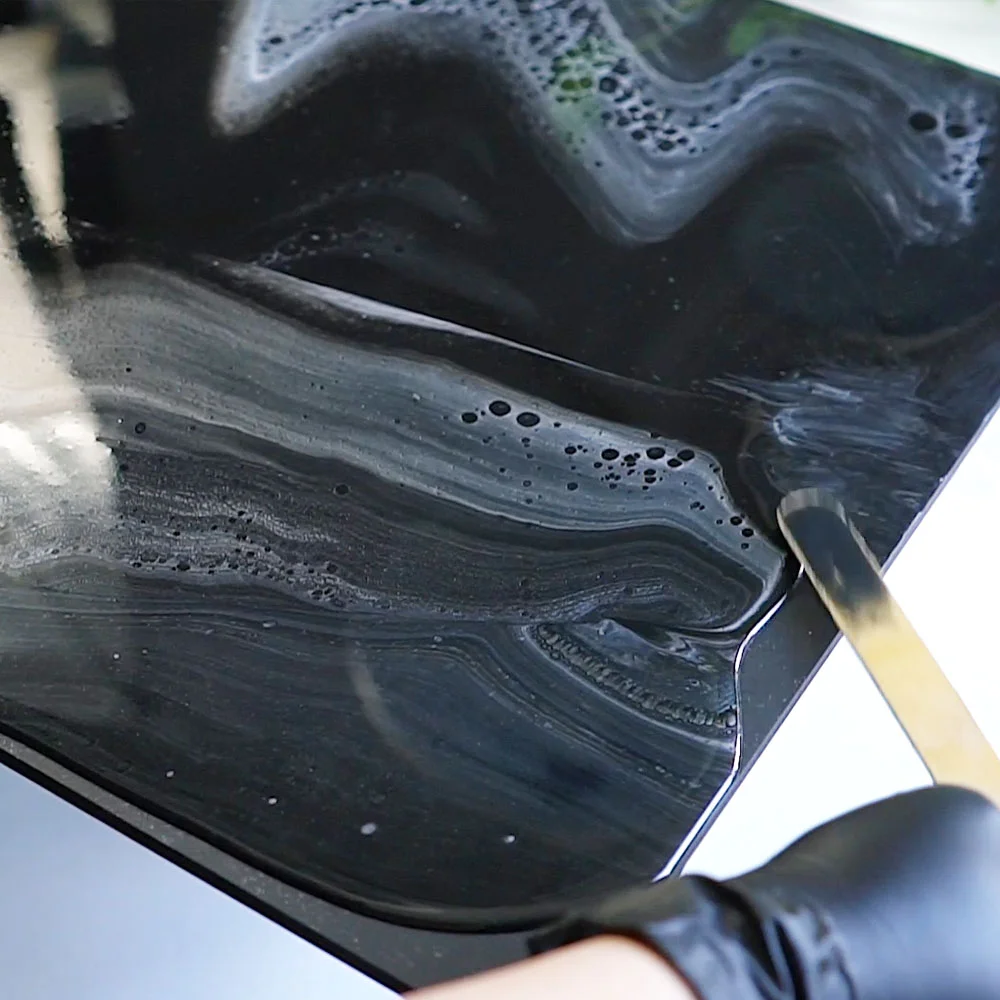
- "Stone Effect Collection" – Marble Epoxy Resin Countertop KitPrice range: £57.95 through £272.95This epoxy resin countertop kit offers professional marble and stone effects with a durable finish suitable for kitchen and bathroom surfaces.
- "EpoxyFood" – Certified Clear Food Contact Epoxy Resin for CoatingPrice range: £20.95 through £146.95"EpoxyFood" is a clear, food-safe epoxy resin designed for transparent coating projects with a gloss finish and UV resistance.
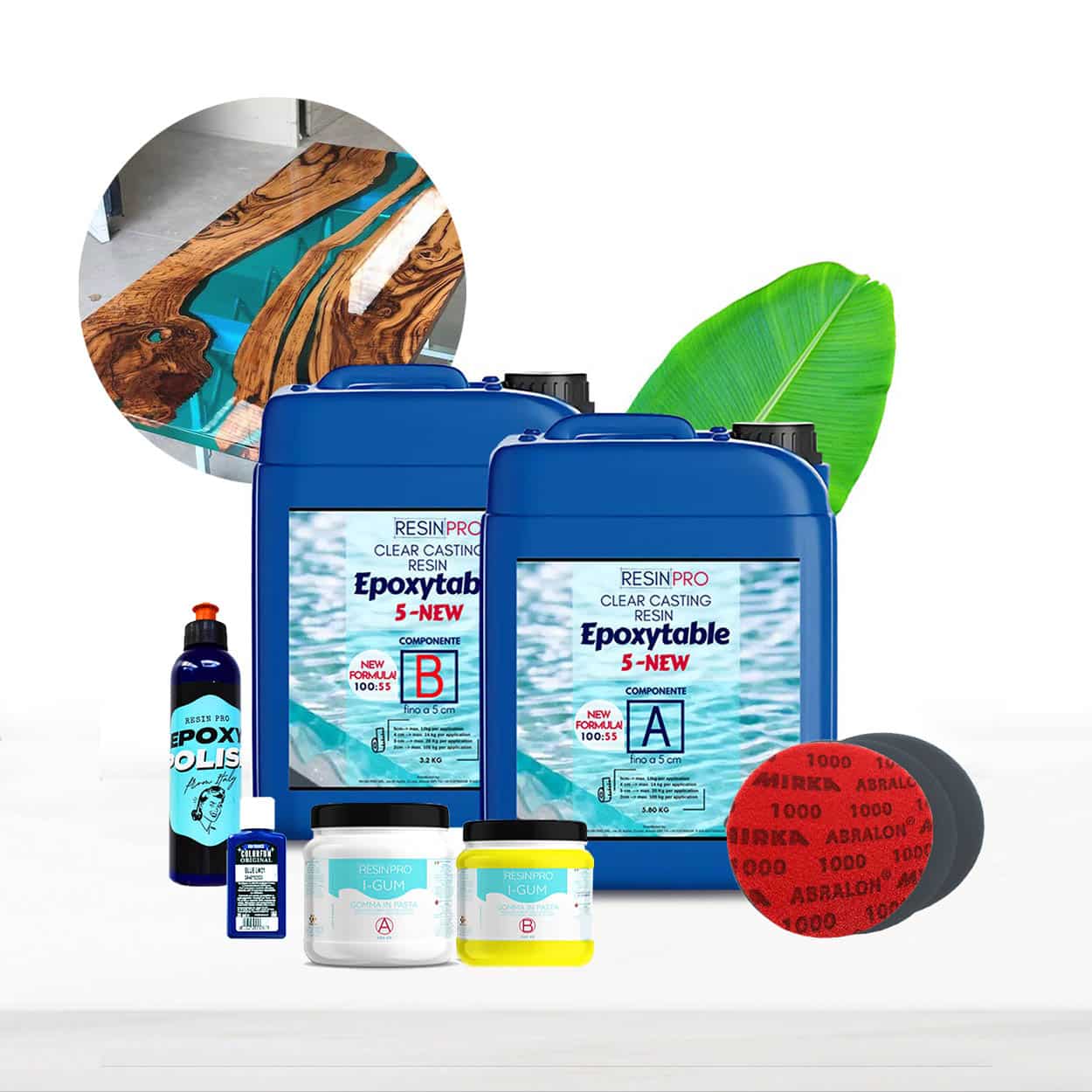 "River-Table" – Complete Kit for Creating Your First Epoxy Resin TablePrice range: £198.45 through £467.45"River-Table" kit provides materials and instructions for first-time epoxy resin tables, catering to both beginners and experienced users.
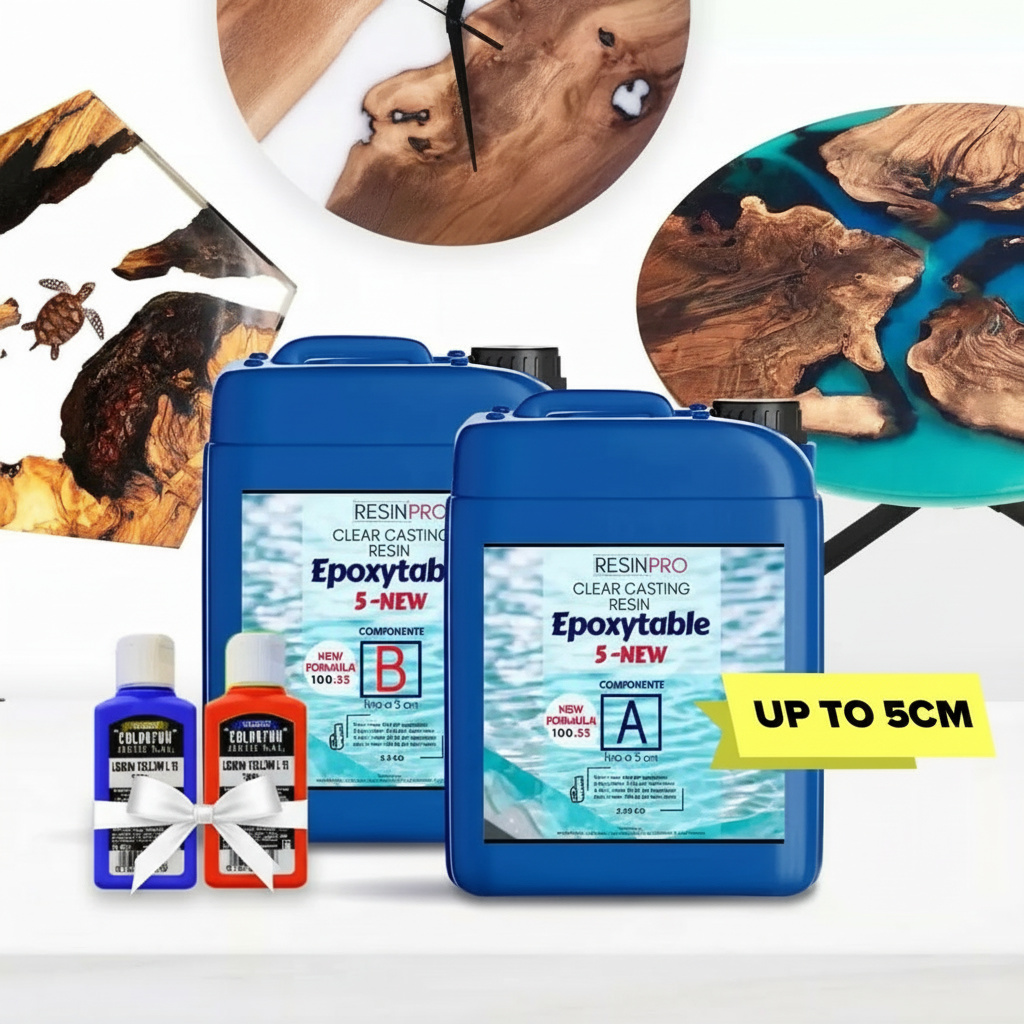 "EpoxyTable 5-Five" – Deep Pour Epoxy Resin for Tables and Large Projects – Up to 5cmPrice range: £17.95 through £1,154.95"EpoxyTable 5-Five" is a deep pour epoxy resin suitable for tables and large projects up to 5cm thickness in kitchen countertop applications.
Frequently Asked Questions
Is epoxy resin safe for kitchen countertops?
Epoxy resin is suitable for kitchen countertops when using a food-safe certified product and following proper curing procedures.
How do I create a marble effect with epoxy resin?
Mix pigments into your resin and swirl or drizzle onto the base layer, then blend with a feather or alcohol to mimic marble veins.
Can I apply epoxy over an old worktop?
Yes, as long as the old surface is clean, sanded, and primed, epoxy resin will bond well to most existing materials.
What if my resin countertop scratches?
Light scratches can be sanded and polished out. Deeper marks may be masked with a new thin coat of clear epoxy resin.
How long does epoxy take to cure on countertops?
Typical initial cure is 24–48 hours, but full strength is reached after 5–7 days. Avoid heavy use until fully cured.
Do I need to sand between epoxy layers?
If layers are applied more than 24 hours apart, lightly sand to help adhesion. For wet-on-wet coats, sanding is not needed.