 Free shipping on orders over £29,85
  Shipping Tracking!


 Google
 Facebook
How do you make a mirror piece in resin?
Step-by-step guide to crafting stunning, glass-like mirror resin art

Creating a mirror piece in resin allows you to showcase your artistic skills and produce a stunning, highly reflective decorative feature. Whether used for functional art, wall accents, or centrepieces, mastering this technique ensures a flawless, glass-like finish that truly shines at home or as a unique handmade gift.
What You’ll Need
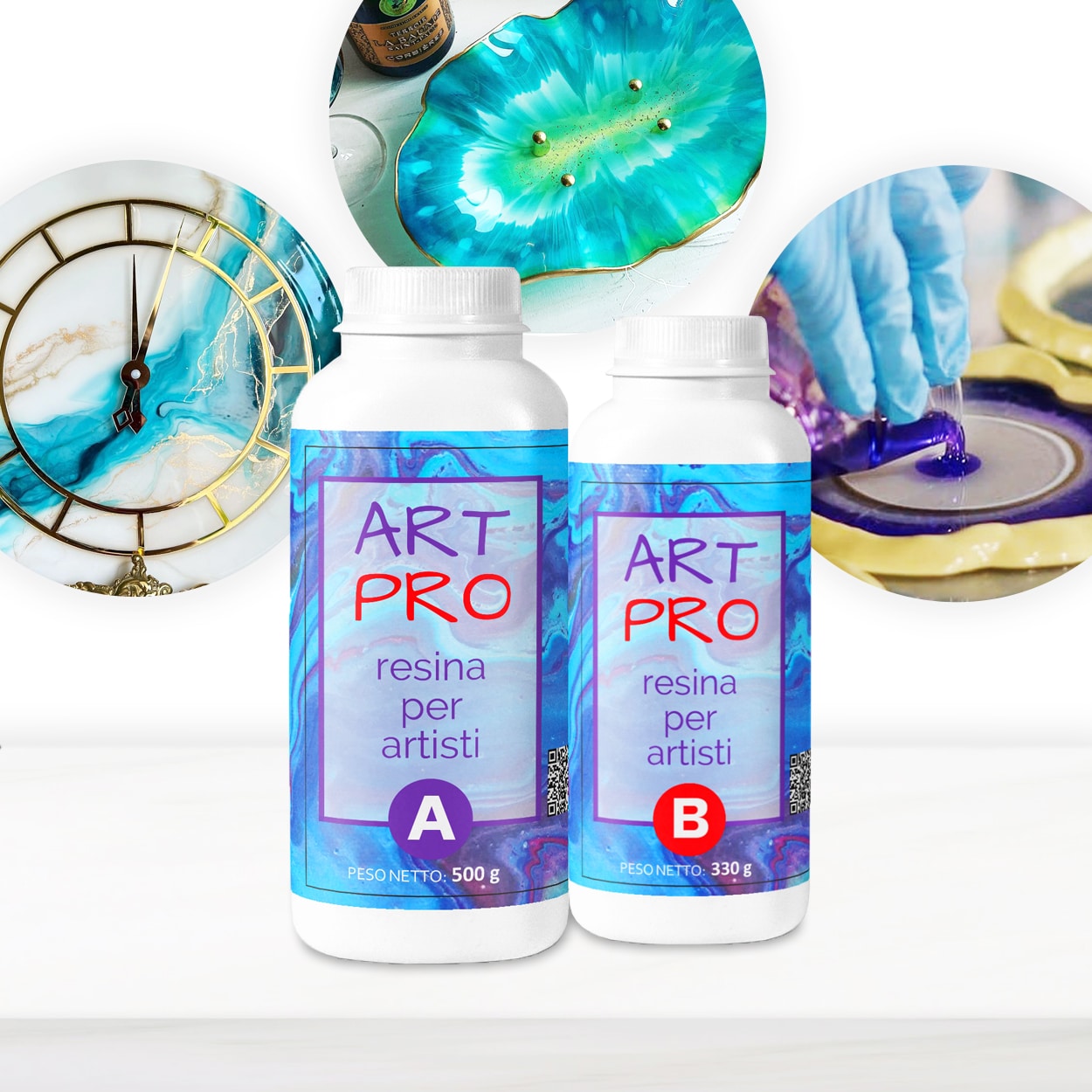
- “Art Pro” – Clear Epoxy Resin for Artists and Surface Coating: Provides superior clarity for a glassy, reflective finish
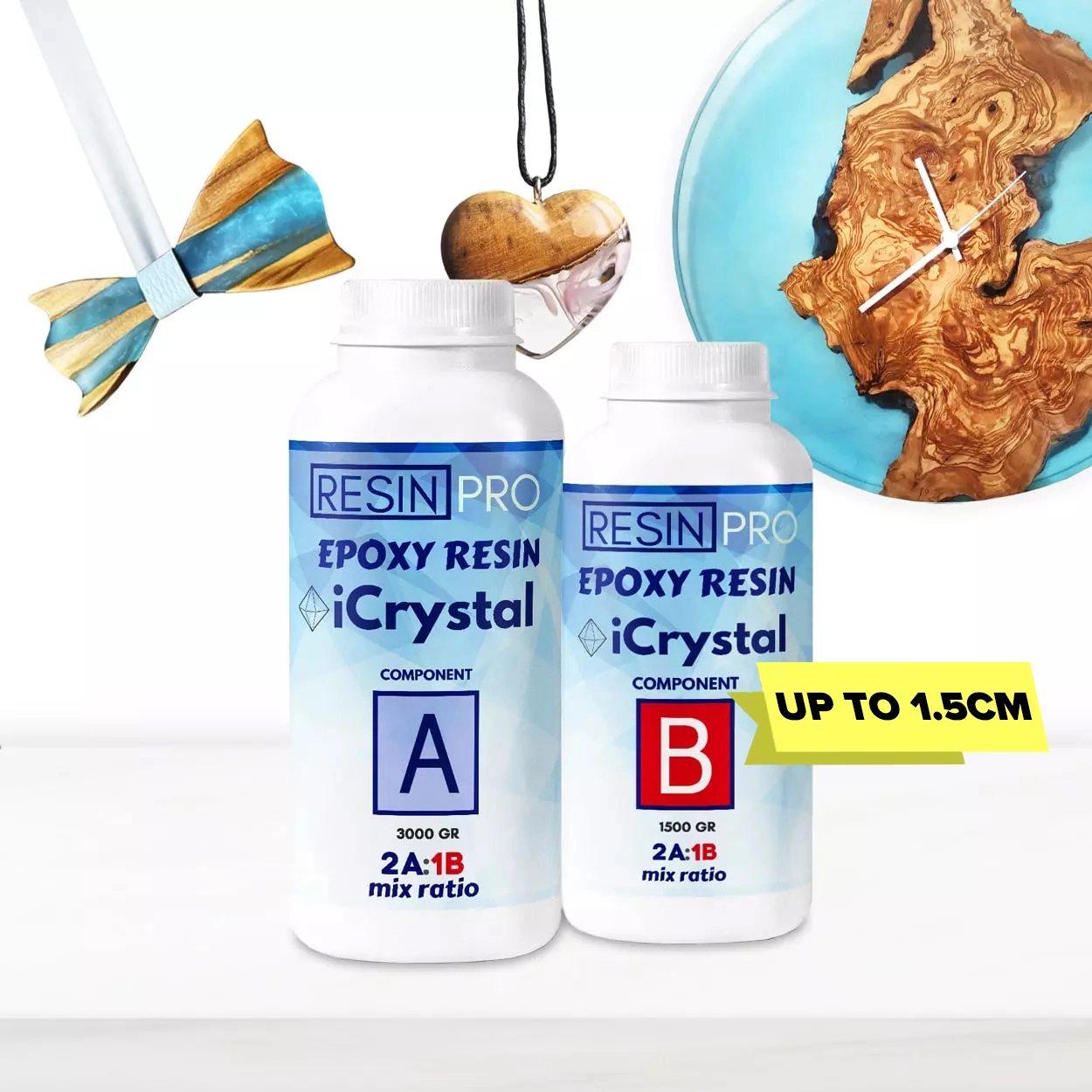
- “Icrystal” – Clear Epoxy Resin – Odourless Formula – Up to 1.5cm: Excellent for transparent, bubble-free layers
- “Trasparente” – Multipurpose Clear Epoxy Resin for Casting – Up to 2cm: Ideal for slightly thicker mirrored pieces
- “River-Table” – Complete Kit for Creating Your First Epoxy Resin Table: Useful if you want an all-in-one start for larger, flat art pieces
- Silicone or plastic mould (flat and glossy for best mirror effect)
- High-quality mirror film or fine metallic mica powder (optional for a true mirror effect)
- Nitrile gloves and safety goggles
- Levelled work surface and protective covering (e.g., plastic sheet)
- Measuring cups, stirring sticks, and a heat gun or torch (to remove bubbles)
- Soft polishing cloth and fine-grit sandpaper (for final finish)

Essential Setup for Success
Setting up your workspace carefully helps prevent dust, debris, and accidents during resin work. Lay down a protective covering, use level surfaces, and allow plenty of space for mixing and curing. Preparation upfront leads to a smoother process and more professional results.

Step 1: Prepare the Mould and Workspace
Begin by selecting a flat, high-gloss mould for your resin pour. The smoother and glossier the mould surface, the more mirror-like your finished piece will appear. Wash the mould thoroughly and allow it to dry completely before use. Remove all dust and debris from your workspace to minimise the risk of imperfections.
Always protect your workspace and use gloves to prevent skin contact and spills. Ensure the area is well-ventilated and free from draughts or airborne particles that could land on the wet resin.
Step 2: Mix the Resin Thoroughly
Carefully read the instructions for your selected resin. For the best results in mirror projects, a product like “Art Pro” – Clear Epoxy Resin for Artists and Surface Coating is highly recommended, as its clarity and self-levelling properties help create that distinctive glass-like effect.
Measure both resin and hardener precisely following the specified ratio, then combine in a clean mixing cup. Stir slowly and thoroughly for several minutes, scraping the sides and bottom to ensure total integration. Mix thoroughly to avoid bubbles and cloudy patches, which can detract from the reflective surface.
Step 3: Incorporate Mirror Effect
For high reflectivity, consider adding a fine metallic mica powder to the resin or carefully placing a high-quality mirror film at the bottom of the mould before pouring. If using pigment, mix it in slowly until evenly dispersed. Take care not to introduce too much air.
Alternatively, clear resin alone can give a vitreous, mirror-like result with the right lighting and a perfectly flat surface. This is where choosing a clear casting option like “Icrystal” – Clear Epoxy Resin – Odourless Formula – Up to 1.5cm is especially beneficial for thin, shimmering pieces.

Step 4: Pour the Resin and Remove Bubbles
Slowly pour the mixed resin into the middle of your mould. Slow, even pours create the flattest surface with minimal disturbances. Pour in layers if you need added thickness, letting each layer partially cure before adding the next. This is ideal if using “Trasparente” – Multipurpose Clear Epoxy Resin for Casting – Up to 2cm.
Immediately after pouring, use a heat gun or torch to gently remove surface bubbles. Avoid excessive heat, which can cause imperfections.
Step 5: Cure and Finish for Mirror Perfection
Cover your project to protect it from dust while the resin cures according to product instructions—typically 12–24 hours. Allow full cure before demoulding or polishing. Gently demould, taking care not to flex or scratch the surface.
If you desire a truly flawless finish, lightly sand the edges with fine-grit sandpaper and polish the cured resin with a soft cloth. For larger pieces, a dedicated polishing kit can bring out a brilliant reflection.
Tips, Common Mistakes, and Troubleshooting
Temperature fluctuations can cause cloudiness—work in a stable environment. Remove dust and ensure surface is completely clean for the best clarity. Avoid overmixing and pouring too quickly, as this introduces bubbles. If you spot any imperfections after curing, light polishing may restore gloss.
Getting the Most Reflective Finish
For the ultimate mirror effect, work with clear epoxy resin and a flawless mould surface. Patience during both the pouring and curing stages results in incredible glass-like gloss. Take your time and handle each stage with care to achieve true reflective brilliance.

- "Art Pro" – Clear Epoxy Resin for Artists and Surface CoatingPrice range: £19.95 through £267.95"Art Pro" clear epoxy resin provides durable, high-gloss finishes suitable for artistic coatings like coasters and trays under a 'How do you make a…
- "Icrystal" – Clear Epoxy Resin – Odourless Formula – Up to 1.5cmPrice range: £12.45 through £341.45"Icrystal" clear epoxy resin offers high transparency and scratch resistance, suitable for surface coatings and craft projects related to mirror…
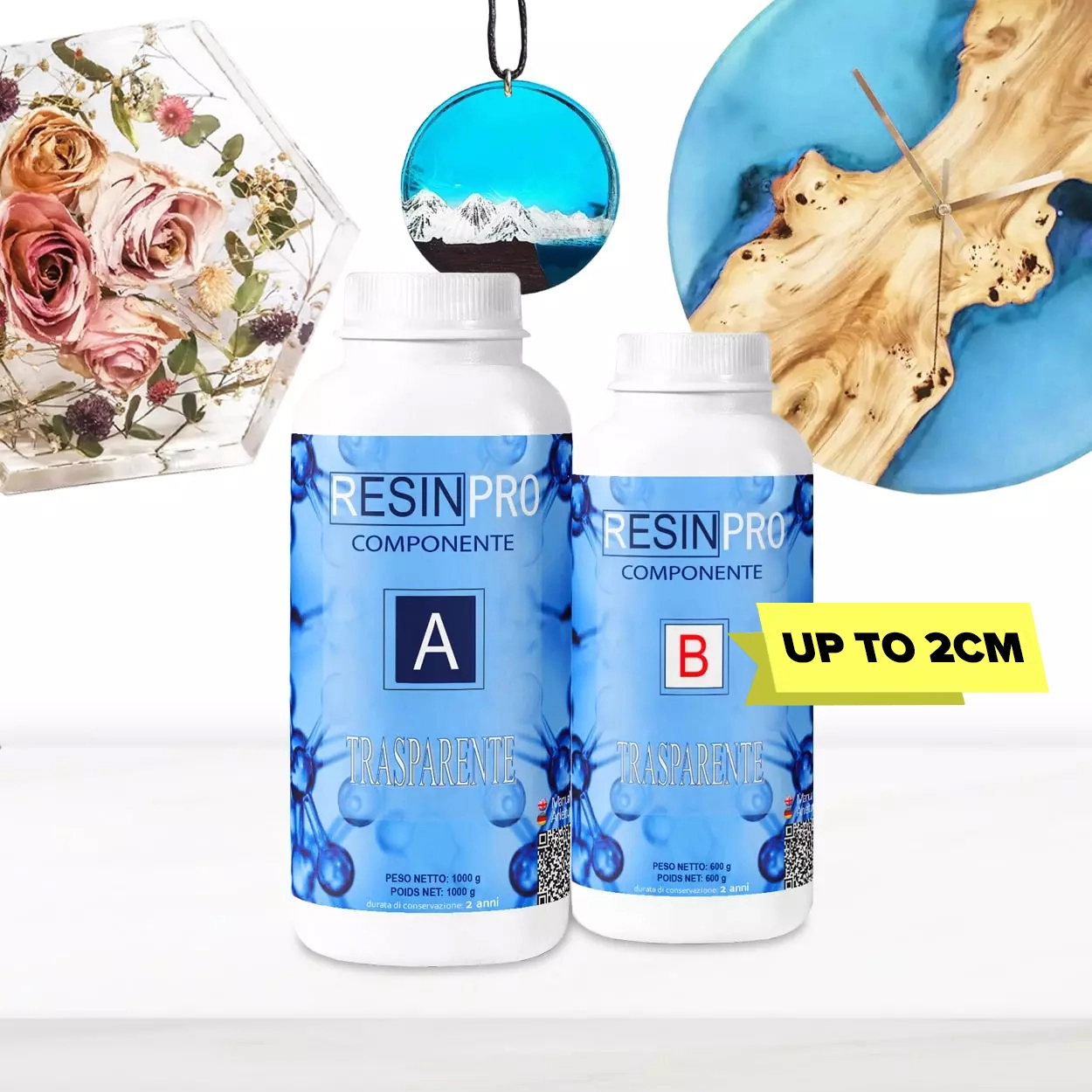 "Trasparente" – Multipurpose Clear Epoxy Resin for Casting – Up to 2cmPrice range: £8.95 through £397.95The "Trasparente" clear epoxy resin is suitable for casting up to 2cm thick layers with a glossy, self-levelling finish for art, woodworking and…
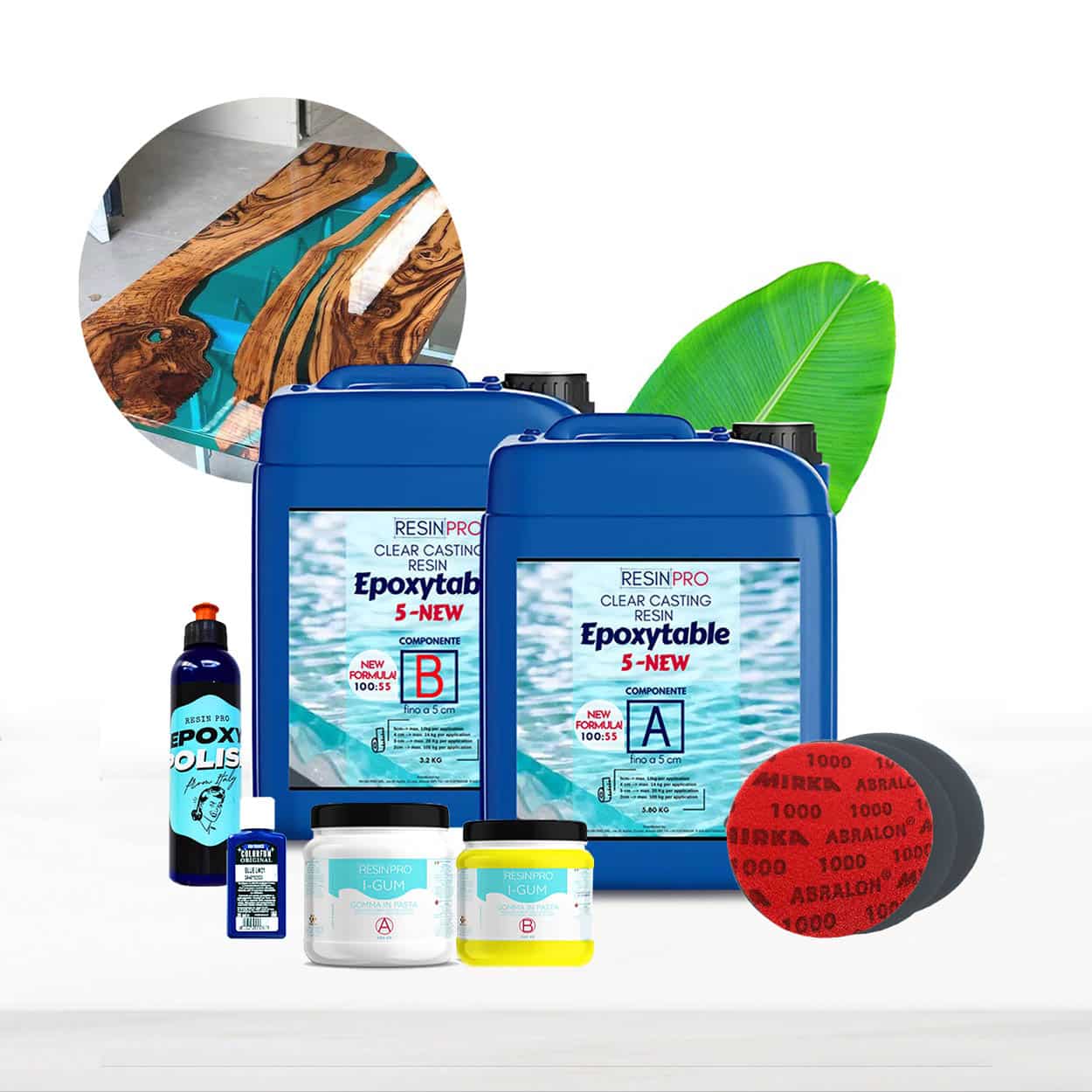 "River-Table" – Complete Kit for Creating Your First Epoxy Resin TablePrice range: £198.45 through £467.45"River-Table" kit offers materials and instructions to create a wood and resin table, supporting the theme of making a mirror piece in resin.
Frequently Asked Questions
Which type of resin is best for achieving a mirror effect?
A clear, high-gloss epoxy resin designed for surface coating or casting ensures the most reflective, mirror-like result.
How can I prevent bubbles in my mirror resin piece?
Mix resin slowly, pour gently, and use a heat gun or torch to release trapped air for a flawless, bubble-free surface.
How long does it take for mirror resin to cure fully?
Most epoxy resins require between 12 and 24 hours for an initial cure, but wait 48 hours before heavy handling or polishing.
What kind of mould is ideal for mirror resin?
A flat, high-gloss silicone or plastic mould ensures the smoothest, most reflective finish with minimal post-processing.
How do I fix cloudy or dull resin in my mirror piece?
Light sanding and polishing can restore gloss. Avoid moisture and impurities during curing to prevent dull areas forming.