 Free shipping on orders over £29,85
  Shipping Tracking!


 Google
 Facebook
How to restore a resin table?
Bring dull resin tables back to life with expert restoration steps.


Resin tables are stunning, but daily use can leave them scratched, cloudy, or worn. Restoring a resin table revitalises its appearance, protects its surface, and ensures it stands the test of time. Whether tackling minor dullness or deeper surface issues, this guide will take you through the steps for a professional-looking restoration, so you can continue enjoying the elegance and durability of your resin furniture.
What You’ll Need
- “Epoxy Polish” – Epoxy Resin Polishing System: For bringing back gloss and removing fine scratches
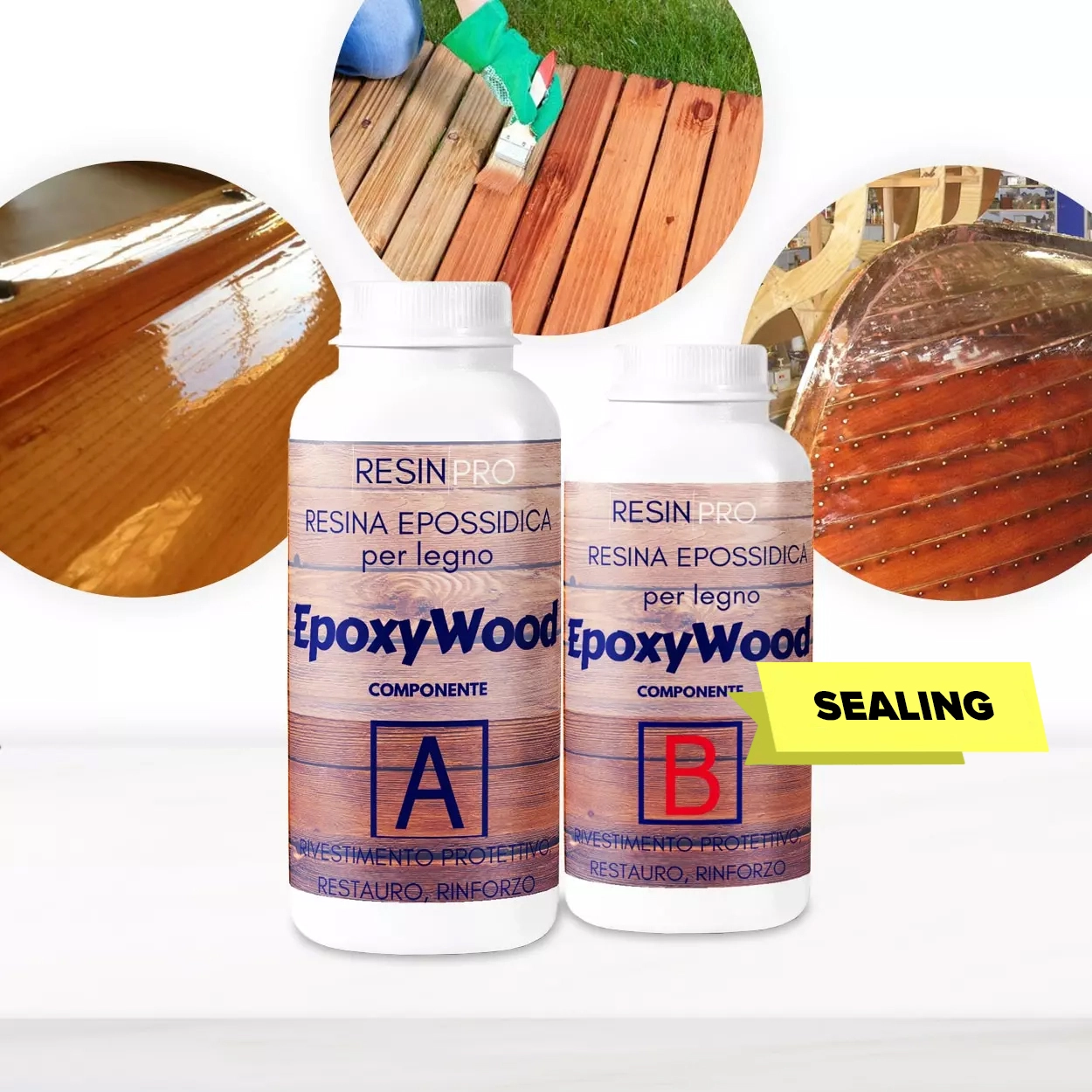
- “EpoxyWood” – Wood Restoration Epoxy Resin for Deep Penetration and Waterproofing: For repairing and sealing wooden substrate if required
- “Trasparente” – Multipurpose Clear Epoxy Resin for Casting – Up to 2cm: For shallow surface recoating or filling minor chips
- “EpoxyTable 5-Five” – Deep Pour Epoxy Resin for Tables and Large Projects – Up to 5cm: For deeper pours or significant damage
- Fine to medium sandpaper (400–1200 grit)
- Microfibre cloths and soft sponges
- Protective gloves, goggles and mask
- Polishing pads or a suitable rotary polisher

Essential Tools and Safety for Resin Table Restoration
Always wear gloves, goggles, and a mask when working with resins and sanding dust to safeguard your skin and lungs. Prepare all products—like Epoxy Polish and EpoxyWood—ahead of time, and work in a well-ventilated space for safe, clean results.

Step 1: Clean Thoroughly to Remove Dust and Dirt
Before any restoration work begins, start with a deep clean of the resin table. Use a soft, damp cloth and gentle detergent to remove dust, fingerprints, and any greasy residues. Cleaning thoroughly ensures that you don’t trap debris under fresh resin or scratch the surface while sanding. Allow the table to dry completely before proceeding to the next steps – moisture can affect repair materials and final results.
Be patient during this step, as leftover particles can cause fine scratches during the sanding or polishing processes that follow.
Step 2: Address Scratches and Damage with Care
For tables with visible scratches or surface dullness, you’ll need to level out these imperfections. Start by gently sanding the affected area using fine grit sandpaper – move in small, circular motions and check your progress regularly to avoid oversanding any one spot. If the table’s underlying wood is compromised or feels soft, reinforce it by applying “EpoxyWood” – Wood Restoration Epoxy Resin for Deep Penetration and Waterproofing to the wooden substrate. This step is crucial for tables with water damage or severe wear below the resin layer.
After sanding, remove all dust using a microfibre cloth, ensuring the surface is pristine before continuing. Care and patience here lay the foundation for a flawless finish.
Step 3: Apply Fresh Resin if Needed for Deeper Repairs
If you encounter chips, cracks, or areas where the resin has worn thin, you may need to perform small pour repairs. For shallow recoating or minor chips (up to 2cm depth), mix and pour “Trasparente” – Multipurpose Clear Epoxy Resin for Casting – Up to 2cm as per the product instructions. For larger voids or deep set repairs up to 5cm, use “EpoxyTable 5-Five” – Deep Pour Epoxy Resin for Tables and Large Projects – Up to 5cm. Always work in well-ventilated areas using protective equipment.
Let the resin cure fully—the curing time will depend on depth and environmental conditions. Avoid disturbing the area as it sets to achieve a smooth, clear finish. Once cured, any uneven edges can be lightly sanded and cleaned before you proceed to polishing.
Step 4: Polish for a Gleaming Final Finish
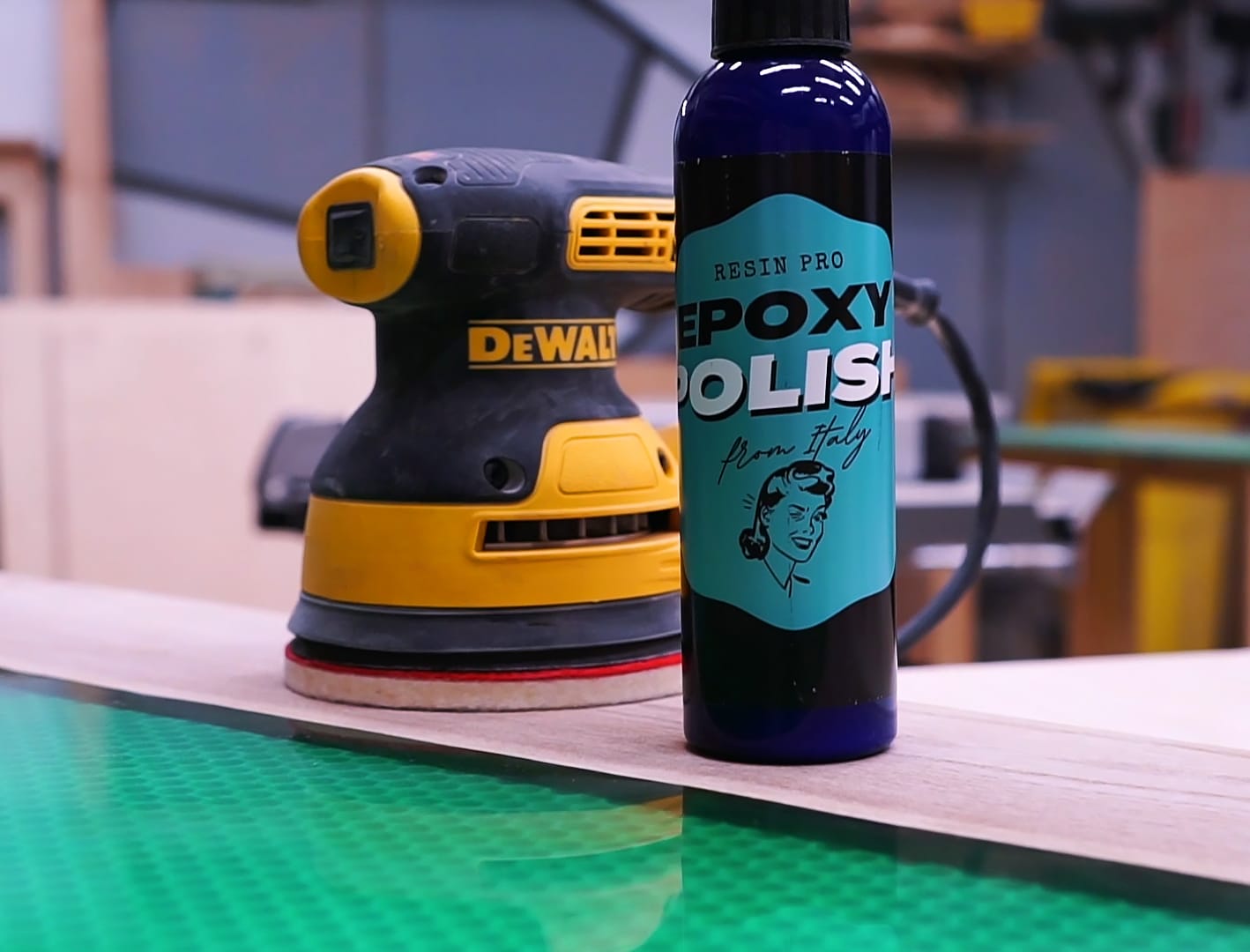
With the surface repaired, polishing brings your resin table back to its former glory. Apply a small amount of “Epoxy Polish” – Epoxy Resin Polishing System using a microfibre cloth, pad holder, or a rotary polisher. Work in broad, even strokes to build up gloss and eliminate fine scratches.
Buff thoroughly until the finish is crystal-clear and gleaming. Inspect in good light for swirl marks or haziness and repeat polishing if necessary. If done carefully, this final step can make even old resin tables look brand new.
Tips, Common Mistakes, and Troubleshooting
Clean thoroughly to remove dust and dirt before sanding or polishing to prevent scratches. Address scratches and damage with care—oversanding can thin the resin unnecessarily. Apply fresh resin if needed for deeper repairs and ensure it cures completely before any subsequent sanding or polishing. Polish for a gleaming final finish—use proper tools to avoid cloudy or streaked results. Always follow the manufacturer’s instructions for each resin product used.
Avoid using abrasive cleaners or harsh chemicals, which can dull or degrade resin surfaces further. If issues persist, review your sanding and polishing technique or consult detailed product guides.
Maintaining Your Resin Table’s Shine
Protect your restored surface by using placemats and avoiding harsh solvents. Polishing with Epoxy Polish every few months keeps the table looking brilliant and minimises minor scratches over the long term.

- "Epoxy Polish" – Epoxy Resin Polishing SystemPrice range: £18.95 through £47.45"Epoxy Polish" helps restore resin surfaces with a professional-grade polish suitable for various materials, fitting the theme of resin table…
- "EpoxyWood" – Wood Restoration Epoxy Resin for Deep Penetration and WaterproofingPrice range: £27.95 through £41.95"EpoxyWood" is designed for wood restoration with deep penetration and waterproofing, suitable for users following ‘How to restore a resin table?’
 "Trasparente" – Multipurpose Clear Epoxy Resin for Casting – Up to 2cmPrice range: £8.95 through £397.95"Trasparente" is a clear epoxy resin suitable for restorative and decorative projects on tables and similar surfaces, fitting the theme "How to…
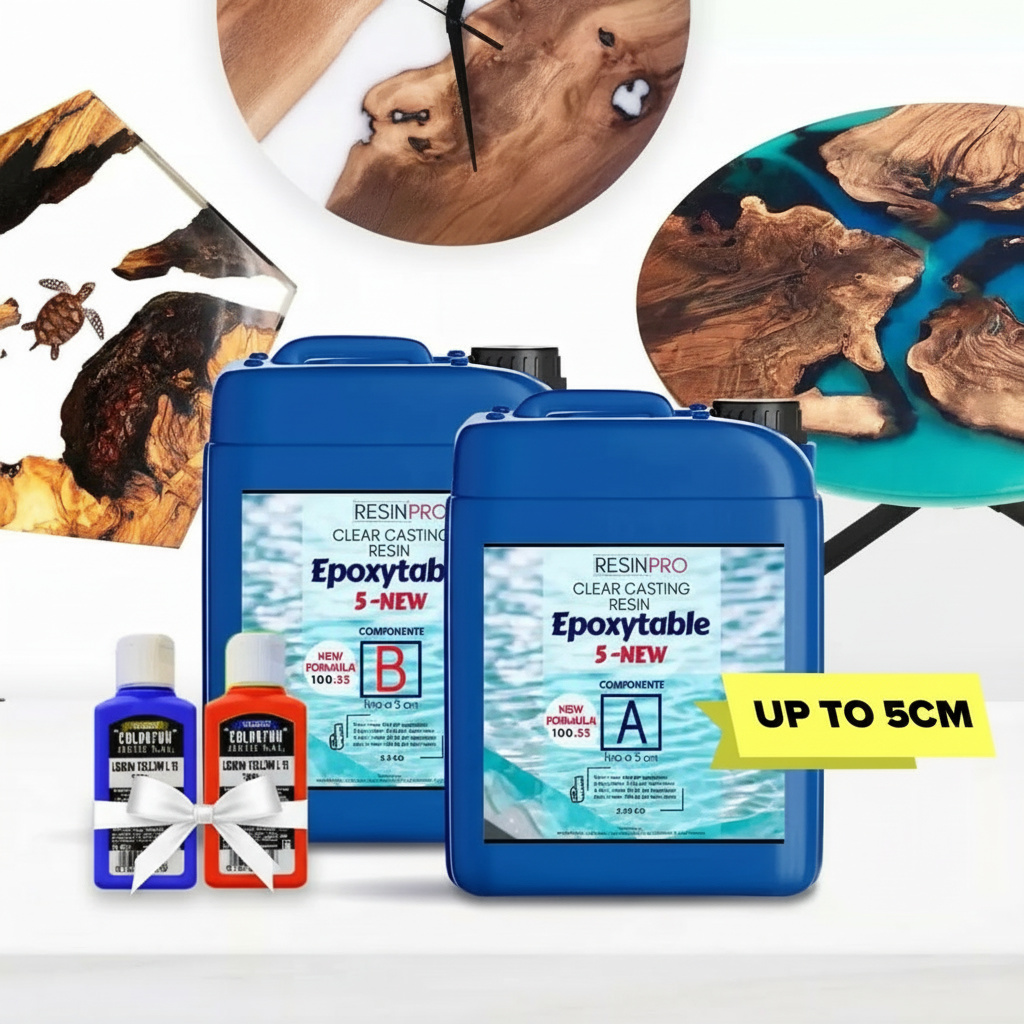 "EpoxyTable 5-Five" – Deep Pour Epoxy Resin for Tables and Large Projects – Up to 5cmPrice range: £17.95 through £1,154.95EpoxyTable 5-Five is designed for deep pour resin table projects, providing a low yellowing, scratch-resistant finish with up to 5cm casting depth.
Frequently Asked Questions
Can I use regular furniture polish on resin tables?
No, only polishes designed specifically for resin surfaces are suitable, as standard furniture polish can leave residues or dull finishes.
How do I fix deep chips in a resin table?
Clean, then fill the area with clear casting resin, such as "Trasparente" or "EpoxyTable 5-Five", and allow full curing before sanding and polishing.
Why does my polish leave the table cloudy?
Cloudiness often results from incomplete buffing or using an unsuitable polish. Use a resin-specific system and proper pads for best clarity.
Is it safe to sand epoxy resin by hand?
Yes, but wear protective gear and sand gently to avoid overheating or scratching the resin further.
How long should resin table repairs cure before polishing?
Let resin repairs cure completely according to the product’s instructions—typically 24 to 72 hours—before any sanding or polishing.
What if my resin table still looks dull or worn after restoration?
Repeat light polishing with a suitable resin polish, or consider a thin recoating if the dullness remains persistent.