 Free shipping on orders over £29,85
  Shipping Tracking!


 Google
 Facebook
← Back to How to join plastic with resin?
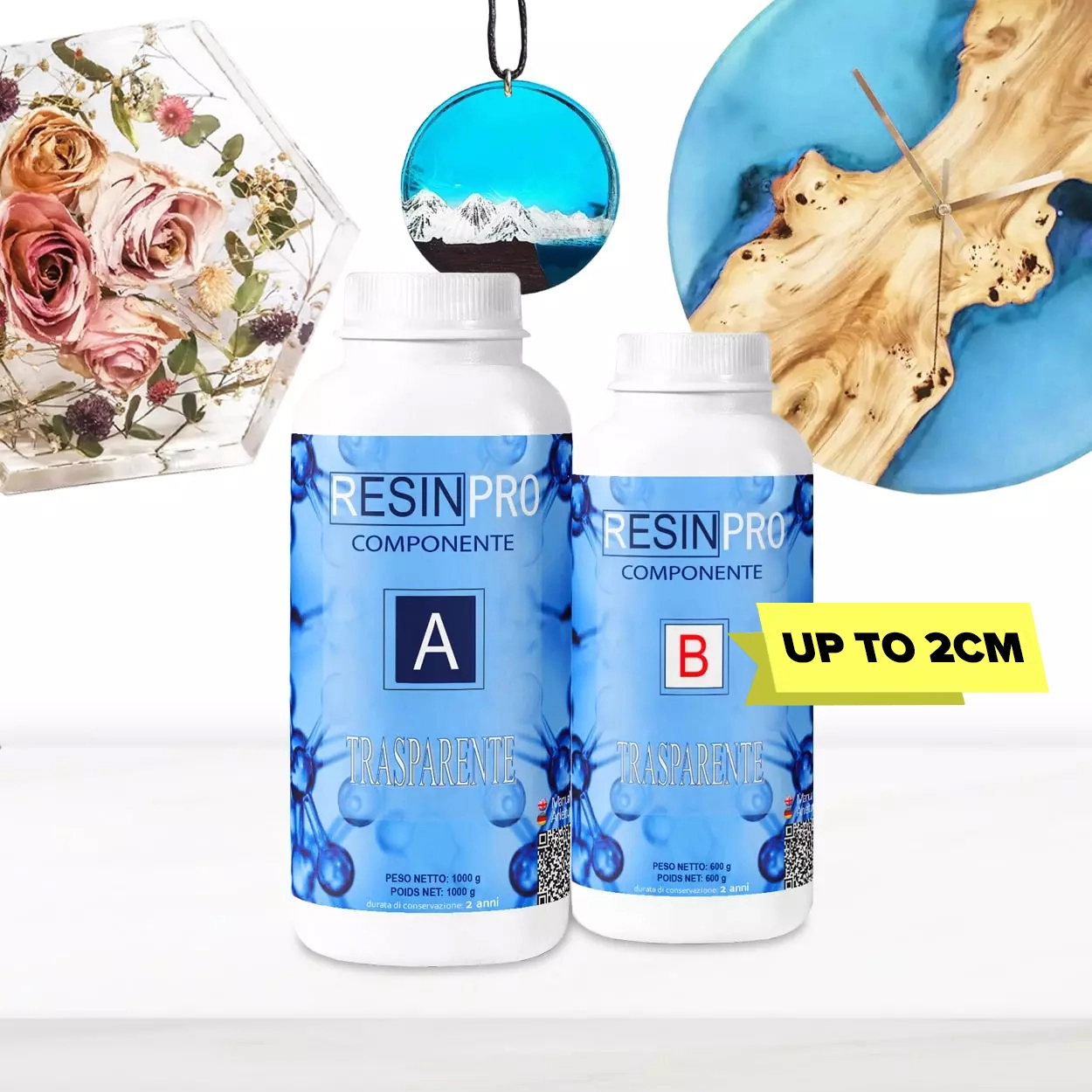
Ensuring a clear, bubble-free finish when casting with epoxy is all about working within the product’s limits. If you’re using “Trasparente” for your next project, understanding the ideal pour thickness is key to getting professional results.
Recommended Pour Thickness
“Trasparente” clear epoxy resin is engineered for casting layers up to 2 centimetres thick in a single pour. Sticking to this limit minimises the risk of overheating and imperfections, helping you achieve a glossy, high-quality finish that remains crystal clear.
For applications such as casting artwork, embedding objects, or making furniture inlays, pour in stages if you wish to achieve greater depth, allowing each layer to fully cure before adding the next.
Tips for Flawless Results
- Mix thoroughly: Combine resin and hardener following the instructions to avoid cloudy results or incomplete curing.
- Pour in a cool, ventilated space: High temperatures speed up curing and can increase the risk of yellowing or air bubbles.
- Use the right tools: Gloves, mixing sticks, and precise measuring can all make a difference. Many kits, like “Trasparente”, come with essentials for beginners and professionals alike.
- Work in layers for deeper pours: If you need more than 2 centimetres, wait until each previous layer sets before pouring the next to maintain clarity and structural strength.
When This Matters Most
Sticking to the 2cm maximum is crucial when working on detailed art castings, table applications, or embedding keepsakes where clarity and stability are priorities. Exceeding this thickness can lead to excess heat and surface flaws, which can be avoided with careful layering.
Related products
Related guides
Choosing the right pour thickness with “Trasparente” ensures your resin projects maintain their clarity and durability. For additional guidance on resin techniques or bonding plastics, explore our main guide at ResinPro’s How to Join Plastic with Resin page.