 Free shipping on orders over £29,85
  Shipping Tracking!


 Google
 Facebook
How to dispose of epoxy resin?
Safe methods to handle leftover, cured, or waste epoxy


Proper disposal of epoxy resin is crucial for your safety and the environment. This guide will show you how to safely handle leftover epoxy mixture, hardeners, and contaminated tools, whether in a home studio or professional setting.
What You’ll Need
- Pure Isopropyl Alcohol 99.9% – 1000ml Bottle for Epoxy Resin Projects & DIY – For cleaning tools before disposal or reuse.
- Strong Technical Degreaser for Resin Projects – 100% Natural Formula – To clean surfaces and remove resin residues.
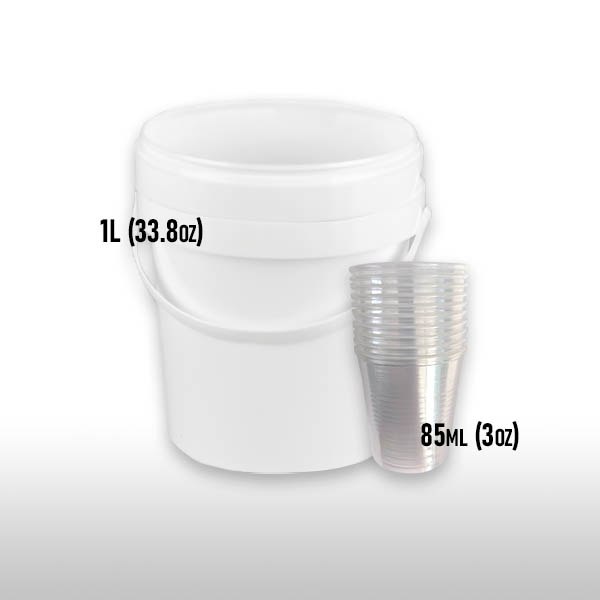
- Mixing Buckets Kit for Epoxy Resin Art – Easy Clean Flexible Design – Ideal for collecting and removing cured epoxy safely.
- Disposable gloves, rags, or paper towels
- Sealable plastic or metal containers
Visual Guide: Responsible Epoxy Disposal Steps
Step-by-step images can clarify the right and wrong ways to deal with epoxy waste. Focus on showing sealed containers for liquids, complete curing, and the safe removal of cured resin from buckets before placing in domestic or commercial waste.

Step 1: Never Pour Epoxy Down the Drain
Never pour liquid epoxy resin or hardener down sinks or drains. These materials can cause environmental harm, contaminate water sources, and damage plumbing. Old or excess resin must always be dealt with using a safer method. Instead, collect any excess liquid in a sealable container.
Let any residue in your mixing tools drip fully into the waste container before cleaning the vessel. This first precaution is vital for home users and professionals alike.
Step 2: Cure Remaining Liquid Epoxy
If you have leftover mixed resin, combine it with any remaining hardener and let it fully cure in a safe, ventilated space. Once cured, epoxy resin changes from hazardous liquid to an inert solid and can be disposed of as general waste in most UK areas.
If you’re using a container such as the Mixing Buckets Kit for Epoxy Resin Art – Easy Clean Flexible Design, its flexible design makes removing cured blocks simpler, minimising residue and making the container reusable.
Use only sealed containers for leftover liquid resin. Mark them clearly and contact your local council’s hazardous waste disposal service if you cannot cure the mixture.
Step 3: Clean Tools and Surfaces Thoroughly
After removing as much resin as possible, clean all tools and surfaces immediately. Tools such as spatulas or mixing buckets should be wiped with a cloth dampened with Pure Isopropyl Alcohol 99.9% to dissolve any sticky residue before it cures, enabling you to either reuse or safely dispose of them without contaminating waste bins.
For stubborn residue or grease, you may find the Strong Technical Degreaser for Resin Projects useful due to its natural formula, especially on surfaces that come into regular contact with resin spills.

Step 4: Dispose of Cured and Contaminated Materials
Always cure any residual epoxy before general disposal. Discard fully hardened epoxy, including any resin already dried on paper towels or gloves, with your standard refuse. However, items significantly contaminated with uncured epoxy (such as rags or containers with sticky residue) should be taken to your local hazardous waste collection point.
Check UK government or council guidelines for hazardous waste if unsure. Never burn or incinerate epoxy resin, as fumes may be toxic.

Safety and Environmental Tips
Wear gloves and work in a ventilated area whenever handling uncured resin to reduce skin exposure and avoid inhaling fumes. Never store liquid epoxy or hardener in unlabelled containers.
Separate contaminated items for hazardous waste facilities if unsure whether they are fully cured or safe for landfill. Reducing and reusing mixing vessels by choosing easy-clean options can further reduce total waste from resin projects.
Eco-Conscious Practices for Resin Projects
Minimise excess mixing, reuse containers where possible, and favour natural cleaning agents to reduce your environmental impact throughout your resin crafting process.

- Pure Isopropyl Alcohol 99.9% – 1000ml Bottle for Epoxy Resin Projects & DIYPrice range: £10.45 through £20.95Pure Isopropyl Alcohol 99.9% is suitable for epoxy resin projects to remove bubbles and aid creative effects.
- Strong Technical Degreaser for Resin Projects – 100% Natural FormulaOriginal price was: £10.95.£9.45Current price is: £9.45.This degreaser is designed for safe cleaning of epoxy resin work surfaces and multiple materials using a 100% natural formula.
- Mixing Buckets Kit for Epoxy Resin Art – Easy Clean Flexible DesignPrice range: £2.05 through £8.95Mixing Buckets Kit designed for epoxy resin artists, providing an easy-clean flexible solution suitable for various mixing tasks.
- "EpoxyFood" – Certified Clear Food Contact Epoxy Resin for CoatingPrice range: £20.95 through £146.95EpoxyFood is a clear, food-safe resin suitable for coating plates and cutting boards, providing a transparent, non-toxic finish.
Frequently Asked Questions
Is epoxy resin considered hazardous waste?
Uncured epoxy resin is hazardous and must be handled as chemical waste, while fully cured resin is generally safe for standard disposal.
Can epoxy resin or hardener go down the drain?
No, never pour epoxy resin or hardener down drains as they can damage plumbing and pollute water systems.
What should I use to clean tools with epoxy residue before disposal?
Use isopropyl alcohol or a natural degreaser to remove uncured resin from tools before disposing or reusing.
Can I put cured epoxy resin in my household rubbish?
Yes, cured epoxy resin is inert and can be disposed of with regular waste unless local council rules state otherwise.
What should I do with rags or items contaminated by liquid epoxy?
Take heavily contaminated items to a hazardous waste collection facility; do not dispose of with regular rubbish.
Do I need to cure leftover epoxy before disposal?
Yes, always allow any remaining mixed epoxy to harden fully before placing it in regular waste bins.