 Free shipping on orders over £29,85
  Shipping Tracking!


 Google
 Facebook
How do you clean resin coatings?
Discover safe techniques to maintain glossy, flawless resin surfaces


Keeping your resin coatings sparkling clean is essential for maintaining their shine and durability. Whether you have an epoxy countertop, art piece, or furniture, proper cleaning prevents scratches, cloudiness, and long-term wear. This guide explains the best way to clean resin surfaces safely, avoid common mistakes, and ensure lasting beauty for all your resin projects.
What You’ll Need
- Strong Technical Degreaser for Resin Projects – 100% Natural Formula – For safe, effective grease and residue removal
- Pure Isopropyl Alcohol 99.9% – 1000ml Bottle for Epoxy Resin Projects & DIY – Suitable for cutting through stubborn marks
- Soft, lint-free cloths or microfibre towels
- Lukewarm water
- Optional: mild, non-abrasive soap
- Protective gloves if preferred for sensitive skin

Essential Products and Cloths for Resin Cleaning
For best results, always combine specialised resin-safe cleaning agents with soft, lint-free cloths. Products such as Strong Technical Degreaser for Resin Projects – 100% Natural Formula and Pure Isopropyl Alcohol 99.9% – 1000ml Bottle for Epoxy Resin Projects & DIY are carefully formulated to clean without damage. Microfibre towels help ensure a scratch-free finish during every wipe.

Step 1: Remove Dust and Loose Debris
Begin by gently wiping the resin’s surface with a soft, dry, lint-free cloth or microfibre towel. This removes dust, dirt, and loose particles that could otherwise scratch as you clean. Take care not to use paper towels or rough fabrics, as they may create minor abrasions and reduce gloss over time.
If necessary, use a can of compressed air or a soft brush to reach corners and textured areas. This step ensures a scratch-free foundation for thorough cleaning later.
Step 2: Clean Away Grease, Marks, and Everyday Build-Up
Dampen a clean, soft cloth with lukewarm water and, if needed, a few drops of mild, non-abrasive soap. Gently wipe the resin surface using light, circular motions. Never use harsh chemicals, abrasives, or scouring pads, as these can cause dullness or micro-scratches.
For persistent grease, ink, or sticky residue, apply a small amount of Strong Technical Degreaser for Resin Projects – 100% Natural Formula to the cloth. This natural solution lifts contaminants without harming the resin or your skin, making it ideal for surfaces frequently touched or handled.
Step 3: Disinfect and Remove Stubborn Stains
If oily marks, permanent inks, or tough residues remain, lightly moisten a cloth with Pure Isopropyl Alcohol 99.9% – 1000ml Bottle for Epoxy Resin Projects & DIY. Gently rub the affected area, allowing the alcohol to evaporate and lift stains without streaks or water spots. Always avoid oversaturating the surface and never use excessive force.
Isopropyl alcohol is especially useful for preparing resin pieces for further coatings or for cleaning tools post-project. Ensure good ventilation during use, and keep alcohol away from open flames.

Step 4: Restore Shine and Remove Fine Scratches (if required)
If your resin coating has lost its lustre or developed faint swirl marks, polishing may be necessary. Use a dedicated resin polish system and follow manufacturer’s guidance for best effect. If your coating is dark or black, opt for a polish designed for those tones to avoid visible residue.
Always work with purpose-designed microfibre cloths or pads and use light, consistent movements. Polishing should only be performed as needed, not as part of regular cleaning.

Tips and Common Mistakes for Cleaner Resin Surfaces
Use a soft, lint-free cloth for wiping – This prevents micro-scratches and preserves gloss.
Avoid abrasive cleaners or rough pads – Even tiny particles can mark the surface and cause cloudiness.
Work in gentle, circular motions – This helps spread cleaning agents evenly and prevents streaks.
Test cleaners on a small area first – Especially if using a new product or cleaning an unfamiliar resin type.
Regular maintenance prevents build-up – Quick, frequent cleans reduce the risk of stains and dullness developing.
Protecting and Maintaining a Resin Shine
Consistent care, gentle cleaning cycles, and the occasional use of a polish system preserve the clarity and gloss of resin coatings. Remember to store your cleaning products and cloths in a clean, dry place to avoid reapplying grit to the resin surface during routine wiping. Treat your resin pieces with the same care as glass, and you’ll enjoy their flawless appearance for years to come.

- Strong Technical Degreaser for Resin Projects – 100% Natural FormulaOriginal price was: £10.95.£9.45Current price is: £9.45.A natural, gentle degreaser suitable for cleaning various surfaces used in resin projects.
- Pure Isopropyl Alcohol 99.9% – 1000ml Bottle for Epoxy Resin Projects & DIYPrice range: £10.45 through £20.95Pure Isopropyl Alcohol 99.9% is suitable for epoxy resin projects and cleaning tasks within the theme of resin coating care.
- "Epoxy Polish" – Epoxy Resin Polishing SystemPrice range: £18.95 through £47.45"Epoxy Polish" offers a professional-grade polishing system suitable for resin projects and related materials, designed to restore a glossy finish.
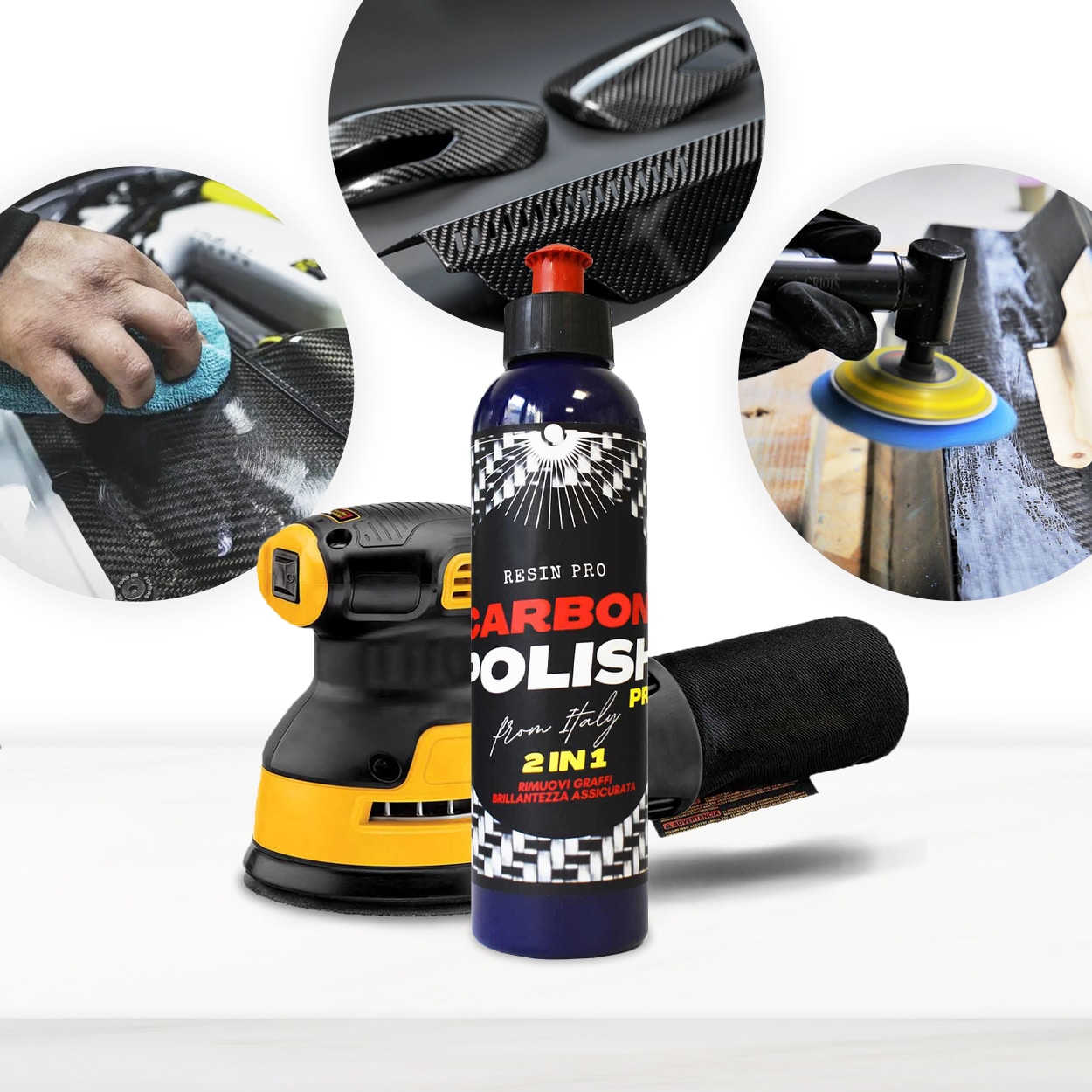 "Carbon Polish" – Polishing System for Dark and Black Surfaces, 250mlPrice range: £18.95 through £47.45Carbon Polish is designed for polishing dark and black surfaces including epoxy resin projects, suitable for hand or power tool use.
Frequently Asked Questions
What is the best cleaner for resin coatings used at home?
A gentle, natural degreaser or diluted isopropyl alcohol works best. Always avoid abrasives or harsh chemicals.
How frequently should I clean resin-coated tables or artworks?
Wipe down surfaces weekly or as needed. Prompt attention to spills prevents stains and clouding.
Is it safe to use acetone or strong solvents on epoxy resin coatings?
No. Acetone and harsh solvents may damage or dull resin. Use isopropyl alcohol or approved degreasers only.
Will regular cleaning remove scratches from resin surfaces?
Ordinary cleaning will not erase scratches. Use a resin polishing kit as needed to restore shine.
How do I restore gloss after cleaning epoxy resin?
Apply a resin polish with a microfibre pad or rotary polisher. Choose a product for your resin type.
Which type of cloth should I use for cleaning resin coatings?
Always use microfibre or lint-free cloths, never paper towels, to avoid scratching the resin surface.