 Free shipping on orders over £29,85
  Shipping Tracking!


 Google
 Facebook
How do you paint a resin shower tray?
Step-by-step guide for a flawless, long-lasting finish

Refurbishing your bathroom by painting a resin shower tray is an effective way to refresh its appearance and restore a smooth, clean finish. Whether you want to update the colour, cover stains or scratches, or create a themed bathroom look, painting a resin shower tray is achievable with the right preparation and technique. This guide walks you through every step so your results look professional and last for years.
What You’ll Need
- “Art Pro” – Clear Epoxy Resin for Artists and Surface Coating: for a glass-like, protective topcoat with UV protection
- Two-part epoxy shower tray primer or appropriate surface primer
- Epoxy-compatible paint or high-quality acrylic bathroom paint
- Fine grit sandpaper (320–400 grit)
- Mild detergent or degreaser, clean cloths
- Masking tape
- Soft paintbrush or foam roller
- Sanding block (optional)
- Protective gloves, mask, and ventilation equipment
Tools and Surface Prep Matter Most
Proper preparation and having the right materials will make your resin shower tray painting project easier and the finish longer-lasting. Invest time in each preparatory step for professional results.
Step 1: Thoroughly Clean and Prepare the Surface
Begin by removing all soap scum, oils, and residue from the resin shower tray. Use a mild detergent or degreaser and scrub with a non-abrasive cloth, making sure you reach corners and around the drain. Rinse thoroughly and dry the surface completely to avoid trapping moisture under paint or primer.
Once dry, mask off any areas that will not be painted, such as drains or tiles bordering the tray. Take your time—preparation is key to a lasting finish.
Always wear gloves and ensure adequate ventilation to protect your skin and lungs during cleaning and painting.
Step 2: Sand and Prime the Resin Tray
Lightly sand the surface using 320–400 grit sandpaper to dull the gloss and help the primer adhere. Sand in small, circular motions, applying gentle, even pressure. Wipe away dust with a clean, damp cloth and allow the tray to dry again. This step prevents peeling and bubbling later on.
Apply a two-part epoxy primer or a specialist shower tray primer according to product instructions. Use a soft brush or foam roller to ensure a smooth, even application. Allow the primer to cure fully before moving to the next stage—typically a few hours, but always follow the specific product guidance.
Do not rush surface preparation; a well-primed surface is essential for excellent paint adhesion.
Step 3: Apply Your Chosen Paint Evenly
Once the primer has cured, apply your chosen epoxy-compatible or acrylic paint in even, thin coats. Allow each coat to dry as recommended—usually at least 4 hours between coats. Apply 2–3 coats to ensure complete, opaque coverage and colour uniformity.
For maximum longevity and professional finish, avoid overloading the roller or brush with paint, and feather out lines or edges to prevent streaks. Take care not to let paint pool in corners or near the drain.
Apply even, thin coats for best results to prevent drips and uneven surfaces.
Step 4: Seal with a Durable Epoxy Resin Topcoat
After your paint is fully cured (refer to paint instructions), add a clear, protective topcoat to protect against water, abrasion, and cleaning chemicals. “Art Pro” – Clear Epoxy Resin for Artists and Surface Coating is an excellent option, giving your tray a glass-like, scratch-resistant layer with added UV protection.
Mix and pour the resin as directed, gently spreading an even layer across the tray using a soft brush or roller. Allow the resin to self-level, and work in a dust-free, ventilated area. Avoid using the shower tray until the resin has fully cured, usually 24–48 hours.
Allow sufficient curing time before use—using the tray too soon can damage your finish.

Tips and Troubleshooting for a Lasting Finish
Common mistakes include inadequate cleaning, skipping primer, or painting onto a glossy surface, all of which can lead to flaking or water damage. Always sand thoroughly and allow ample drying time at each stage. For best results, maintain steady room temperature and good ventilation, and avoid painting in very humid conditions.
If applying resin as a topcoat, ensure the painted tray is spotless and fully dried before commencing. Fix small imperfections or bubbles by gently sanding and recoating the affected area. If needed, repeat the resin coat for extra durability.
Achieve Reliable, Professional Results
Focus on ventilation, clean surroundings and patience during curing to enjoy the beauty and durability of your refinished resin shower tray. Careful technique is just as crucial as quality materials.

- "Trasparente" – Multipurpose Clear Epoxy Resin for Casting – Up to 2cmPrice range: £8.95 through £397.95"Trasparente" offers an ultra-clear, scratch-resistant finish suitable for detailed castings and DIY projects up to 2cm thick.
- “Epoxytable 10-Ten” – Deep Pour Epoxy Resin for Tables, Up to 10cm CastingPrice range: £35.95 through £351.95“Epoxytable 10-Ten” is an epoxy resin designed for deep casting projects up to 10cm, commonly used for tables and large artistic creations.
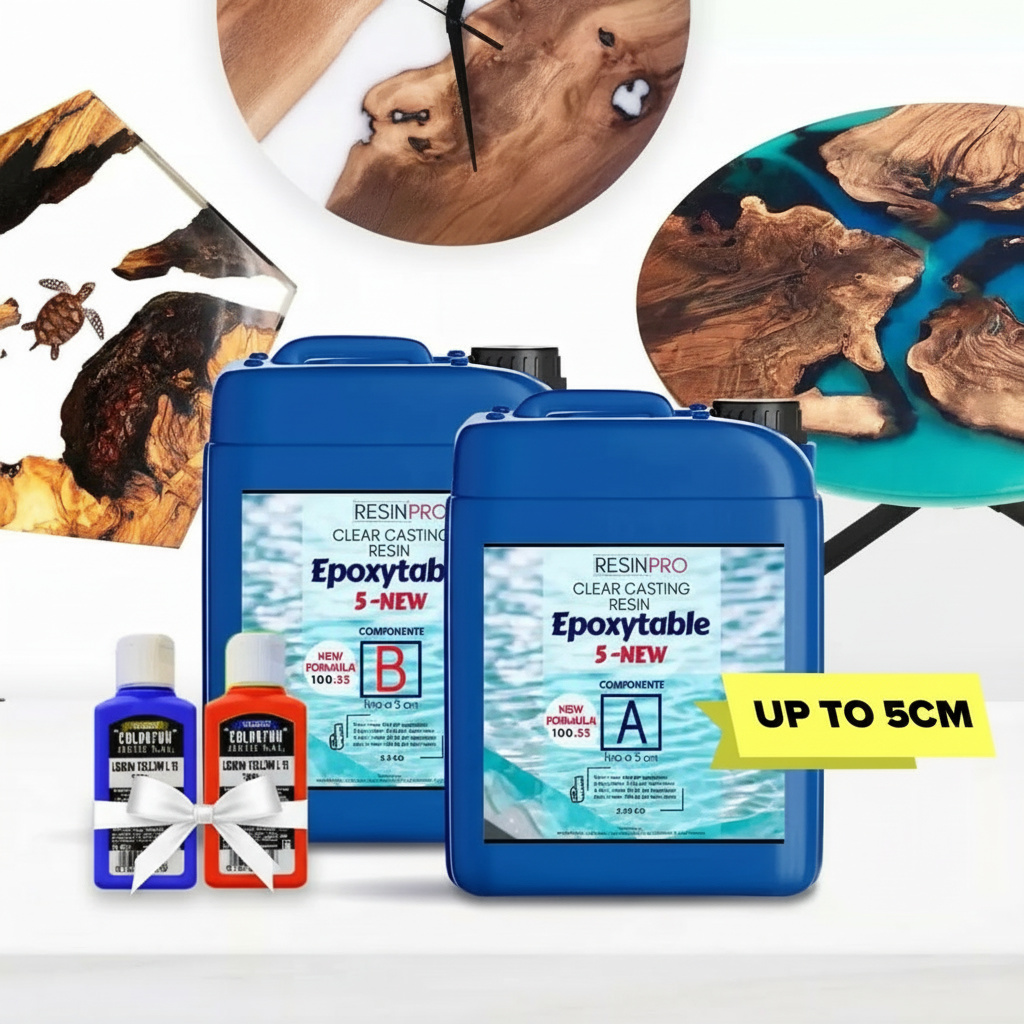 "EpoxyTable 5-Five" – Deep Pour Epoxy Resin for Tables and Large Projects – Up to 5cmPrice range: £17.95 through £1,154.95"EpoxyTable 5-Five" is a deep pour epoxy resin for tables and large projects designed for clear, scratch-resistant casts up to 5 cm thick.
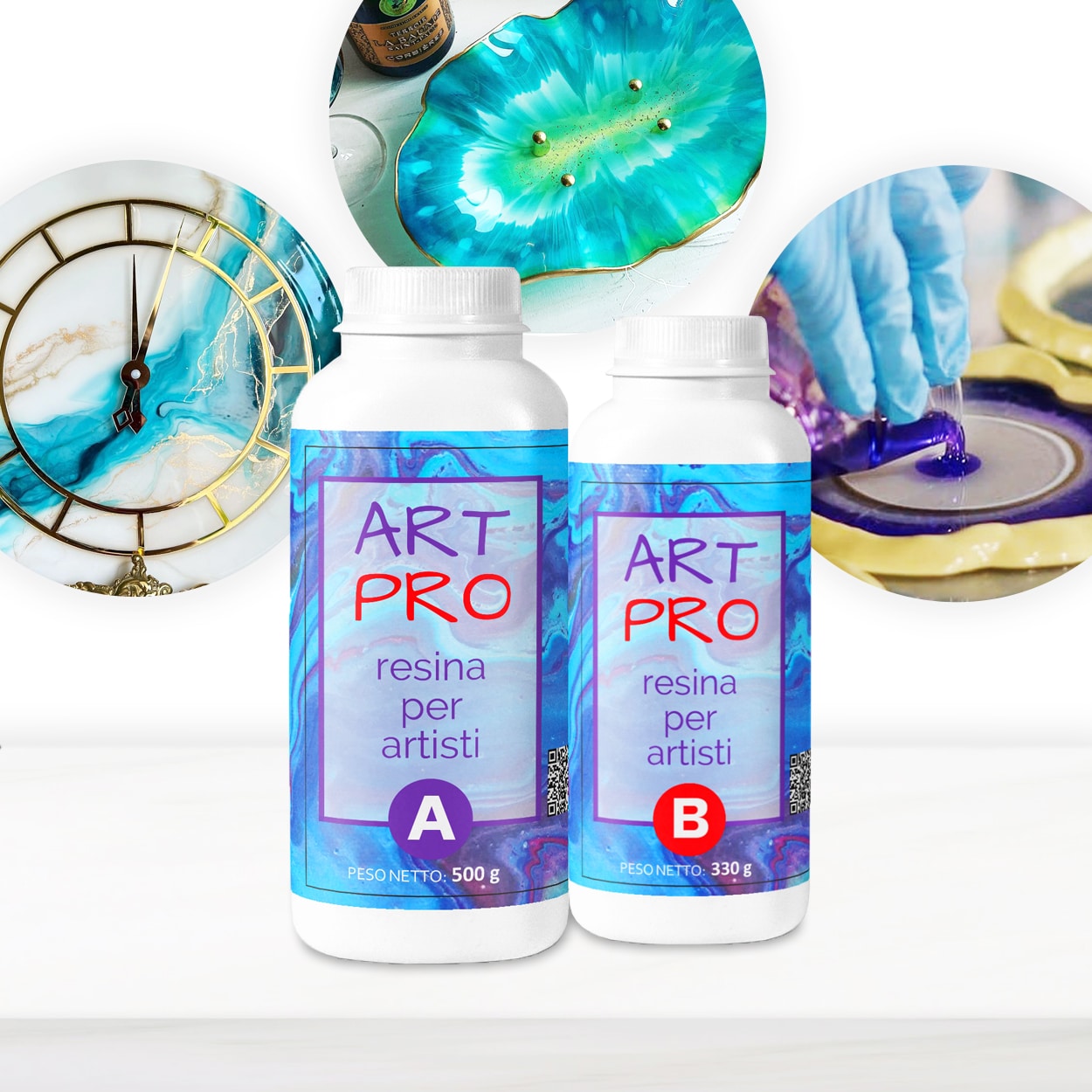 "Art Pro" – Clear Epoxy Resin for Artists and Surface CoatingPrice range: £19.95 through £267.95Art Pro is a clear epoxy resin designed for artists and DIY projects, suitable for precise, durable coatings with high gloss and UV protection.
Frequently Asked Questions
Can I paint over an old resin shower tray?
Yes, as long as the tray is thoroughly cleaned, sanded, and primed to ensure paint and resin adhesion. Preparation is key.
Do I need special paint for resin trays?
Epoxy-compatible paint or quality acrylic paints designed for bathrooms work well. Always use a suitable primer first.
How long before I can use the shower after painting?
Wait 24–48 hours after the resin topcoat for full curing. The surface must be dry and tough before any water contact.
Will the paint last in a wet environment?
If properly applied and sealed with an epoxy resin topcoat, the finish will resist water and daily wear reliably.
Do I have to seal with epoxy or can I skip it?
Applying a clear epoxy resin topcoat is strongly recommended for maximum durability in bathrooms.
What if the finish turns yellow over time?
Using a topcoat with UV protection, such as certain epoxy resins, prevents yellowing and keeps colours bright.