 Free shipping on orders over £29,85
  Shipping Tracking!


 Google
 Facebook
← Back to How does resin harden?
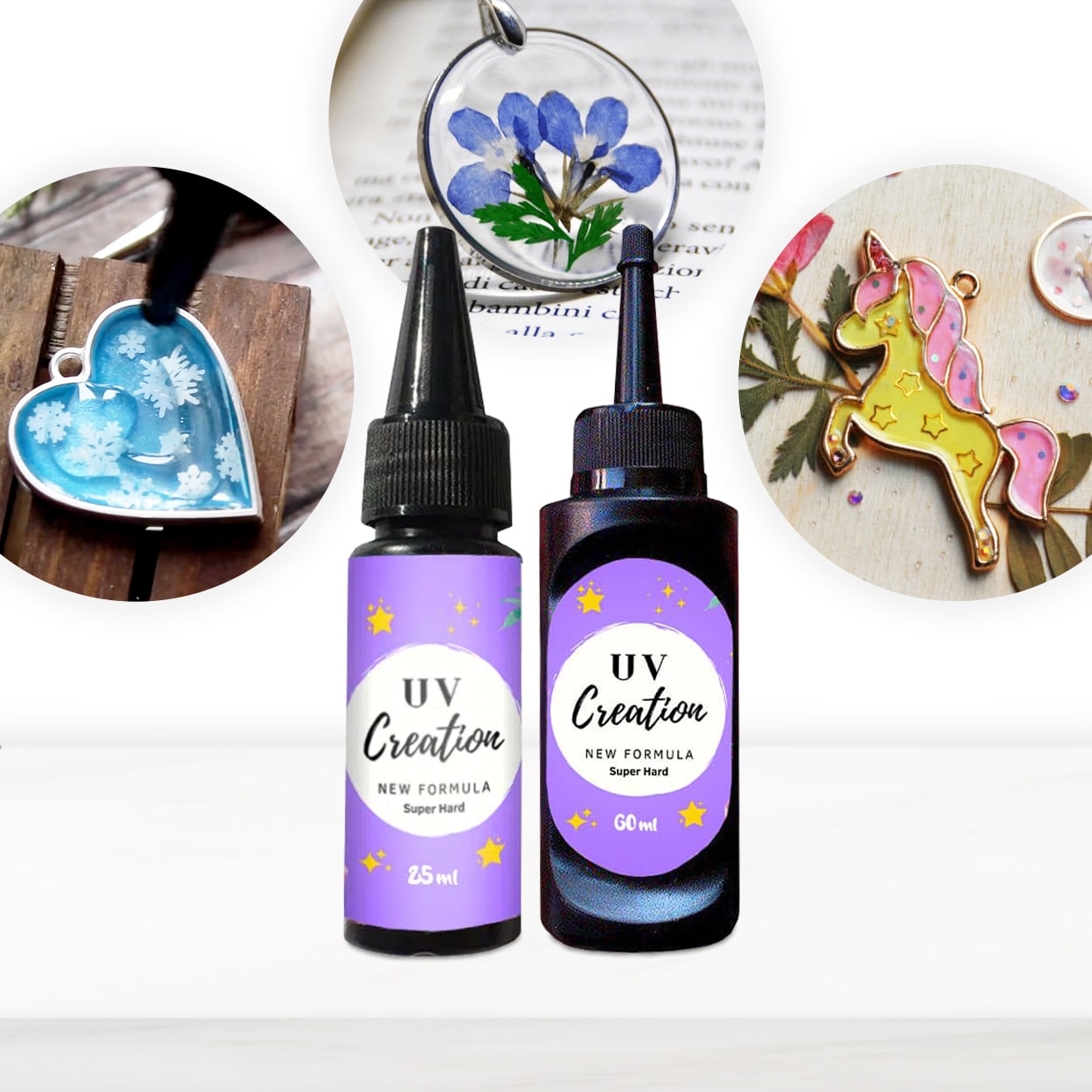
When time is of the essence, choosing the right resin for speedy results is key. Whether you’re crafting jewellery, prototyping, or simply keen to demould quickly, some resin types are formulated to set much faster than others.
The Quickest Cure: UV Resin
UV-curing resin is unmatched for immediate results. Designed for use with a UV lamp, this resin type hardens and becomes fully touchable within just 2–3 minutes. It’s the go-to choice for jewellery artists and hobbyists aiming for a crystal-clear finish without a lengthy wait. Because it’s a single-component product, there’s no mixing – simply apply, expose to the lamp, and you’re ready to move on.
For those seeking ultra-fast turnaround, UV–Creation resin is ideal, offering clarity and convenience for intricate projects.
Alternatives for Rapid Results: Polyurethane & Fast Epoxy
If you prefer a pourable system suitable for casting or need thicker layers, polyurethane resins like “IWhite” set solid in approximately 30 minutes. This makes them a smart choice for model-making or detailed moulding when you need a quick release. Fast-setting epoxies, such as ICreation, demould in as little as 6 hours—significantly quicker than standard types—while providing a transparent, glossy finish for jewellery and crafts.
- Polyurethane resins are valued for fast prototyping and model casting.
- Fast epoxies provide a balance between speed and high-quality clarity.
When Fast-Setting Resin Matters
Fast-curing resins are essential for batch production, tight project deadlines, or workshops where students want to achieve results in a single session. They’re also invaluable for small repairs, quick-make gifts, or when layering techniques demand minimal wait times between pours.
Related products
Related guides
Whether you choose UV, fast epoxy, or rapid polyurethane, there’s a resin solution to suit your pace and project demands. For a deeper understanding of what makes these resins set so quickly, visit our main guide on how resin hardens.