 Free shipping on orders over £29,85
  Shipping Tracking!


 Google
 Facebook
How do you clean the gun of resin?
Essential steps for residue-free, long-lasting resin application tools


Cleaning a resin gun thoroughly is crucial for maintaining optimal performance and prolonging the tool’s life. Whether you’re working on a professional resin installation or an art project, ensuring your resin gun is residue-free will help prevent clogs, improve application accuracy, and ensure a smoother workflow next time you use it. In this guide, you’ll find the step-by-step approach to cleaning a resin gun effectively while avoiding common mistakes that could lead to damage.
What You’ll Need
- Strong Technical Degreaser for Resin Projects – 100% Natural Formula: For gently breaking down resin residues safely.
- Pure Isopropyl Alcohol 99.9% – 1000ml Bottle for Epoxy Resin Projects & DIY: Helps dissolve uncured resin for easier removal.
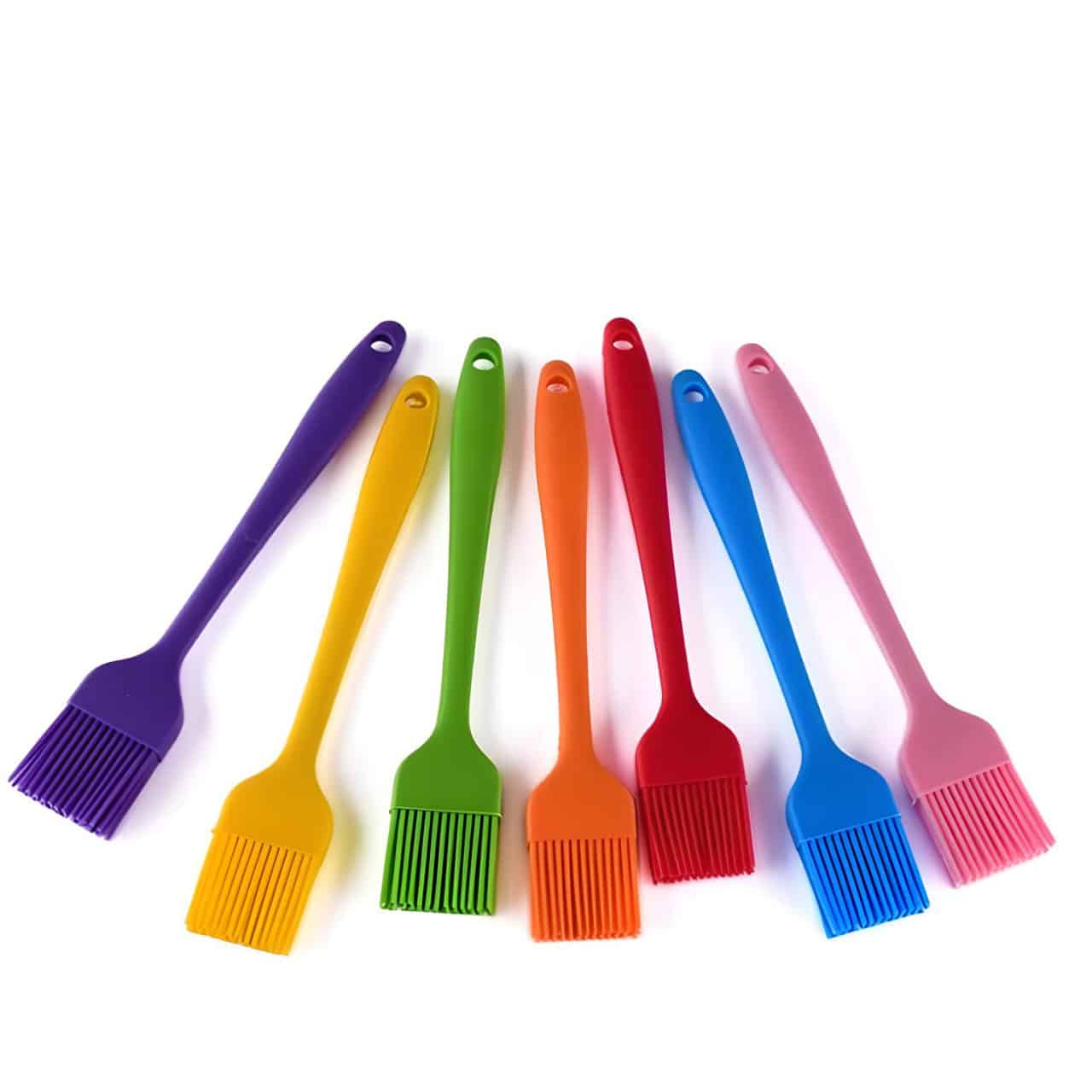
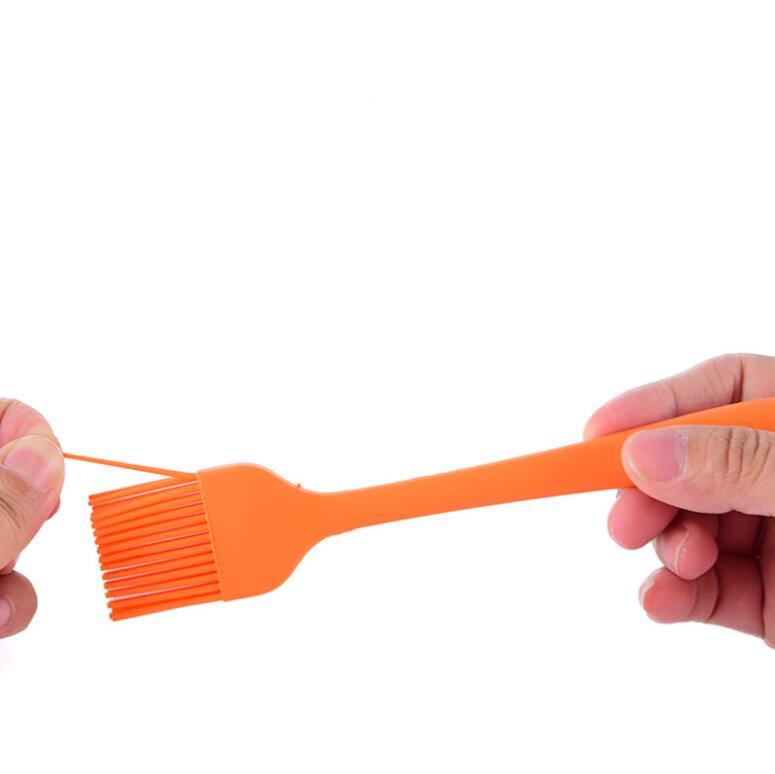
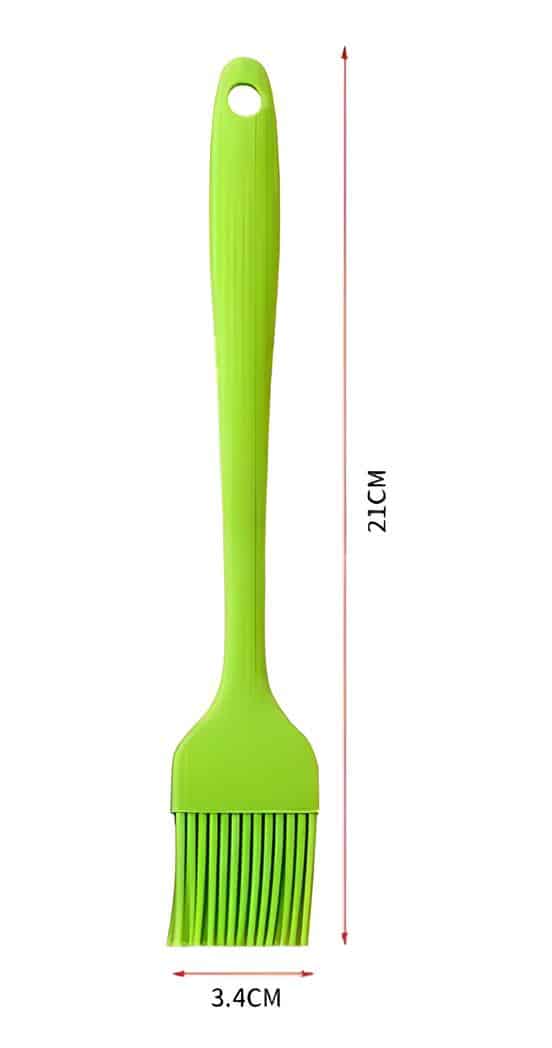
- Reusable Silicone Resin Brush for Epoxy Art and Wood Applications: Assists with scrubbing awkward areas and instruments.
- Soft lint-free cloths and disposable gloves for wiping and safety.
Why Quick Action Matters for Resin Gun Cleaning
Curing resin becomes extremely tough to remove, so cleaning your resin gun immediately after use prevents costly blockages and performance issues. Prompt cleaning is the simplest way to ensure your next resin application is smooth and trouble-free.
Step 1: Remove excess resin before it hardens
Remove excess resin before it hardens to simplify the cleaning process. As soon as you finish applying resin, scrape off any visible residue using a spatula or cloth. It’s far easier to tackle uncured resin than hardened deposits, which can become stubborn and affect the performance of your resin gun in future projects.
Work quickly but carefully, ensuring you do not press the resin deeper into crevices or moving parts. Always wear gloves during this step to protect your skin from irritation caused by uncured resin.
Step 2: Disassemble for deep cleaning
Disassemble for deep cleaning wherever possible following the manufacturer’s instructions. By dismantling the nozzle, plunger, and removable parts, you’ll gain better access to hidden resin build-up. Take care to lay out all the components in order, making reassembly straightforward.
Remember, not all resin guns are designed to be fully stripped down. Never force any parts if they’re not meant to be removed.
Step 3: Choose the right cleaning agent
Depending on the resin type and level of residue, select an appropriate cleaning solvent. For most hobby and professional resin guns, Pure Isopropyl Alcohol 99.9% – 1000ml Bottle for Epoxy Resin Projects & DIY is highly effective at dissolving uncured epoxy and residue.
If you prefer a more natural, skin-friendly option, consider the Strong Technical Degreaser for Resin Projects – 100% Natural Formula, especially on sensitive surfaces. Either way, avoid strong solvents that may damage plastic components or compromise seals within the gun.
Step 4: Clean and maintain all parts
Clean and maintain all parts by soaking removable pieces in your chosen solvent for several minutes to loosen stubborn resin. Use a Reusable Silicone Resin Brush for Epoxy Art and Wood Applications to gently scrub away the softened residue from tiny crevices and applicator tips.
Dry each part completely with a lint-free cloth before reassembling the gun. Double-check the mechanism for smooth operation, ensuring no solvent or resin remains inside. Store the resin gun in a clean, dry place for best longevity.

Tips and Common Mistakes to Avoid
Be prompt with cleaning—uncured resin is much easier to remove than hardened deposits. Avoid using abrasive pads or harsh chemicals that may impair the gun’s seals or plastic parts. Always consult the manufacturer’s guidance to prevent accidental damage while disassembling. For deeper cleans, stick to proven cleaning agents like isopropyl alcohol or a natural degreaser and test a small area first if unsure.
Maintaining Resin Guns for Consistent Results
Regular maintenance keeps your tools ready for action and prevents sticky surprises at the start of a project. Adopting a cleaning routine means less downtime and higher-quality finishes for every resin application.
- Strong Technical Degreaser for Resin Projects – 100% Natural FormulaOriginal price was: £10.95.£9.45Current price is: £9.45.A natural and gentle degreaser suitable for cleaning surfaces commonly involved in epoxy resin projects.
- Pure Isopropyl Alcohol 99.9% – 1000ml Bottle for Epoxy Resin Projects & DIYPrice range: £10.45 through £20.95Pure Isopropyl Alcohol 99.9% in a 1000ml bottle is suitable for epoxy resin projects, cleaning, and creating effects in resin art.
- Reusable Silicone Resin Brush for Epoxy Art and Wood Applications£3.62The Reusable Silicone Resin Brush offers precise application and easy cleaning, suitable for art and wood projects.
- "Epoxy Polish" – Epoxy Resin Polishing SystemPrice range: £18.95 through £47.45Epoxy Polish is an advanced system for achieving a glossy finish on resin projects, suitable for professionals and DIY users.
Frequently Asked Questions
Is it safe to use regular chemicals for cleaning a resin gun?
Strong solvents can damage delicate parts. Use products designed for resin, such as isopropyl alcohol or a plant-based degreaser, for the best results.
How do you remove hardened resin from the gun?
Soak components in an appropriate solvent to soften hardened resin, then gently scrub with a suitable brush for residue removal.
How often should you clean your resin gun?
Clean your gun promptly after each use before the resin cures to prevent clogging and ensure tool longevity.
Is it safe to submerge a resin gun in solvent?
Only submerge removable parts as recommended by the manufacturer, as prolonged exposure can damage seals or plastic.
Should you wear gloves when cleaning a resin gun?
Yes, to protect your skin from uncured resin and cleaning agents during the cleaning process.
Does the type of resin affect the cleaning process?
Some resins cure harder or faster, making prompt cleaning even more important. Always check the resin’s compatibility with your chosen cleaning agent.