 Free shipping on orders over £29,85
  Shipping Tracking!


 Google
 Facebook
← Back to What should be applied to resin before coloring it with acrylic?
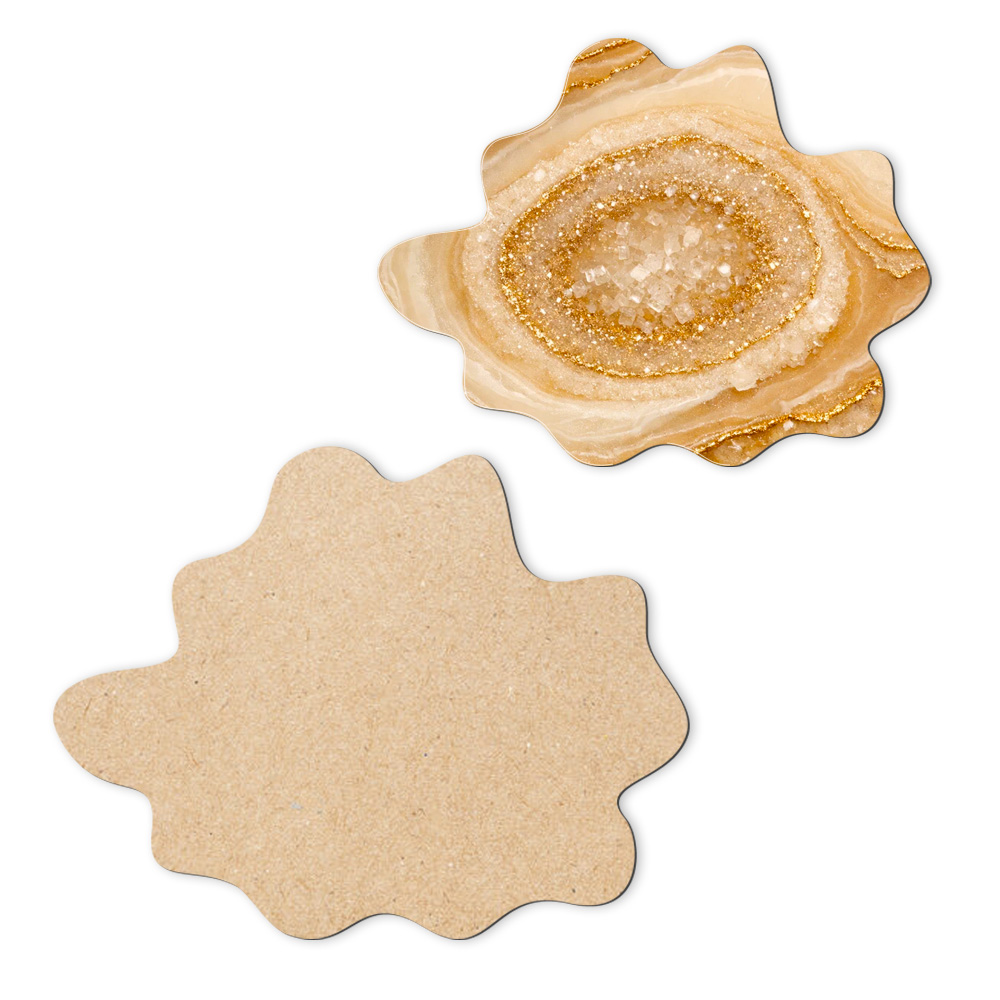
If you’re planning to create resin or acrylic artwork on MDF boards, proper surface preparation is an important first step. Sealing MDF helps ensure the most professional, long-lasting results.
Why Seal MDF for Resin or Acrylic Art?
MDF is highly absorbent, which means liquids like resin or acrylic paint can soak in quickly, leading to dull patches, uneven finishes or even warping over time. Applying a sealer or primer forms a barrier, stopping absorption and improving the adhesion of your resin or acrylic layers. This extra step helps achieve a smooth, glossy finish, especially on detailed or high-contrast designs.
Preparation Steps for the Best Results
- Lightly sand the MDF surface and edges to remove any dust or roughness.
- Apply primer or sealer: Use products like gesso or a dedicated MDF sealer, ensuring all faces and especially the edges are thoroughly coated.
- Allow drying time between coats, following product instructions, and consider two coats for extra protection.
- Tape the underside of your board to reduce drips and secure your workspace.
With the MDF sealed and primed, you can confidently begin pouring resin or adding acrylic colours. For artists looking for the perfect canvas, the MDF Resin Art Board – Geode V2 offers a smooth, stable base designed specifically for fluid art and resin pours.
When Sealing MDF Makes a Difference
Sealing becomes especially important for large resin pours, highly pigmented acrylics, or projects with intricate detail. Properly prepared boards help you achieve crisp edges and prevent dull or patchy areas, whether you’re crafting geode designs, clocks, or abstract wall art.
Related products
Related guides
Taking the time to seal your MDF board is a worthwhile investment for any resin or acrylic project. For more helpful tips and guides on preparing surfaces for colouring with acrylic or resin, explore our full FAQ at Resin Pro.