 Free shipping on orders over £29,85
  Shipping Tracking!


 Google
 Facebook
What should be applied to resin before coloring it with acrylic?
Preparation techniques and board choices for vibrant acrylic colours
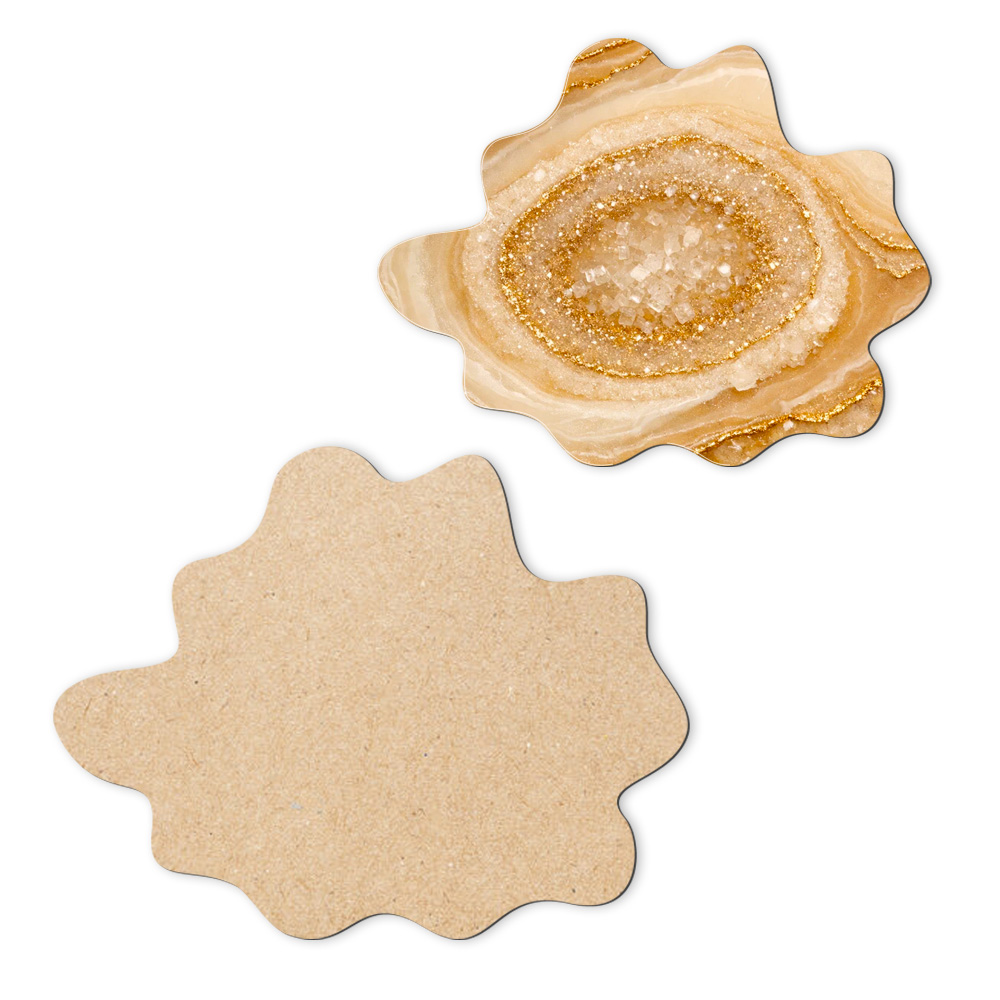
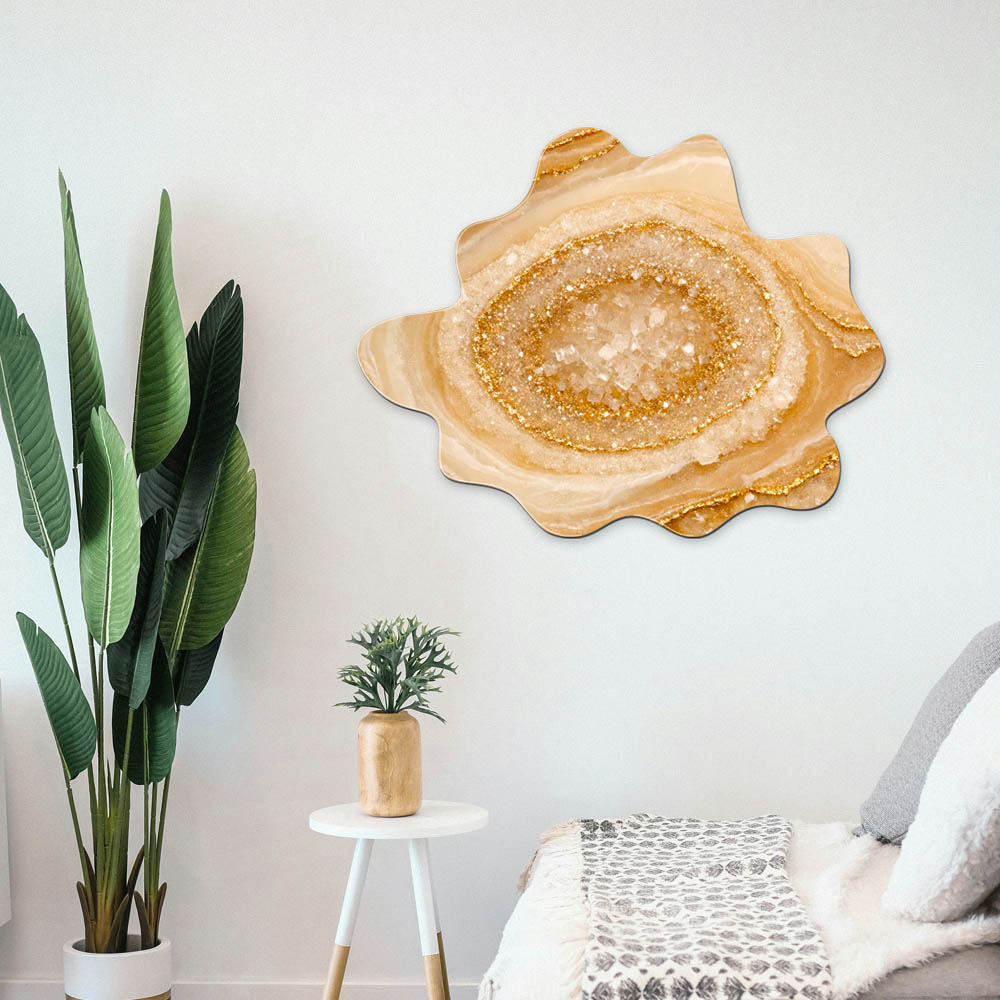
If you’re eager to create resin art with vibrant acrylic colours, proper surface preparation is key for smooth application, colour brilliance, and lasting results. This guide explains what to apply to resin projects—particularly on MDF art boards—before colouring them with acrylics. Whether you’re a fluid artist, craft enthusiast, or DIY creator, this resource will help you select the right products and techniques for priming your resin base.
Overview: Preparing Resin Surfaces for Acrylic Colouring
The foundation of every successful acrylic and resin artwork lies in correctly preparing your surface. MDF art boards are popular because they offer a stable, smooth surface, but these boards are porous and can absorb both resin and acrylic unless carefully sealed. An unprimed surface can lead to poor adhesion, uneven colours, and excessive absorption, affecting the final look of your work.
The most recommended approach is to lightly sand your board, then apply a primer or sealer such as gesso or an MDF-specific sealer before pouring resin and adding acrylic layers. This ensures the resin remains glossy and the acrylics remain vivid, preventing discolouration, warping, or dull patches. Sealing especially the edges is crucial for optimal results.
Why Sealing MDF is Essential Before Resin and Acrylic Application
Sealing MDF boards before resin or acrylic application prevents uneven absorption, warping, and discolouration. A sealed surface offers optimal adhesion for both resin and acrylics, resulting in smoother, more vibrant designs with a professional finish.
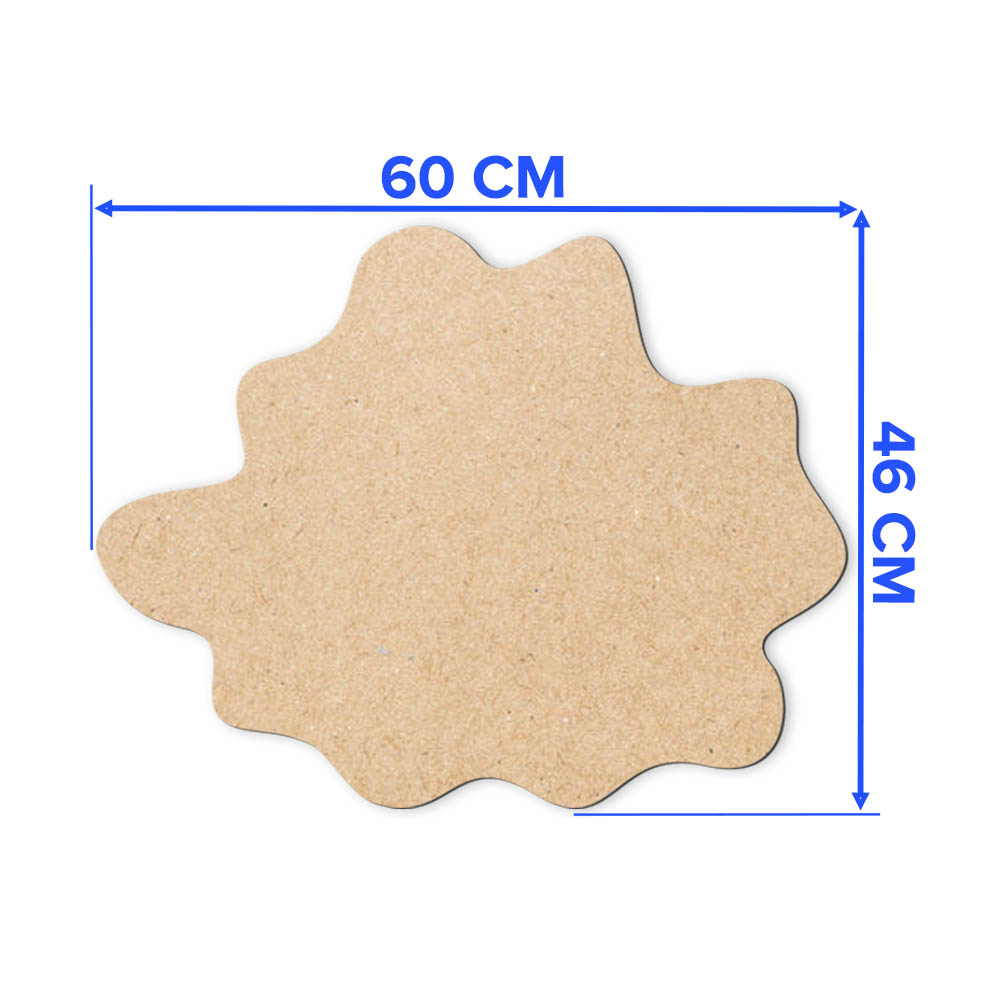
MDF Resin Art Board – Geode V2 – 46x60cm
The MDF Resin Art Board – Geode V2 – 46x60cm features a robust 6mm MDF construction and an organic, fluid silhouette perfect for both resin pours and acrylic art. Before applying resin, it’s strongly recommended to seal or prime MDF with a suitable sealer (e.g. gesso or MDF sealer) before resin application when using acrylic colours. Sanding lightly and taping the underside will further improve your results, ensuring a flawless, glossy finish and vibrant acrylic colours.
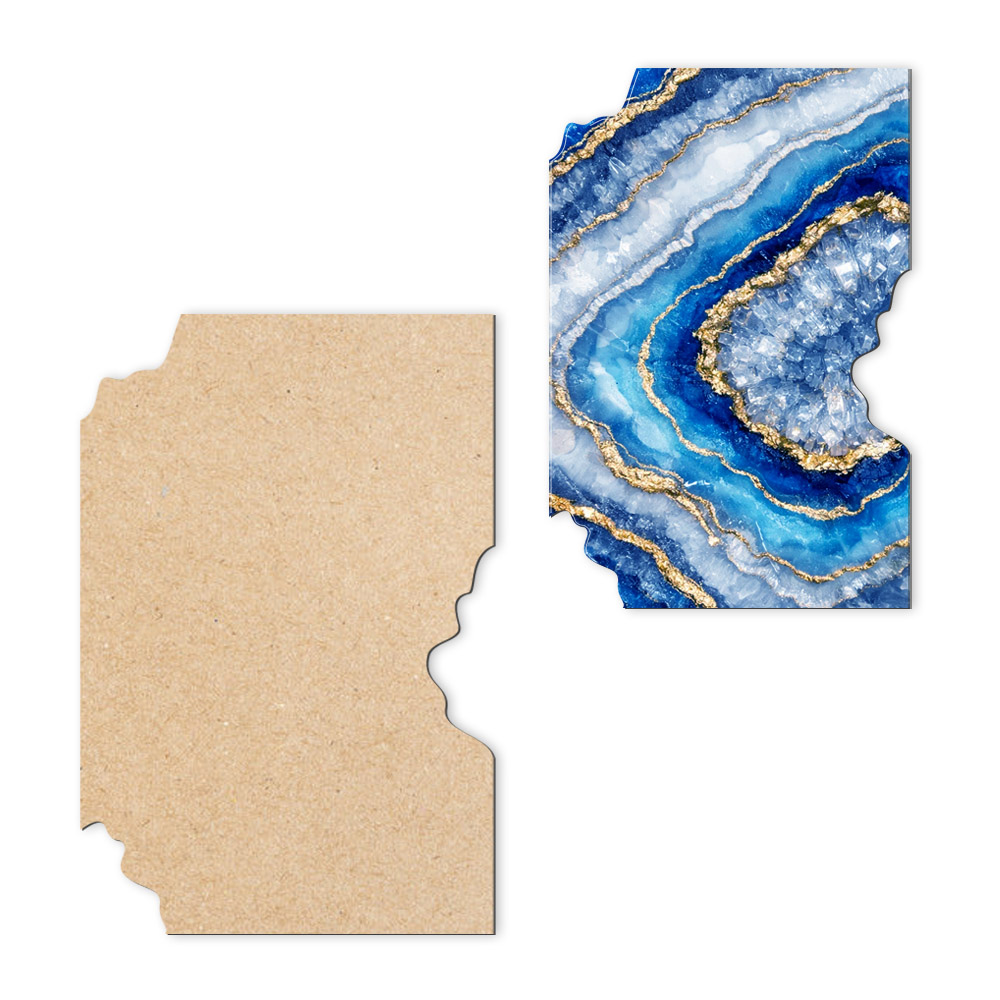
MDF Resin Art Board – Geode V3 – 60x40cm
The MDF Resin Art Board – Geode V3 – 60x40cm delivers a clean rectangle with decorative geode edges and a sturdy 6mm MDF surface. To maximise adhesion and colour intensity, seal or prime MDF before pouring resin to improve adhesion and finish. This board is ideal for layered designs where crisp lines and defined acrylic veining are desired.
MDF Resin Art Board – Circle Shape – 40cm / 50cm Diameter
If your style gravitates toward circular formats, the MDF Resin Art Board – Circle Shape – 40cm / 50cm Diameter is the perfect base for both epoxy resin projects and mixed media. Its 6mm MDF providing strength and stability allows you to experiment with different acrylic techniques. Recommended to seal or prime MDF before applying resin or acrylics to ensure best results, this step helps prevent unwanted absorption and preserves crisp colour boundaries.
MDF Resin Art Board Clock Blank With Centre Hole, Circle, 40cm/50cm Diameter
The MDF Resin Art Board Clock Blank With Centre Hole, Circle, 40cm/50cm Diameter brings functional art to life. Each round blank in 6mm MDF has an 8mm centre hole ready for standard clock fittings. As with all MDF, recommended to seal or prime MDF before applying resin to keep your clock face smooth and colours rich, especially when layering resin with acrylic accents.
Choosing the Right Preparation for Your Project
The dominant theme among all premium MDF art boards is that careful surface preparation leads to superior results. Always sand lightly and carefully seal both the face and edges of your board with a suitable primer or gesso before applying resin or any acrylic medium. Taping the underside can help prevent drips and keep the back clean for display or hanging. Attention to these details will ensure your finished artwork is stable, vibrant, and professional-grade, elevating every acrylic and resin creation.
Surface Preparation Tips for Flawless Resin Art Results
Always sand boards lightly and use a recommended primer or sealer to achieve the best possible finish. Sealing the edges is as important as sealing the faces—this ensures no moisture seeps in, protecting your art from swelling and distortion over time.
- MDF Resin Art Board – Geode V2 – 46x60cm£25.45MDF Resin Art Board – Geode V2 offers a stable 6mm MDF base suitable for fluid art and abstract resin pours.
- MDF Resin Art Board – Geode V3 – 60x40cm£20.95MDF Resin Art Board – Geode V3 in 60x40cm offers a sturdy 6mm MDF surface with geode-style edges, suited to resin crafts.
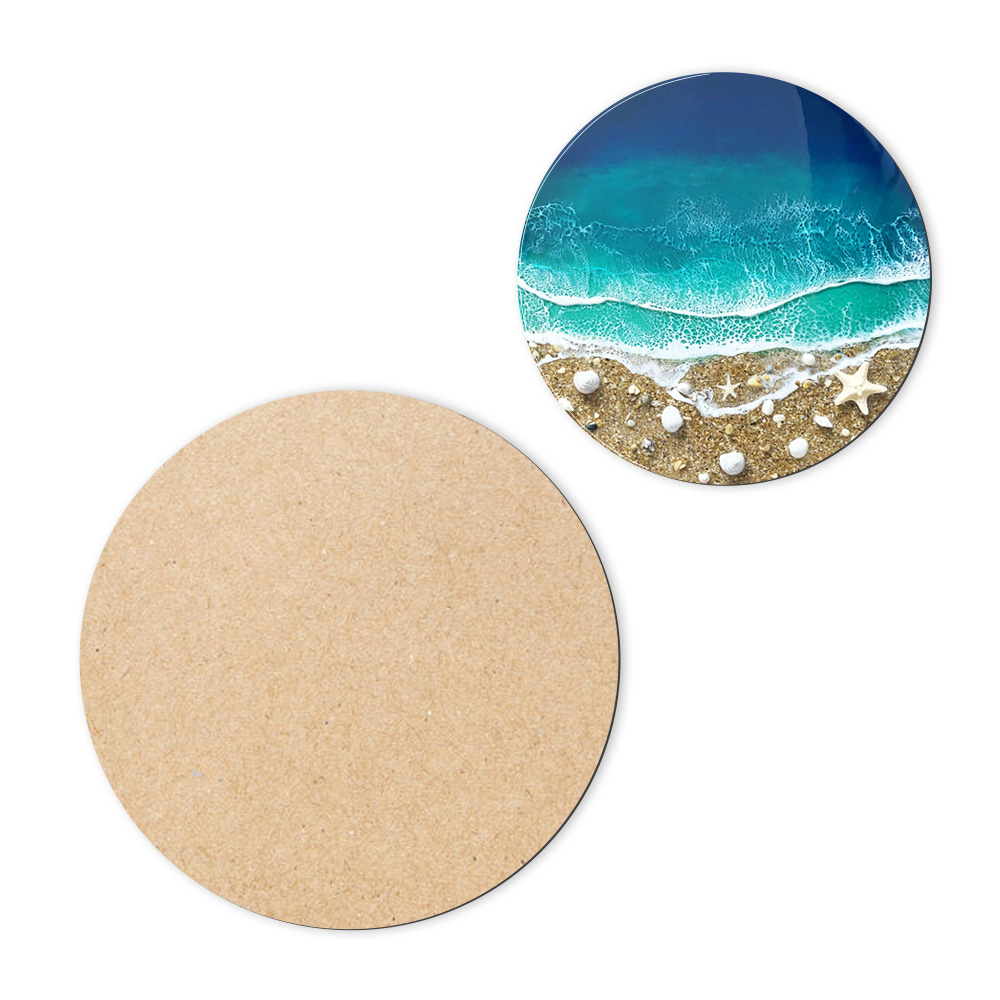 MDF Resin Art Board – Circle Shape – 40cm / 50cm DiameterPrice range: £16.95 through £19.95MDF circle blanks suitable for resin art and mixed media with a smooth, stable surface and clean-cut edges.
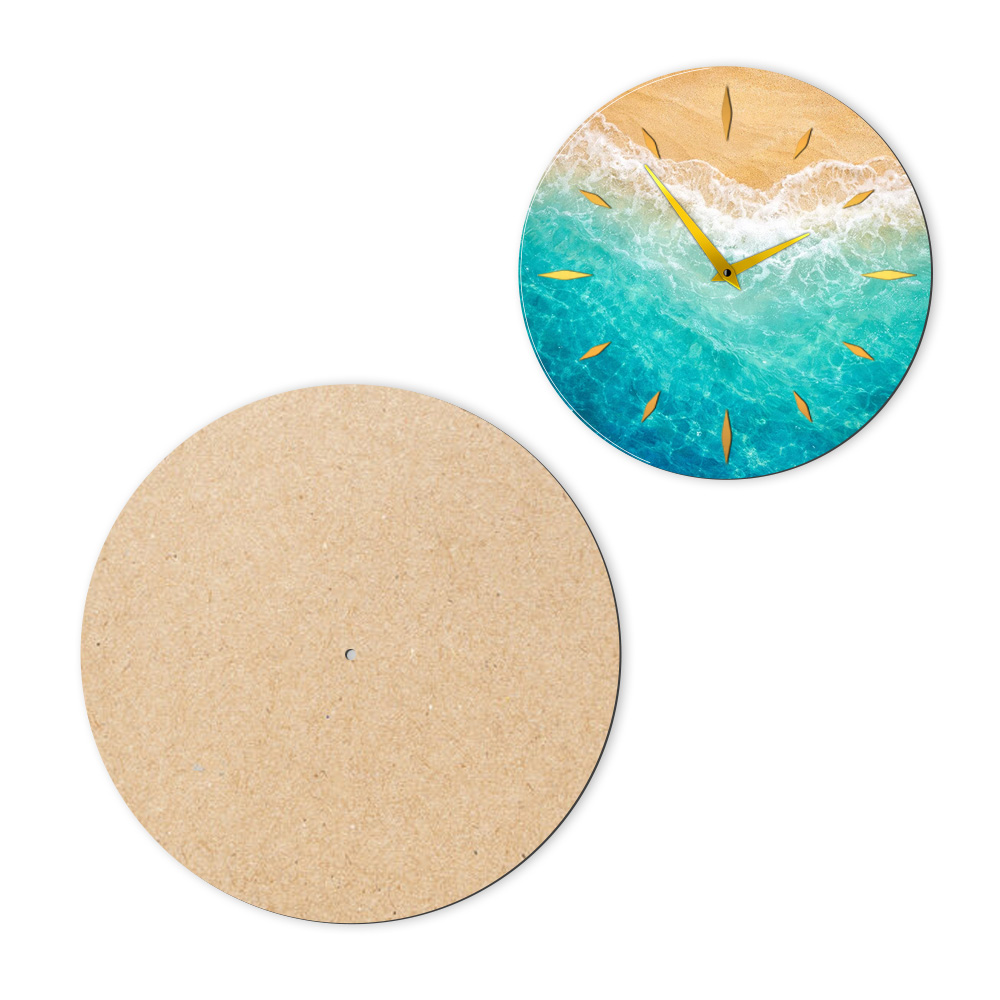 MDF Resin Art Board Clock Blank With Centre Hole, Circle, 40cm/50cm DiameterPrice range: £16.95 through £19.95Round clock blank in 6mm MDF with 8mm centre hole, suitable for epoxy resin clocks and wall art.
Frequently Asked Questions
Should MDF be sealed before applying resin or acrylic colours?
Yes, sealing MDF prevents absorption, improves adhesion, and ensures a smooth, glossy finish when working with resin and acrylics.
What is the best primer for preparing MDF art boards for resin and acrylic?
Acrylic-based gesso or MDF sealer is ideal for sealing the surface and edges before resin or acrylic application.
Is it necessary to sand MDF boards before priming for resin art?
Light sanding removes dust and fibres, giving you a smoother primed surface that helps the sealer adhere evenly.
Can I pour resin or paint acrylic directly onto unprimed MDF boards?
Direct application is not recommended, as unprimed MDF can absorb resin and acrylics unevenly, causing dull patches and damaging the art.
How can I prevent resin from leaking and keep the reverse side clean?
Taping the underside of your board helps stop resin from dripping and keeps the reverse free of residue, making hanging or display easier.
Which MDF art boards are recommended for acrylic and resin fluid art projects?
All 6mm MDF art boards listed above are suitable, provided they're sealed and primed for resin or acrylic use.