 Free shipping on orders over £29,85
  Shipping Tracking!


 Google
 Facebook
How do you use fiberglass and epoxy glue?
Step-by-step guide for strong, durable composite repairs


Working with fibreglass and epoxy glue enables you to repair, reinforce or construct tough, lightweight structures. Whether you’re fixing a boat hull, mending automotive panels, or fabricating new projects, understanding the correct approach ensures a bond that delivers true strength and durability. This guide leads you step by step from preparation to a flawless finish.
What You’ll Need
- “Carbon Resin” – Epoxy Resin for Carbon Fiber & Fiberglass Coating – For perfect fibre impregnation and maximum bond strength
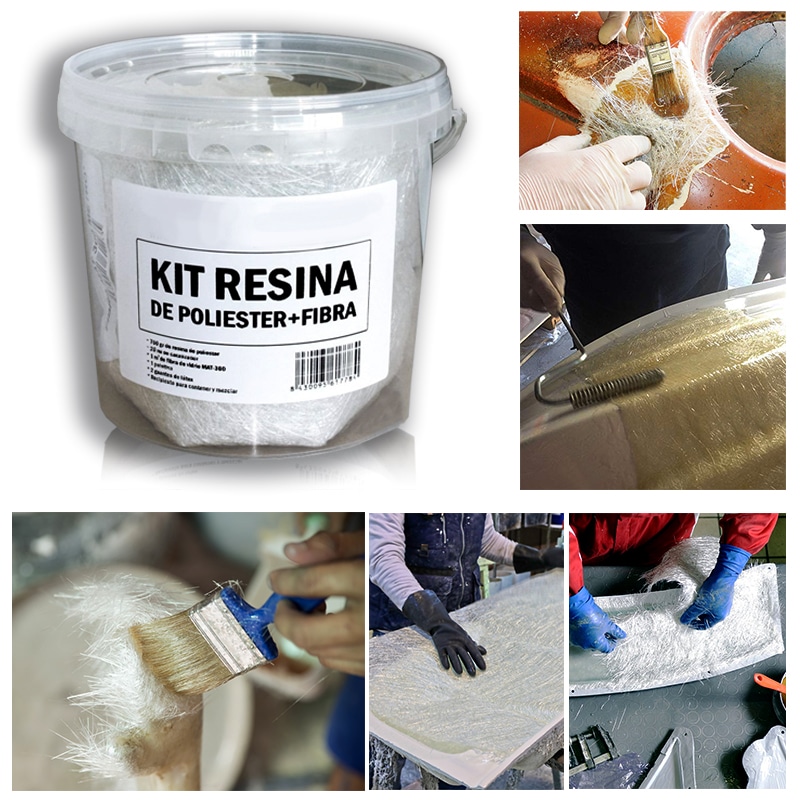
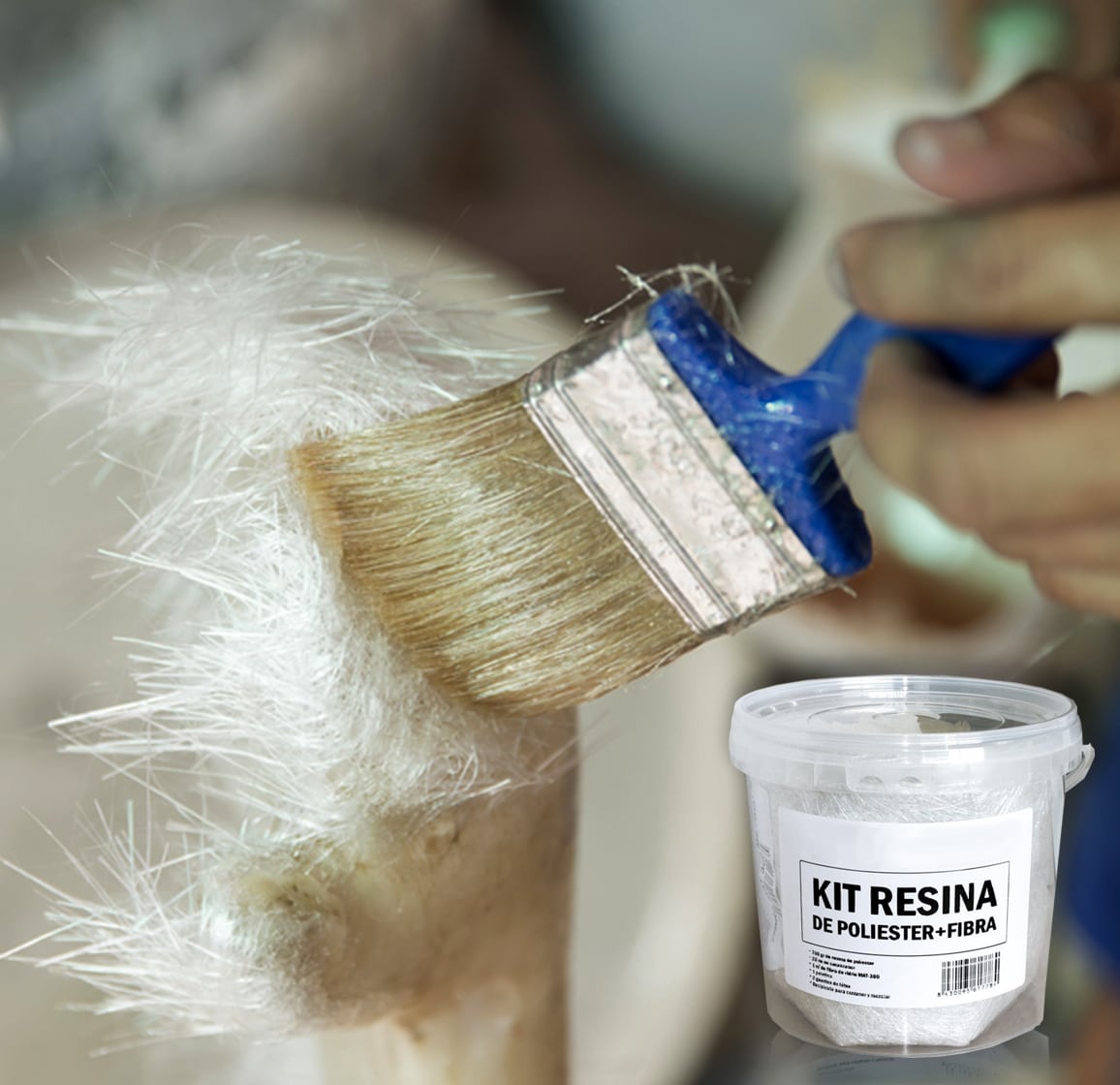
- Resin Fibreglass Repair Kit – Complete Polyester Resin and Hardener Set – Contains mat, resin, hardener, and application tools
- CROP 2K Fiberglass Putty – 750 ml + Hardener – For filling cracks, dents, and deep cavities in reinforced repairs
- “Klebfix” – Two-Component Fast Epoxy Glue 2K, 25g Syringe – For fast-setting, multi-material bonds
- Fibreglass cloth or mat
- Sanding block or abrasive pads
- Protective gloves, respirator, and goggles
- Mixing containers and brushes
- Masking tape and plastic sheeting (for covering surrounding areas)

Essential Fibreglass and Resin Tools
Gather your materials before starting: Having all necessary resins, cloths, containers, and protective gear ready ensures smooth working and prevents rushed mixing or application steps. Lay out a clean, ventilated workspace to keep fibres and resins free from dust and contamination.

Step 1: Prepare the Surface Thoroughly
Achieving strong adhesion starts with meticulous preparation. Clean the surface to eliminate dust, grease, old coatings, or contaminants. Use a sanding block or abrasive pad to roughen slick surfaces such as metal, plastic, or cured resin—this enhances mechanical grip. After sanding, wipe away residue with a lint-free cloth. Ensure surfaces are thoroughly sanded and grease-free for optimal results. If you are working with a repair kit containing everything you need, such as the Resin Fibreglass Repair Kit – Complete Polyester Resin and Hardener Set, you’ll have cleaning tools included.
Step 2: Measure, Mix, and Apply Resin or Glue
Read the resin or glue instructions and put on PPE—Wear gloves and a respirator for safety. For broad laminating or coating jobs, use an epoxy formulated for technical fabrics, such as “Carbon Resin” – Epoxy Resin for Carbon Fiber & Fiberglass Coating. Accurately measure resin and hardener by weight, combining in clean mixing pots as directed. Stir slowly but thoroughly to avoid introducing bubbles.
For smaller repairs or quick bonds, a rapid solution like “Klebfix” – Two-Component Fast Epoxy Glue 2K, 25g Syringe allows precise application with a double-chamber syringe. Mix only what you can apply within the working time—epoxy and polyester resins may begin to set in minutes, depending on the product.
Step 3: Lay and Impregnate the Fibreglass
Cut fibreglass cloth or mat to size before mixed resin is ready. Lay dry fabric lightly onto the repair area. Carefully brush or roll resin across the fabric, starting at the centre, using overlapping strokes to fully saturate fibres. Take your time to press out air bubbles and ensure every strand is wetted for a consolidated, void-free laminate. Plan multiple layers for added strength if required—each should be saturated and pressed down firmly before proceeding to the next.
Step 4: Shape, Fill, and Finish the Repair
Once the initial laminate cures, trim away excess fibreglass and consider filling dents or irregularities. For shaping and filling, use a fibreglass-reinforced putty such as CROP 2K Fiberglass Putty – 750 ml + Hardener. Mix putty and hardener as directed, then apply with a spreader, forcing into cracks or cavities. Allow adequate curing time before sanding to a smooth, level finish, ready for priming and painting where required.
Step 5: Cure and Inspect
Allow adequate curing time—epoxy and polyester resins harden at varying rates, typically from 5 minutes for fast adhesives up to several hours for structural systems. Maintain the repair undisturbed during this period for best results. Once cured, inspect for missed spots, voids, or rough areas and sand or recoat as needed.
Tips and Troubleshooting
Never rush the curing stage: Inadequate curing leads to soft spots and compromised strength. If working in cool temperatures, curing may slow; allow extra time or use gentle heat if safe. When layering, partial curing between coats helps bonding, but full curing is needed before heavy use or sanding. For best impregnation, use even pressure to remove trapped air. If bubbles appear, use a heat gun sparingly to coax them to the surface. For increased structural strength on high-stress repairs, consider overlapping fabric edges and alternating fibre directions.
Project Success with the Right Technique
Mastering preparation and patience is the key to resilient, long-lasting repairs. Resin and fibre composites reward attention to each stage, so invest time in surface prep, layer application, and final finishing for the best possible outcome.

- "Carbon Resin" – Epoxy Resin for Carbon Fiber & Fiberglass CoatingPrice range: £19.95 through £37.95"Carbon Resin" epoxy resin is designed for composites and technical fabrics, ensuring perfect impregnation and a durable finish.
- Resin Fibreglass Repair Kit – Complete Polyester Resin and Hardener SetResin Fibreglass Repair Kit offers a complete polyester resin and hardener set for structural repairs using fibreglass mats in versatile applications.
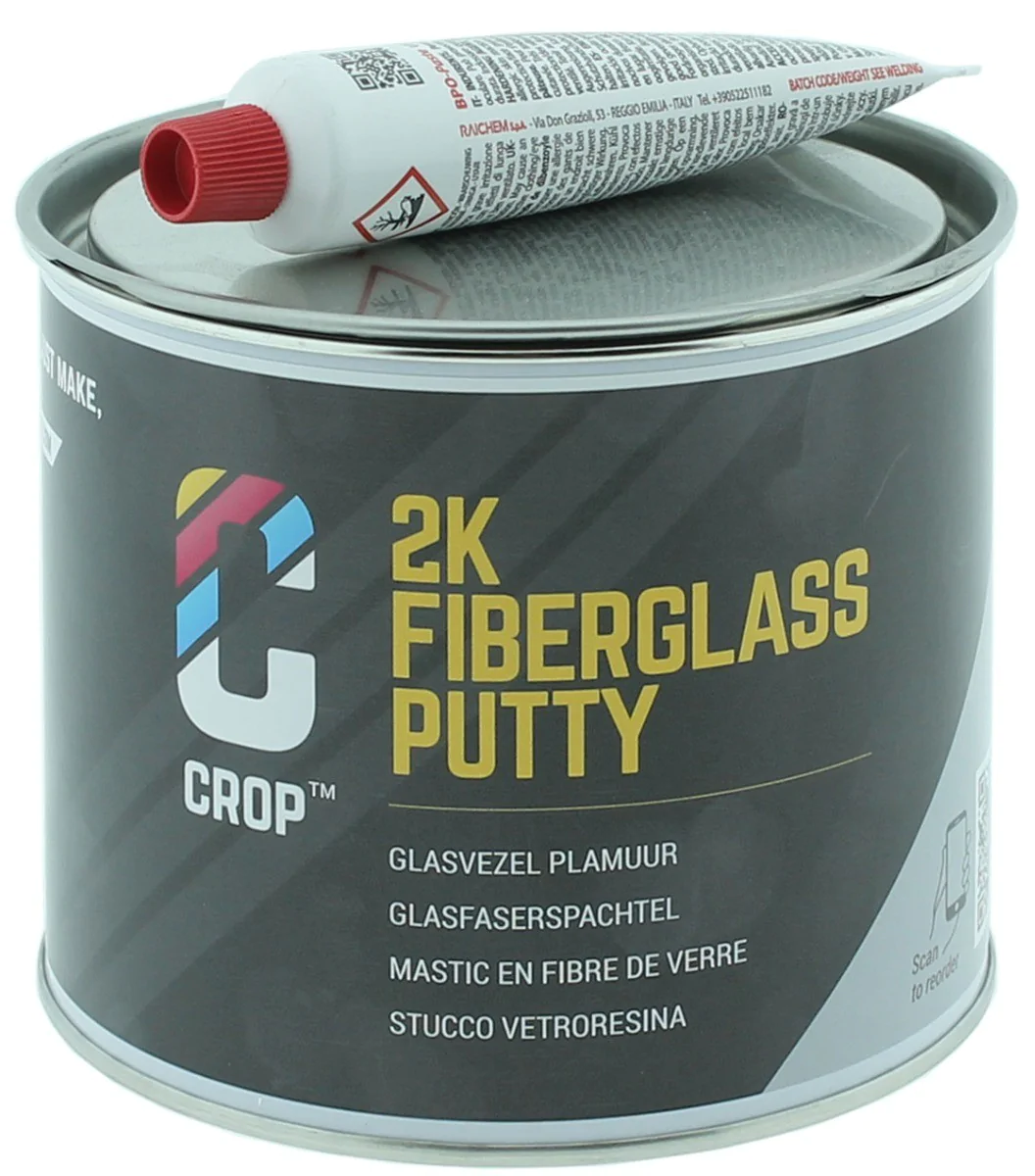 CROP 2K Fiberglass Putty – 750 ml + Hardener£15.85CROP 2K Fiberglass Putty is a two-component polyester putty reinforced with fibreglass, suitable for repairs requiring additional strength.
 "Klebfix" – Two-Component Fast Epoxy Glue 2K, 25g Syringe£24.00"Klebfix" 2K Fast Epoxy Glue bonds various materials with ease and sets quickly, suitable for professional and DIY repairs.
Frequently Asked Questions
What is the difference between epoxy resin and polyester resin for fibreglass?
Epoxy offers higher bonding strength and durability, while polyester is often more cost-effective and used in rapid repairs.
What are the best practices for reliable fibreglass and resin repairs?
Thorough surface prep, careful resin mixing, and allowing full cure are crucial to lasting repairs.
How long should I let fibreglass and epoxy cure?
Allow several hours up to overnight, depending on product, thickness, and room temperature for full strength.
Do I need special safety gear when using fibreglass and epoxy glue?
Always use gloves, eye protection, and a respirator to guard against fumes and skin sensitisation.
Can I paint or finish over my fibreglass and resin repair?
Yes, sand the cured surface smooth and clean it well before applying primer and paint designed for composites.
What mistakes should I avoid when using fibreglass with resin or epoxy glue?
Avoid poor mixing, skipping surface prep, and disturbing the repair before it’s fully cured.