 Free shipping on orders over £29,85
  Shipping Tracking!


 Google
 Facebook
How do you apply resin in the bathroom?
Step-by-step bathroom resin application for seamless surfaces
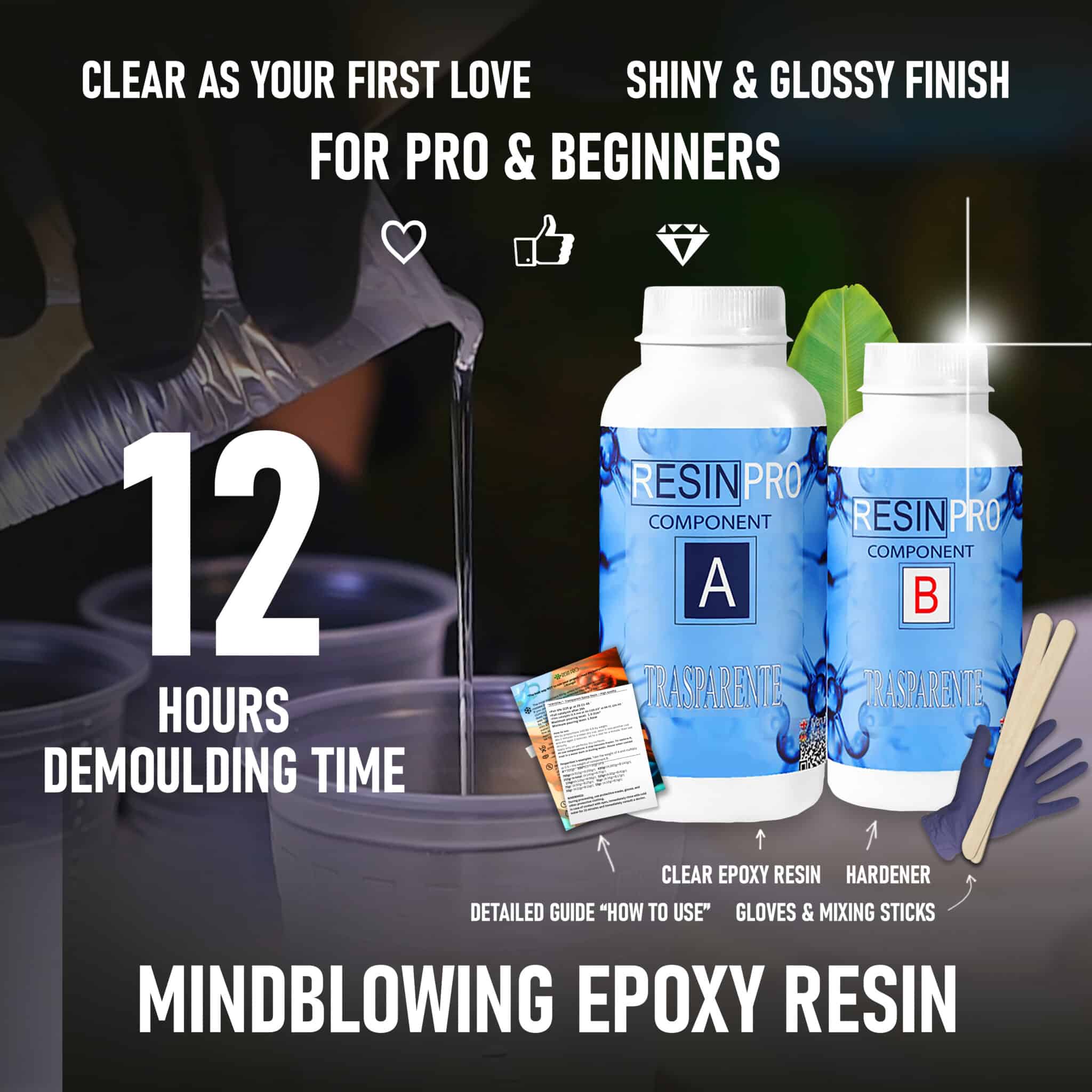
Applying resin in the bathroom allows you to create seamless, durable, and water-resistant surfaces for walls, floors, or countertops. This guide takes you through all the essential steps, from surface preparation to achieving a perfect glossy finish that stands up to moisture and daily use. Ideal for DIY enthusiasts and professionals alike, you’ll learn the recommended method for a result that lasts.
What You’ll Need
- “Icrystal” – Clear Epoxy Resin – Odourless Formula – Up to 1.5cm: Perfect for clear, durable coatings on sink surrounds or cabinets.
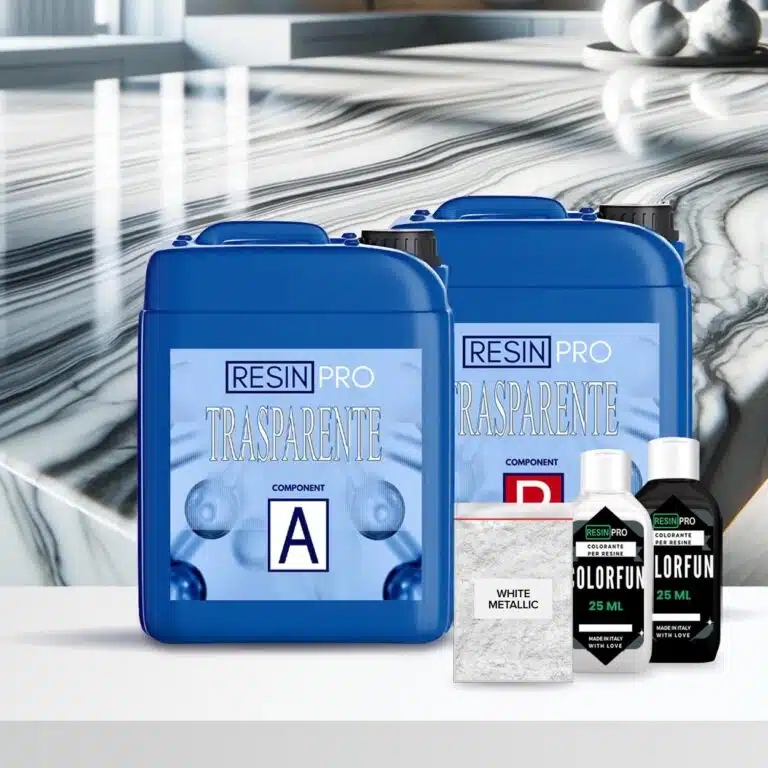
- “Stone Effect Collection” – Marble Epoxy Resin Countertop Kit: Ideal if your project is upgrading a vanity top with a stunning stone finish.
- Resin & Paint Application Rollers – Short-Pile, Large, and Sponge Types: For smooth, controlled application on walls and flat surfaces.
- Protective gloves, goggles, and mask (where required)
- Fine-grit sandpaper and cleaning cloths
- Painter’s tape and plastic sheeting (to mask off edges and protect fixtures)
See Resin Transformation in Bathrooms
From dated tiles to elegant, modern finishes, resin brings a seamless and glossy upgrade to any bathroom space. Browse real project examples and application close-ups to guide your approach.
Step 1: Prepare the Surface
Proper preparation is crucial for ensuring resin bonds securely to bathroom surfaces. Remove any old coatings, silicone, or debris. Clean and dry the entire surface thoroughly before any resin application. Use fine-grit sandpaper to lightly abrade glossy tiles or worktops for better adhesion. Vacuum or wipe away all dust before proceeding.
Mask off fixtures, drains, and edges with painter’s tape and protect adjoining areas with plastic sheeting. This prevents accidental spills and leaves crisp lines once the resin has cured.
Step 2: Mix the Resin Correctly
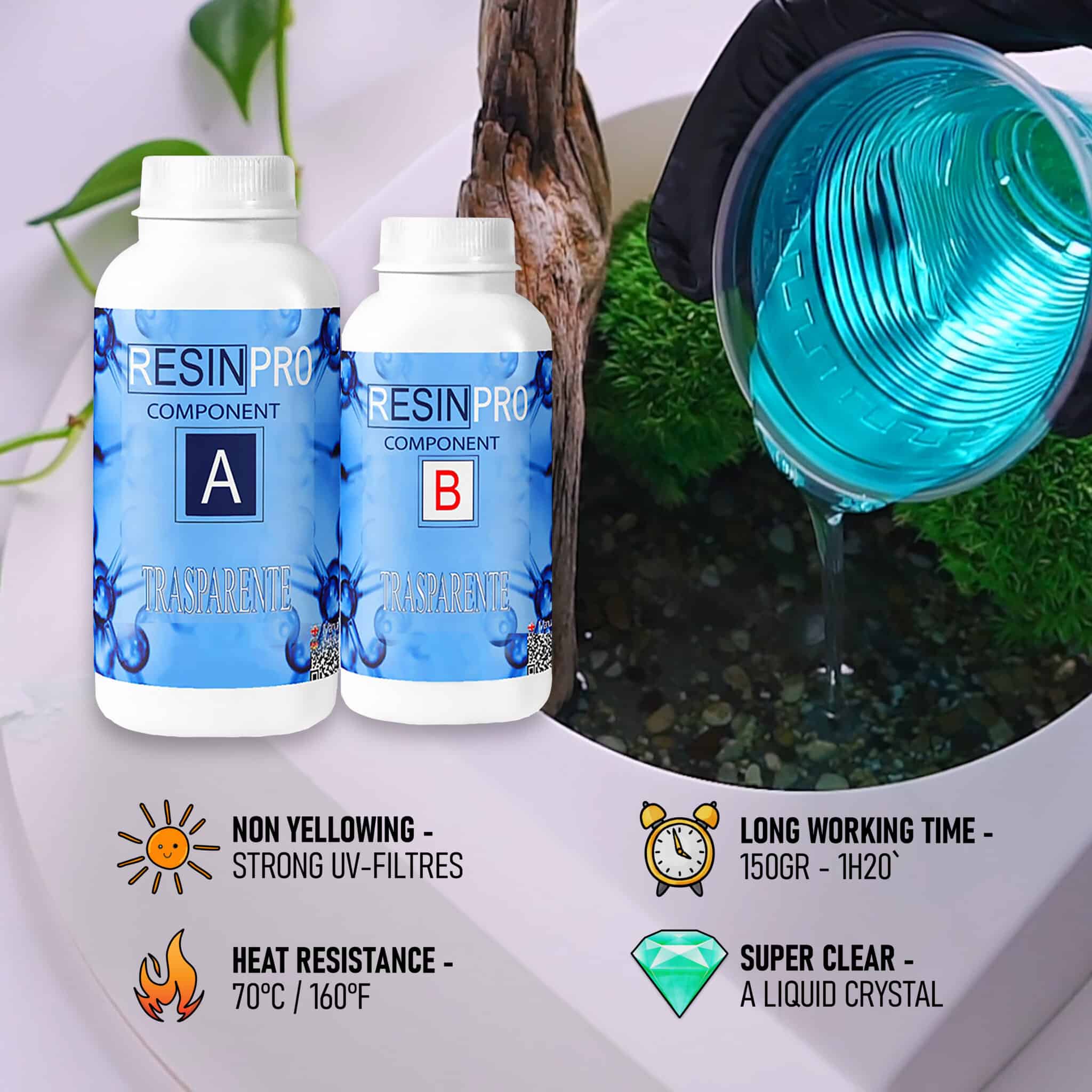
Follow the manufacturer’s instructions for your chosen resin. For smaller bathroom surfaces like countertops or vertical panels, a clear, odourless formula such as “Icrystal” is ideal, offering excellent transparency and easy indoor use. Always measure the resin and hardener accurately, using separate containers if needed.
Mix resin slowly and accurately, scraping the sides of the container. Stir until mixture is completely uniform and free of streaks. Avoid whipping air into the mix, which can create bubbles on finished surfaces.
Step 3: Apply Thin, Even Layers
Carefully pour or roll the mixed resin onto your prepared surface. For large wall or floor areas, using a Resin & Paint Application Roller helps achieve a smooth, self-levelling finish. Choose a short-pile roller for detailed areas or a large roller for broad coverage. Apply resin in thin, even layers to prevent pooling and improve durability.
If using a kit like the “Stone Effect Collection”, follow the kit instructions meticulously to achieve special effects or marble patterns. Let each coat cure as directed before applying any additional layers.
Step 4: Cure and Finishing Touches
Allow the coated surface to cure undisturbed for at least 24 hours, or as recommended by your chosen resin system. Protect from dust, insects, or splashes during this period. Once cured, remove masking tape for clean lines, and inspect for any imperfections or bubbles.
If necessary, lightly sand and reapply a thin topcoat for a flawless gloss. Reinstall any fixtures, and avoid heavy use for several days to ensure a fully hardened, water-resistant finish.
Tips, Common Mistakes, and Troubleshooting
Clean and dry the entire surface thoroughly before any resin application – moisture or grime can lead to poor adhesion or cloudy finishes. Mix resin slowly and accurately, scraping the sides of the container to avoid unmixed product and unwanted curing issues.
To minimise bubbles, pour resin slowly and consider using a heat gun on low (if compatible with your resin product). Apply resin in thin, even layers to prevent pooling and cracking. Ensure adequate ventilation when working indoors, even with odourless resins, for safety and comfort.
Bathroom Resin Projects: Inspiration
Imagine clean, waterproof, and easy-to-maintain surfaces in your bathroom. Our gallery showcases completed resin makeovers, from refreshed worktops to contemporary seamless flooring.

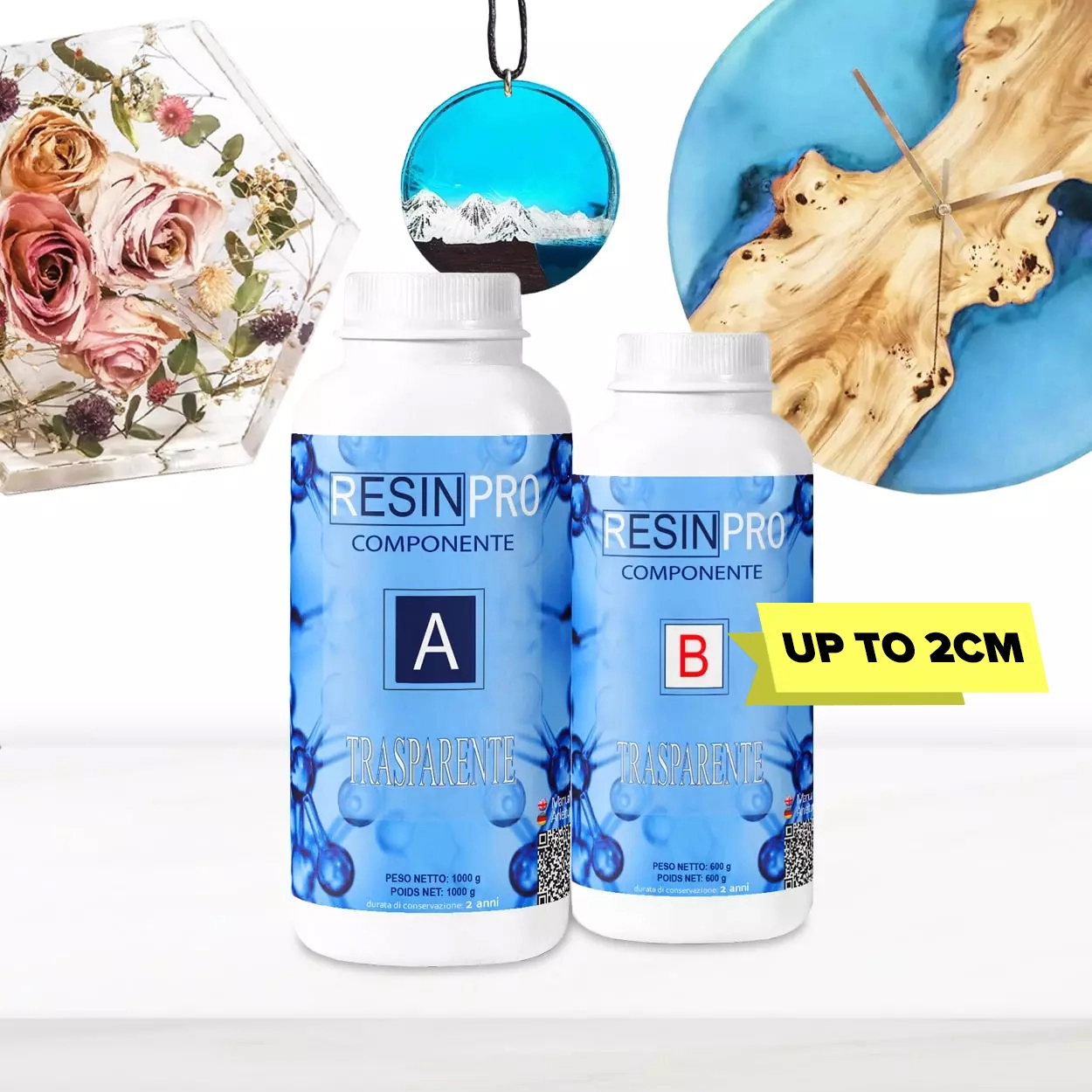
- "Trasparente" – Multipurpose Clear Epoxy Resin for Casting – Up to 2cmPrice range: £8.95 through £397.95"Trasparente" is an ultra-clear epoxy resin designed for detailed casting and DIY projects with a self-levelling finish up to 2cm thick.
- "Stone Effect Collection" – Marble Epoxy Resin Countertop KitPrice range: £57.95 through £272.95"Stone Effect Collection" offers a kit with professional marble and stone effects designed for kitchen and bathroom surfaces.
 Resin & Paint Application Rollers – Short-Pile, Large, and Sponge TypesPrice range: £3.62 through £5.09Rollers designed for precise and uniform epoxy resin application, suited for detailed and large surface use in resin projects.
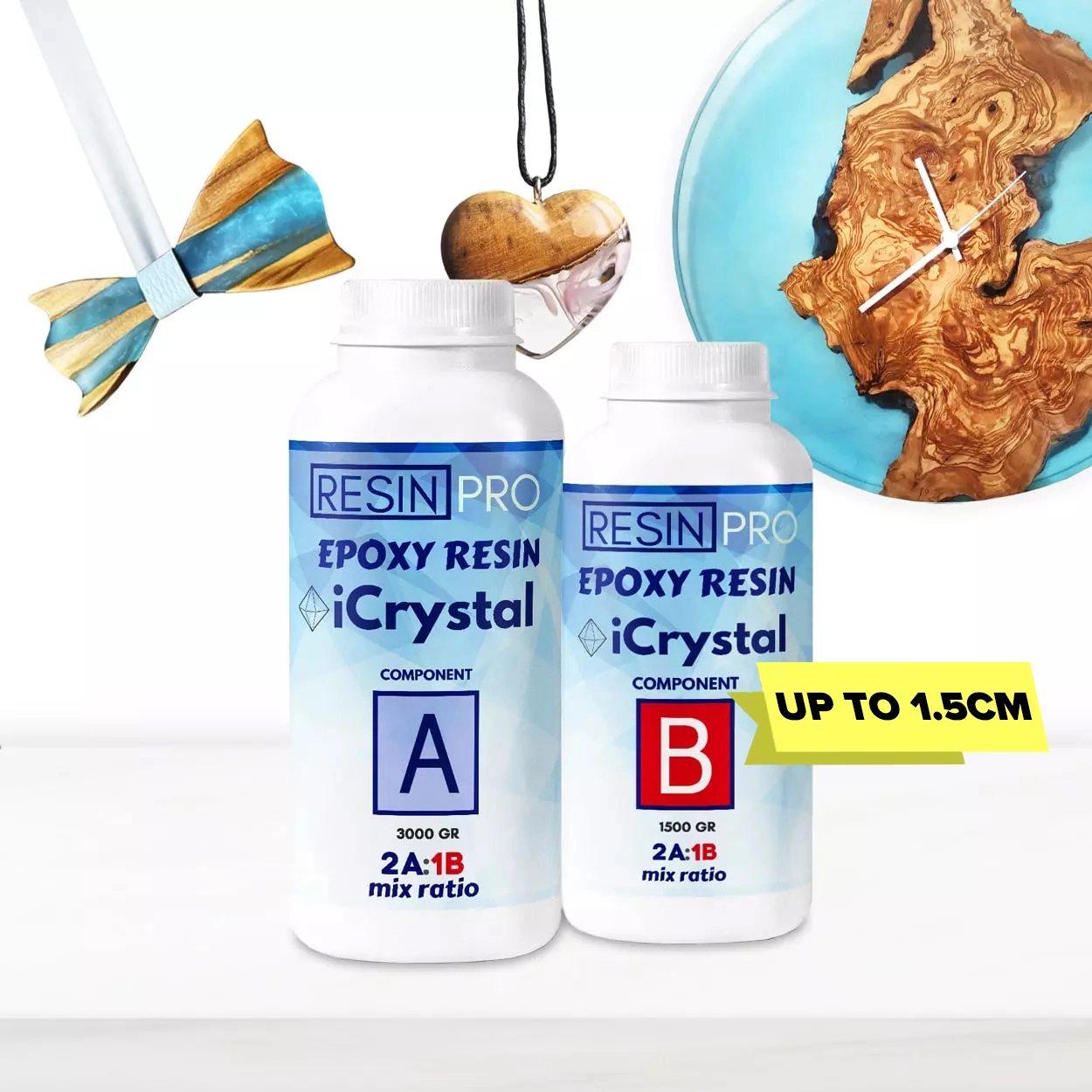 "Icrystal" – Clear Epoxy Resin – Odourless Formula – Up to 1.5cmPrice range: £12.45 through £341.45"Icrystal" clear epoxy resin offers good quality with features suited for tables and surfaces in bathrooms.
Frequently Asked Questions
Can resin be applied over bathroom tiles?
Yes, epoxy resin can be applied over tiles if the surface is cleaned, abraded, and completely dry before application.
Is resin waterproof for shower areas?
Epoxy resin creates a waterproof surface, making it suitable for walls, floors, and vanity tops exposed to moisture.
How long does bathroom resin take to cure?
Cure times vary, but most bathroom resin projects should be allowed to cure for at least 24 hours before touch and several days before full use.
How do I avoid bubbles when applying resin in the bathroom?
Mix slowly to reduce trapped air, pour in thin layers, and use a heat gun on low to pop surface bubbles.
Is epoxy resin safe for indoor bathroom use?
Many modern epoxy resins are odourless and VOC-free, designed for safe application indoors including bathrooms.
What surfaces can bathroom resin cover?
Epoxy resin can adhere to tiles, wood, stone, concrete, and sealed substrates after proper preparation.