 Free shipping on orders over £29,85
  Shipping Tracking!


 Google
 Facebook
← Back to How to cover interior stairs with resin?
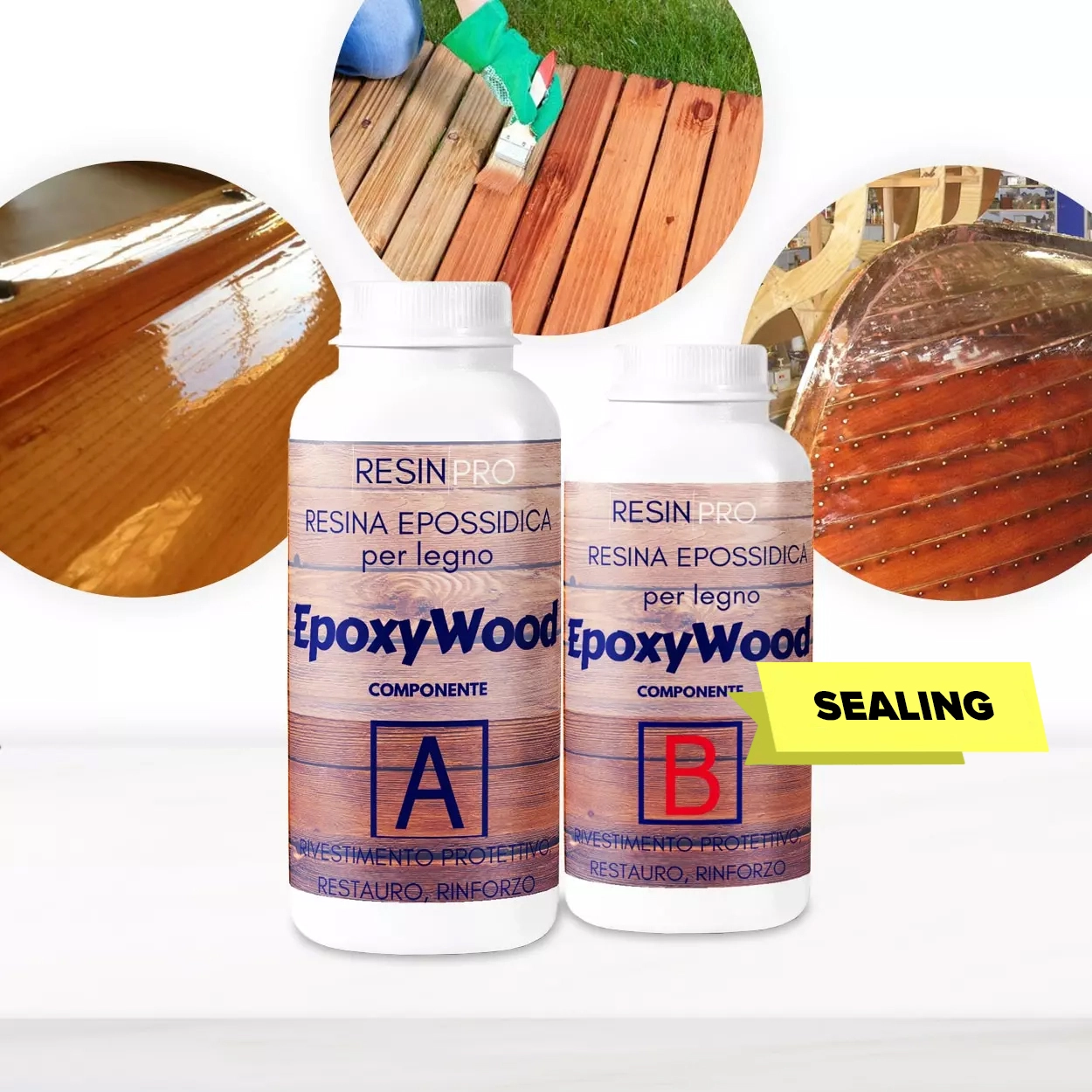
If you’re working with tired or ageing wood, using a resin with ultra-low viscosity is a smart way to breathe new life into the material. This approach ensures resin reaches deep into the wood’s pores, reinforcing its structure from within.
Why Ultra-Low Viscosity Matters
Resins with ultra-low viscosity have a much thinner consistency, allowing them to soak thoroughly into even the densest wood fibres. This deep penetration means the resin doesn’t simply sit on the wood’s surface—it works its way right into the core, stabilising and strengthening from the inside out. This is particularly valuable for items such as interior stairs, furniture, or boat hulls, where long-term durability matters.
Selecting and Applying the Right Resin
It’s important to choose a specialist product designed for deep penetration. EpoxyWood is one option specifically formulated for this task. To get the best results, ensure your wood is dry and sanded. Apply the resin generously, using a suitable short-pile or sponge roller for an even finish, and let it absorb fully. Once cured, the wood will be reinforced and sealed, helping to ward off moisture and everyday wear.
When This Matters Most
Ultra-low viscosity is particularly beneficial when restoring old stair treads or banisters, as well as garden furniture and wooden fixtures exposed to wear or the elements. Penetrative resin helps stabilise weakened spots and can extend the lifespan of your woodwork.
Related products
Related guides
By choosing an ultra-low viscosity resin, you provide deep-level protection and new vitality for wooden staircases or other interior projects. For more on transforming wood with resin, return to our main stair covering guide.