 Free shipping on orders over £29,85
  Shipping Tracking!


 Google
 Facebook
How to cover interior stairs with resin?
Transform wooden or concrete stairs into strong, sleek surfaces

Resin is an increasingly popular choice for transforming interior stairs, delivering a seamless, waterproof, and highly durable finish that’s both practical and visually striking. Whether you’re renovating timber treads or concrete steps, resin coverings protect against daily wear and make cleaning a breeze. This guide covers the essential steps to achieve a professional resin finish at home, with tips for both wood and concrete stairs.
What You’ll Need
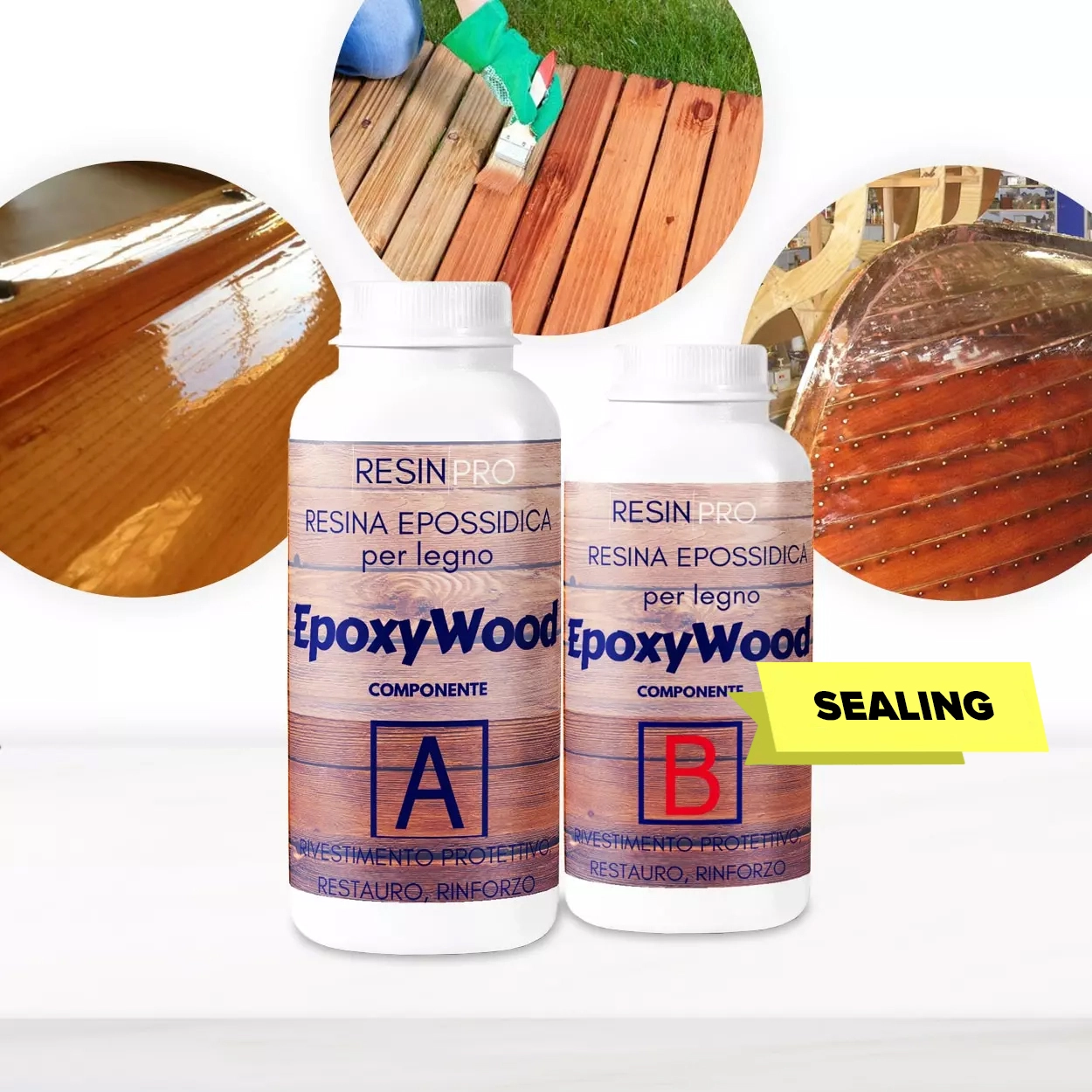
- “EpoxyWood” – Wood Restoration Epoxy Resin for Deep Penetration and Waterproofing: For reinforcing and waterproofing wooden stairs.
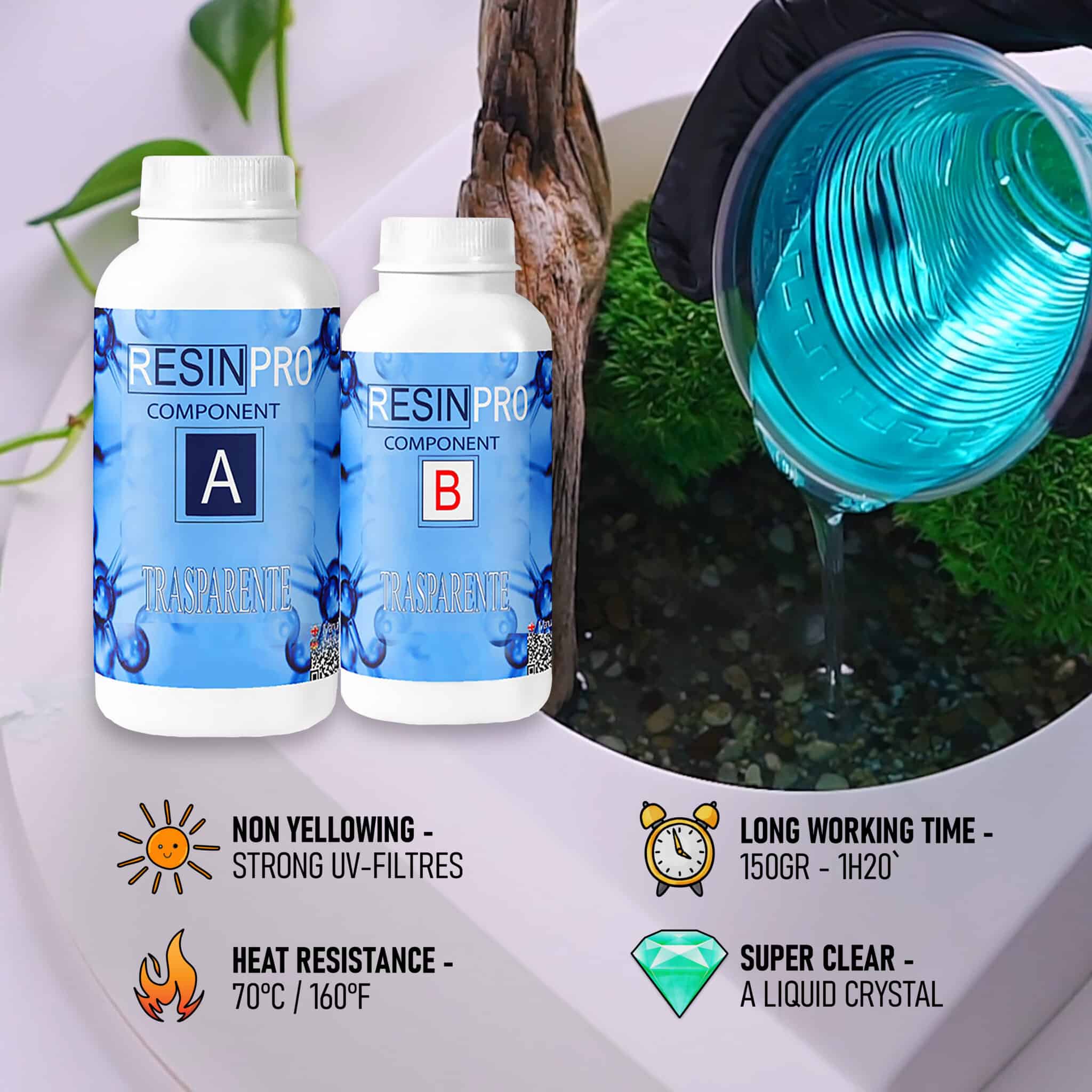
- “Trasparente” – Multipurpose Clear Epoxy Resin for Casting – Up to 2cm: For transparent, glossy top coats on stairs (wood or concrete).
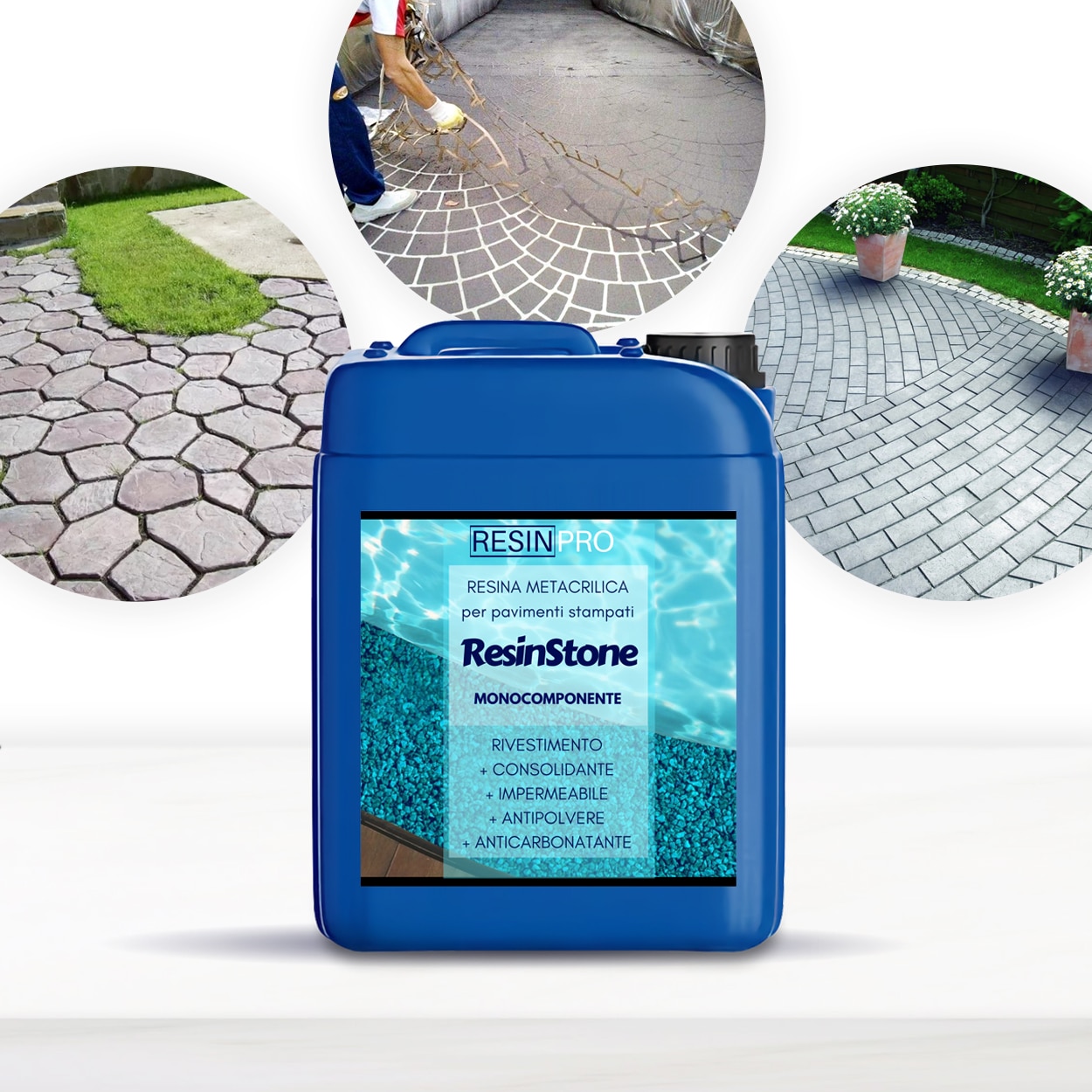
- “Resinstone” – One-Component Methacrylic Resin for Concrete Floors and Driveways: Suitable for sealing and protecting concrete stairs.
- Resin & Paint Application Rollers – Short-Pile, Large, and Sponge Types: For smooth, even application of resin on stair surfaces.
- Sandpaper or an electric sander
- Painter’s tape
- Protective gloves and mask
- Mixing containers and sticks
- Vacuum or soft brush
Choosing the Right Resin System for Your Stairs
Wooden stairs benefit from deep-penetrating resins like EpoxyWood to protect the timber and extend its lifespan. Concrete stairs are best treated with dedicated sealers such as Resinstone for optimal adhesion and moisture resistance. For a high-gloss final layer, use Trasparente Epoxy Resin for outstanding clarity and durability.

Step 1: Prepare the Stair Surface
Proper surface preparation is essential for a long-lasting resin finish. For wooden stairs, sand down the steps until smooth, removing any old finishes, paint, or imperfections. Concrete stairs should be clean and free from oil, dust, or cracks. Clear away dust and debris before beginning resin application. Address dents or gaps with appropriate fillers and allow to dry completely. The goal is a dry, level, and clean surface for maximum adhesion.
Use painter’s tape to mask off adjacent surfaces and protect walls. This prevents resin drips and ensures cleaner lines along stair edges and risers. Take your time with this stage—meticulous prep creates a superior result.
Step 2: Apply the Base Resin Coat
If you’re resurfacing timber, begin with an impregnation layer using “EpoxyWood” – Wood Restoration Epoxy Resin for Deep Penetration and Waterproofing. Its ultra-low viscosity for deep wood fibre penetration helps reinforce your staircase from within and locks out moisture, preventing swelling or decay. Apply the resin evenly using a suitable roller—short-pile or sponge varieties ensure both control and coverage. For concrete, use “Resinstone” – One-Component Methacrylic Resin, which quickly seals and protects concrete while allowing breathability.
Let the base layer penetrate and set according to product instructions (typically a few hours for methacrylic and up to overnight for epoxy on wood). If sanding is required between coats, do so gently to avoid damaging the layer.
Step 3: Pour or Roll on the Finish Layer
After the base has cured, it’s time for the main finish. Prepare your chosen resin, following the manufacturer’s mixing ratios for the best results. For a clear, glossy finish, “Trasparente” – Multipurpose Clear Epoxy Resin for Casting – Up to 2cm delivers exceptional clarity and high scratch and chemical resistance suitable for tables and floors—ideal for stair treads.
Pour or roll on the resin, using a short-pile or sponge roller to evenly distribute across each step and riser. Short-pile 10cm roller allows detailed control without excess resin, while large rollers speed up coverage on wide treads. Take care not to overwork the resin; this minimises bubbles and streaks.

Step 4: Allow to Cure and Apply Additional Coats If Needed
Once your finish coat is laid down, check product instructions for mixing and curing times. Most systems require at least 24 to 48 hours of undisturbed curing. Allow the resin to cure undisturbed according to product guidance; avoid foot traffic, pets, or dust during this period. For extra durability or if a thicker coat is desired, a second layer may be applied after a light sand, ensuring the first is fully cured as recommended by the resin manufacturer.
Once fully hardened, remove all masking tape and step back to admire your revitalised stairs. A well-applied resin system should deliver years of service with minimal maintenance.
Tips for a Professional Resin Stair Finish
Work in a well-ventilated area and wear protective equipment. Avoid thick pours that can cause overheating or bubbles—especially with two-part epoxy resins that cure exothermically. If the finish appears uneven, a very light sand between coats can restore smoothness before applying the next layer. Maintain a dust-free environment during curing for the best finish, and always follow each resin’s specific instructions regarding preparation, mixing times, and application temperature.
Routine cleaning with a soft, damp cloth helps preserve the resin’s shine. For high-traffic stairs, periodic inspection ensures any scuffs or dullness are addressed promptly with a touch-up coat.
Visual Inspiration: Resin Staircase Transformations
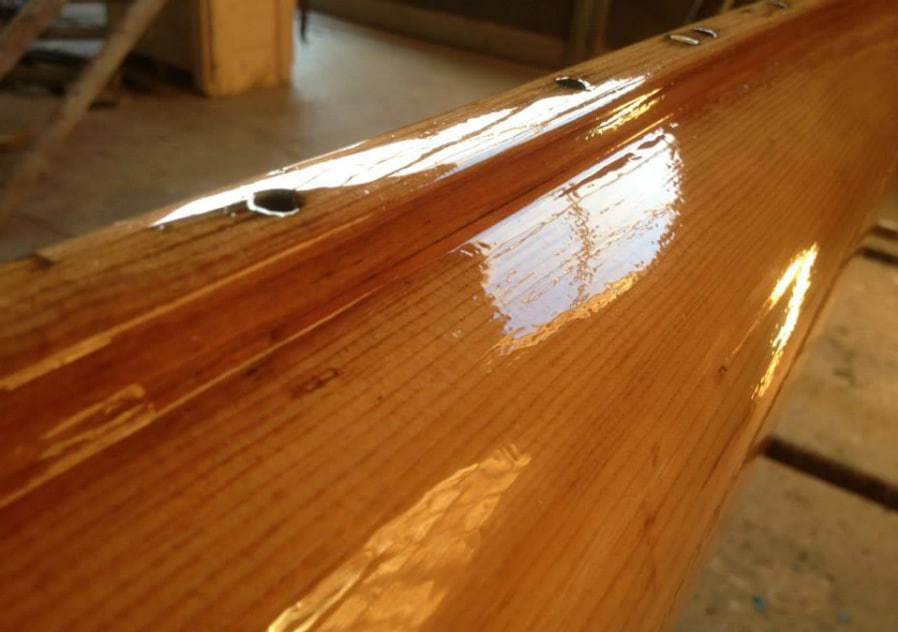
Explore real-world examples of resin stair renovations for a burst of creativity. From subtle, natural wood highlights to ultra-modern, high-gloss effects, resin opens up endless design opportunities for staircases. Whether sealing heritage wood or elevating simple concrete to stunning modern centrepieces, a quality resin finish can completely change the look and lifespan of your stairs.
- "EpoxyWood" – Wood Restoration Epoxy Resin for Deep Penetration and WaterproofingPrice range: £27.95 through £41.95"EpoxyWood" is designed for repairing and protecting wooden surfaces with deep penetration and a waterproof finish.
- "Trasparente" – Multipurpose Clear Epoxy Resin for Casting – Up to 2cmPrice range: £8.95 through £397.95Clear epoxy resin designed for detailed castings and small layers up to 2cm, suitable for woodworking, art, and restoration projects.
- "Resinstone" – One-Component Methacrylic Resin for Concrete Floors and DrivewaysPrice range: £36.71 through £336.48"Resinstone" is a one-component methacrylic resin designed for sealing concrete floors and driveways, supporting waterproof and durable protection.
 Resin & Paint Application Rollers – Short-Pile, Large, and Sponge TypesPrice range: £3.62 through £5.09Rollers designed for precise epoxy resin application offer options for detail, fast coverage, and self-leveling finishes.
Frequently Asked Questions
Can resin be applied over painted or varnished stairs?
No, all old paint or varnish must be fully removed before resin application to ensure proper adhesion and a lasting finish.
How long does resin take to cure on stairs?
Most resin systems require 24–48 hours to fully cure, though times may vary by product and environment. Always check the manufacturer’s recommendations.
Is resin slippery on stair surfaces?
Epoxy and methacrylic resins can be slippery when wet. Adding anti-slip additives or texturing the finish is advised for safety, especially in areas with foot traffic.
How do you maintain resin covered stairs?
Regular cleaning with a soft, damp cloth preserves shine and durability. Avoid harsh chemicals or abrasive scrubbing to prevent damaging the surface.
Can you do resin stair finishes yourself or should you hire a professional?
Skilled DIYers can achieve excellent results by following instructions closely. For complex or high-traffic installations, professional help offers additional assurance.
What type of resin should be used for wood vs concrete stairs?
Use penetrating epoxy resins for wood and dedicated methacrylic or epoxy sealers for concrete stairs for best results.