 Free shipping on orders over £29,85
  Shipping Tracking!


 Google
 Facebook
← Back to How to use resin body filler?
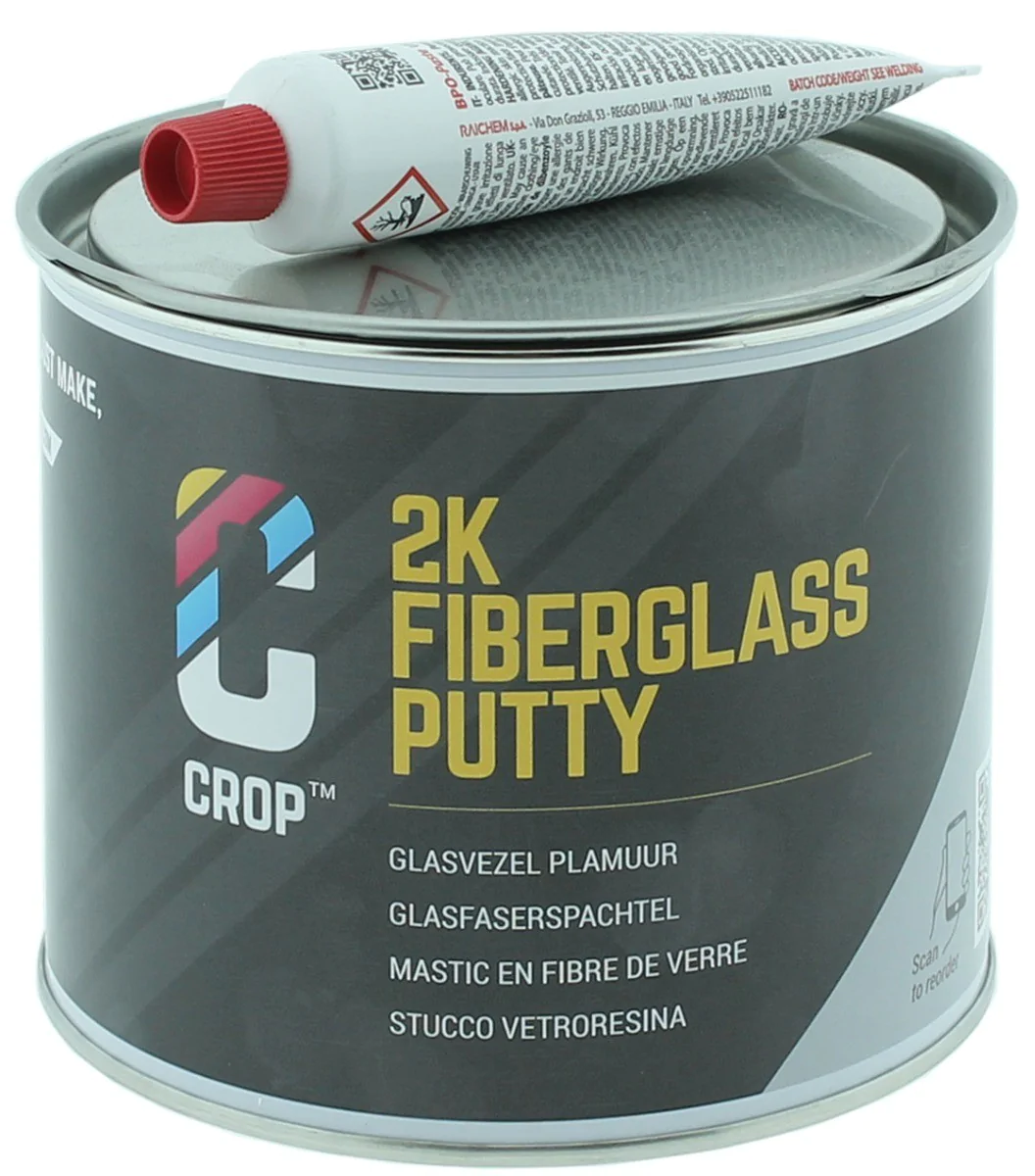
Choosing the correct surface for resin body filler is essential for a reliable, long-lasting repair. Let’s explore which materials provide the best results and how you can achieve the strongest bond for various projects.
Typical Surfaces for Resin Body Filler
Resin body fillers are extremely versatile and bond well to a range of rigid materials commonly found in automotive, marine, and household repairs. Suitable surfaces include metal, aluminium, galvanised steel, rigid plastics, carbon fibre, existing paint and varnish, fibreglass, wood, and even some ceramics such as porcelain. Their adaptability makes fillers like CROP 2K Fiberglass Putty popular for automotive and bodywork repairs.
- Metal and aluminium: Ideal for fixing car panels and industrial machinery.
- Rigid plastics and carbon fibre: Used in modern vehicles and high-performance applications.
- Fibreglass and painted surfaces: Perfect for boats, panels and areas needing strong, corrosion-resistant repairs.
Preparation for Best Bonding
Proper preparation is key to a long-lasting repair. Ensure all surfaces are clean, dry, and free from grease, dust, and loose paint. Sanding the area lightly helps resin fillers adhere by creating a suitable texture. Avoid using resin body filler on flexible or soft substrates, as these may cause the repair to crack or detach over time.
When This Matters Most
Choosing the correct surface matters most in structural or waterproof repairs, such as on cars, boats, or outdoor fixtures exposed to vibration and moisture. Using the right type of resin body filler, such as a fibreglass-reinforced variant, helps maintain repair strength and durability where you need it most.
Related products
Related guides
Matching your chosen resin body filler to the correct surface type is the first step towards a professional and durable finish. For more advice on application and preparing surfaces, visit our main guide: How to use resin body filler?