 Free shipping on orders over £29,85
  Shipping Tracking!


 Google
 Facebook
How to use resin body filler?
Step-by-step guide for filling cracks, dents and structural repairs
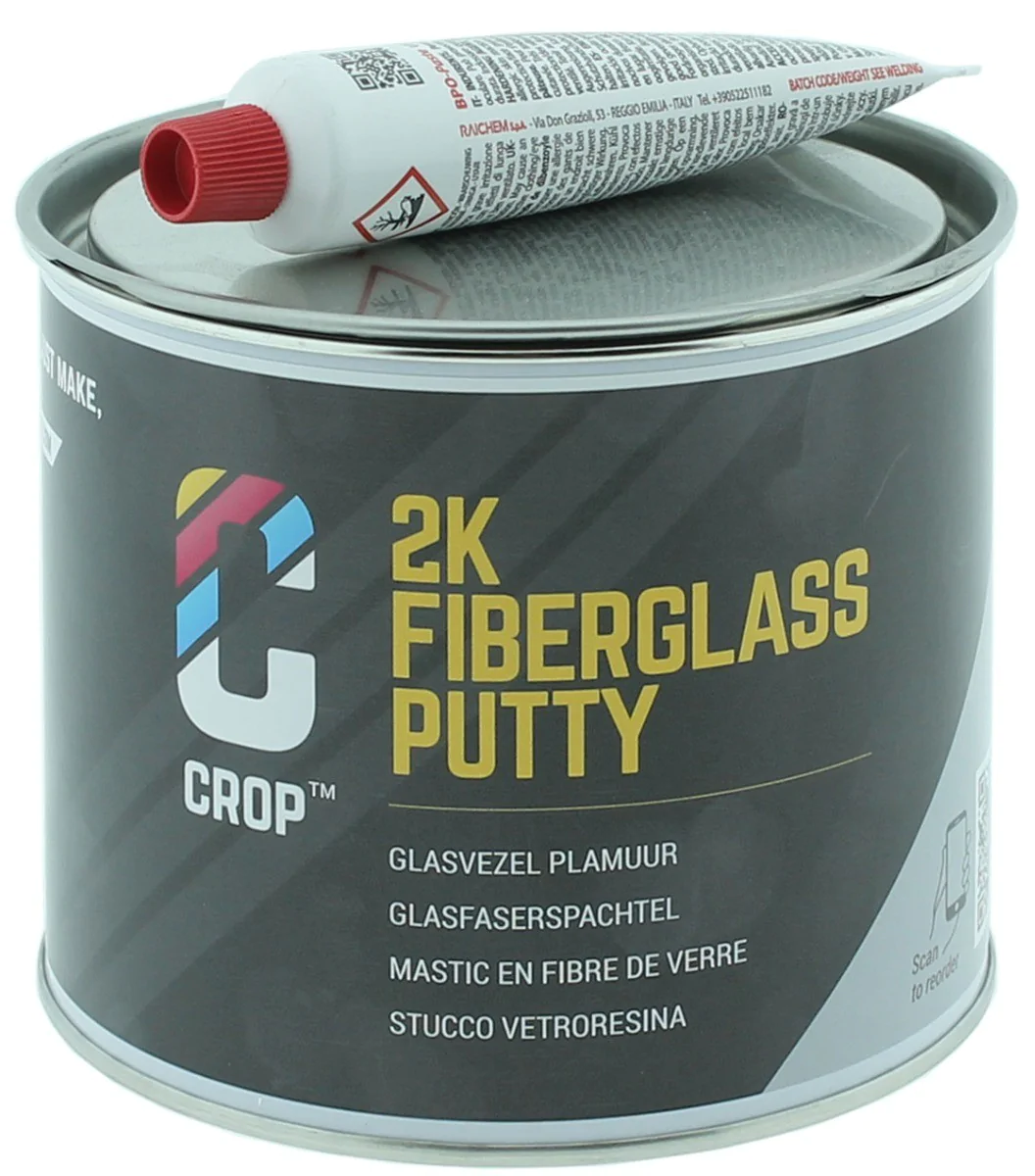
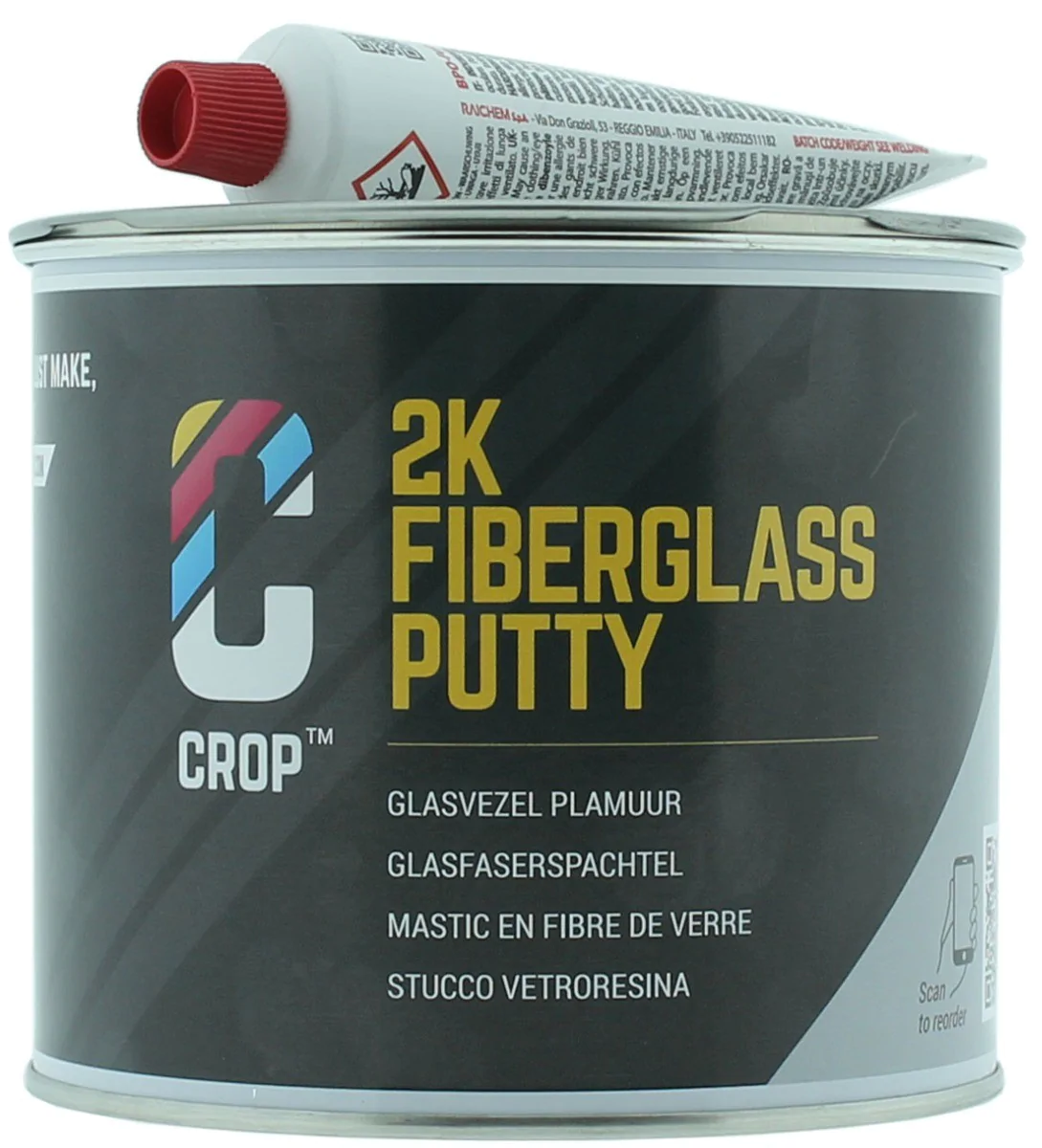
Whether you are tackling small automotive dents, fibreglass boat hull repairs, or home DIY projects, resin body filler provides a long-lasting solution for filling cracks and restoring surfaces. This guide explains each step, from preparation to final sanding, helping both beginners and experienced users achieve smooth, professional results using resin-based fillers. Safe and effective use ensures structural strength and a flawless finish, ready for painting or sealing.
What You’ll Need
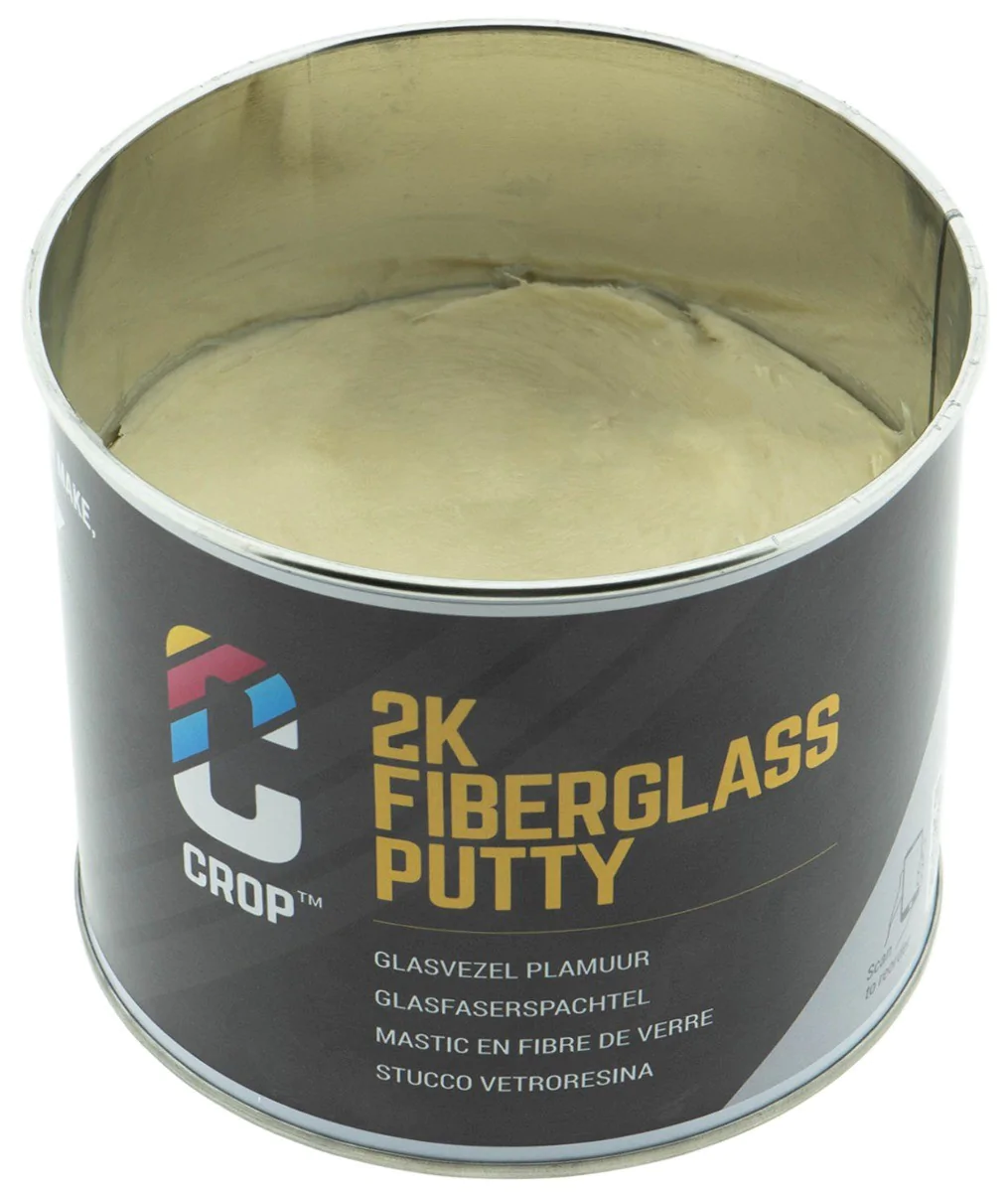
- CROP 2K Fiberglass Putty – 750 ml + Hardener – A fibreglass-reinforced filler for repairing cracks, dents, and deeper damage in bodywork.
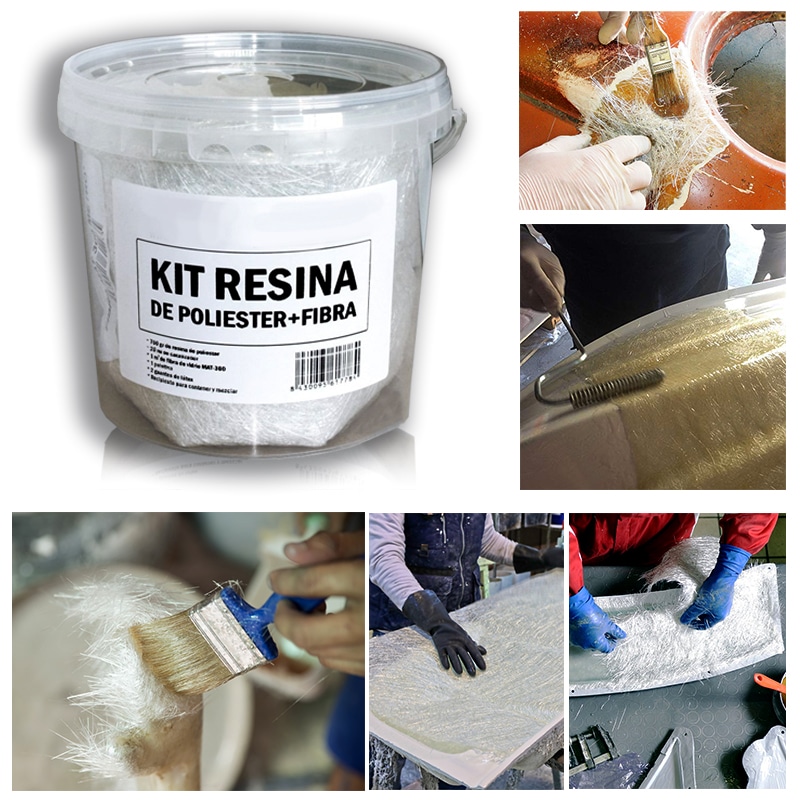
- Resin Fibreglass Repair Kit – Complete Polyester Resin and Hardener Set – For projects that require full structural reinforcement and waterproof sealing.
- “Carbon Resin” – Epoxy Resin for Carbon Fiber & Fiberglass Coating – For advanced composite work and high-impact repairs.
- Sanding paper (various grits)
- Mixing spatula or plastic spreader
- Protective gloves, mask, and safety glasses
- Clean rags and degreaser
Essential Tools for Perfect Filler Application
Choosing quality tools and protective gear helps ensure clean mixing and optimal application. Always use chemical-resistant gloves, a mask, and goggles when handling resin body fillers. A plastic spreader or spatula allows for smooth layering and accurate shaping, while good lighting and surface preparation cloths make spotting imperfections easier. Effective preparation is as important as the filler choice for a lasting, professional outcome.
Step 1: Prepare and Clean the Surface
Start by assessing the damaged area and removing any paint, rust, or loose debris with coarse sandpaper. Carefully degrease the surface using an appropriate cleaner and thoroughly dry with a lint-free cloth. Proper preparation is vital to ensure strong adhesion and to avoid future lifting or cracking of the repair. Pay close attention to sharp edges or deep cavities, as these require special filling technique. Ensure surfaces are clean and dry before application.
Use resin body filler in a well-ventilated area and protect adjacent surfaces if overspill is possible.
Step 2: Mix the Resin Body Filler
Read and follow the mixing instructions for your chosen filler. For example, CROP 2K Fiberglass Putty – 750 ml + Hardener requires careful combination of resin and hardener as prescribed. Use the supplied spatula or a clean, flat tool for mixing.
Blend only the amount needed for one application, as the mixture will begin curing quickly. Avoid mixing excessive hardener to prevent premature curing. Mix until no streaks remain, ensuring a uniform colour throughout.
Step 3: Apply the Filler in Thin Layers
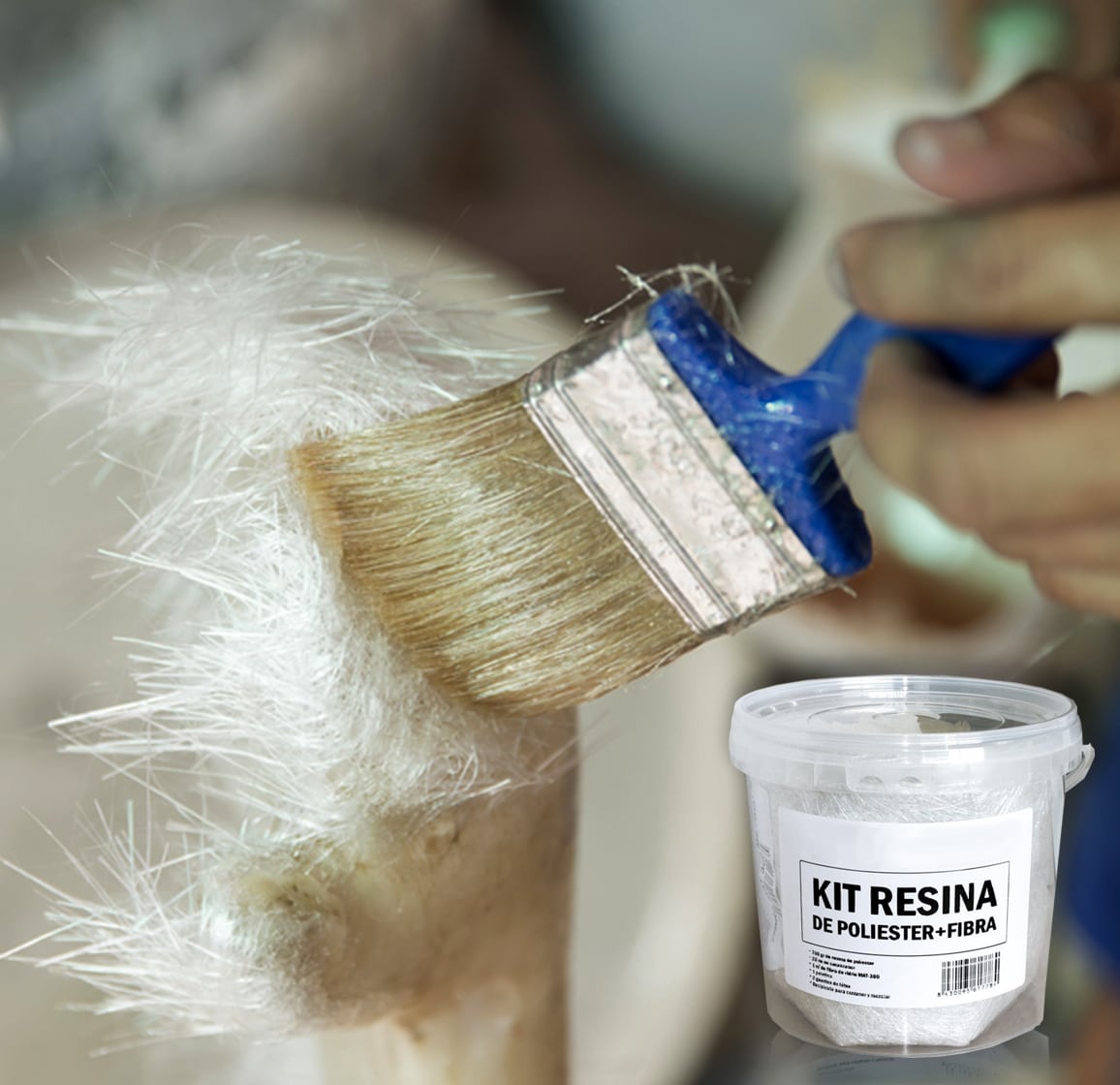
With the filler mixed, use a plastic spreader to apply it smoothly over the damaged area, pressing firmly to fill voids and push the resin into corners. Aim for thin, even applications—overfilling slightly is better than underfilling, as you will sand back later. Deep holes or wide areas may need multiple layers, allowing each to partially cure before applying the next. Apply filler in thin, even layers for best results.
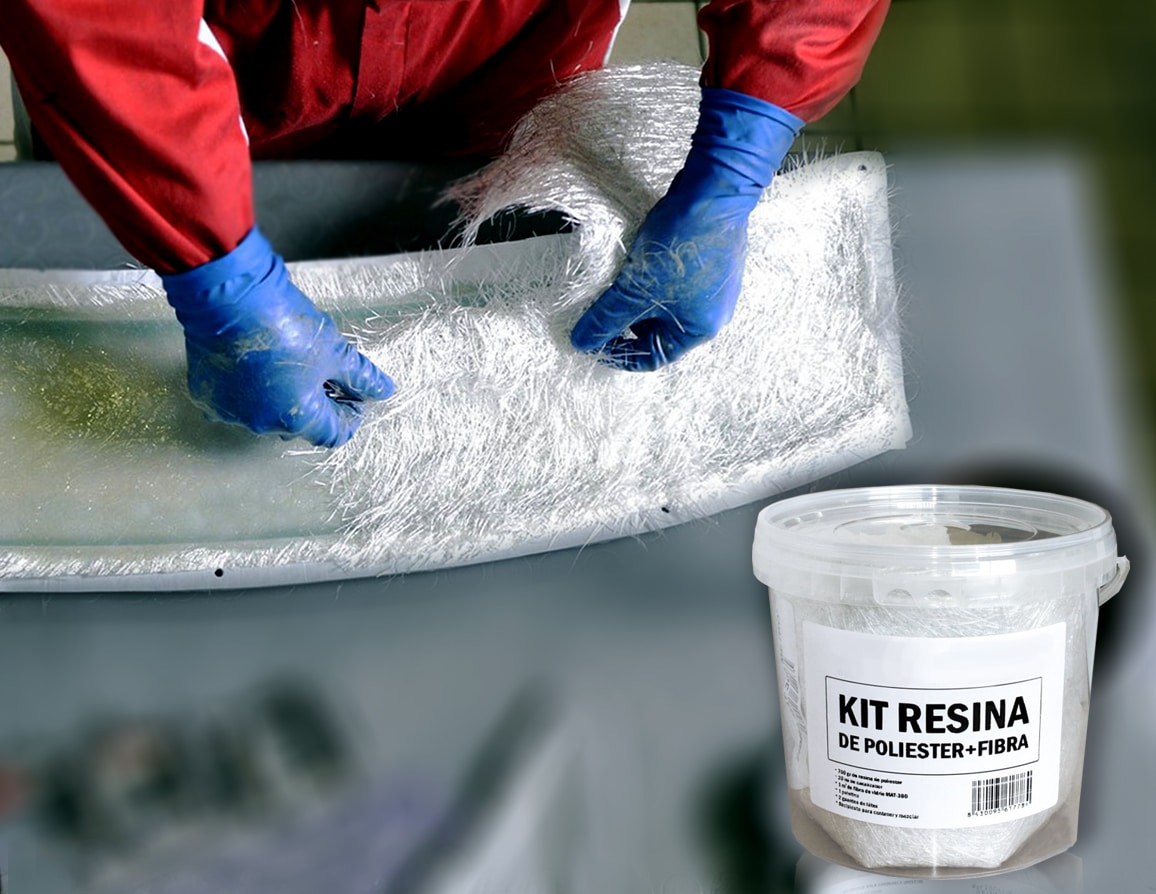
If you are using the Resin Fibreglass Repair Kit – Complete Polyester Resin and Hardener Set, apply resin-soaked mat as instructed, ensuring all air bubbles are pressed out for structural repairs.
Step 4: Allow to Cure Fully
Let the filler cure at room temperature, following the product’s recommended time. Do not disturb the area as premature sanding or shaping can compromise the repair. Temperature and humidity will affect curing; patience is key for the best results. Allow sufficient curing time before sanding.
If extra strength or a high-impact finish is required, consider a composite layer using “Carbon Resin” – Epoxy Resin for Carbon Fiber & Fiberglass Coating for superior fibre impregnation and a glossy, resilient outcome.
Step 5: Sand and Finish
Once fully cured, sand the repair with progressively finer sandpapers to create a smooth transition between the filled area and surrounding surface. Remove dust with a clean rag and check for low spots or imperfections — these can be refilled and sanded again if necessary. The repair is now ready for priming and painting or further surface treatment.
Tips and Common Mistakes to Avoid
- Use resin body filler in a well-ventilated area to reduce inhalation of fumes.
- Ensure surfaces are clean and dry before application to maximise adhesion.
- Follow mixing ratios precisely; inaccuracies can weaken the repair.
- Apply filler in thin, even layers for best results; thick sections may trap air and cause shrinkage or cracking.
- Allow sufficient curing time before sanding, as rushing this step can ruin the finish.
- Avoid mixing excessive hardener to prevent premature curing, which shortens working time and can lead to incomplete bonding.
Achieving Smooth Results in Resin Filling
Patience improves the finish and longevity of any resin-filled surface. Allow fillers to fully cure, work in manageable sections, and never rush sanding or painting. Using suitable sanding grits and checking levels frequently avoids unevenness and minimises rework. Remember: careful, methodical technique is the hallmark of a quality repair.

- CROP 2K Fiberglass Putty – 750 ml + Hardener£15.85CROP 2K Fiberglass Putty is a reinforced polyester product designed for bodywork repairs requiring strength and durability.
- Resin Fibreglass Repair Kit – Complete Polyester Resin and Hardener SetResin Fibreglass Repair Kit offers clear guidance for structural repairs using orthophthalic polyester resin and fibreglass mat, supporting the theme.
 "Carbon Resin" – Epoxy Resin for Carbon Fiber & Fiberglass CoatingPrice range: £19.95 through £37.95Epoxy resin designed for carbon fibre and fibreglass provides smooth impregnation and structural integrity with a glossy finish.
Frequently Asked Questions
Which surfaces are suitable for resin body filler?
Most rigid materials like metal, fibreglass, painted bodywork, and plastics can be repaired using resin body filler.
How long should resin body filler cure?
Allow the filler to cure fully at room temperature, following the manufacturer’s recommendations—often a few hours or overnight.
What's the best way to mix resin filler and hardener?
Mix the components on a clean, flat surface until totally uniform in colour with no streaks or lumps.
Can I sand resin body filler after curing?
Yes, once fully cured, resin fillers can be sanded smooth using fine to medium sandpaper for a perfect finish.
What are common mistakes to avoid when using resin body filler?
Incorrect mixing ratios, poor surface preparation, and insufficient curing time can all compromise the repair’s durability.
What’s the difference between resin body filler and fibreglass-reinforced filler?
Fibreglass-reinforced fillers offer increased strength and are better for deeper or high-stress repairs.