 Free shipping on orders over £29,85
  Shipping Tracking!


 Google
 Facebook
← Back to How to use ipossidrics resin?
If your resin is getting hot and setting much faster than expected, it is likely down to the way you are mixing and pouring it. Understanding and managing the exothermic reaction is key to safe and successful resin casting.
Understanding Resin Overheating
Epoxy resin generates heat as it cures, a process known as an exothermic reaction. If too much resin is poured at one time or the layer is too thick, excess heat can build up rapidly. This leads to resin not only curing too quickly but also potentially overheating, which may result in cracks, discolouration, or even smoke.
- Pours thicker than the manufacturer’s recommended depth often trigger this issue.
- Mixing very large batches increases the risk, as the combined volume traps more heat.
- Trying to speed up the cure with heat guns or warm environments can worsen the problem.
Safe Pouring: How to Avoid Overheating
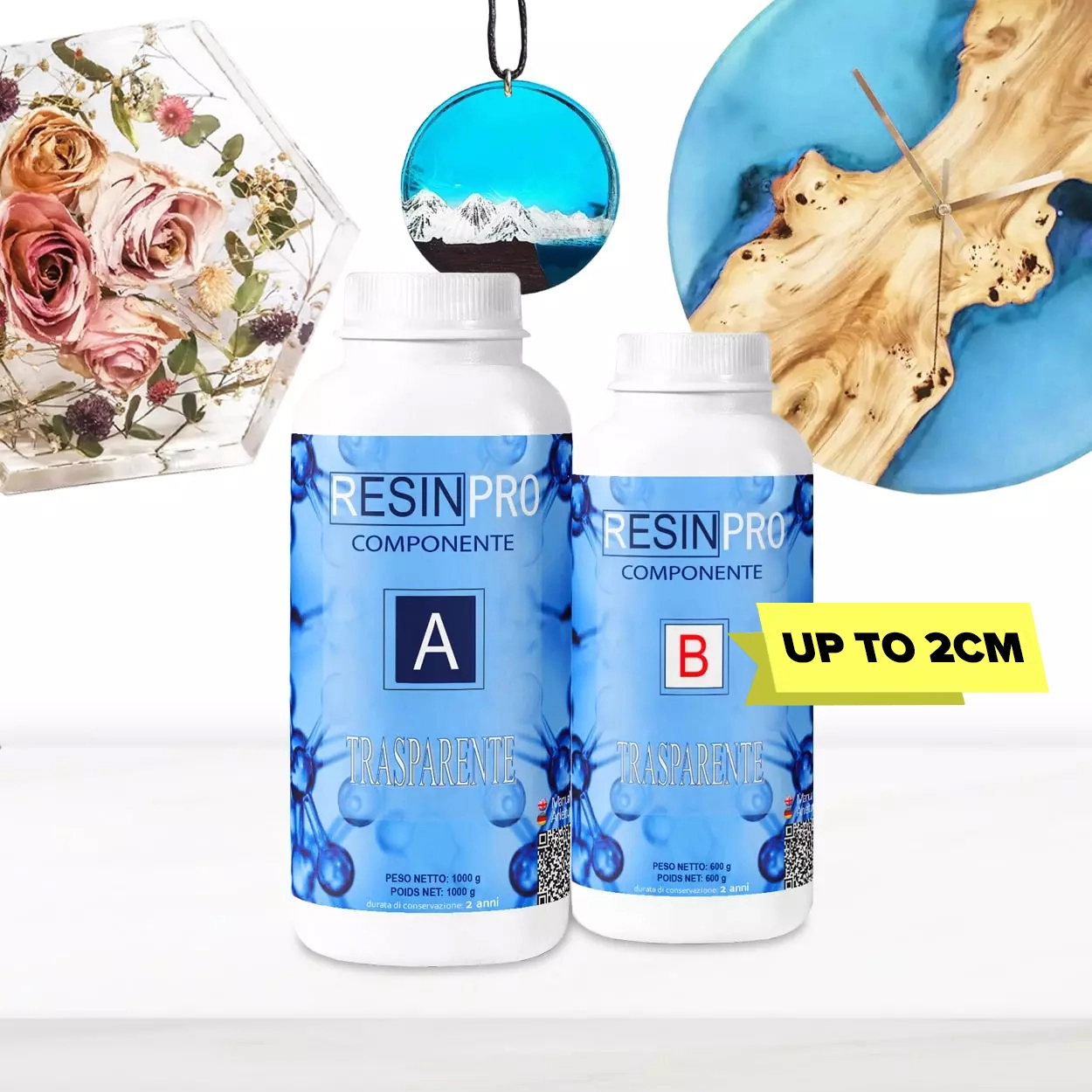
The most effective way to keep resin from overheating is to work in thin layers, allowing each one to fully cure before adding the next. For example, the “Trasparente” epoxy resin is specifically formulated for pours up to 2cm thick per layer, making it easier to control temperature during the curing process. Always check your resin’s guidelines and pour within the specified limits. For smaller, more delicate projects, resins like “Icrystal” perform well at up to 1.5cm depth per pour.
Practical Tips for Successful Casting
- Use multiple, thinner pours for a larger project rather than a single, deep pour.
- Mix only the amount of resin you need for each layer to minimise heat build-up.
- Avoid using external heat sources, especially for deeper casts.
- Consider your working environment—warmer rooms may accelerate curing and overheating.
When This Matters Most
Managing resin temperature is vital for clear casts, large pieces, and intricate work where surface finish is important. Overheating can quickly ruin a project, so caution is especially needed with deep pours or thick decorative layers.
Related products
Related guides
Understanding why resin overheats and learning to control your casting technique will help you achieve better, safer results. For more advice on getting the best from your materials, discover our full guide on how to use ipossidrics resin.