 Free shipping on orders over £29,85
  Shipping Tracking!


 Google
 Facebook
How do you use polyester resin?
Step-by-step guide for strong, lasting polyester resin repairs

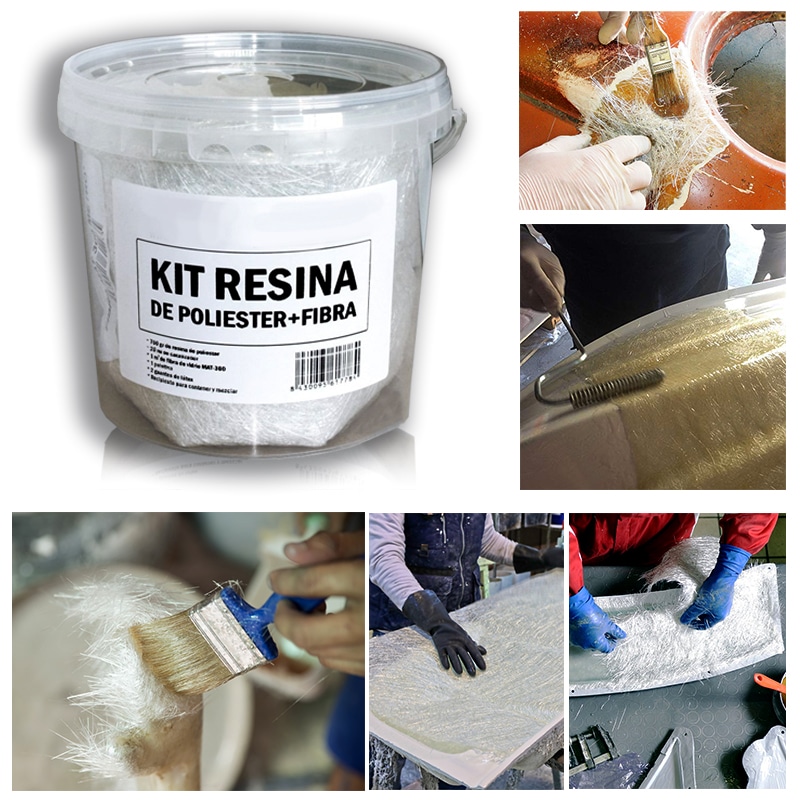
Polyester resin is a versatile and powerful repair material used for creating waterproof, durable bonds in a wide range of DIY, marine, automotive, and industrial projects. Whether you need to repair structural cracks, reinforce damaged fibreglass, or restore vehicle bodywork, understanding the resin’s application process is key to a successful and long-lasting outcome. This guide walks you through the essential steps for using polyester resin safely and effectively.
What You’ll Need
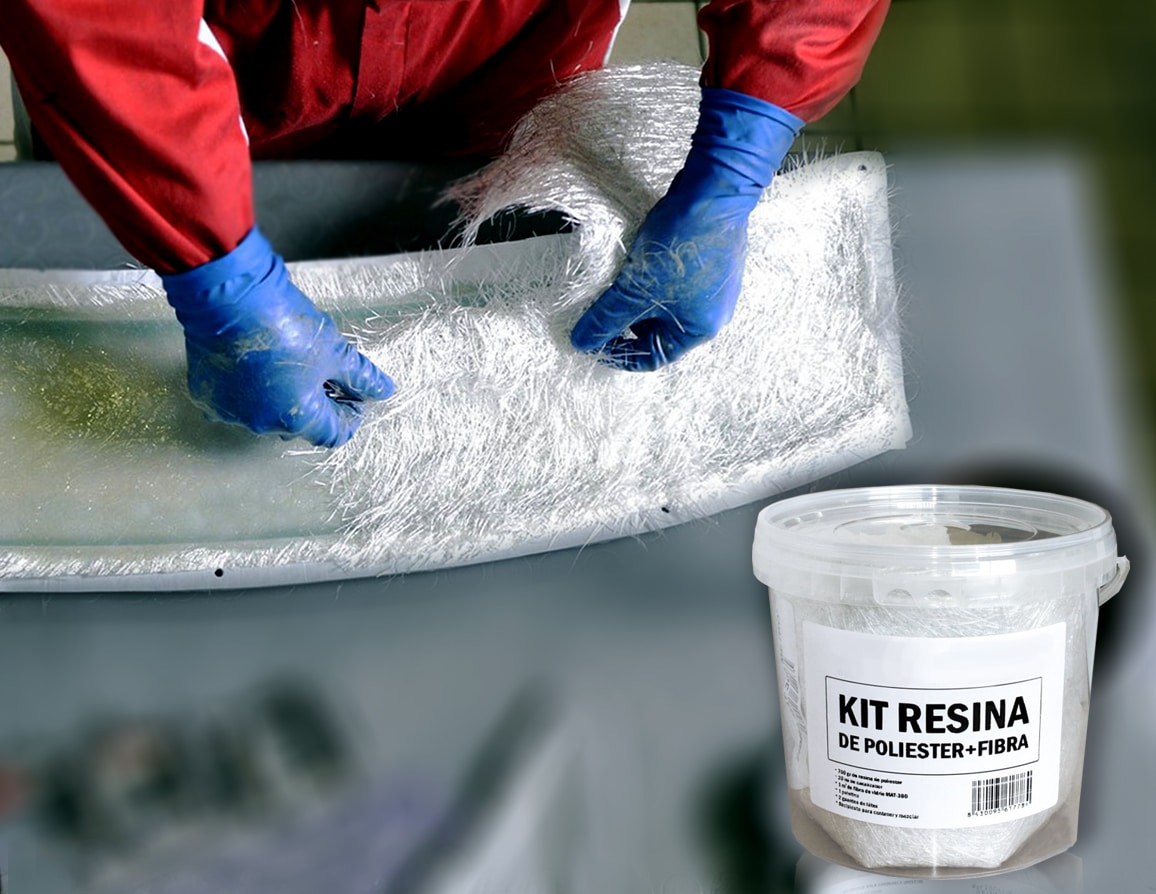
- Resin Fibreglass Repair Kit – Complete Polyester Resin and Hardener Set – Comprehensive kit with resin, hardener, fibreglass mat, gloves, brush and mixing container for structural reinforcement and waterproof repairs.
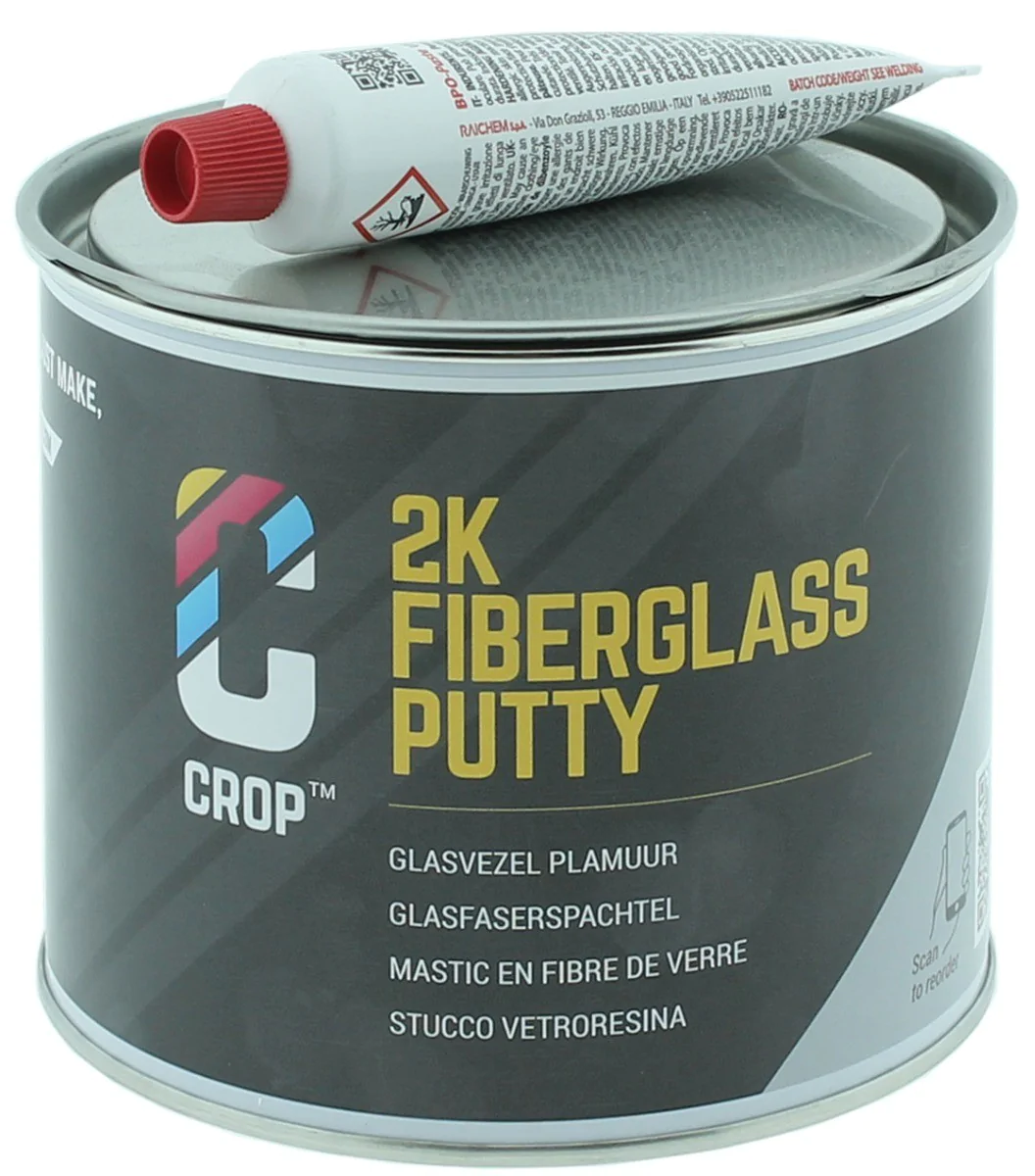
- CROP 2K Fiberglass Putty – 750 ml + Hardener – Two-component fibreglass-reinforced polyester putty, ideal for filling and restoring cracks or deep cavities in bodywork or rigid surfaces.
- Protective gloves, safety goggles, and mask
- Mixing container and stirrer
- Sanding paper (various grits)
- Clean cloths
- Acetone or cleaning solvent
- Application brush or spatula
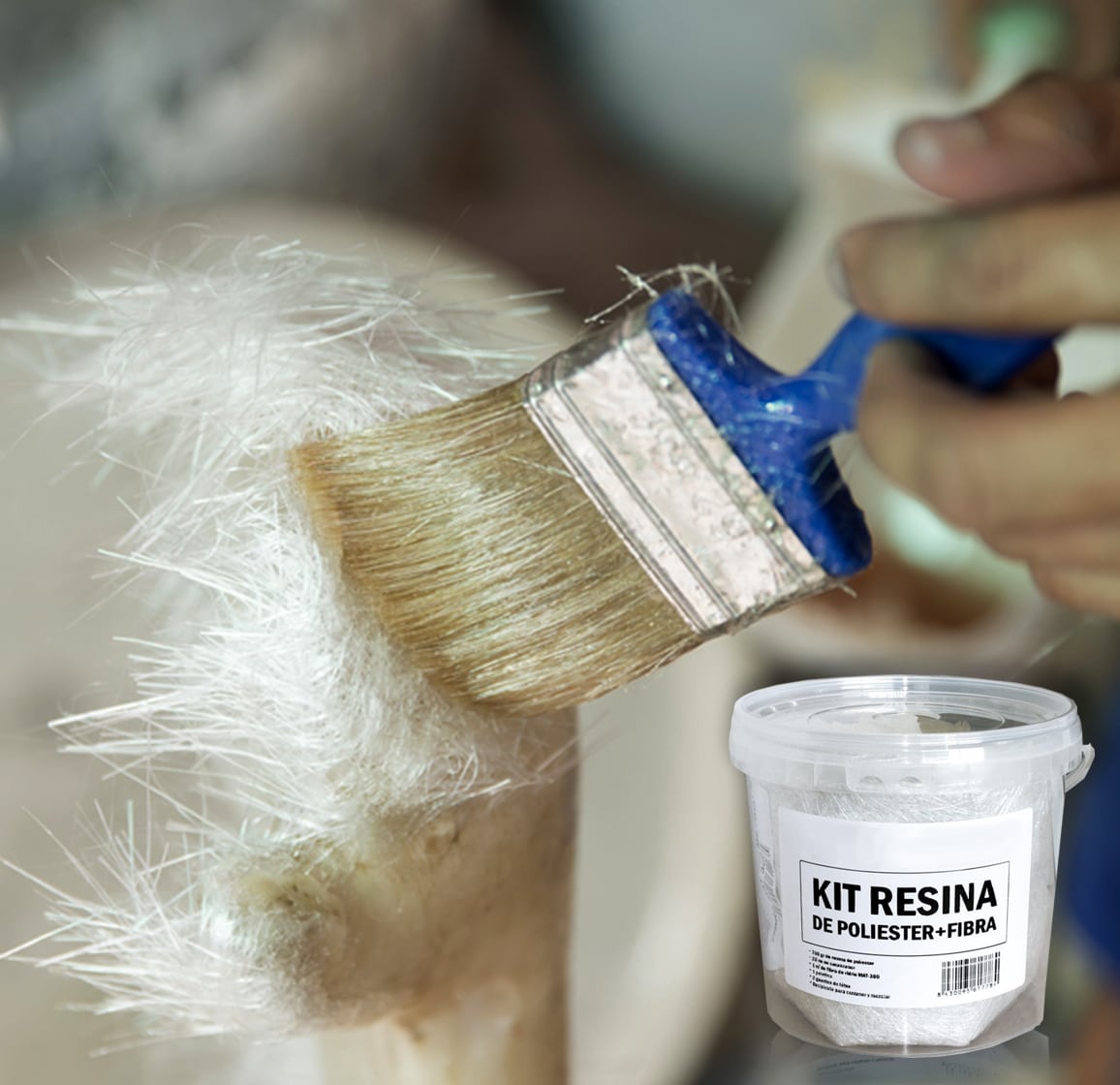
Essential Tools for Polyester Resin Projects
Using specialised kits and quality fibreglass putty can make your first experience with polyester resin far more straightforward. Protective gloves, accurate mixing tools, and proper brushes help ensure smooth application and reliable curing.
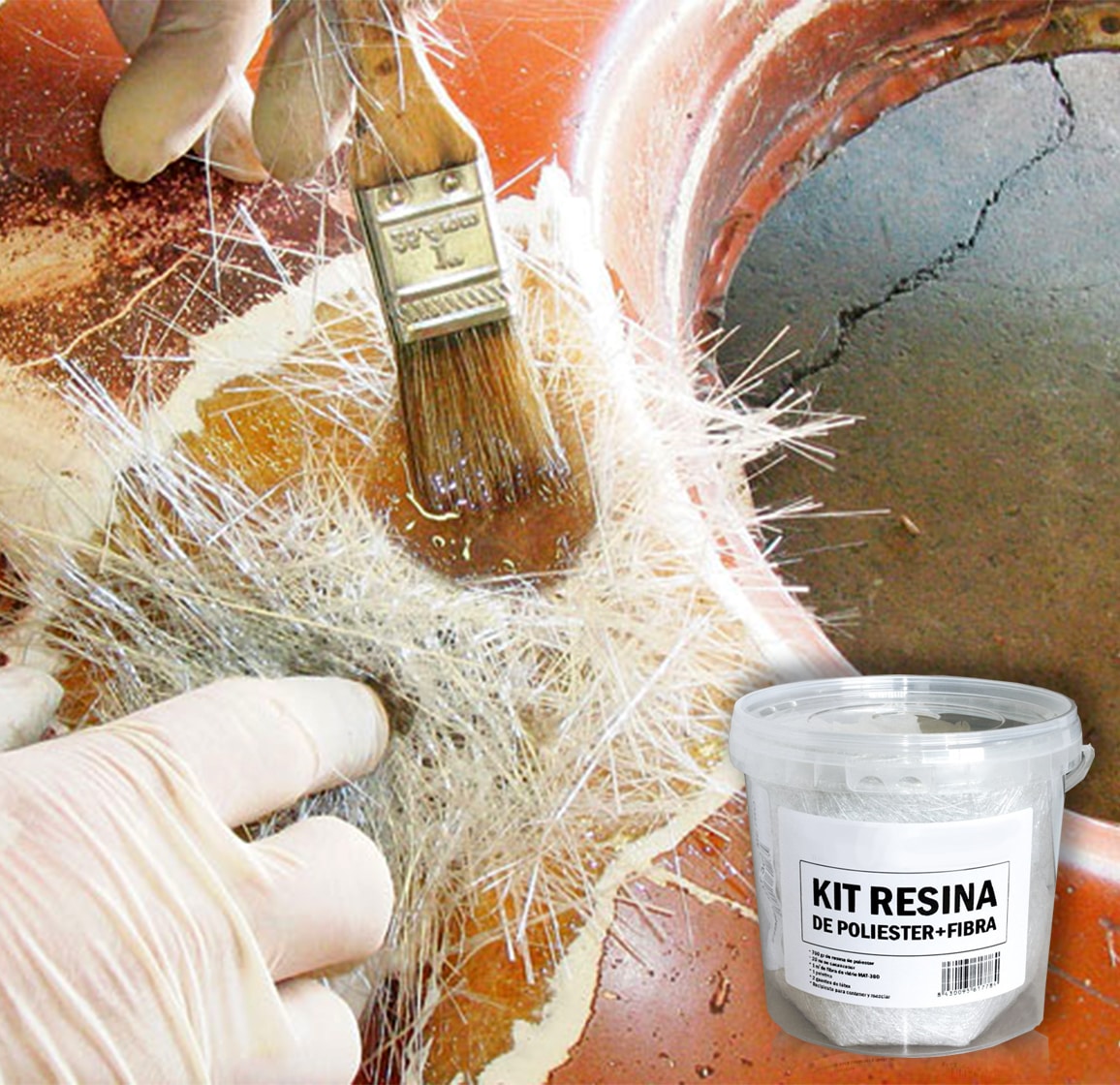
Step 1: Prepare the Surface Properly
Successful polyester resin repairs start with meticulous preparation. Remove any dirt, loose paint, oil, or rust from the area to ensure the strongest possible bond. Use coarse sandpaper to abrade the surface and create a slightly rough texture, promoting good adhesion. Wipe the prepared area with a clean cloth and acetone or another suitable solvent to remove residual dust and grease.
Clean and dry the area fully before applying resin. Any contamination or moisture can lead to poor curing or adhesion failure.
Step 2: Mix the Polyester Resin and Hardener
Always follow the manufacturer’s instructions for the correct mixing ratios. Begin by placing the required amount of polyester resin into a clean mixing container. Add the hardener (catalyst) at the percentage recommended by the kit—usually around 2–3% by weight. Thoroughly mix using a wooden spatula or mixing stick for a consistent blend. Make sure to scrape the sides and base of the container so there are no unmixed patches.
Do not mix more resin than you can apply within the working time. Polyester resin cures quickly once the hardener is added, so plan accordingly and work efficiently.
Step 3: Apply the Resin or Putty to the Area
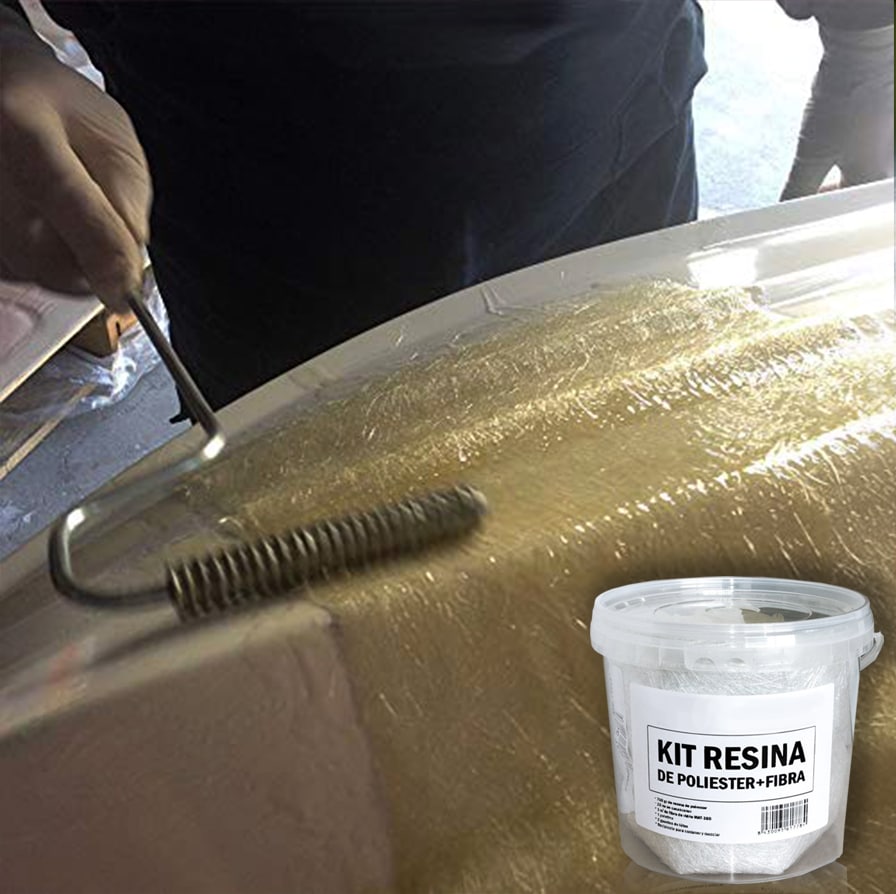
With your mixture ready, apply the resin or putty evenly. For surface reinforcement and waterproofing, use a kit such as the Resin Fibreglass Repair Kit – Complete Polyester Resin and Hardener Set in conjunction with the provided fibreglass mat. Layer the mat over the damaged area, then saturate it with resin using a brush, ensuring a complete wet-out and eliminating air bubbles as you work.
For filling dents or cracks, scoop the CROP 2K Fiberglass Putty – 750 ml + Hardener onto the area with a spatula and press firmly for deep adhesion. Build up in thin layers for very deep spots, allowing each to set before adding more.
Step 4: Allow Proper Curing Time
Polyester resin needs adequate time to cure and reach full strength. Avoid disturbing or loading the repair while it is still tacky. Curing usually takes from 30 minutes up to several hours, depending on ambient temperature, humidity, and resin formulation. Refer to your product instructions for precise timing.
Once cured, touch the surface to confirm it is solid and fully hardened before proceeding with sanding or finishing.
Step 5: Finish, Sand, and Prime
After full curing, sand the repaired or filled area with medium, then fine-grit sandpaper to achieve a smooth, flush finish with the surrounding surface. For repairs needing painting, wipe away any dust and apply a suitable primer before painting or coating.
Avoid trapping air bubbles between layers. Building up in careful, thin applications ensures the most uniform and durable result.
Tips and Common Mistakes When Using Polyester Resin
Always work in a well-ventilated space and wear protective gear. Polyester resins emit fumes; gloves, goggles, and masks are essential for your safety. Accurately measure resin and hardener—too much or too little hardener can cause curing issues. Work methodically to prevent air pockets or uneven coverage. Clean tools with acetone before the resin sets to avoid costly replacements.
Dispose of resin waste safely according to local regulations. Never pour leftover resin or solvent down the drain or into the environment.
Achieving Seamless Results with Resin Repairs
Take your time with sanding and finishing—multiple thin layers and careful smoothing yield the most invisible, long-lasting repairs. For surface-level fixes, always test your technique on a small area first.
- Resin Fibreglass Repair Kit – Complete Polyester Resin and Hardener SetA polyester resin kit designed for waterproof repairs including boats and pressure pipes, with fibreglass reinforcement and suitable for various…
- CROP 2K Fiberglass Putty – 750 ml + Hardener£15.85CROP 2K Fiberglass Putty is designed for bodywork repairs and filling cracks using a fibreglass-reinforced polyester putty.
Frequently Asked Questions
How should I prepare surfaces before using polyester resin?
Ensure the area is clean, dry, and free from dust, oil, or loose materials. Sanding creates texture for optimal resin bonding.
What is the correct resin-to-hardener ratio?
Follow your product instructions closely. Most polyester resin systems use 2–3% hardener by resin weight for the best results.
How long does polyester resin take to cure?
Curing usually takes 30 minutes to a few hours, depending on the amount, temperature, and humidity of your working environment.
Can you repair cars with polyester resin?
Yes, polyester resin and fibreglass putty are widely used to fill dents, cracks, and holes in car bodywork and panels.
Can polyester resin repairs be painted?
Once cured and sanded, these repairs can be primed and finished with standard paints suitable for the underlying material.
Is cured polyester resin waterproof?
Yes, properly cured polyester resin creates a strong, waterproof barrier, making it ideal for marine and outdoor repairs.