 Free shipping on orders over £29,85
  Shipping Tracking!


 Google
 Facebook
← Back to How do you resin wood to stabilize it?
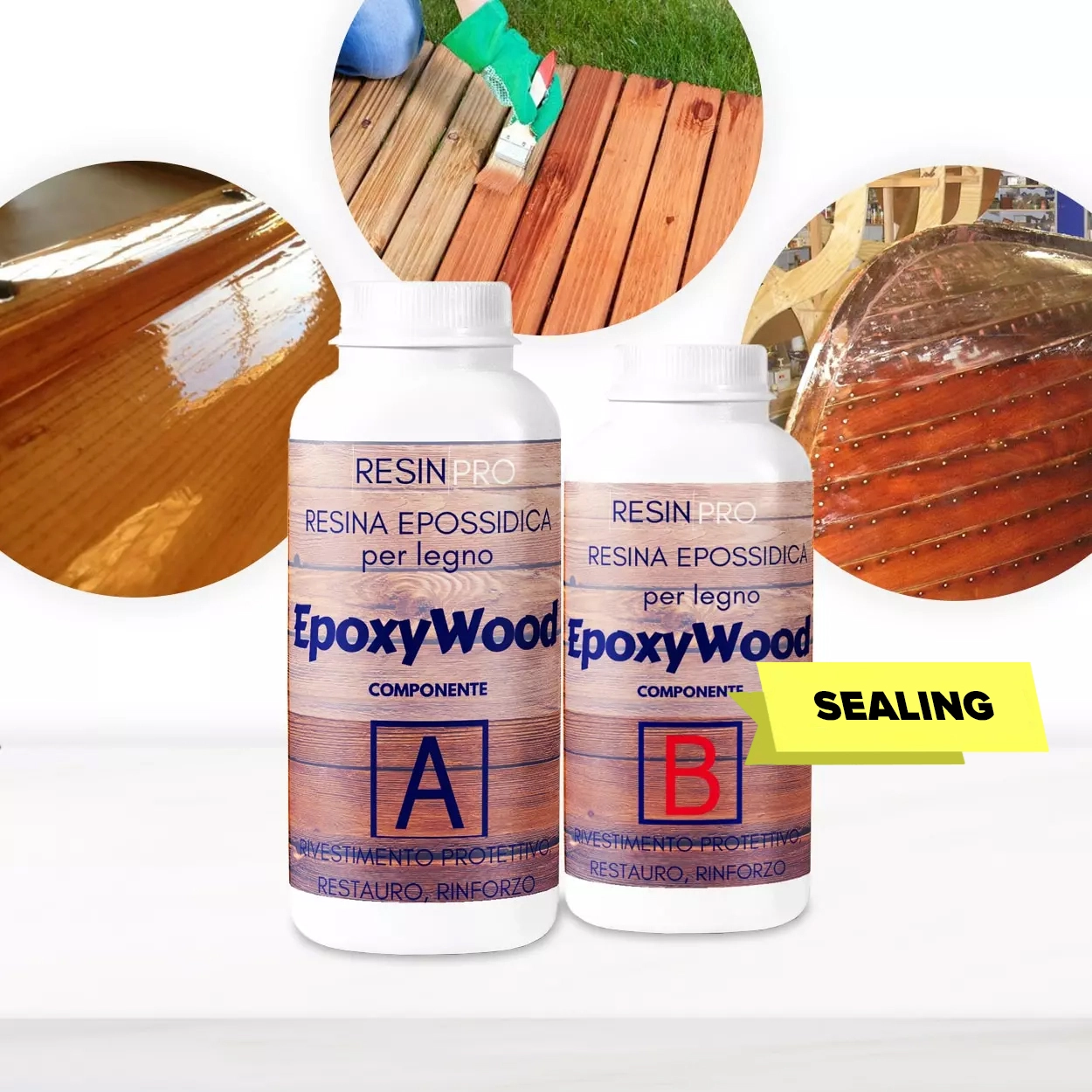
If you are dealing with wood surfaces that have softened, weakened, or show early signs of decay, you may be wondering whether products like EpoxyWood can offer a lasting solution. Here’s what you need to know about reinforcing and restoring such wood using epoxy resin.
How EpoxyWood Works on Soft or Rotted Wood
EpoxyWood is engineered to deeply penetrate porous, damaged, or partially rotten timber. Its ultra-low viscosity allows it to seep into small cracks and voids, bonding loose fibres and increasing the structural stability of the wood. Once cured, it not only reinforces the affected area but also forms a barrier to help shield the wood from future moisture exposure.
Preparation and Application Tips
For the best results, begin by thoroughly drying the wood—moisture can impede the resin’s absorption. Carefully remove any loose fragments or severely degraded sections before sanding the surrounding area. Once prepped, EpoxyWood – Wood Restoration Epoxy Resin for Deep Penetration and Waterproofing should be applied generously, ensuring it seeps well into the grain and weakened zones. Allow the resin to cure fully before undertaking any finishing work like sanding or painting.
When to Choose EpoxyWood for Restoration
EpoxyWood is most effective for restoring exterior woodwork, furniture, or boat hulls where preserving as much of the original timber as possible is the goal. It can provide a practical alternative to full replacement, especially for items with sentimental or historical value. However, it is best used when the wood is dry and not extensively decomposed throughout its core.
Related products
Related guides
Using EpoxyWood can breathe new life into weakened or partially rotted wood, reinforcing and protecting it for years to come. For more in-depth advice on stabilising wood with resin, explore our main guide on how to resin wood to stabilise it.