 Free shipping on orders over £29,85
  Shipping Tracking!


 Google
 Facebook
← Back to How do you resin wood to stabilize it?
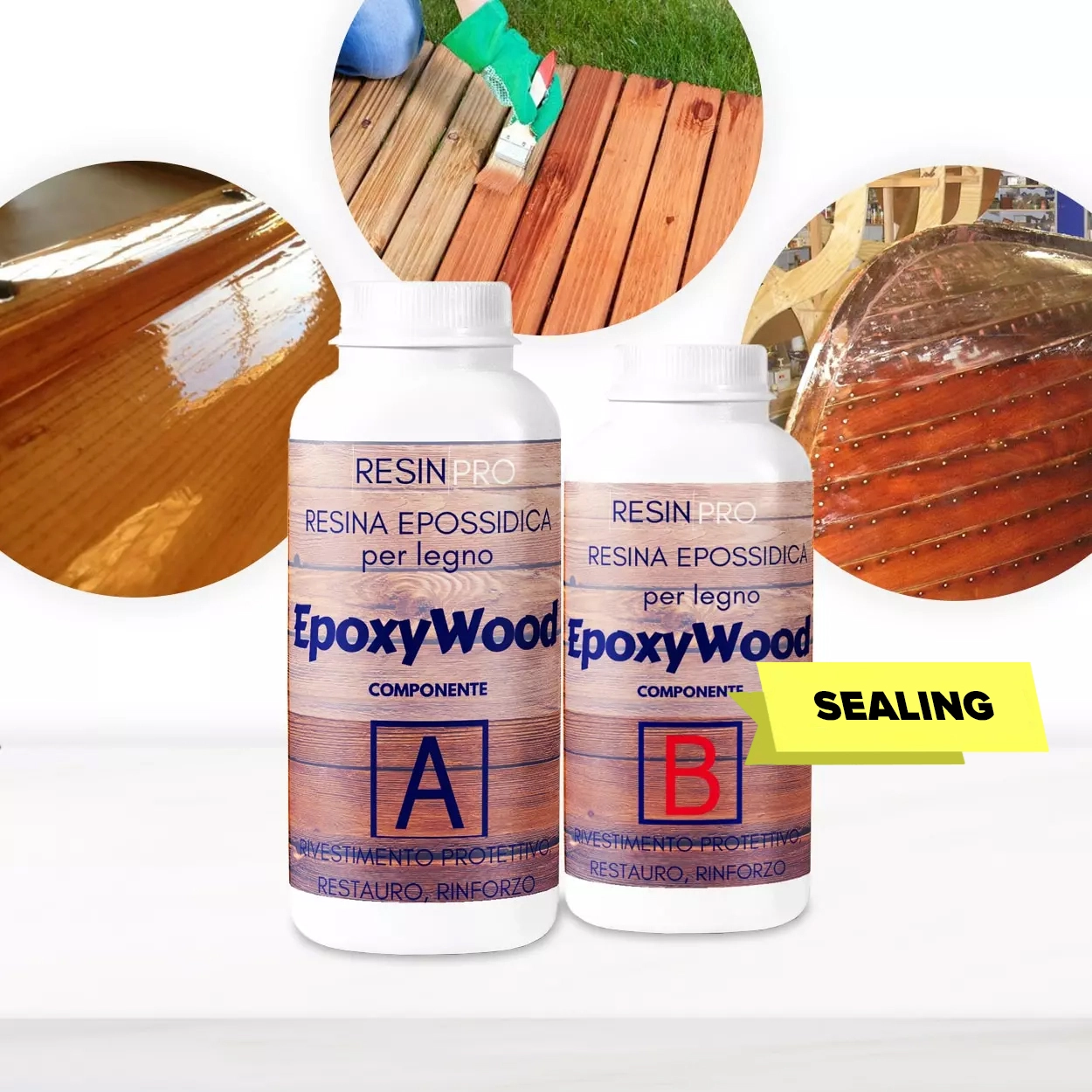
Getting a flawless resin finish on wood depends on both the wood itself and your application method. Whether you’re sealing, restoring, or highlighting the natural grain, understanding how many coats you need is key to achieving both beauty and durability.
How Many Coats Are Usually Needed?
The number of coats you’ll need varies based on your wood’s condition. For most projects using sound, less-porous wood, a single generous layer may provide a smooth, durable finish. However, highly absorbent or weathered pieces often require at least two coats. Apply each new coat only after the previous layer is tack-free, which helps ensure proper adhesion and clarity.
- One coat: Suitable for hardwoods or sanded, non-absorbent wood on surfaces like tables or decorative panels.
- Multiple coats: Recommended for damaged, open-grained, or exterior wood, as well as high-traffic surfaces like worktops and floors.
Application Tips for Layering Resin
Before starting, make sure the wood is fully dry and free from dust or oils. To avoid cloudy areas or bubbles between layers, let each coat become tack-free but not fully cured. Lightly sanding between coats can help with adhesion, particularly for restoration jobs. For deep restoration or outdoor wood, such as with EpoxyWood, deep penetration is key—extra coats may be required until the resin no longer soaks in rapidly.
When Multiple Coats Matter
Applying multiple coats is especially important when stabilising old, porous, or weather-exposed wood. These surfaces can soak up resin quickly, leading to an uneven finish if only a single layer is used. Extra coats reinforce both waterproofing and structural integrity.
Related products
Related guides
Choosing the right number of resin coats secures and enhances your wood projects. For comprehensive guidance on resin and wood stabilisation, see our main advice hub: How do you resin wood to stabilise it?.