 Free shipping on orders over £29,85
  Shipping Tracking!


 Google
 Facebook
How do you resin wood to stabilize it?
Step-by-step guide for stabilising and waterproofing wood surfaces

Stabilising wood with resin is an excellent technique to reinforce weakened timber and protect it against moisture, rot, and everyday wear. Whether you’re restoring antique furniture, repairing structural elements, or creating art pieces, this process ensures your wood remains durable and visually appealing for years to come.
What You’ll Need
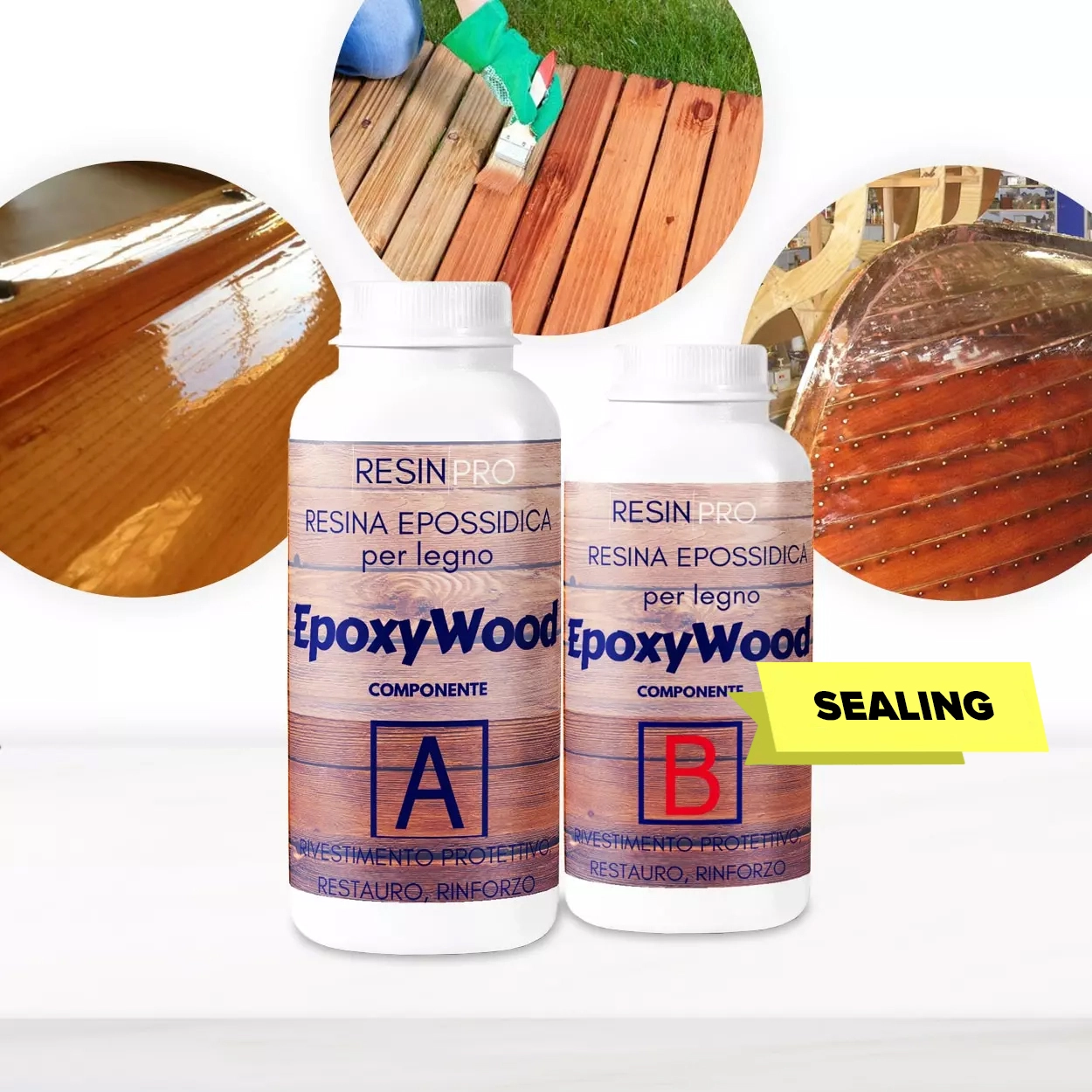
- “EpoxyWood” – Wood Restoration Epoxy Resin for Deep Penetration and Waterproofing: An epoxy resin formulated for deep penetration to reinforce and waterproof wooden surfaces.
- “Trasparente” – Multipurpose Clear Epoxy Resin for Casting – Up to 2cm: Suitable for wood projects requiring up to 2cm casting layers with a self-levelling glossy finish.
- Protective gloves and goggles
- Mixing containers and stirring sticks
- Sandpaper (medium to fine grit)
- A brush or roller (for surface application)
- Masking tape (to cover adjacent areas)
Preparing for Resin Application
Gather all materials before you start to streamline the stabilising process. Choose a workspace with minimal dust, cover nearby surfaces for protection, and ensure your wood is fully dry for optimal resin bonding.

Step 1: Prepare the Wood Surface
Start by ensuring the wood is completely dry and free of dust before applying resin. Any residual moisture or debris can affect adhesion and compromise stability. Clean the wood thoroughly, removing dirt, old finishes, or oils with a suitable cleaner. Sand the surface using medium- to fine-grit sandpaper to create a smooth and absorbent base. Pay attention to cracks, splits, or deep voids, as these should be addressed later with resin.
Taking the time to prepare your surface will enhance the resin’s ability to penetrate and reinforce the wood fibres.
Step 2: Tape Off and Protect Surrounding Areas
Use masking tape to cover any surfaces adjacent to the wood that you do not want to resin. Lay down protective sheeting if necessary, especially when working with larger items. Proper masking keeps your work area clean and prevents the resin from seeping onto unwanted surfaces. This helps to achieve a neat, professional-looking finish without the hassle of excess cleanup.
Step 3: Mix the Epoxy Resin
Carefully read the instructions for your chosen resin product. Always mix your resin and hardener thoroughly to avoid sticky spots. For deep penetration and restoration, “EpoxyWood” – Wood Restoration Epoxy Resin is recommended due to its ultra-low viscosity and ability to reach deeply into wood pores. In a clean mixing container, combine the resin and hardener in the correct ratio and stir slowly until the mixture is even and clear. Avoid vigorous mixing, as this can introduce air bubbles into the resin.
If you are coating a wood surface (rather than filling cracks or stabilising spalted wood), a multipurpose resin like “Trasparente” – Multipurpose Clear Epoxy Resin for Casting can also be suitable for layers up to 2cm in thickness.
Step 4: Apply the Resin to the Wood
Apply resin in a dust-free, well-ventilated environment for best results. For stabilisation projects, slowly pour or brush the mixed resin directly onto the wood. Allow the resin to soak in, working it into the wood surface with a brush. For deep voids or cracks, fill them with the resin and let gravity assist penetration. For particularly absorbent woods or highly corroded areas, multiple coats may be necessary—wait until the previous layer is tack-free before reapplying.
Monitor the resin as it penetrates and wipe away any excess that pools on the surface. Work methodically to avoid missed spots, which could leave areas vulnerable to future damage.

Step 5: Curing and Finishing Touches
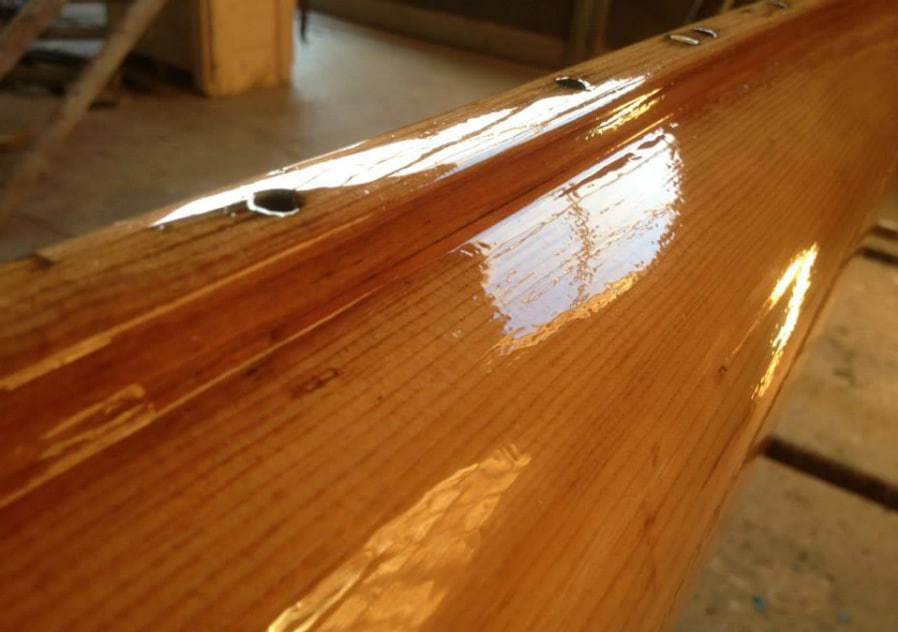
After application, allow the resin to cure undisturbed according to the manufacturer’s recommended time—this is typically 24–48 hours depending on room temperature and resin type. Do not cover or move the item during this time, as this may trap dust or cause imperfections. Once fully cured, sand away any drips or uneven spots, then polish or finish as desired to reveal a smooth, glossy, and stabilised surface.
Your wood is now structurally reinforced and thoroughly protected against water, wear, and abrasion.
Top Tips and Common Mistakes to Avoid
Stabilising wood with resin requires some patience and careful attention to detail. Always follow mixing ratios exactly, as improper ratios will affect hardness and curing. Avoid working in humid or very cold environments, as moisture or low temperatures can lead to cloudiness or incomplete curing. Take your time during both surface preparation and resin application to ensure deep penetration and a professional finish.
Achieving Best Results
Work methodically, keeping your area clean and allowing each resin coat to cure fully before sanding or reapplying. Wearing gloves and goggles is essential for your safety while handling resin.
- "EpoxyWood" – Wood Restoration Epoxy Resin for Deep Penetration and WaterproofingPrice range: £27.95 through £41.95"EpoxyWood" is an epoxy resin designed for repairing and waterproofing wood, suitable for wood restoration while preserving the natural appearance.
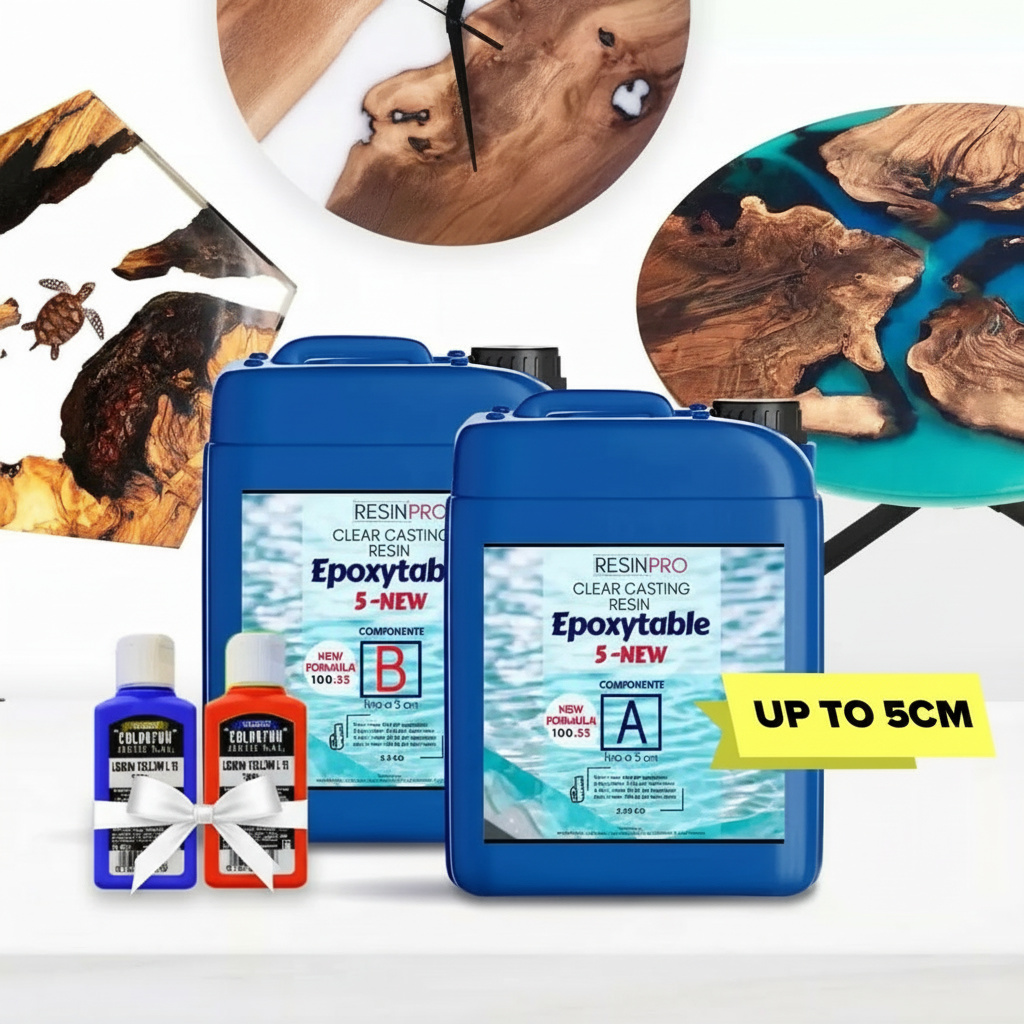
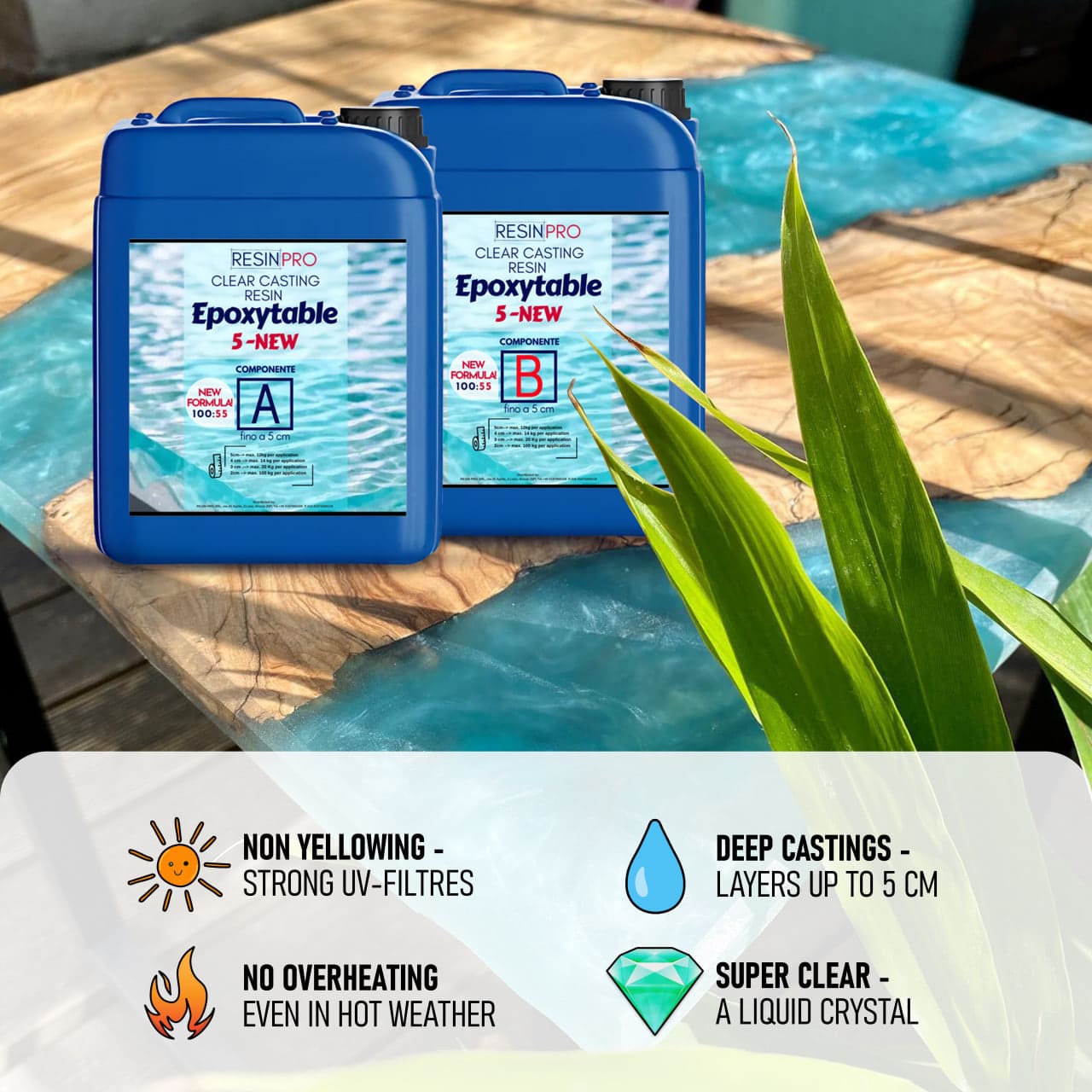
- "EpoxyTable 5-Five" – Deep Pour Epoxy Resin for Tables and Large Projects – Up to 5cmPrice range: £17.95 through £1,154.95"EpoxyTable 5-Five" is designed for deep pouring applications, suitable for tables and large projects requiring layers up to 5cm.
 "Trasparente" – Multipurpose Clear Epoxy Resin for Casting – Up to 2cmPrice range: £8.95 through £397.95"Trasparente" is a clear multipurpose epoxy resin up to 2cm thickness, offering a glossy finish and used for woodworking and restoration.
 "Icrystal" – Clear Epoxy Resin – Odourless Formula – Up to 1.5cmPrice range: £12.45 through £341.45"Icrystal" clear epoxy resin offers good transparency and scratch resistance suitable for wood coating and surface finishes.
Frequently Asked Questions
Can I use EpoxyWood for soft or rotted wood?
Yes, EpoxyWood is designed to deeply penetrate and reinforce soft, weakened, or partially rotted wood for restoration.
What is the curing time for wood stabilisation resin?
Most epoxy resins cure fully in 24–48 hours at room temperature, but check the specific product instructions for best results.
How many coats of resin are needed for wood?
Highly absorbent or damaged wood may require several coats. Apply additional resin when the previous layer is tack-free.
Will epoxy resin stop future wood rot?
Epoxy resin provides a waterproof and protective barrier, greatly reducing the likelihood of future rot if applied correctly.
Can I stain or paint wood after resin application?
Resin creates a sealed surface, so staining after application isn’t possible, but you can paint on top with suitable products.
Does resin change the colour of natural wood?
Clear epoxy enhances grain and may give a glossier look. Some formulas may impart a slight warm tone to the wood.