 Free shipping on orders over £29,85
  Shipping Tracking!


 Google
 Facebook
How to remove epoxy resin from metal?
Step-by-step guide for safe and effective epoxy removal
Removing cured epoxy resin from metal can seem daunting, but with the right technique, it’s completely achievable without damaging the underlying surface. Whether you’re correcting a mistake or refurbishing a piece, following a careful process ensures clean results and preserves the integrity of the metal. This guide outlines the safest, most effective methods for anyone—from DIY enthusiasts to professional tradespeople—seeking to remove epoxy residues from metal.
What You’ll Need
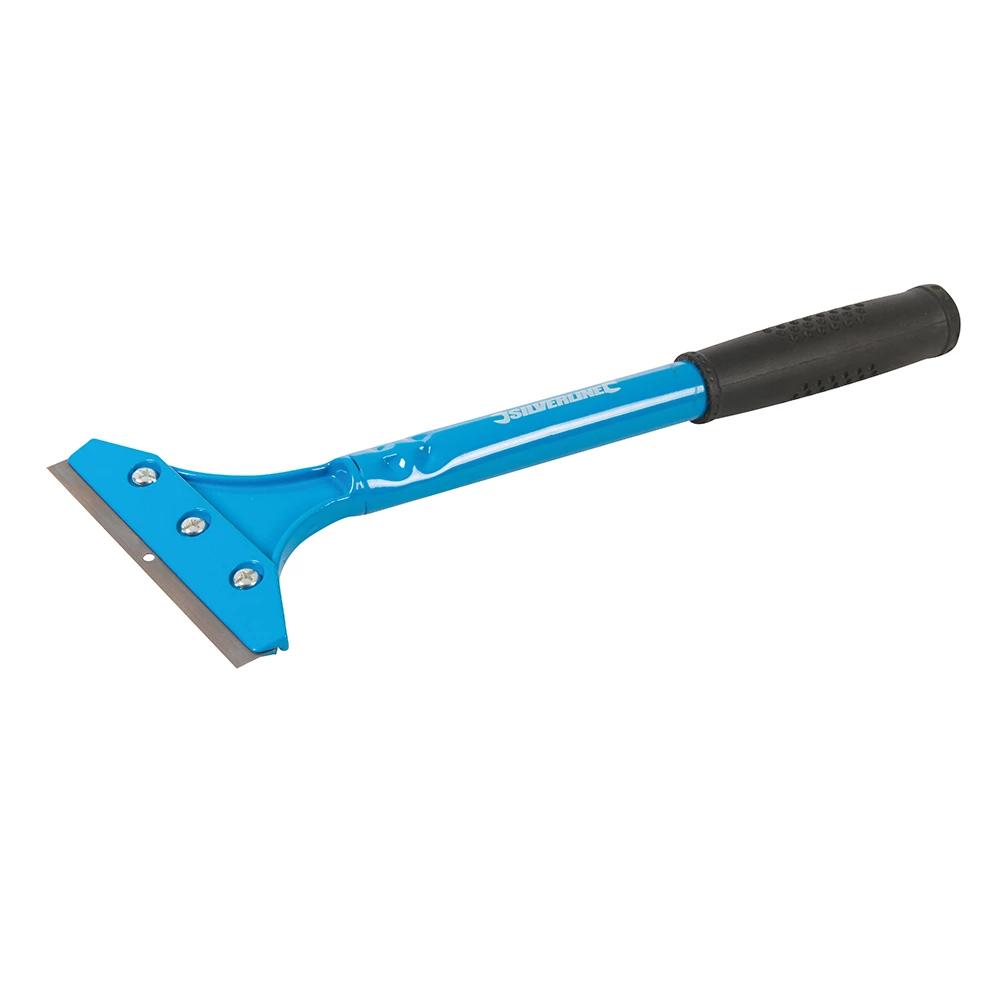
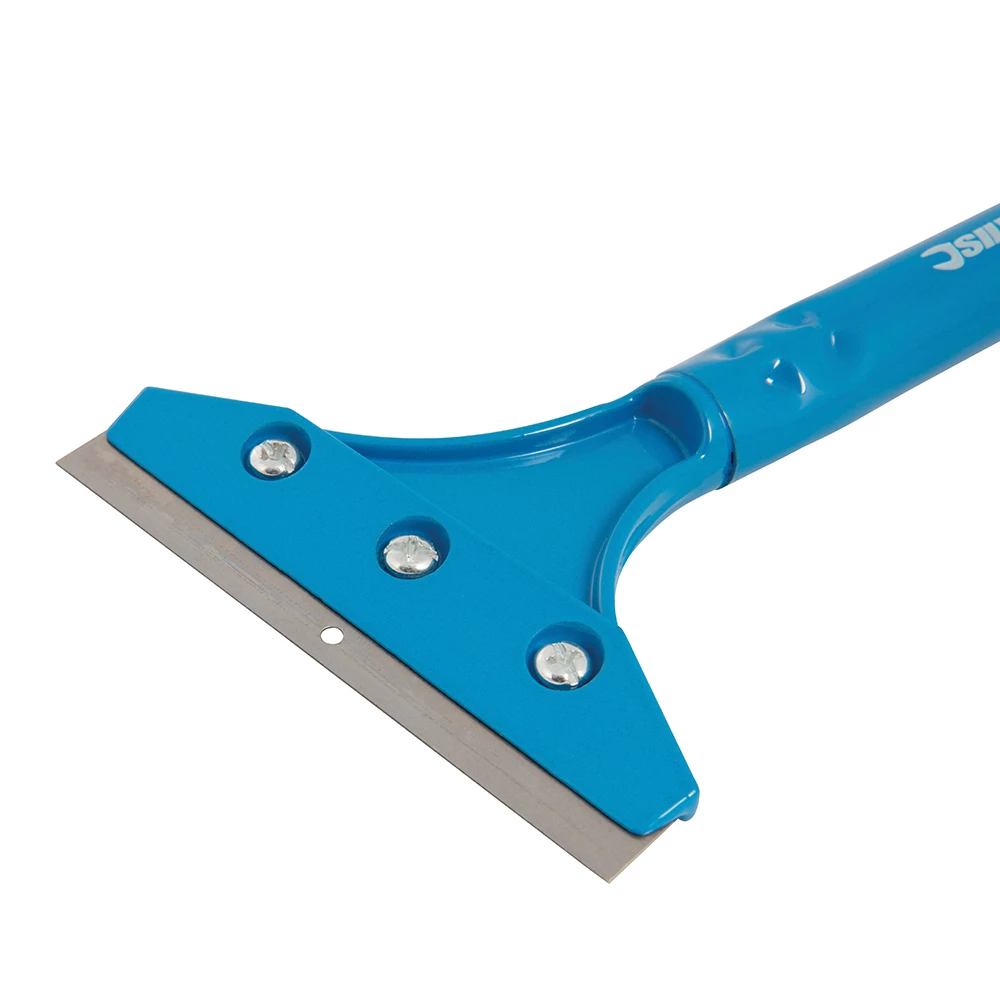
- Heavy Duty Scraper for Paint and Epoxy Resin Removal – for safely scraping larger or thicker patches of epoxy
- Scraper for Paint & Dry Resin Removal – 10 Double-Sided Blades – perfect for more delicate or hard-to-reach locations on smooth metal surfaces
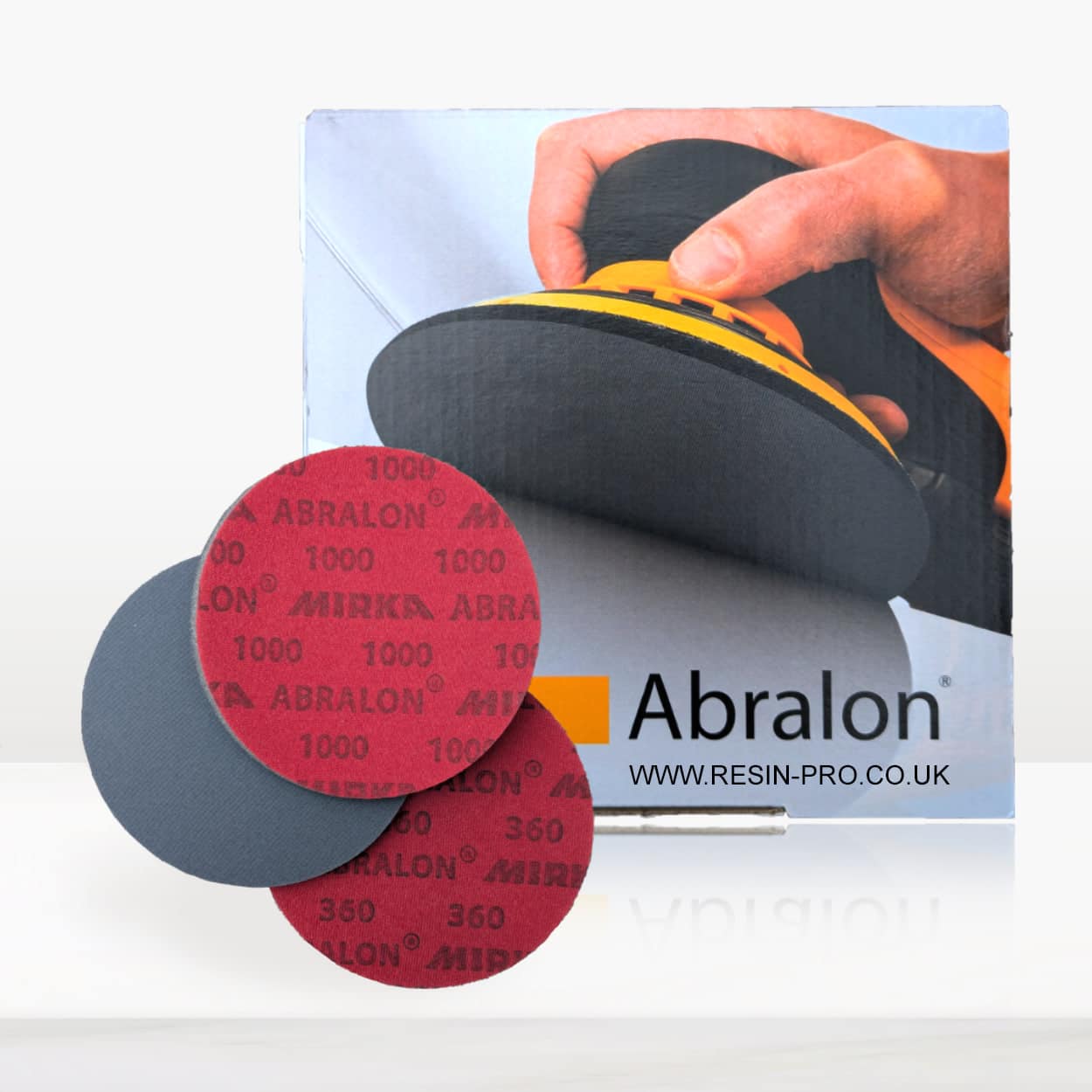
- “Ebonite Abralon” – Sanding Pads 360-4000 Grit for Resin and Wood – helps refine and smooth the metal after scraping
- Strong Technical Degreaser for Resin Projects – 100% Natural Formula – for gently cleaning off residual epoxy dust and stubborn particles
- Protective gloves and eye protection
- Clean cloth or microfibre towel
See Tools in Action
Watch demonstrations of resin removal on different metal surfaces, featuring close-ups of scraping and sanding techniques for optimal results.
Step 1: Assess and Prepare the Metal Surface
Begin by inspecting the area where the epoxy resin is present. Identify how thick or widespread the residue is, as this determines the removal technique. Remove any loose dirt and use a dry cloth to wipe the surface. Ensure the metal is stable and well-supported, either on a workbench or a protected area.
Always wear protective gloves and goggles when handling removal tools or chemicals. Safety first—small fragments can be sharp, and cleaning solutions may irritate your skin or eyes.
Step 2: Mechanically Remove the Bulk of the Resin
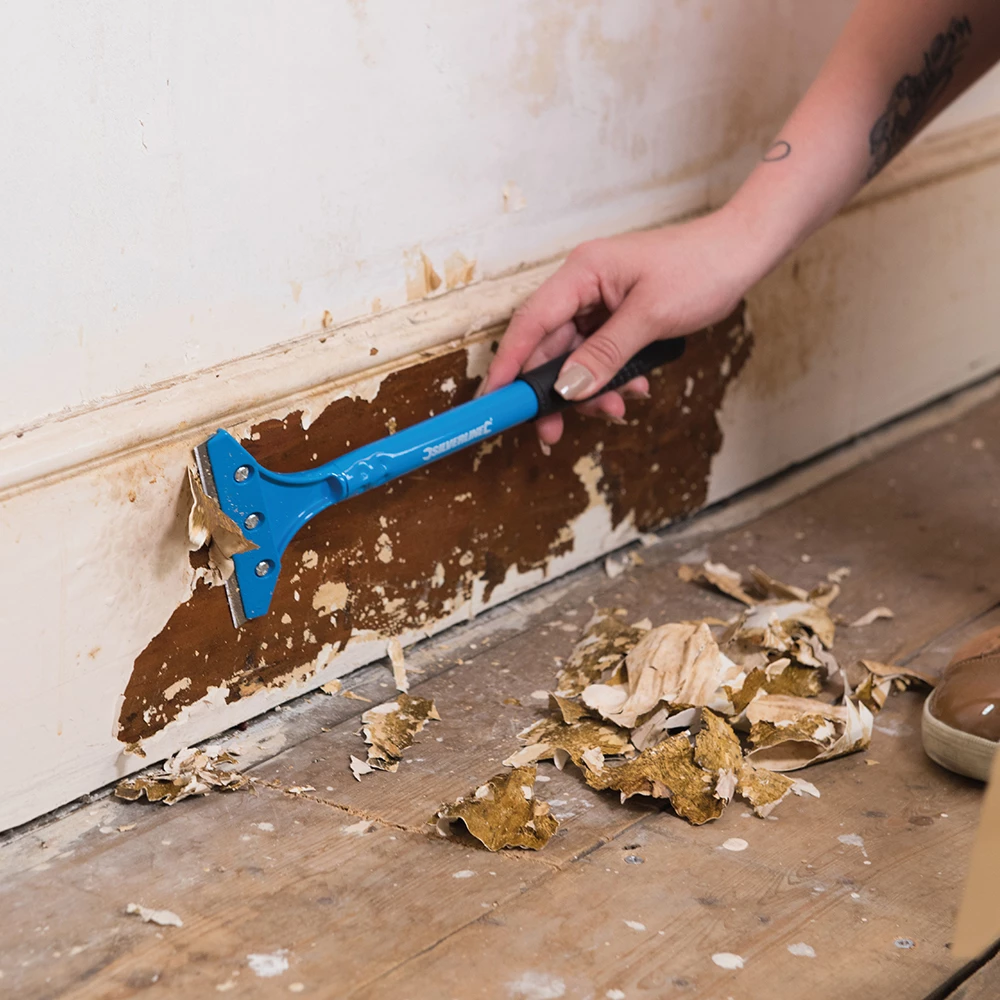
For thicker build-ups, start with a mechanical method. Hold the scraper at a shallow angle and gently apply pressure to lift the hardened epoxy from the metal. Take your time, working in small sections and moving with steady, controlled strokes to avoid scratching.
Choose between a Heavy Duty Scraper for Paint and Epoxy Resin Removal for broad areas, or a Scraper for Paint & Dry Resin Removal – 10 Double-Sided Blades for more detail work or tight corners. Test on a small area first to prevent accidental scratching or discolouration. Replace blades promptly to avoid scratching the surface.
Step 3: Smooth and Refine with Sanding Pads
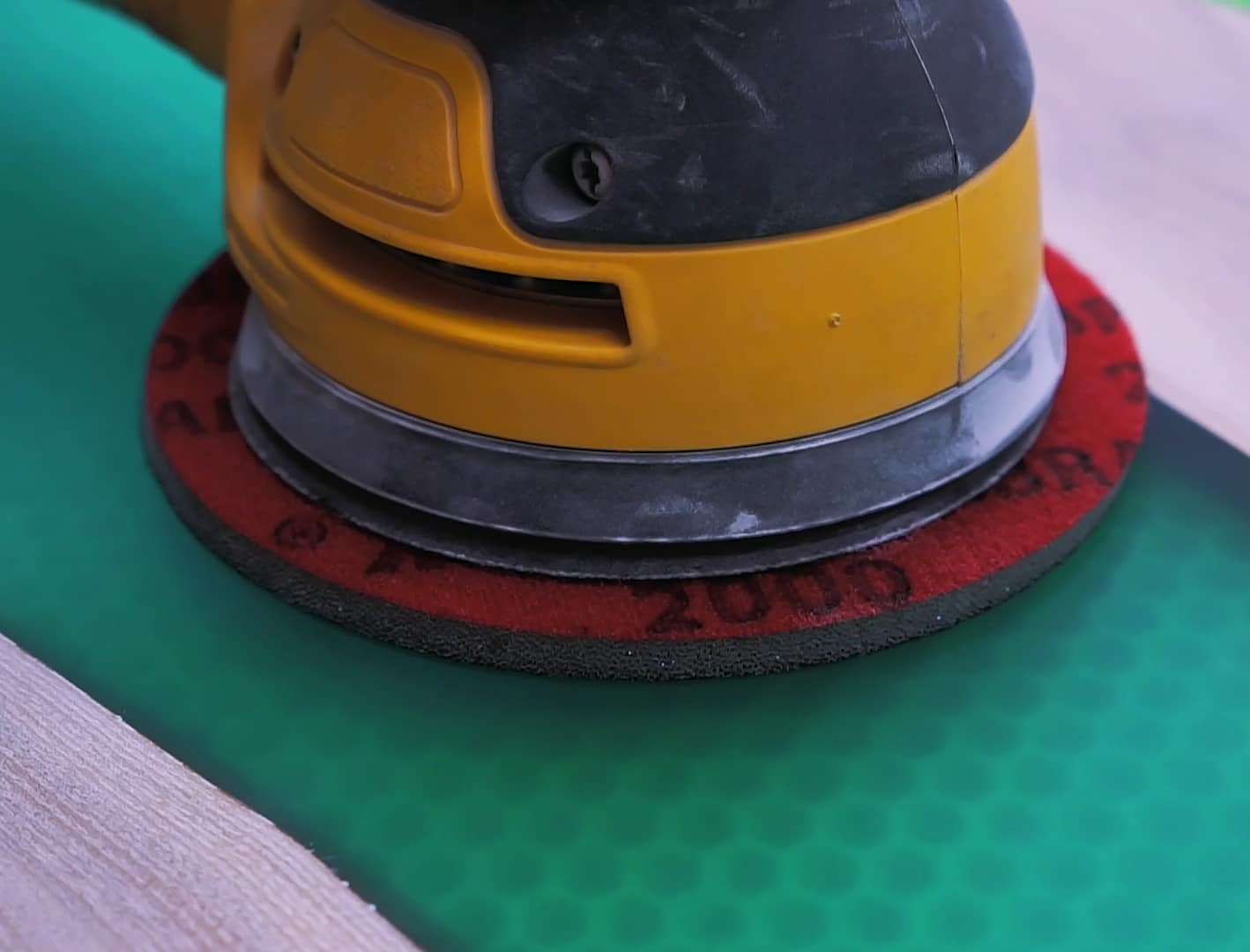
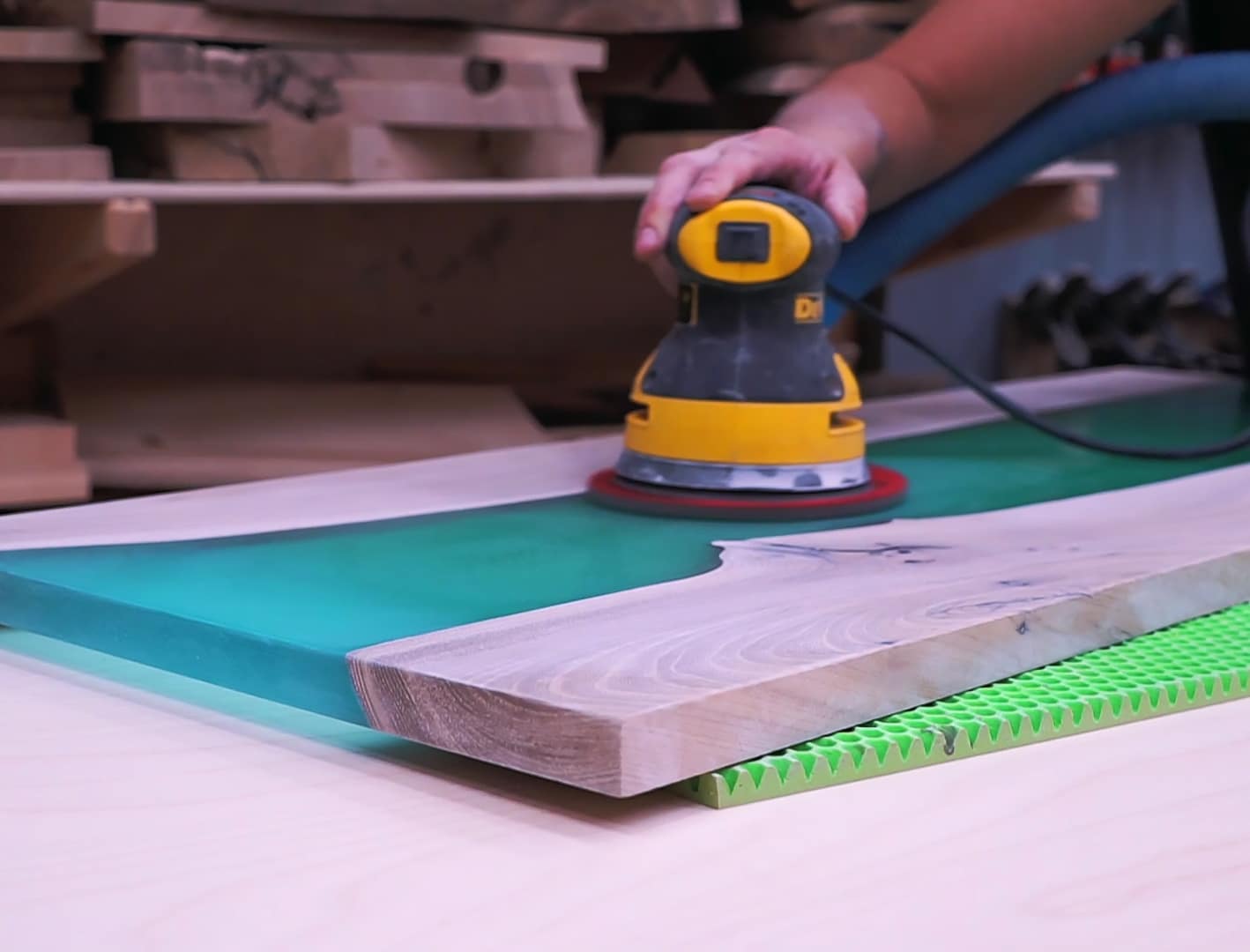
Once most of the resin has been removed by scraping, some fine residue or slight roughness may remain. Wet a sanding pad, such as “Ebonite Abralon” – Sanding Pads, and buff the area gently with a light, circular motion.
Begin with a medium grit for larger imperfections and work up to the finest grit to polish the surface. Never use excessive force—this can gouge or deform the metal. Regularly check your progress to avoid over-sanding, particularly on softer metals.
Step 4: Clean Residues and Check for Clarity
After scraping and sanding, remove all dust and particles with a microfibre cloth. If residue remains after scraping and sanding, use a degreaser to dissolve leftover particles. Apply a small amount of Strong Technical Degreaser for Resin Projects – 100% Natural Formula on a clean cloth and wipe the area. Allow to dry and inspect for any remaining marks or stickiness.
If any small patches endure, repeat the process as needed; persistent stains may require a second, lighter application of sanding or degreaser. Always finish by fully drying the metal and ensuring all chemicals are removed.
Tips and Troubleshooting for Resin Removal
- Work in a well-ventilated and well-lit space for optimal safety and visibility.
- When scraping, always use sharp blades and light pressure.
- If epoxy has been on the metal for a long time or is especially stubborn, alternating between scraping and sanding can break up residues more effectively.
- Avoid chemical solvents unless necessary, as some may corrode certain metals—natural degreasers are a safer alternative.
- Patience is crucial; rushing often leads to scratches or incomplete resin removal.
Finishing Touches and Safe Disposal
Once cleaned, ensure metal items are properly rinsed and dried. Collect resin debris in a safe container, and follow local guidelines for chemical or material disposal.
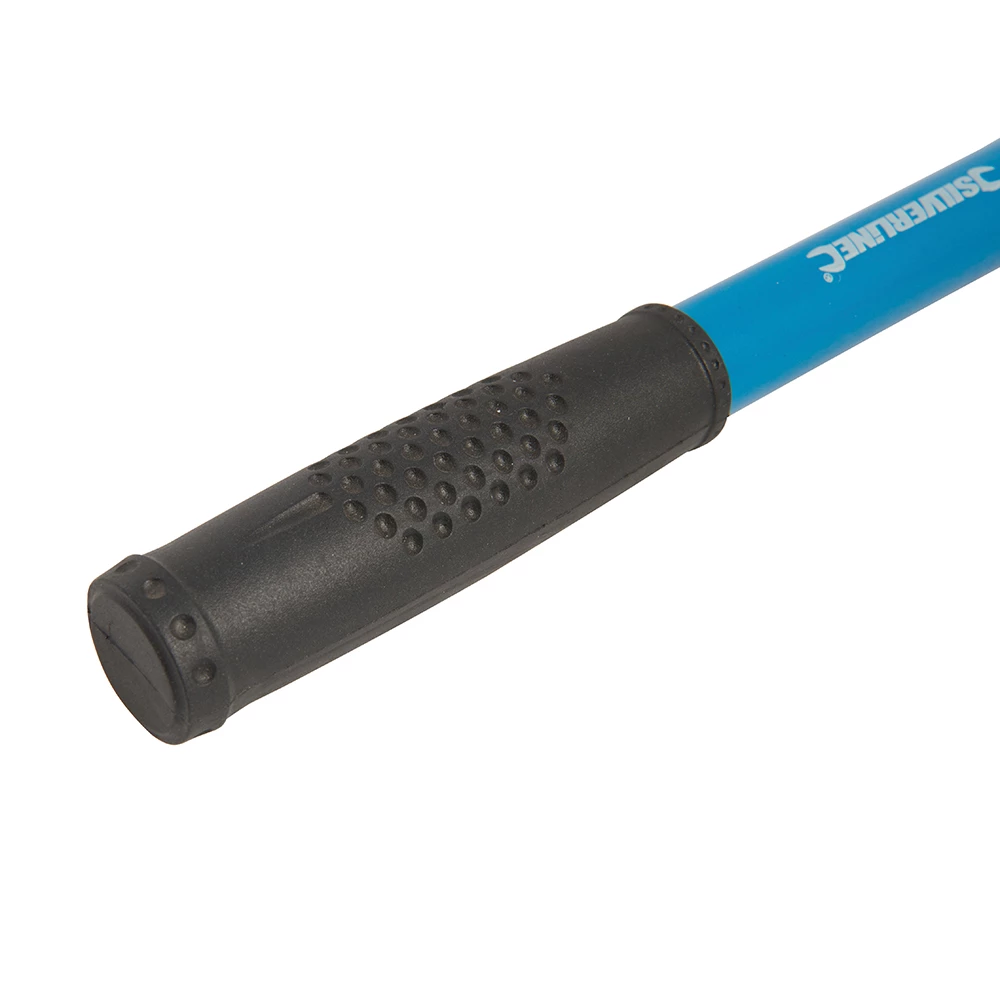
- Heavy Duty Scraper for Paint and Epoxy Resin Removal£8.95Heavy Duty Scraper offers lightweight, precise removal of paint and coatings, suitable for various renovation tasks.
- "Ebonite Abralon" – Sanding Pads 360-4000 Grit for Resin and Wood£4.15"Ebonite Abralon" Sanding Pads offer versatile sanding for resin and wood projects suitable for detailed finishing in resin removal contexts.
 Scraper for Paint & Dry Resin Removal – 10 Double-Sided Blades£4.95The Scraper is designed for effective removal of paint and dry resin from windows and smooth surfaces, suitable for professionals and DIY use.
 Strong Technical Degreaser for Resin Projects – 100% Natural FormulaOriginal price was: £10.95.£9.45Current price is: £9.45.Strong Technical Degreaser is a 100% natural cleaner suitable for epoxy resin projects and various surfaces, matching the how to remove epoxy resin…
Frequently Asked Questions
Will scraping epoxy resin damage metal surface?
If done carefully with a proper scraper and light pressure, most metal surfaces will not be damaged. Test on a hidden area first.
Can sanding pads polish the metal after resin removal?
Yes, fine-grit sanding pads smooth out scratches and restore a refined finish after epoxy removal.
Is chemical removal recommended for epoxy on metal?
Natural degreasers are generally safe. Avoid harsh solvents as some may corrode or discolour metal surfaces.
How should leftover epoxy particles be disposed of?
Collect all residue and follow local waste disposal guidelines for safe, eco-friendly removal.
How can I avoid scratching metal when removing epoxy resin?
Use sharp, clean blades and never apply excessive force. Test gently before proceeding with a larger area.