 Free shipping on orders over £29,85
  Shipping Tracking!


 Google
 Facebook
How to resin a table?
Step-by-step instructions for a stunning epoxy finish
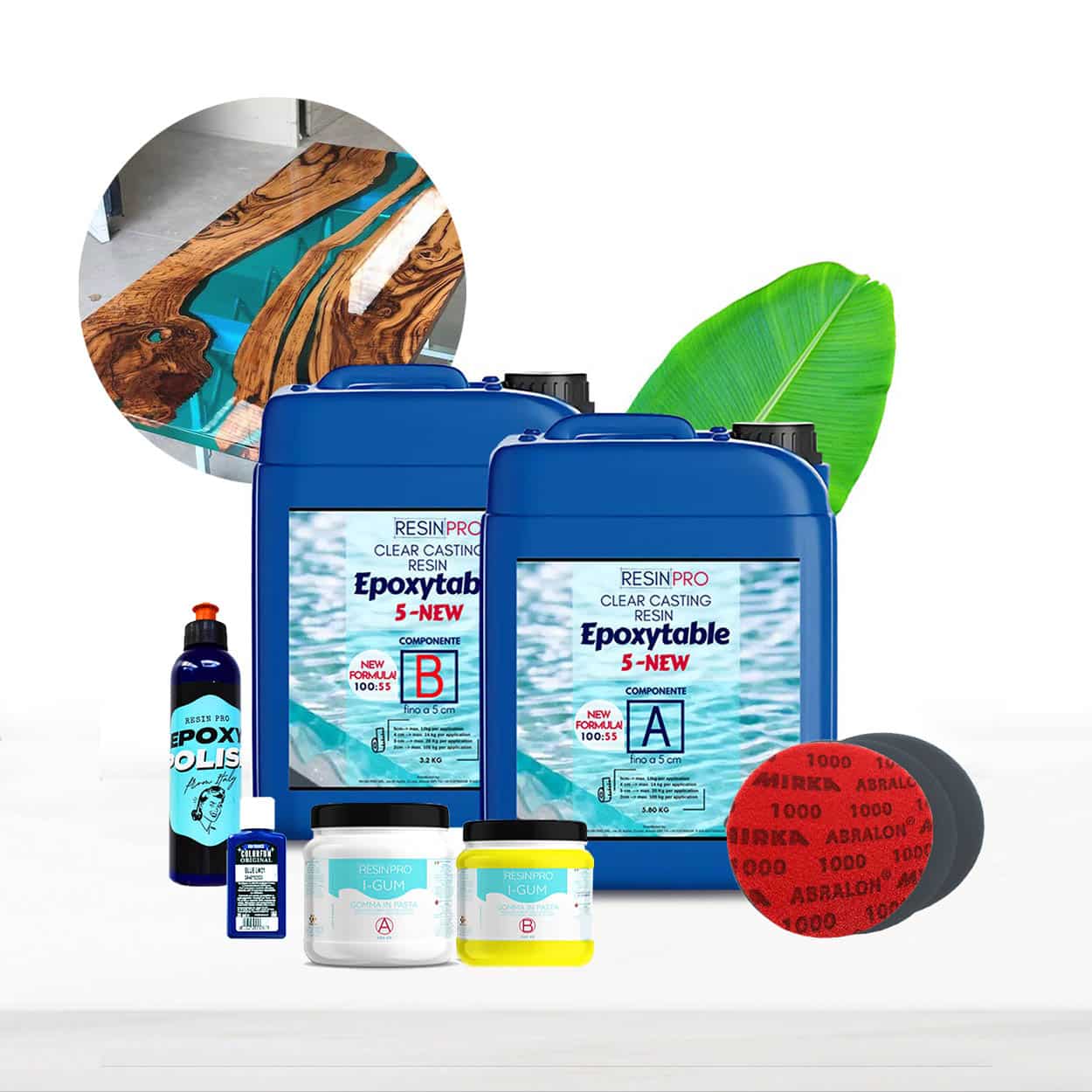
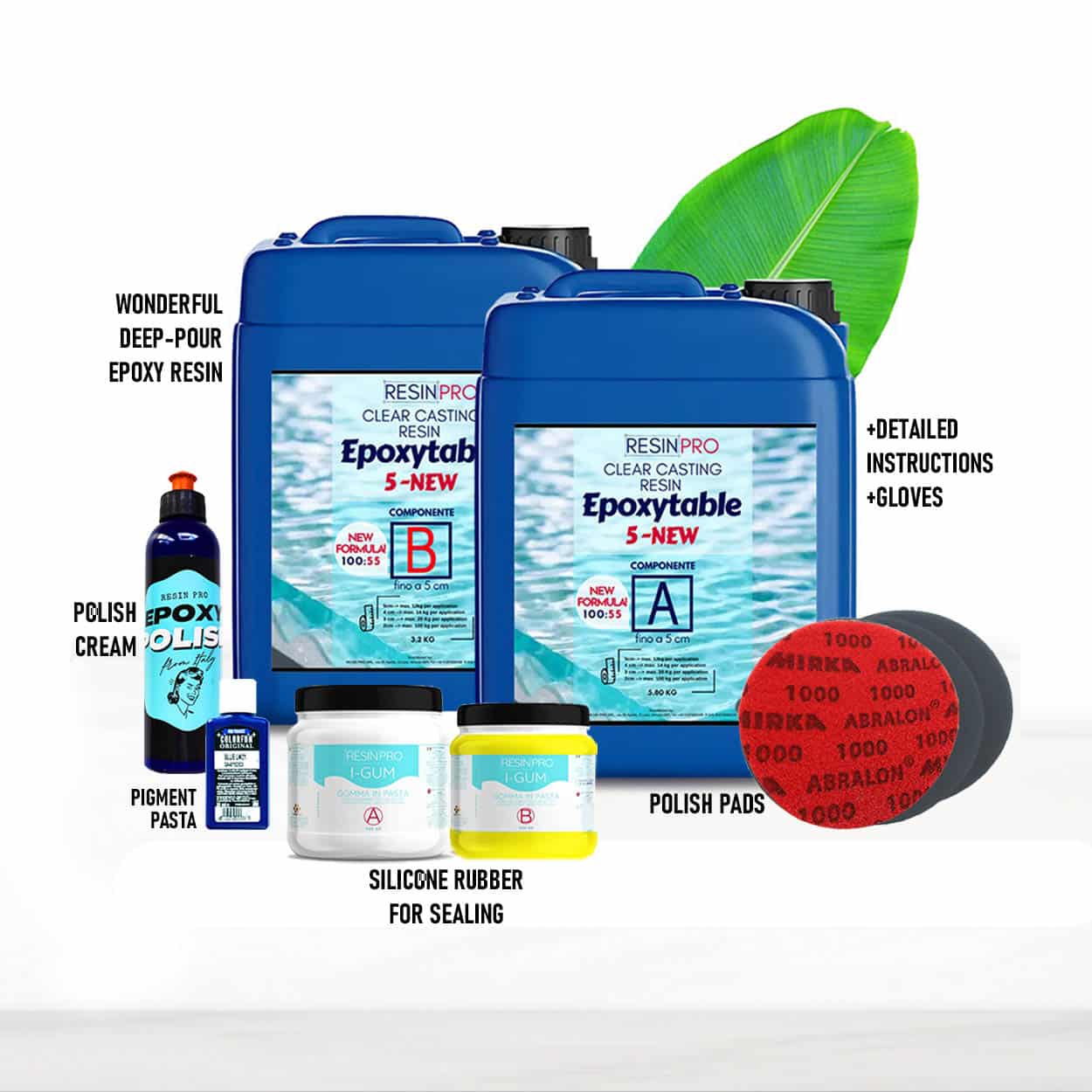
Resining a table transforms any plain or old surface into a spectacular centrepiece with a high-gloss, durable finish. Whether creating a contemporary river table or giving a new life to an older piece, following the right process is crucial for achieving professional-quality results. This guide explains every step required, from preparing your workspace to the final polish, ensuring beginners and hobbyists can confidently create a stunning epoxy resin table.
What You’ll Need
- “Trasparente” – Multipurpose Clear Epoxy Resin for Casting – Up to 2cm — For pours up to 2cm and clear, smooth finishes
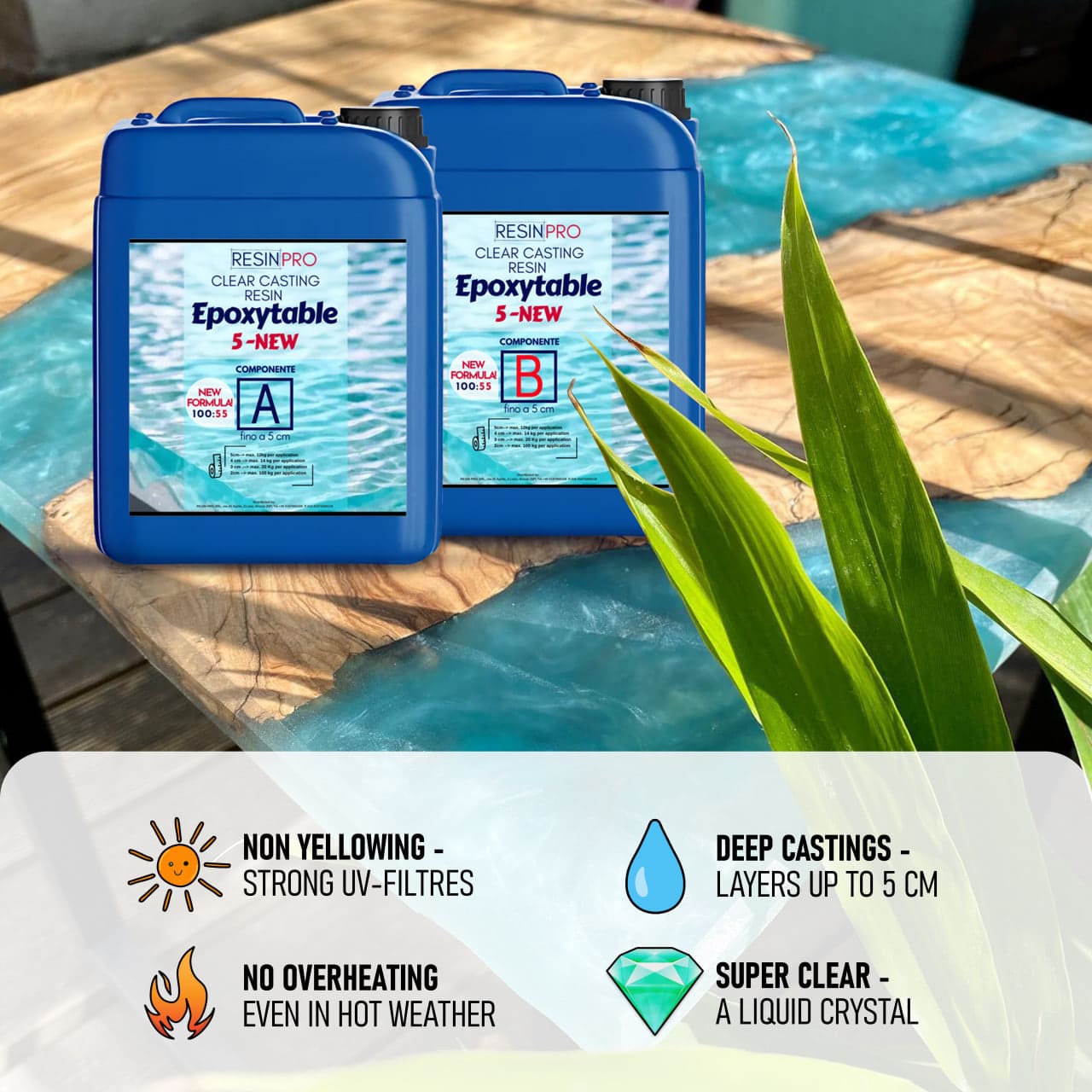
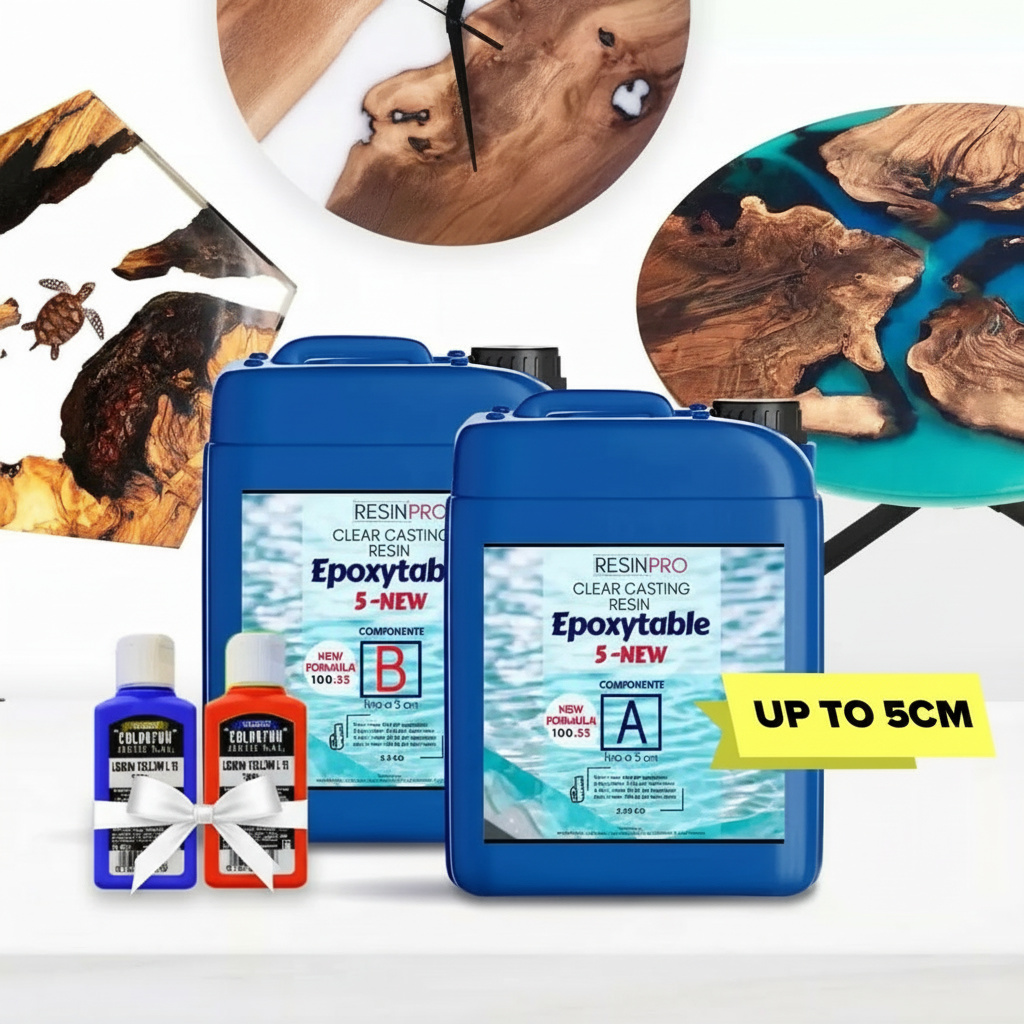
- “EpoxyTable 5-Five” – Deep Pour Epoxy Resin for Tables and Large Projects – Up to 5cm — Suited for deeper pours and river table effects
- “Epoxytable 10-Ten” – Deep Pour Epoxy Resin for Tables, Up to 10cm Casting — Best for extra-deep resin work and thick slabs
- Suitable pigments (if colour is desired)
- Protective gloves and safety glasses
- Mixing containers and sticks
- Painter’s or masking tape
- Sandpaper (various grits)
- Level and support blocks for workspace
- Polishing kit (optional for extra shine)

Workspace, mixing, and resin preparation essentials
Ensure a dust-free workspace, use measuring containers and safety gloves, and follow resin-specific instructions for best results. A tidy preparation area reduces contamination, while correctly mixed resin achieves a flawless finish.
Step 1: Prepare the Surface
Begin by choosing a sturdy, dust-free workspace with plenty of ventilation. Remove any pre-existing finish, wax or debris from the tabletop by sanding it evenly, starting with a coarser grit and moving to finer grits for a smooth, even base. Clean the surface completely with a tack cloth or damp rag to ensure no dust or oils remain, as these can cause imperfections in the resin layer. Proper surface prep avoids adhesion issues and creates a flawless foundation for the resin to bond.
Secure the table so it remains level during pouring by using support blocks. Mask off any areas you do not want resined with painter’s or masking tape, and consider building a simple formwork around edges if planning a thick or shaped pour.
Step 2: Mix and Tint the Resin
Carefully follow the instructions for your chosen resin system regarding mixing ratios and safety precautions. Accurately measure both resin and hardener by weight or volume, then mix slowly for several minutes, scraping the sides and bottom of your mixing container. If desired, blend in opaque or metallic pigments at this stage, ensuring they are fully dispersed for consistent colour or special river effects.
If you need a multipurpose, ultra-clear resin suitable for up to 2cm pours, “Trasparente” – Multipurpose Clear Epoxy Resin is ideal for this step. Always wear gloves, and work in a ventilated space to reduce exposure to fumes.
Step 3: Pour the Resin and Spread Evenly
Pour the prepared resin slowly over the centre of the table, allowing it to spread naturally towards the edges. For deep, single-pour tables or river tables, select an appropriate deep pour resin such as “EpoxyTable 5-Five” for up to 5cm layers or “Epoxytable 10-Ten” up to 10cm. Use a spreader or brush to help the resin coat evenly or to fill decorative inlays. Work slowly to minimise bubbles, and use a heat gun or torch to gently remove surface bubbles as they arise.
For pours exceeding the recommended thickness, pour in multiple stages, allowing proper cure time between each layer to prevent overheating or deformation.

Step 4: Cure, Finish, and Polish
Allow the resin to self-level and set undisturbed for at least the minimum cure time specified by your resin product—typically between 12 and 48 hours. Cover the table with a dust sheet if needed. Once fully cured, inspect the surface for imperfections. Any drip marks or edges can be removed by light sanding using progressively finer grits.
If you want a mirror-smooth finish, use a polishing kit designed for epoxy surfaces to buff out any scratches or dull spots. Clean with a damp cloth and your newly resined table is ready to use or display.
Tips, Common Mistakes and Troubleshooting
Resin work can be affected by temperature, humidity, and inaccurate measurements. Always measure resin and hardener precisely, and mix for the time recommended. Pouring too thick a layer in one go can cause overheating; follow manufacturer guidelines for each product. If bubbles persist after pouring, use a gentle heat gun sweep to pop them before curing starts. Cover your work to avoid dust, and ensure your table is perfectly level to prevent pooling. Patience and careful prep deliver the best, most professional finish.
Perfecting your resin table’s finish
Use a quality polishing kit and invest time in fine sanding and buffing for the ultimate high-gloss result. Attention to detail at every stage helps your table stand out and last for years.

- "River-Table" – Complete Kit for Creating Your First Epoxy Resin TablePrice range: £198.45 through £467.45"River-Table" kit includes materials and instructions for creating wood and resin tables suited to beginners and hobbyists.
- "EpoxyTable 5-Five" – Deep Pour Epoxy Resin for Tables and Large Projects – Up to 5cmPrice range: £17.95 through £1,154.95"EpoxyTable 5-Five" is suitable for deep pouring applications up to 5cm thickness, commonly used for tables and large projects.
 “Epoxytable 10-Ten” – Deep Pour Epoxy Resin for Tables, Up to 10cm CastingPrice range: £35.95 through £351.95“Epoxytable 10-Ten” epoxy resin is designed for creating tables with deep pours up to 10cm, suitable for large projects with low exothermic reaction.
 "Trasparente" – Multipurpose Clear Epoxy Resin for Casting – Up to 2cmPrice range: £8.95 through £397.95"Trasparente" is a clear, multipurpose epoxy resin suited to up to 2 cm pours, offering a self-levelling glossy finish for table and craft projects.
Frequently Asked Questions
What is the best epoxy resin thickness for a table project?
The ideal epoxy layer is typically 2-5cm thick. For deeper pours, select a resin formulated for greater thickness to prevent cracking or overheating.
Can I pour the resin in a single layer, or should I use multiple stages?
If your project exceeds the recommended maximum pour thickness, pour in several stages, allowing full cure between layers for the best results.
How do I prevent bubbles when pouring resin for a table?
Mix slowly, pour gently, and use a heat gun or torch to remove surface bubbles before the resin starts to set.
Why did my epoxy resin table turn yellow over time?
Yellowing comes from UV exposure. Always choose epoxies with UV filters and avoid excessive sunlight to maintain clarity.
Can I use standard resin on large, deep tabletops?
Use deep pour epoxy resins for thick or large projects. Standard resins are best for layers up to 2cm.
Is it necessary to polish the resin table after curing?
Polishing is optional but can enhance shine and smoothness, giving your table a professional look.