 Free shipping on orders over £29,85
  Shipping Tracking!


 Google
 Facebook
How to repair a resin boat?
Restore strength and waterproofing with proven resin techniques.

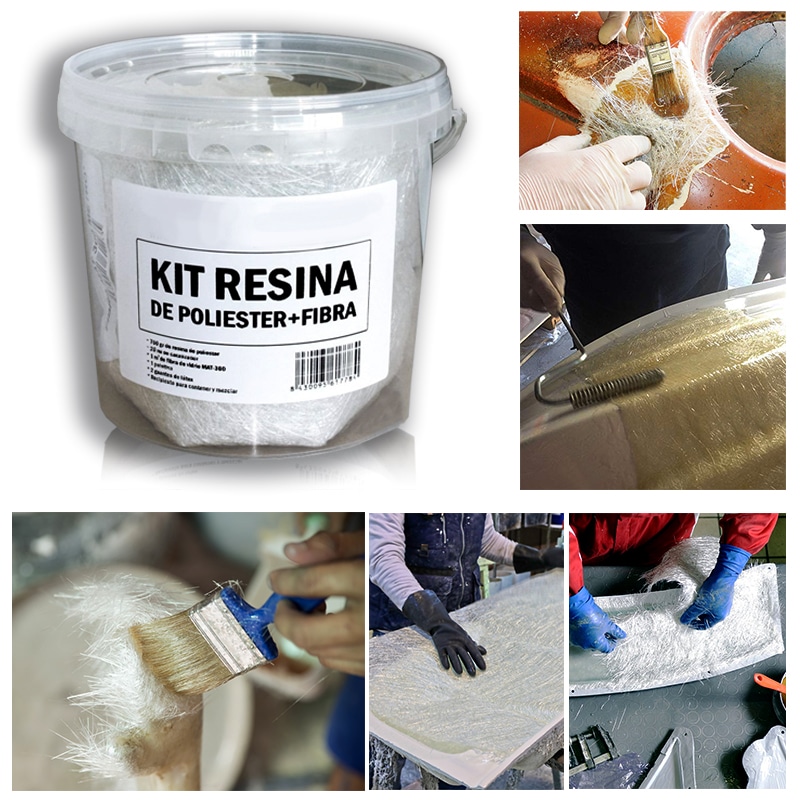
Repairing a resin (fibreglass) boat safeguards its performance, extends its lifespan, and keeps you safe out on the water. This guide will help you identify damage, prepare surfaces, choose the right repair technique, and complete the job with confidence for a durable, waterproof result.
What You’ll Need
- Resin Fibreglass Repair Kit – Complete Polyester Resin and Hardener Set – A full kit with resin, hardener, fibreglass mat, and basic tools for structural repairs.
- “Carbon Resin” – Epoxy Resin for Carbon Fiber & Fiberglass Coating – For superior reinforcement and durable coatings over technical fabric repairs.
- CROP 2K Fiberglass Putty – 750 ml + Hardener – Perfect for filling deeper holes, cracks, or dents after structural work.
- “Trasparente” – Multipurpose Clear Epoxy Resin for Casting – Up to 2cm – For surface repairs or fine, clear finishing layers.
- Sandpaper (medium and fine grit)
- Mixing containers, stirring sticks, and disposable brushes
- Protective gloves, safety goggles, dust mask
- Clean cloths, acetone or suitable cleaning solvent
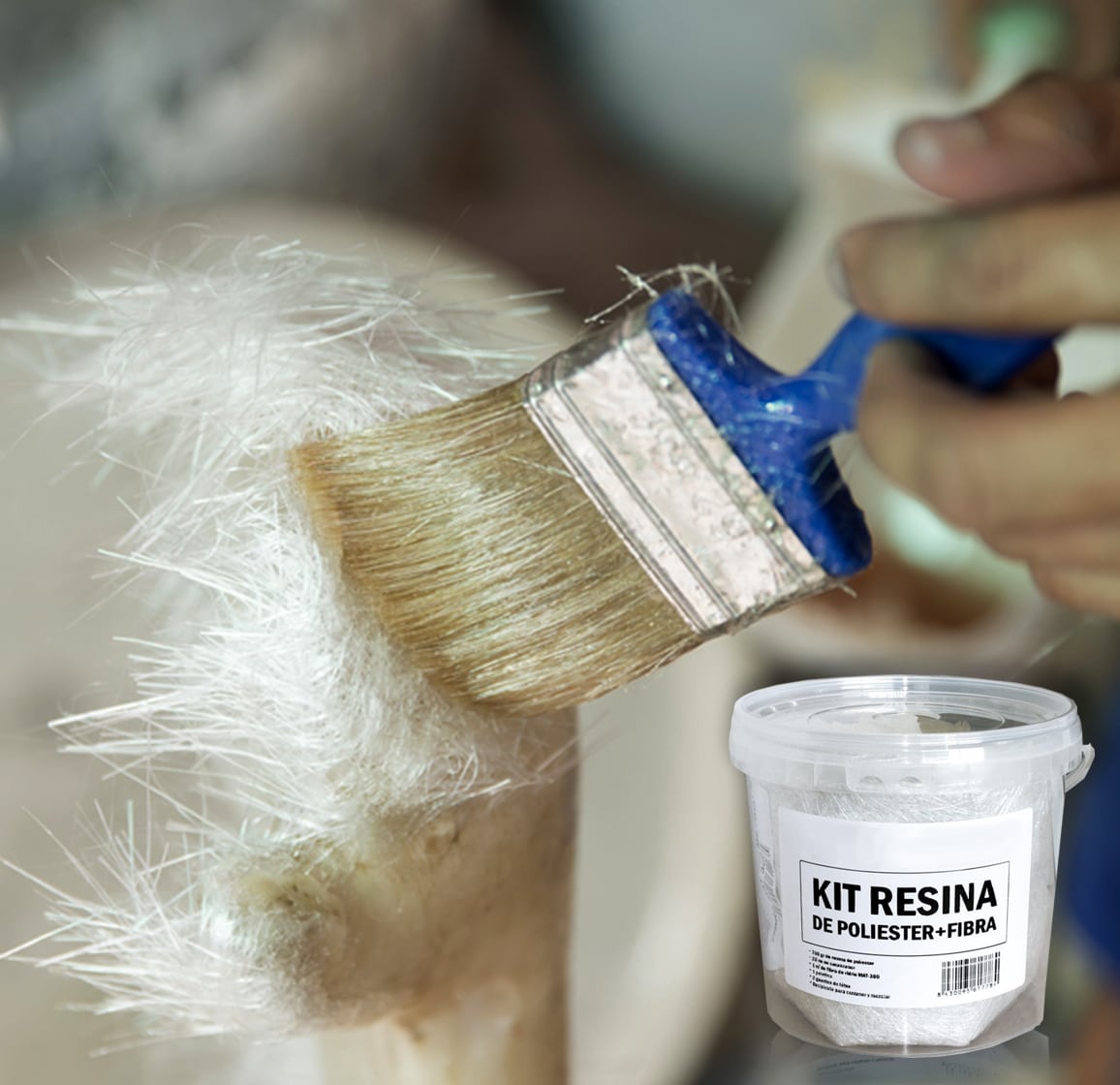
Essential Tools and Surface Preparation
Preparation is key to a lasting resin boat repair. Lay out all necessary materials in advance and thoroughly clean and sand the repair area before any resin work begins. Even the highest-quality resin cannot bond to dirt, oil, or loose substrate. Be meticulous in masking off unaffected sections to avoid accidental splashes or runs.
Step 1: Assess and Prepare the Damaged Area
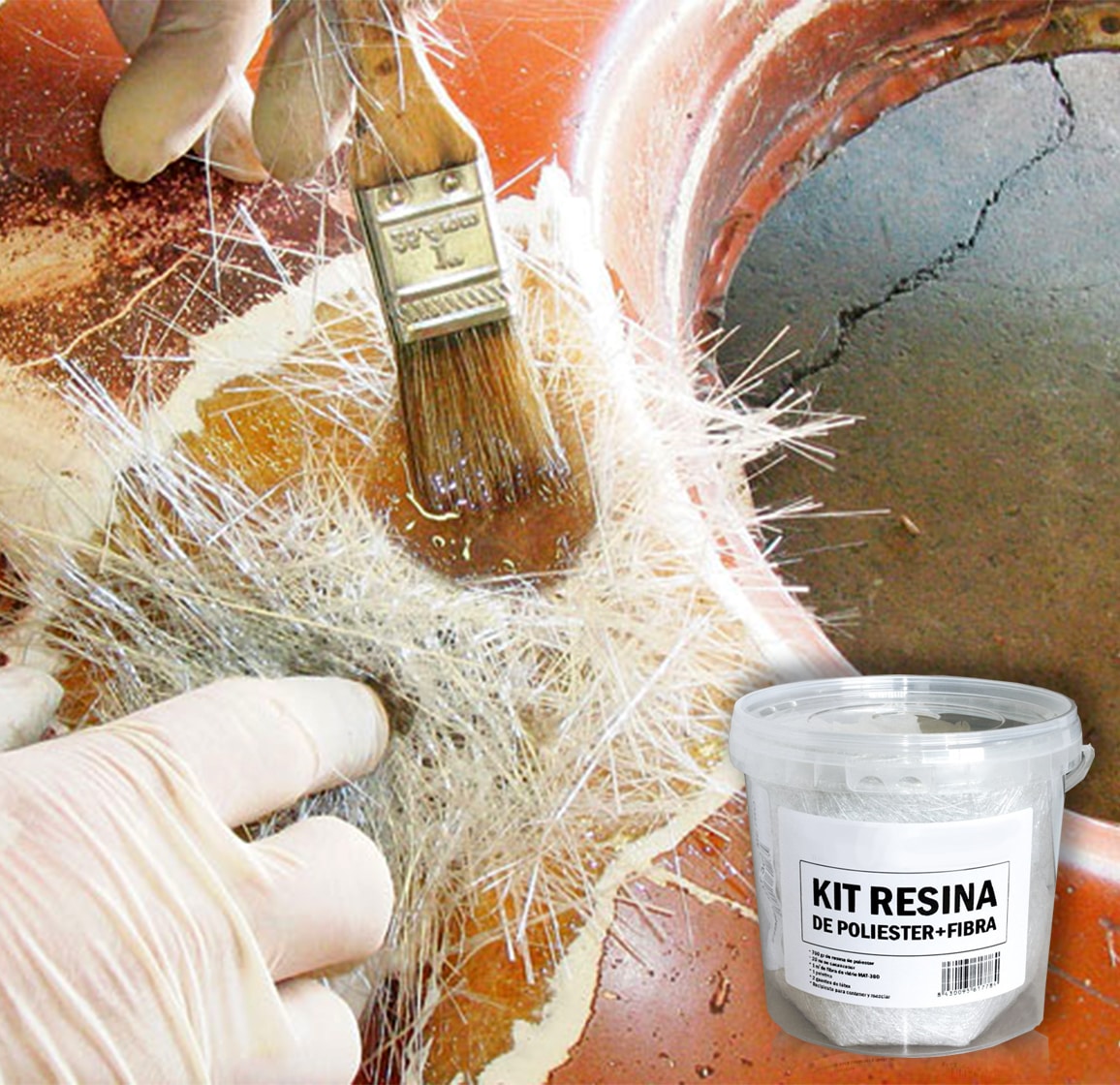
Start by inspecting the boat thoroughly for cracks, holes, blistering, or delamination in the resin. Mark the damaged regions clearly. Ensure all surfaces are clean, dry, and free of any grease or flaking paint. Use sandpaper or a grinder to bevel and roughen the edges of the damaged area, giving fresh resin a stronger grip on the old material. Remove any loose fibres or debris before you proceed.
Clean the area with acetone or a dedicated resin surface cleaner and let it dry fully. Always protect surrounding surfaces with masking tape and keep your workspace tidy to avoid accidental spills or contamination.
Step 2: Apply Structural Reinforcement with Fibreglass
Cut patches of fibreglass mat large enough to cover the damaged zone, allowing for overlap onto sound material. Lay out your dry mat to pre-fit the space. Mix your resin and hardener as directed by the manufacturer, ensuring accurate ratios for a proper cure.
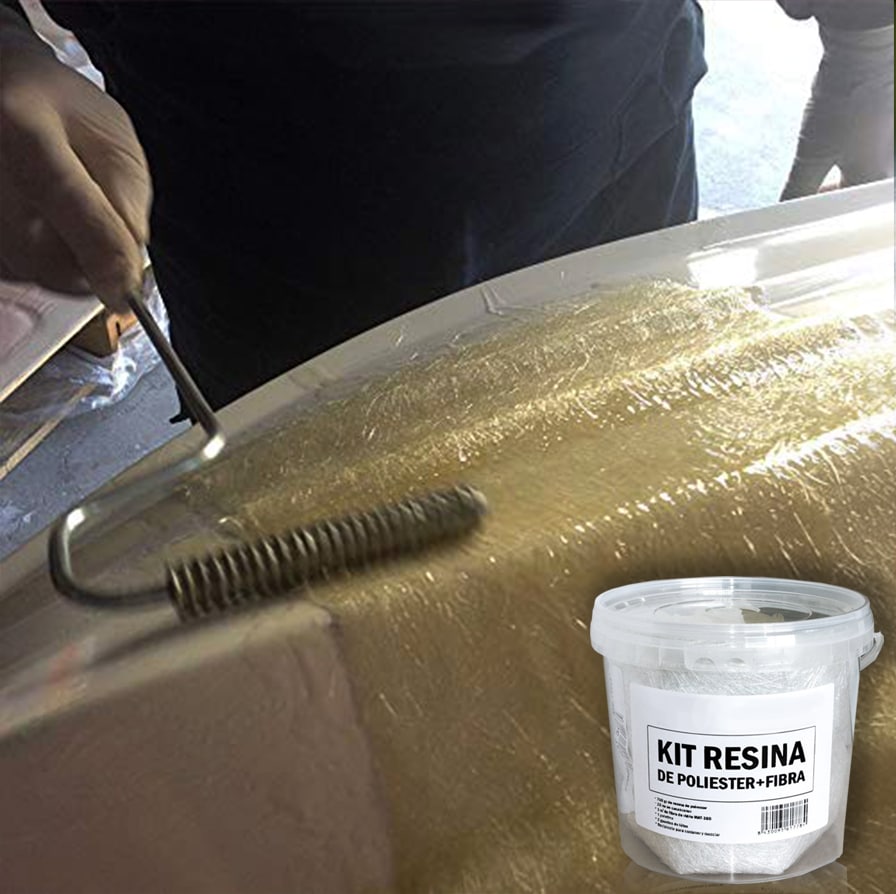
If tackling a boat hull or stressed area, a Resin Fibreglass Repair Kit – Complete Polyester Resin and Hardener Set provides pre-measured resin, hardener, fibreglass mat, and essentials to build up multiple layers and bond the repair structurally. Use a disposable brush to fully saturate each layer of mat with mixed resin, avoiding air bubbles. Work methodically from the centre outward.
Allow the area to cure as recommended—typically several hours to overnight, depending on the resin used and ambient conditions.
Step 3: Fill, Fair and Smooth Repairs
After structural reinforcement, you may have uneven spots, voids, or exposed fibres. Sand the cured area smooth with medium and then fine grit abrasive. Clean thoroughly to remove dust.
For deeper gouges or to achieve a seamless finish, employ a fibreglass-reinforced filler such as CROP 2K Fiberglass Putty – 750 ml + Hardener. Mix and apply as directed, building up layers if needed. Shape and feather the putty to blend into the original hull or deck contours. Allow to cure fully before a final sanding.
Step 4: Seal, Coat, and Finish the Surface
For a watertight and visually appealing finish, seal your repair with a final layer of compatible resin. A clear epoxy such as “Trasparente” – Multipurpose Clear Epoxy Resin for Casting – Up to 2cm offers clarity and protection if desired.
Alternatively, for high-performance reinforcement, especially in stress-prone or technical fabric areas, use “Carbon Resin” – Epoxy Resin for Carbon Fiber & Fiberglass Coating to ensure maximum bond strength and durability. Apply thin, even coats, allowing each to cure as directed before recoating or sanding smooth. Once the surface is set, proceed with primer and marine-grade paint as suitable for your boat.

Pro Tips and Common Mistakes When Repairing Resin Boats
Always wear gloves, eye protection, and work in a well-ventilated area. Proper safety is essential when handling resins, solvents, and sanding dust. Allow each resin or filler application to cure fully before sanding or recoating. Rushing this process may result in weaker bonds or imperfections. Temperature can affect curing – avoid humid or cold conditions where possible. Plan ahead, mix only what you need, and work systematically to avoid waste.
Inspect regularly for early signs of wear, delamination, or water ingress. Addressing minor issues promptly prevents bigger structural failures down the line.
Achieving a Seamless, Watertight Finish
Layering is vital for durability and waterproofing. Build up fibreglass and resin in thin coats, ensuring thorough saturation without air pockets. A smooth epoxy or putty finish helps maintain the appearance and hydrodynamic integrity of your boat. Investing time in the details ensures both strength and aesthetics long-term.
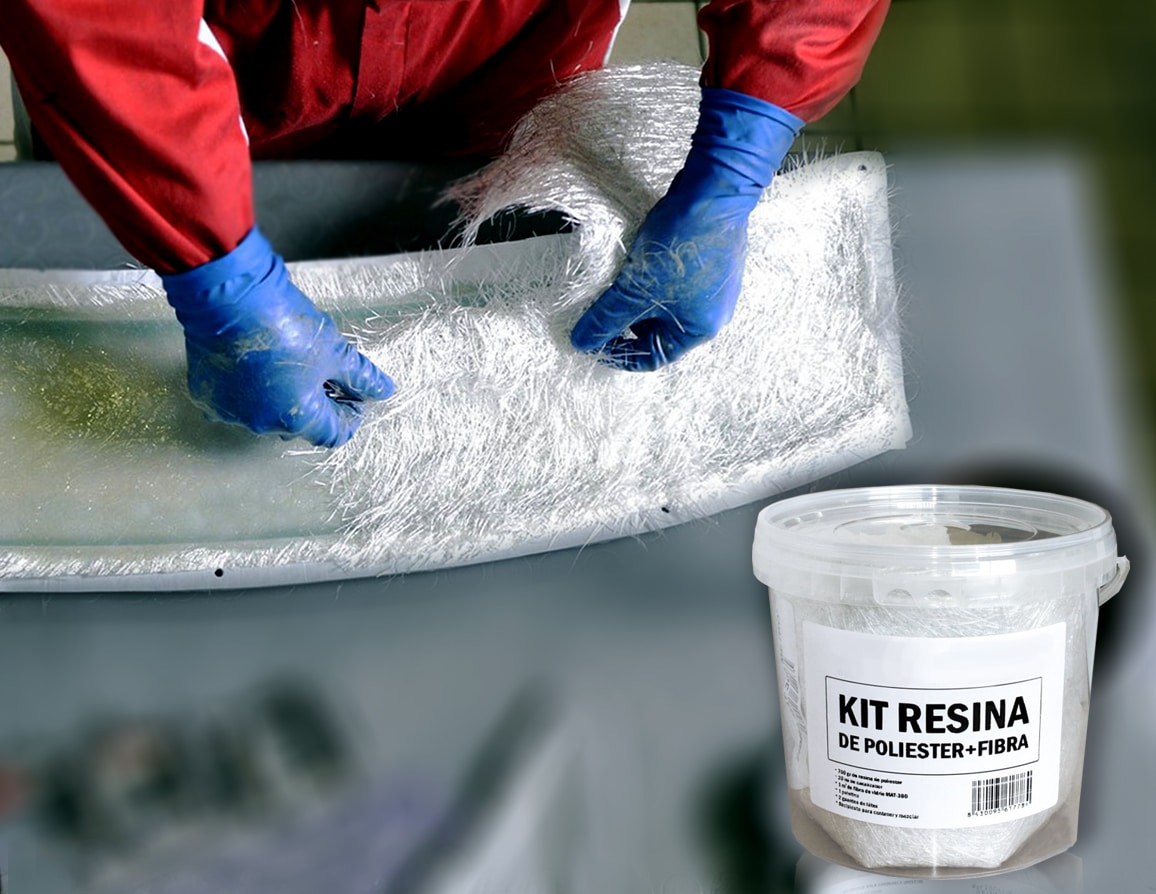
- Resin Fibreglass Repair Kit – Complete Polyester Resin and Hardener SetResin Fibreglass Repair Kit offers professional polyester resin repairs with high adhesion suitable for boats and rigid materials.
- "Carbon Resin" – Epoxy Resin for Carbon Fiber & Fiberglass CoatingPrice range: £19.95 through £37.95Epoxy resin designed for composites and technical fabrics, offering high impact resistance and a glossy finish suitable for boat repairs.
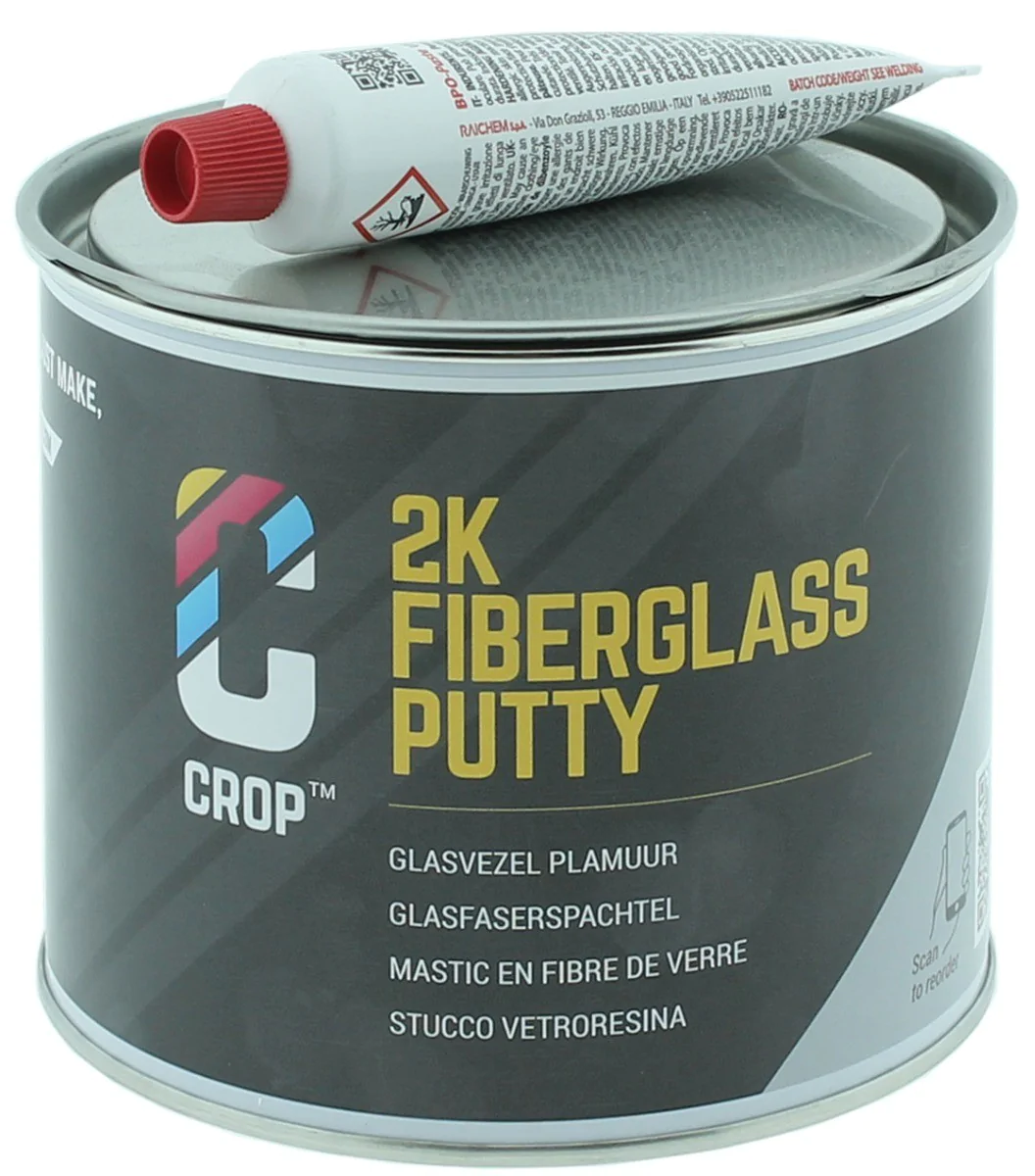 CROP 2K Fiberglass Putty – 750 ml + Hardener£15.85CROP 2K Fiberglass Putty is designed for bodywork repair and filling deep cavities, consistent with a resin boat repair theme.
 "Trasparente" – Multipurpose Clear Epoxy Resin for Casting – Up to 2cmPrice range: £8.95 through £397.95"Trasparente" offers an ultra-clear, self-levelling epoxy resin suitable for precise castings and repairs up to 2cm thick.
Frequently Asked Questions
How can I safely work with polyester resin during boat repair?
Always wear gloves, safety goggles, and use a dust mask. Work in a well-ventilated area to minimise exposure to fumes.
What is the difference between epoxy and polyester resin for boat repairs?
Epoxy provides superior bonding and durability, while polyester is more economical and well-suited to fibreglass matting.
How long must resin cure before painting or sanding?
Curing times vary by product, but always wait until the resin feels hard, cool, and is free of tackiness before sanding or applying paint.
Can I use these resin kits to repair underwater hull sections?
Yes, once fully cured and finished, the repairs made with fibreglass and epoxy or polyester resin are waterproof and suitable for underwater use.
Should I sand old fibreglass before applying new resin?
Yes, sanding the area provides mechanical grip for the new resin, ensuring a strong, long-lasting repair.
What temperatures are best for resin repair curing?
Ideally, work between 18°C and 25°C. Avoid cold, damp, or humid conditions as these slow curing and may affect the finished strength.
How can I prevent air bubbles when layering fibreglass and resin?
Apply the resin slowly with a brush or roller, and use a roller or squeegee to gently press out trapped air from under the fabric.