 Free shipping on orders over £29,85
  Shipping Tracking!


 Google
 Facebook
← Back to How to encase objects in epoxy resin?
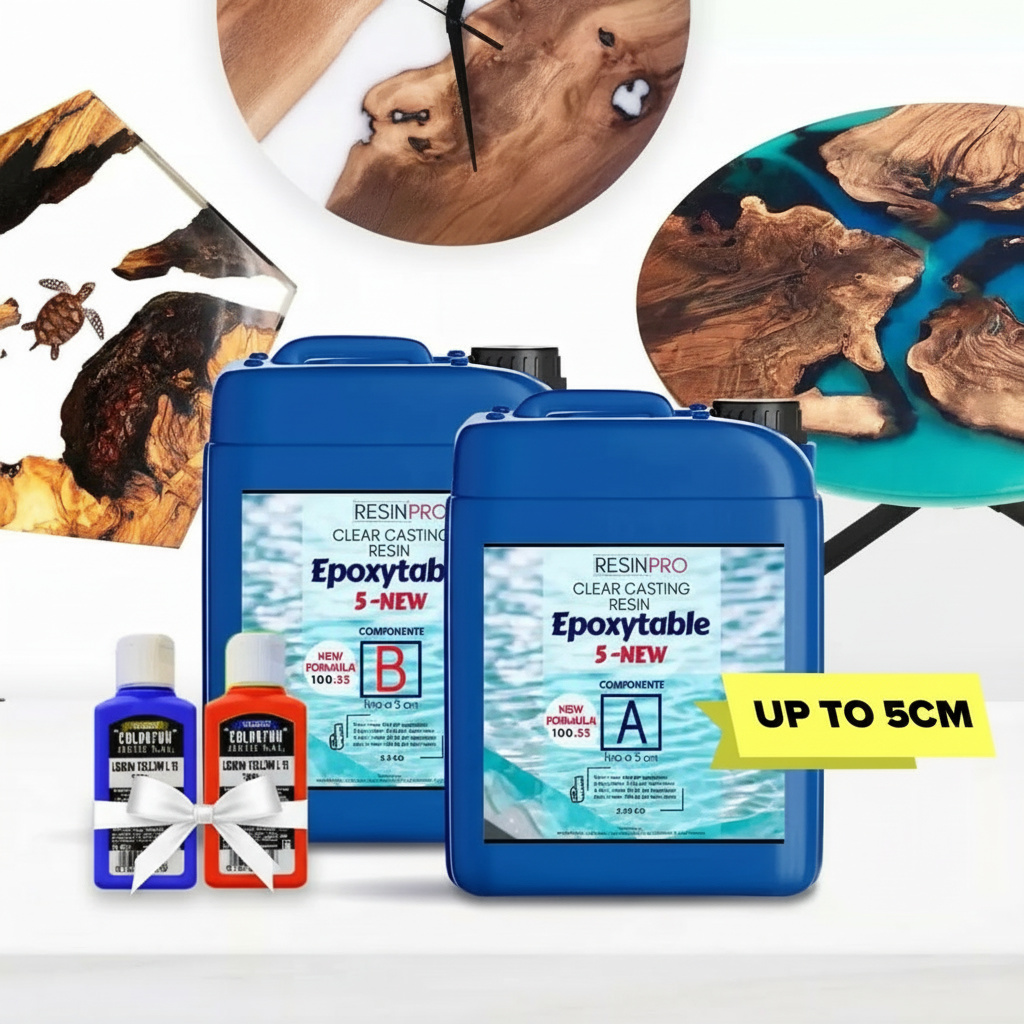
When working with epoxy resin, preparing porous materials is a crucial part of achieving crystal-clear results. Unsealed surfaces such as wood, stone or some fabrics may absorb resin and release air bubbles, so taking the time to seal them ensures a smoother, more professional finish in your castings.
Why Seal Porous Objects?
Porous objects naturally contain tiny air pockets. When resin is poured directly onto these surfaces, the trapped air is likely to rise and cause bubbles or cloudiness in your finished project. Sealing forms a barrier, stopping absorption and significantly reducing bubble formation. This simple step is especially important for wood slices, dried flowers, and decorative stones often used in resin art or crafts.
How To Properly Seal Surfaces
- Choose a suitable sealer: For most projects, a thin layer of clear epoxy resin such as “Trasparente” epoxy resin works well. Alternatively, specialised sealants or diluted PVA glue may be used for non-critical pieces.
- Apply a thin coat: Brush or spread a light, even layer of sealer over every exposed surface of your object. Ensure edges and crevices are covered for a comprehensive barrier.
- Allow to cure fully: Give the sealer time to dry or cure completely according to the manufacturer’s instructions before moving on to your main resin pour. This prevents unwanted reactions or further air release.
When This Matters Most
Sealing is essential when you want to preserve detail, avoid cloudy patches, or when embedding organic or highly textured objects in deeper castings. It is especially helpful with larger pours using products such as EpoxyTable 5-Five, where clarity and bubble-free finishes are a priority.
Related products
Related guides
Carefully sealing porous objects before pouring helps you achieve flawless results when encasing items in epoxy resin. For further guidance on creating perfect embedded pieces, explore our full resource on how to encase objects in epoxy resin.