 Free shipping on orders over £29,85
  Shipping Tracking!


 Google
 Facebook
How to encase objects in epoxy resin?
A complete step-by-step guide for creative epoxy projects
Encasing objects in epoxy resin is a spectacular way to preserve and display small treasures, create bespoke jewellery, or add artistic flair to furniture and décor. This guide will take you through every step needed to achieve flawless, clear-in-resin results—whether you’re memorialising botanicals, coins, or even keepsakes. Read on for methods, essential materials, and key tips to ensure your encased objects are beautifully preserved for years to come.
What You’ll Need
- “Trasparente” – Multipurpose Clear Epoxy Resin for Casting – Up to 2cm: Clear casting for shallow layers and fine detail work.
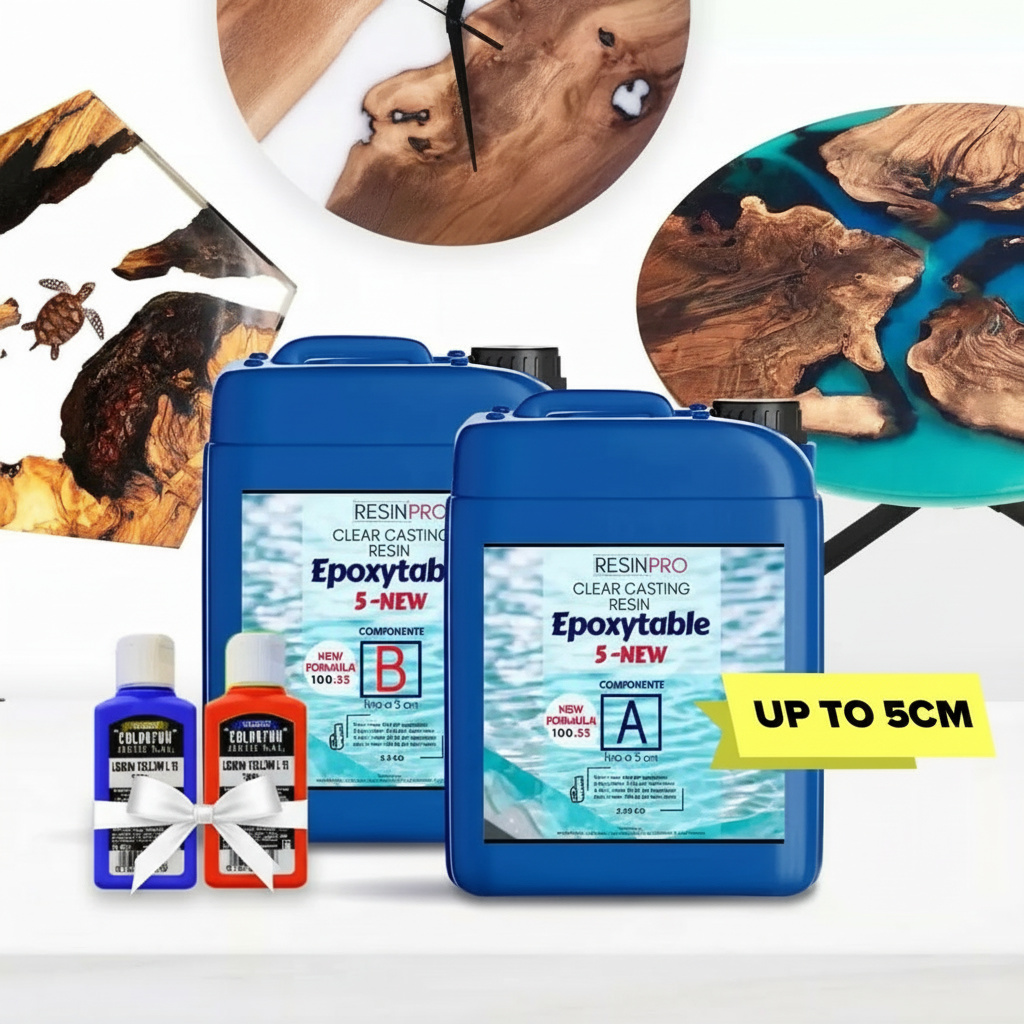
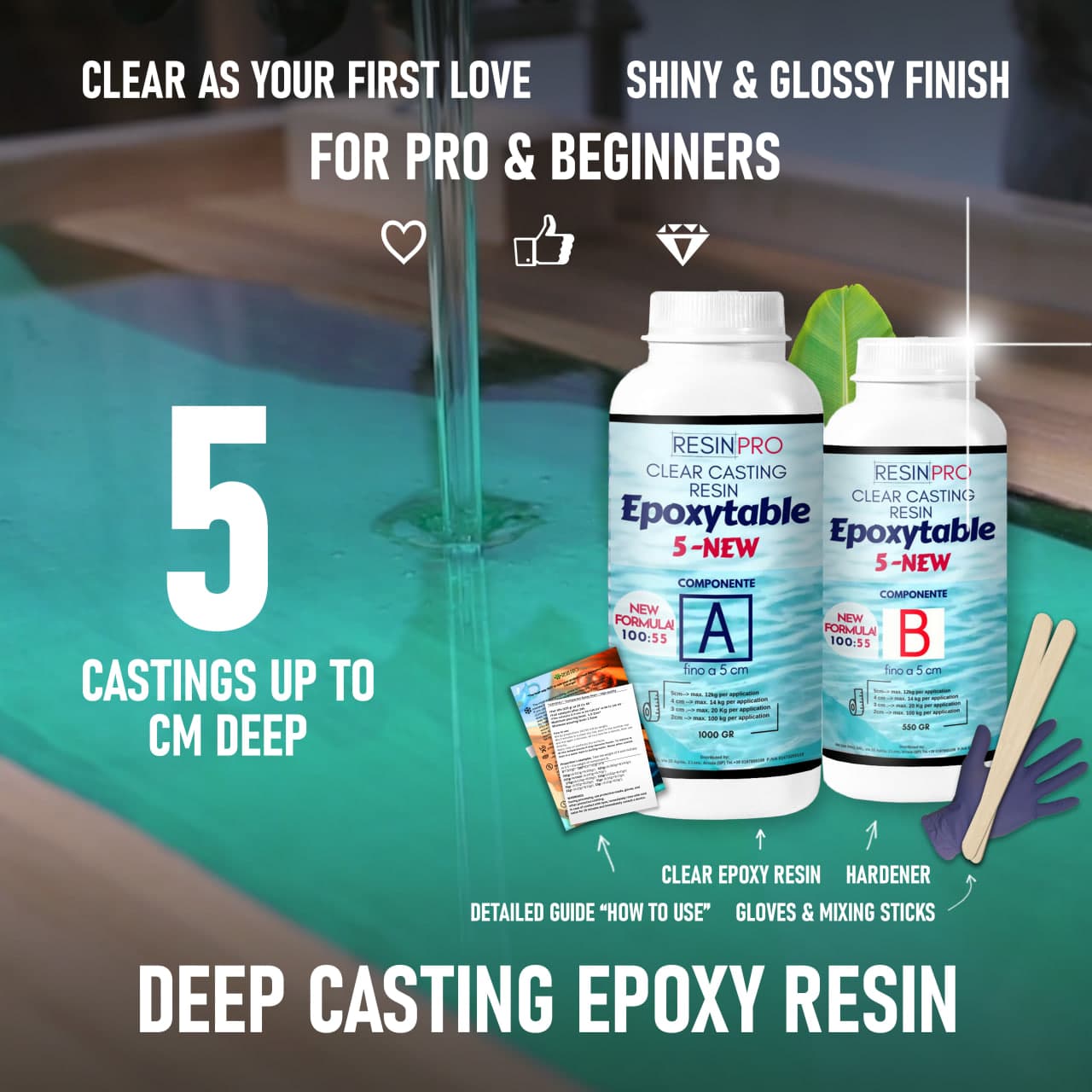
- “EpoxyTable 5-Five” – Deep Pour Epoxy Resin for Tables and Large Projects – Up to 5cm: For medium-depth pours in bigger pieces.
- “Epoxytable 10-Ten” – Deep Pour Epoxy Resin for Tables, Up to 10cm Casting: For very deep pours, such as embedding large items or thick surfaces.
- Mixing containers and sticks
- Disposable gloves and protective apron
- Moulds or a leak-proof frame for your pour
- Level work surface
- Painter’s tape and release spray (for easy demoulding)
- Sealing material (e.g. clear spray or resin primer, for porous objects)
- Respirator or good ventilation (especially for large projects)

Materials Selection and Workspace Setup
Choose an epoxy resin tailored for your project’s depth and desired clarity. Lay out all required tools before starting, and protect your work area with disposable sheets or plastic. Always wear gloves and ensure good ventilation for a safe, organised process.
Step 1: Plan and Prepare Your Objects
Start by selecting the items you wish to encase, remembering that organic or porous materials—like flowers, wood, or paper—need to be completely dry and sealed to prevent bubbles or cloudiness. Clean your objects gently to remove dust and debris. Assemble your clean, dry mould or frame on a level surface with all tools at hand. For best results, work in a dust-free, low-humidity environment.
If you plan to encase objects thicker than 2cm, choose a suitable deep pour resin such as “EpoxyTable 5-Five” or “Epoxytable 10-Ten”.
Step 2: Seal and Secure Your Objects
Porous or organic objects can release trapped air into the resin. To prevent this, lightly coat flowers, wood, or paper with a suitable sealer—spray varnish or a thin layer of resin primer—and let fully dry. This step is essential for botanical specimens and other air-trapping items. Next, position the objects within your mould as desired. Fix them in place either with a small dab of resin or by weighing them down gently. If objects float, use transparent thread or a mesh grid to keep them suspended.
Step 3: Mix and Pour the Epoxy Resin
Carefully read the manufacturer’s instructions for your chosen resin. Accurately measure both parts of the resin using digital scales, then mix slowly to avoid introducing bubbles. Spend a few minutes stirring, scraping sides and bottom often for complete blending. Wait a minute to let bubbles rise.
Depending on the project depth, select the appropriate resin: for shallow pours (jewellery, coasters)—use “Trasparente”; for thicker layers (art slabs, river tables), use “EpoxyTable 5-Five” (up to 5cm) or “Epoxytable 10-Ten” (up to 10cm). Pour the resin gently into one corner of the mould to allow air to escape. For projects thicker than the recommended maximum, pour in several layers, allowing each to cure before adding the next.

Step 4: Remove Bubbles and Let Cure
After pouring, use a heat gun, torch or fine mist of isopropyl alcohol to remove surface bubbles, keeping the nozzle moving to avoid overheating. Cover the project with a dust cover and leave undisturbed. Allow the first layer to cure if staging, then repeat the process for additional layers as needed. Curing times and temperature depend on resin brand and ambient conditions, so always consult the datasheet. Full curing could take from one day to several days.

Step 5: Demould and Finish Your Encased Object
Once the resin is completely cured and feels hard to the touch, carefully remove the project from the mould. Gently sand any sharp or uneven edges starting from a higher to a lower grit. Polish the resin surface if desired for a glass-like, clear effect. Wash the finished piece with mild detergent if necessary. That’s it—your encased object is now ready to display or use!
Tips and Troubleshooting for Epoxy Object Encasing
- Choose the right resin depth for your project: Using too thin or too thick a resin for the job can cause cracks or excessive heat.
- Seal porous objects before pouring: Failing to do so is a main cause of bubbles and cloudiness.
- Pour in staged layers for thicker projects: Large, deep blocks of resin should not be poured all at once.
- Mix slowly to minimise bubbles: Fast mixing is a prime cause of trapped air.
- Allow for plenty of curing time—rushing demoulding usually means warping or surface marks.
- Work at recommended temperatures—too hot or too cold will affect clarity and cure speed.
Visual Inspiration: Encased Resin Projects
View examples of resin-encased flowers, keepsakes, and jewellery to spark your creativity. Notice the clarity and depth achieved with proper layer staging and bubble-free mixing.
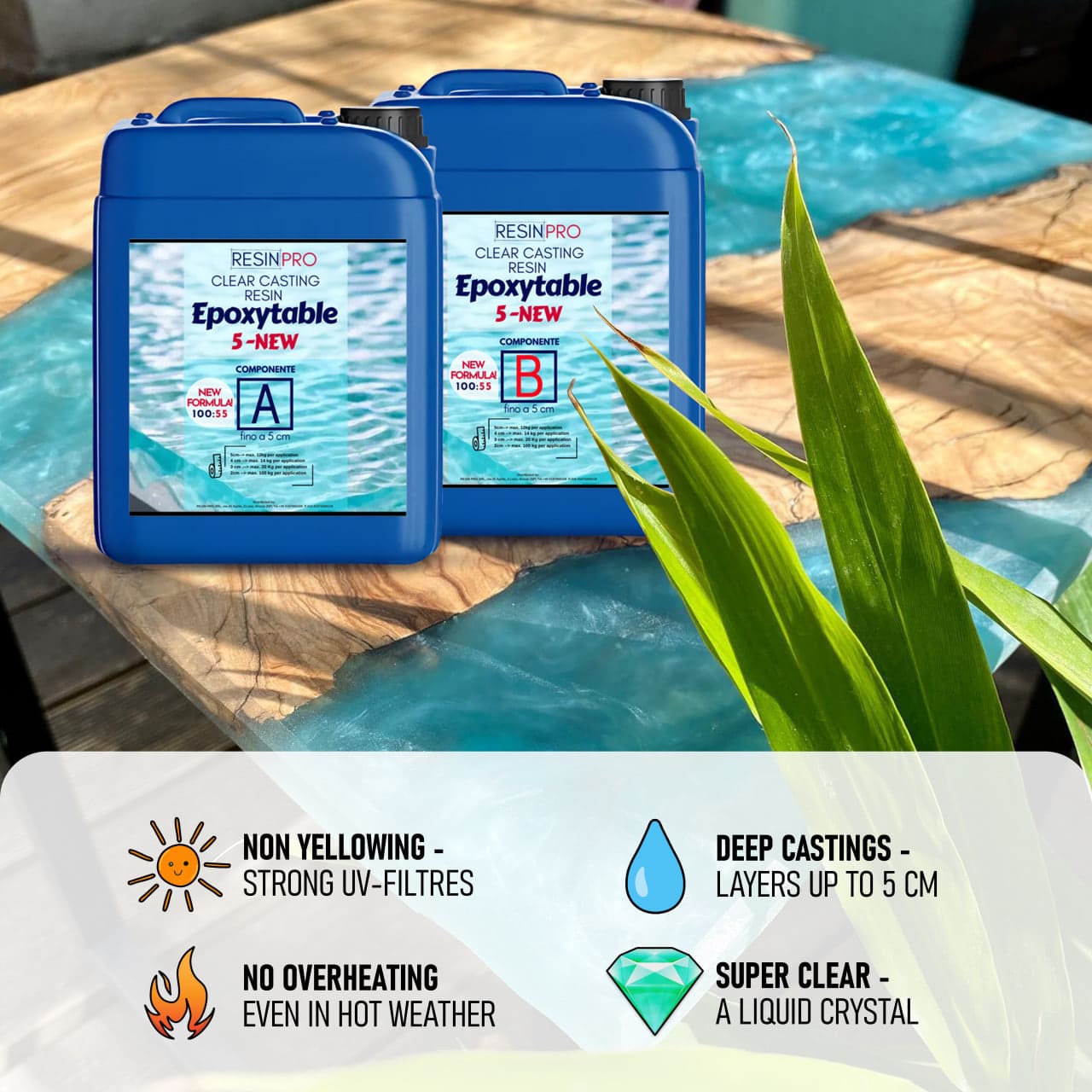
- "EpoxyTable 5-Five" – Deep Pour Epoxy Resin for Tables and Large Projects – Up to 5cmPrice range: £17.95 through £1,154.95"EpoxyTable 5-Five" is a deep pour epoxy resin suitable for tables and large projects, designed for casting up to 5cm with low viscosity and UV…
- “Epoxytable 10-Ten” – Deep Pour Epoxy Resin for Tables, Up to 10cm CastingPrice range: £35.95 through £351.95Epoxy resin designed for deep pour casting up to 10cm, suitable for tables and artistic projects in the theme of object encasement.
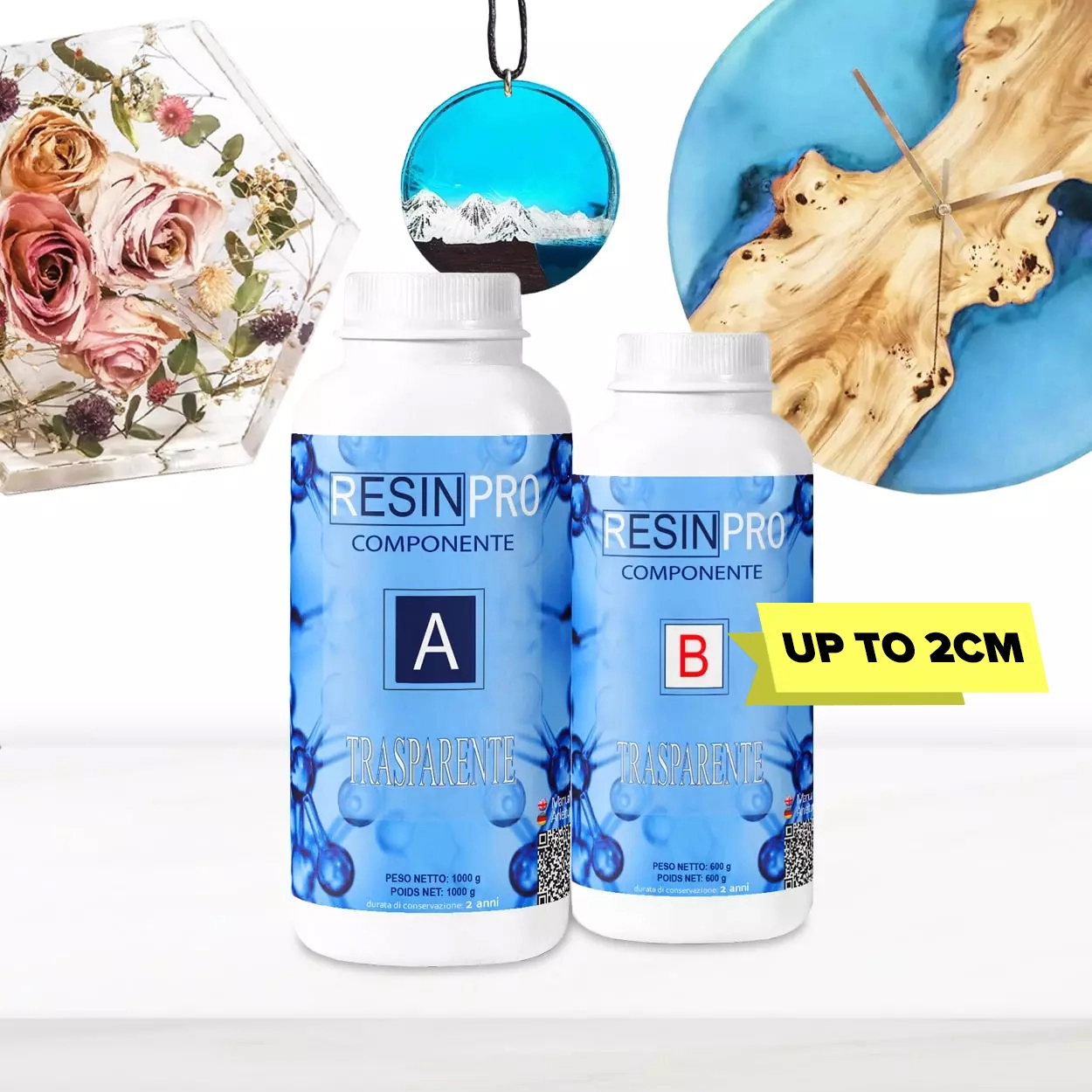 "Trasparente" – Multipurpose Clear Epoxy Resin for Casting – Up to 2cmPrice range: £8.95 through £397.95The "Trasparente" epoxy resin provides a clear, scratch-resistant finish up to 2cm thick, suitable for woodworking and art within the encasing…
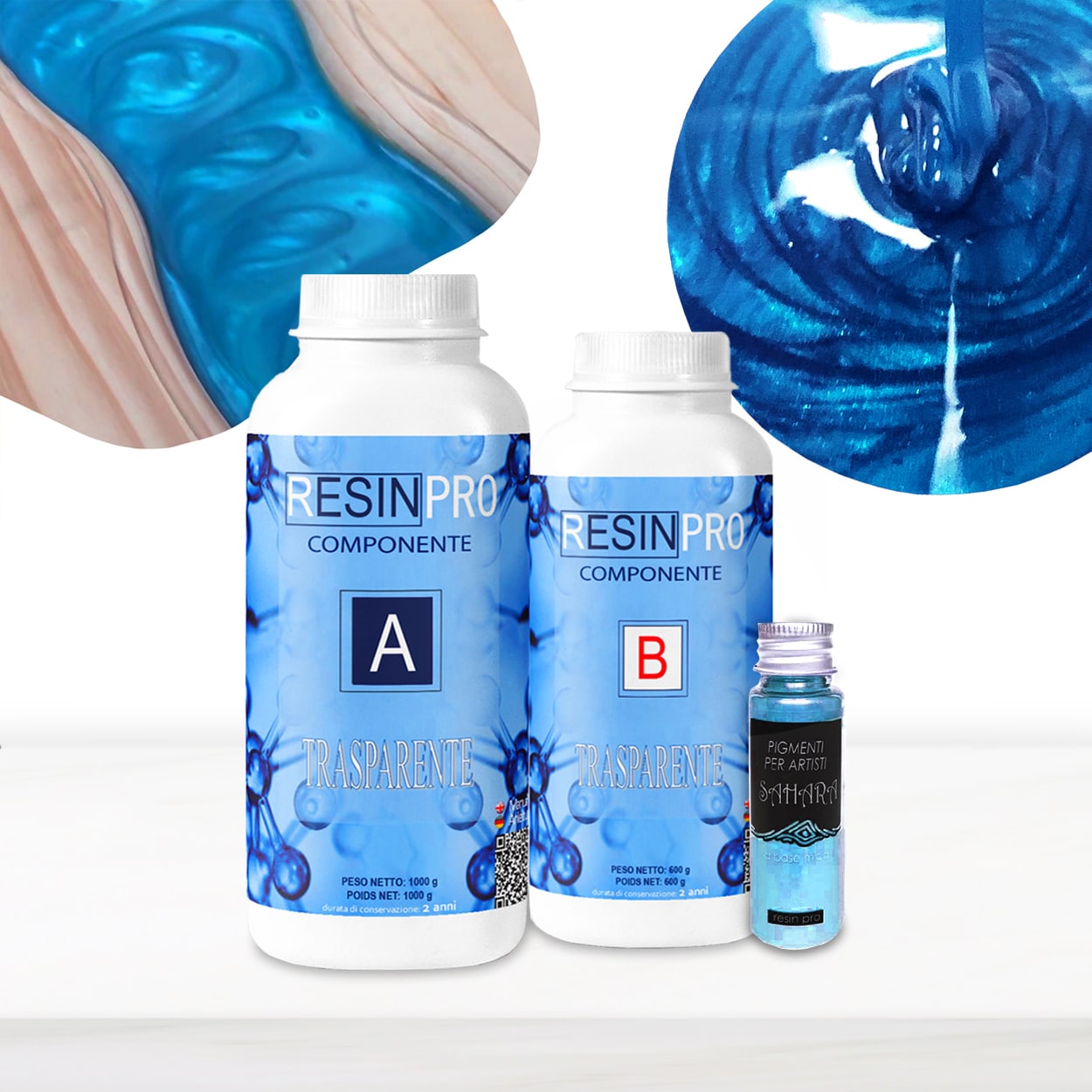 "Trasparente" Epoxy Resin Kit 800g + Mica Powder 10g – 10 Colour Variations£20.95"Trasparente" epoxy resin kit provides ultra clear multipurpose resin suitable for casting, table making, and DIY projects.
Frequently Asked Questions
What resin depth should I choose for my project?
Use up to 2cm for shallow encasing, 5cm for medium pours, and up to 10cm for deep embedding with staged layering.
How can I prevent bubbles in my encased object?
Seal all porous materials fully, mix resin slowly, and use a heat gun or alcohol spray to remove surface bubbles after pouring.
How long does it take for epoxy encased objects to cure?
Cure times vary by resin type and layer thickness, ranging from 24 to 72 hours for most products. Full cure may take longer.
What’s the safest way to demould a resin encasement?
Ensure complete curing, then flex or peel moulds gently. Lubricate with release spray if necessary to avoid breakage.
Can I cure epoxy resin in cold conditions?
Curing at low temperatures can prolong or disrupt the cure. Always work within the manufacturer’s recommended temperature range.
Should I seal flowers or wood before encasing in resin?
Yes, organic objects must be dried and sealed with a clear spray or primer to prevent bubbling and protect clarity.